Artwork
Coridone, Lover of Corisca
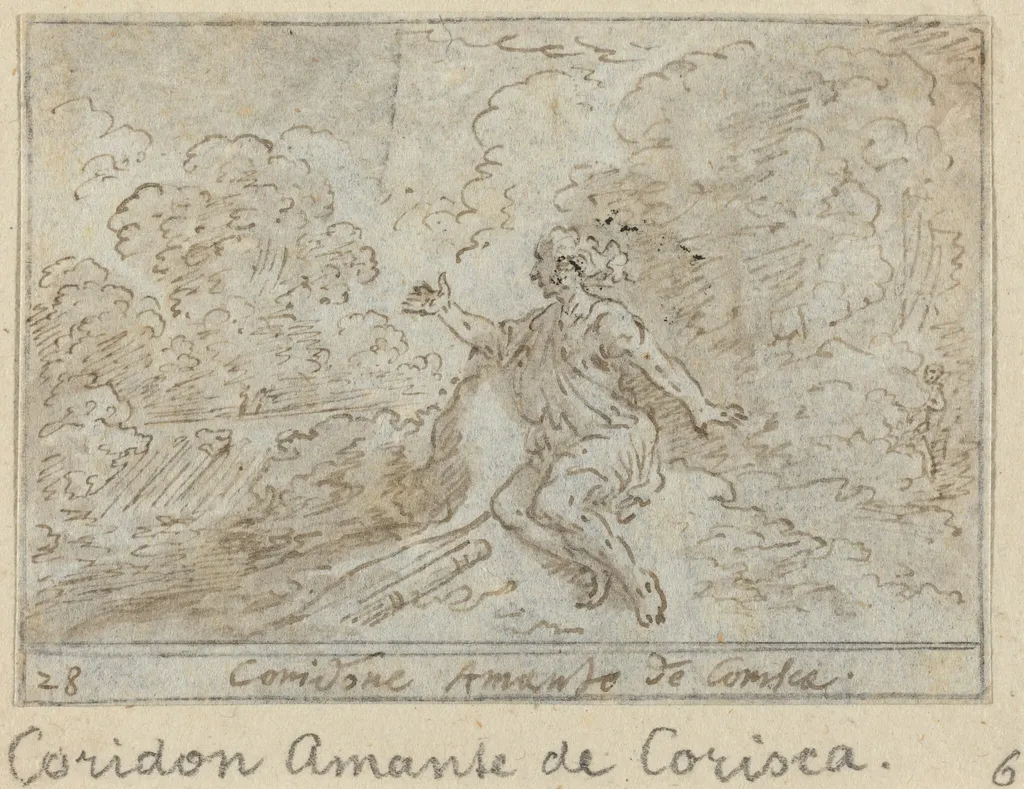
Coridone, Lover of Corisca is an ink drawing by the Baroque artist Johann Wilhelm Baur. It dates from 1640 and is held in the collection of the National Gallery of Art.
About this work
Overview
Created in 1640, this drawing by Johann Wilhelm Baur presents the pastoral figure Corydon seated beneath a tree, flute in hand, surrounded by foliage and wildlife. Executed with pen and brown ink complemented by a brown wash on laid paper, the work exemplifies the intimate scale and narrative focus typical of 17th‑century book illustration.
Subject & Meaning
The scene derives from the pastoral drama *Il pastor fido*, where Corydon appears as a lover of Corisca. Baur’s choice of this literary episode reflects the period’s fascination with classical and Renaissance texts, using the idyllic setting to underscore themes of love and nature that resonated with contemporary audiences.
Technique & Style
Baur employs a restrained line economy, allowing simple strokes to delineate the figure and surrounding trees, while subtle washes of brown ink generate tonal depth. This combination of precise drawing and modest shading aligns with Baroque sensibilities that favored clear storytelling and expressive yet controlled figuration in preparatory sketches and illustrations.
History & Provenance
Johann Wilhelm Baur, a Strasbourg‑born engraver and miniature painter, was active in the mid‑1600s and known for his series of illustrations for Ovid’s *Metamorphoses*. The Corydon drawing belongs to his broader output of literary imagery, situating it within the flourishing network of European printmaking and book illustration during the early modern period.
Artist & collection
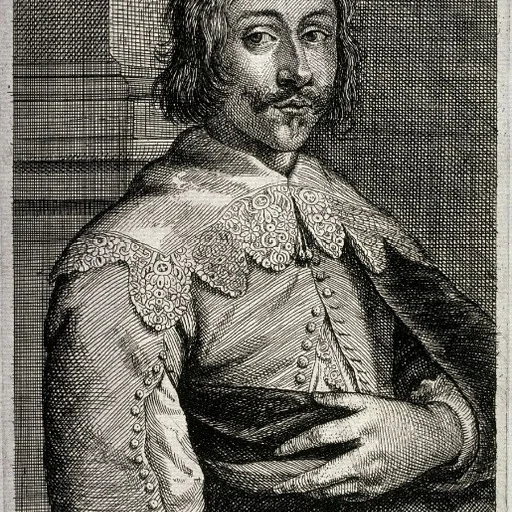
Artist
Johann Wilhelm Baur, Joan Guiliam Bouwer, or Bauer (Strasbourg, 31 May 1607 - Vienna, 1 January 1640) was a German engraver, etcher and miniature painter. He is famous for a series of illustrations of Ovid's Metamorphoses.