Artwork
Lane in Moonlight
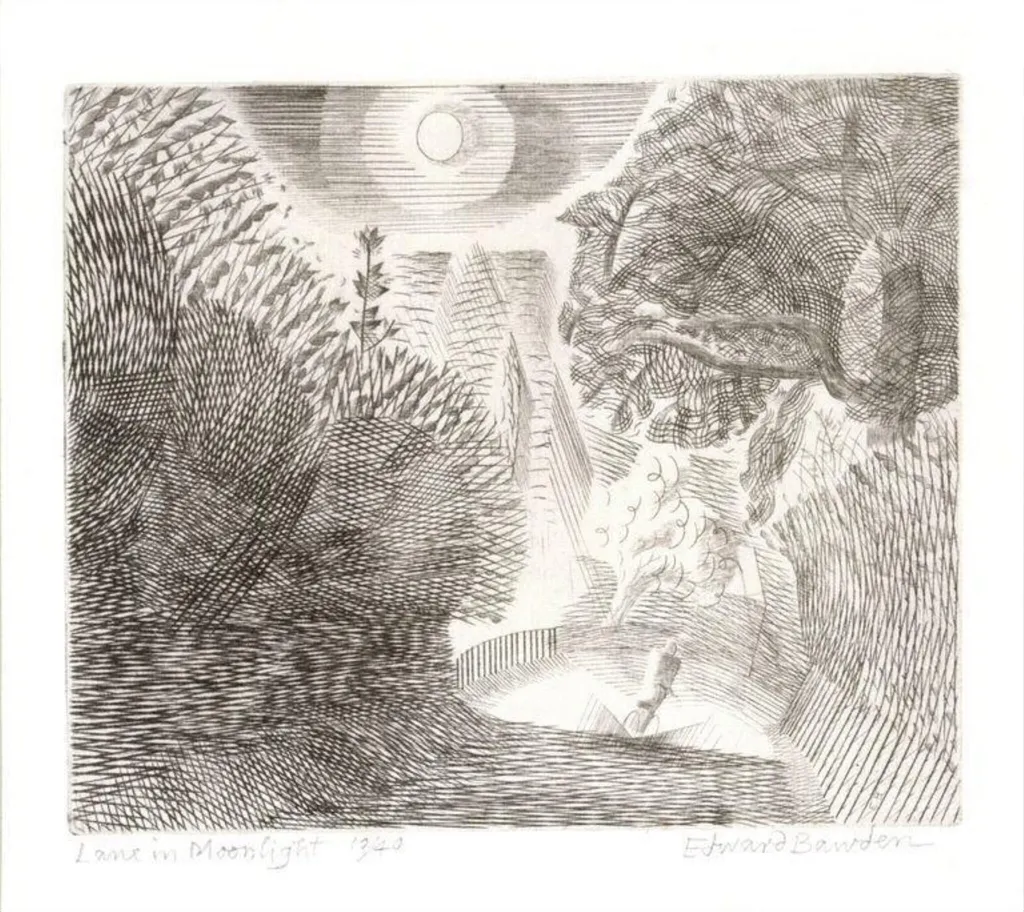
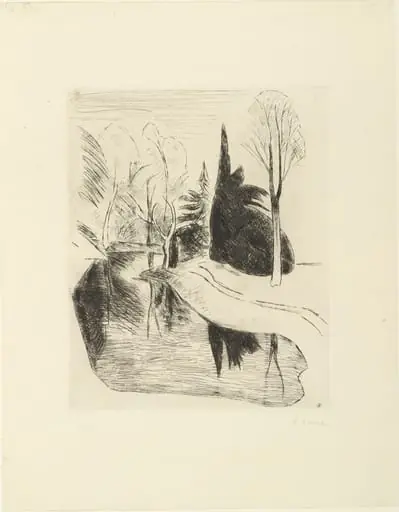
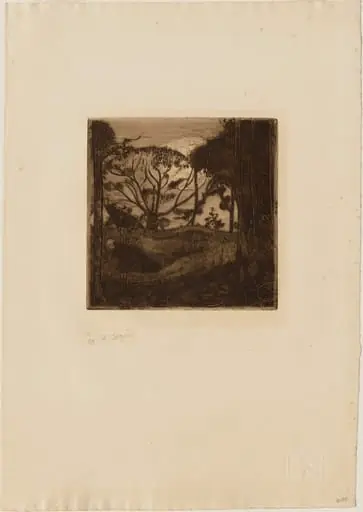
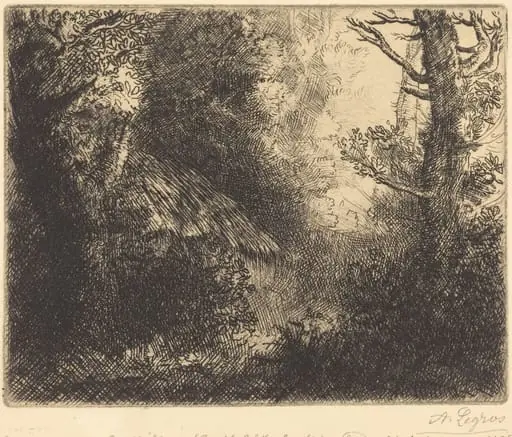
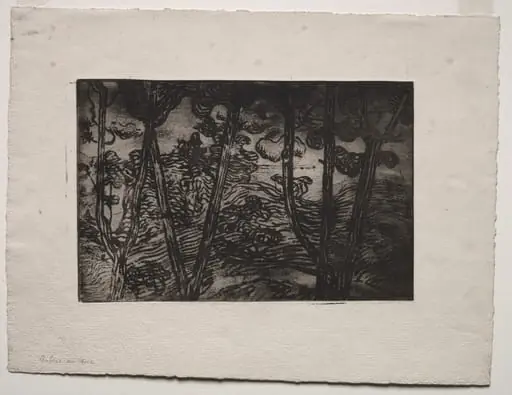
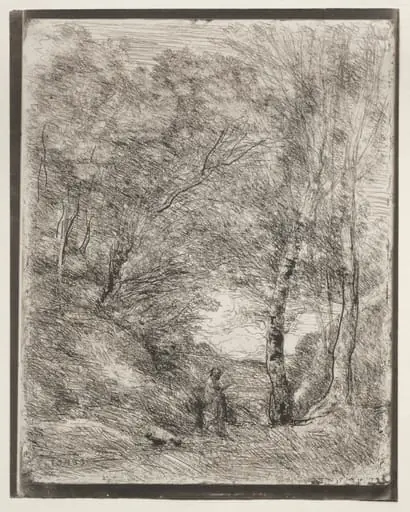
Lane in Moonlight is a print by Edward Bawden. It dates from 1928 and is held in the collection of the Victoria and Albert Museum.
About this work
Lane in Moonlight is a print created by Edward Bawden in 1928. It's one of several small engravings he made during this time.
This print features a simple linear style, different from Bawden's later work. The scene may have been inspired by British landscape painter Samuel Palmer.
To learn more about the techniques used in prints like Lane in Moonlight, look up the technique: sfumato.
Overview
Created around 1928, Lane in Moonlight is a small engraving by Edward Bawden, part of a brief series of intimate prints made early in his career.
Created around 1928, Lane in Moonlight is a small engraving by Edward Bawden, part of a brief series of intimate prints made early in his career. Unlike his later, brightly colored linocuts, this work employs a restrained, linear approach. The plate was engraved in the late 1920s, but the specific impression in question was printed decades later by Bawden’s son, Richard, in the 1970s, reflecting a posthumous revival of interest in his early graphic work.
Subject & Meaning
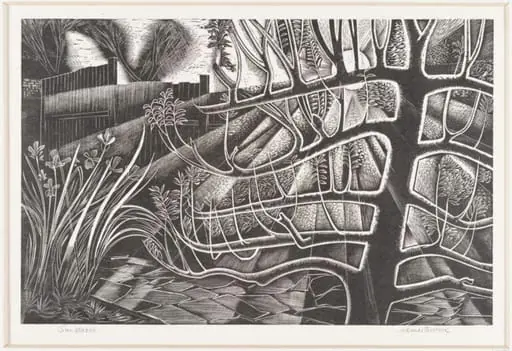
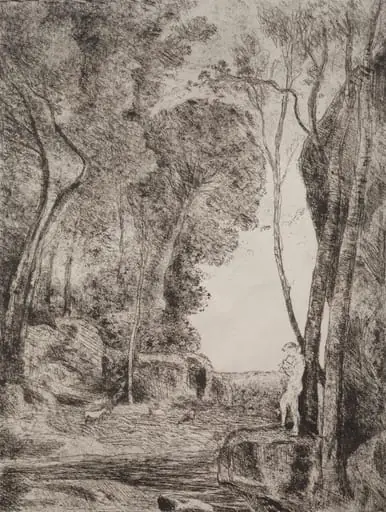
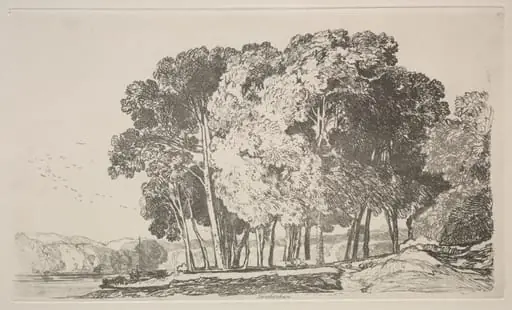
The print depicts a quiet, moonlit lane winding through a quiet landscape, rendered with minimal detail and a sense of stillness. The absence of figures and the soft, atmospheric tone evoke a contemplative mood. While not overtly symbolic, the scene suggests a romanticized vision of rural England, aligned with a broader interwar interest in nostalgic, poetic interpretations of the countryside.
Technique & Style
Bawden used fine, controlled lines to define forms, avoiding tonal shading or color. The engraving technique emphasizes clarity and precision, with delicate cross-hatching suggesting depth without heavy contrast. This linear economy contrasts sharply with the bold, flat planes of his later linocuts. The style reflects a deliberate move away from decorative intensity toward understated, almost draftsmanship-driven composition.
History & Provenance
The original plate was engraved circa 1928 during Bawden’s formative years as a printmaker. The print was not widely circulated at the time. The known impression dates to the 1970s, when Bawden’s son Richard reprinted it from the original plate, likely as part of a broader effort to preserve and reassess his father’s early graphic output. This later printing gives the work a layered history of creation and rediscovery.
Context
Bawden’s early engravings emerged amid a revival of interest in 19th-century British Romantic landscape traditions. Artists of his generation, including those associated with the East Anglian school, looked to Samuel Palmer for his dreamlike rural visions. Lane in Moonlight aligns with this trend, channeling Palmer’s atmospheric quietude while filtering it through a modernist sensibility focused on line and structure.
Legacy
Though overshadowed by Bawden’s later commercial and mural work, Lane in Moonlight remains a key example of his early graphic experimentation. It demonstrates his capacity for lyrical restraint and his engagement with historical precedents. The print’s rediscovery in the 1970s helped solidify his reputation as a versatile printmaker, bridging traditional techniques with modernist minimalism.
Artist & collection
Artist
Edward Bawden made bold prints and watercolors rooted in 20th-century English life, often capturing quiet corners with sharp lines and bright colors.