Artwork
Lost opportunities
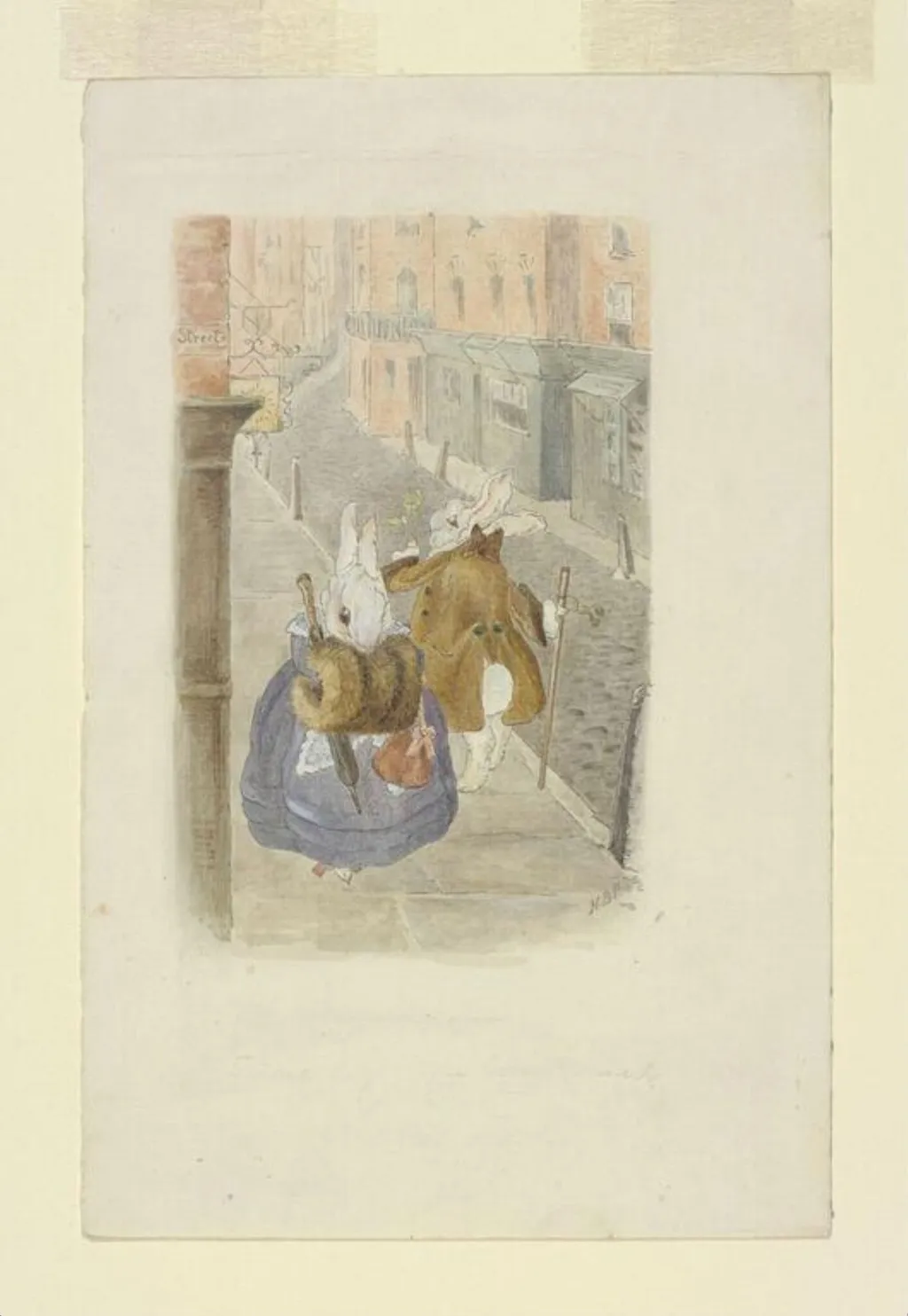
Lost opportunities is a watercolor work on paper by the Impressionist artist Beatrix Potter. It dates from 1890 and is held in the collection of the Victoria and Albert Museum.
About this work
Overview
The work is part of Potter’s early series exploring human-like animal characters in domestic settings, predating her famous children’s books.
Created in 1890, this watercolour by Beatrix Potter captures a quiet urban moment featuring two anthropomorphized rabbits. Rendered in soft, muted tones, the scene unfolds along a cobbled lane with subtle architectural details—a road sign, a milestone, and a hanging clock—grounding the whimsical figures in a believable environment. The work is part of Potter’s early series exploring human-like animal characters in domestic settings, predating her famous children’s books.
Subject & Meaning
The male rabbit, dressed in a brown frock coat and carrying mistletoe and a cane, walks behind a female rabbit adorned with a purple silk dress, fur muff, and a pink ribbon-tied bag. Their attire and props suggest a formal outing, possibly a seasonal stroll. The inclusion of mistletoe hints at winter or holiday rituals, while the quiet, uneventful interaction conveys a sense of routine rather than drama, reflecting Potter’s interest in social manners and quiet observation.
Technique & Style
Potter employed delicate watercolour washes to build subtle gradations of light and texture, avoiding bold outlines. The clothing fabrics are suggested through layered tints rather than detailed stitching, and architectural elements like the clock and milestone are rendered with precise, restrained linework. The palette remains restrained—soft pinks, greens, browns, and greys—enhancing the scene’s calm, almost nostalgic atmosphere without theatricality.
History & Provenance
The watercolour was part of the Linder Collection, assembled by Potter’s friend and publisher Harold Linder. In 1970, it was donated to the National Book League, now known as Book Trust, alongside other works from the collection. Its preservation within an institution focused on literature underscores its significance as a cultural artifact tied to the development of British children’s publishing and illustration.
Context
This piece reflects Potter’s engagement with late-Victorian social customs and her fascination with the natural world intersecting with human behavior. While she was training as a scientific illustrator, her sketches of animals in costume reveal an emerging narrative sensibility. The scene’s quiet realism aligns with contemporary British watercolour traditions, yet its anthropomorphic twist distinguishes it as a precursor to her later literary works.
Legacy
Though less known than her published tales, this watercolour exemplifies Potter’s foundational artistic approach: blending precise observation with gentle fantasy. It influenced later illustrators who sought to imbue animal characters with psychological nuance and social context. Its presence in a literary archive signals its role not merely as art, but as a document of cultural imagination in transition.
Artist & collection
Artist
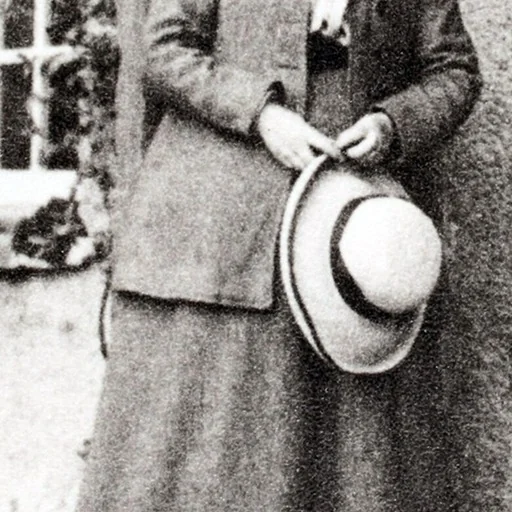
Helen Beatrix Heelis (née Potter; 28 July 1866 – 22 December 1943), usually known as Beatrix Potter ( BEE-ə-triks), was an English writer, illustrator, natural scientist, and conservationist.

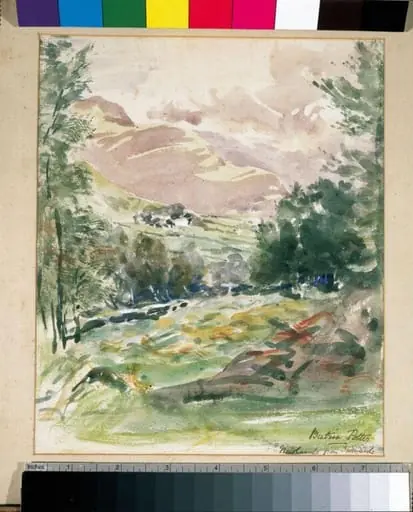
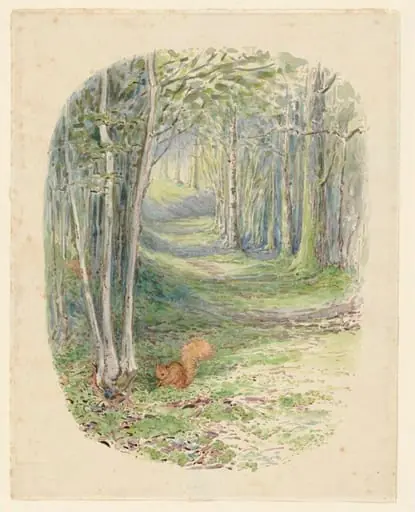
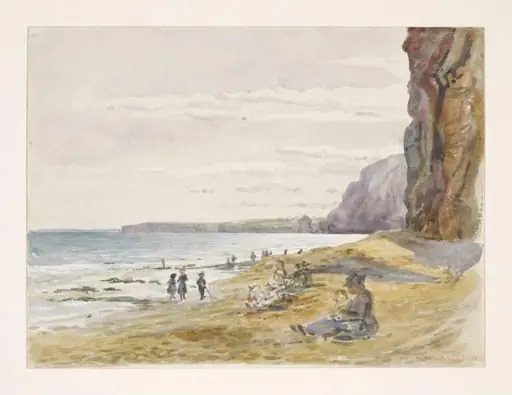
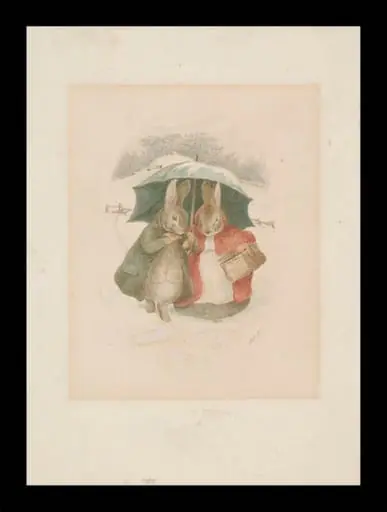
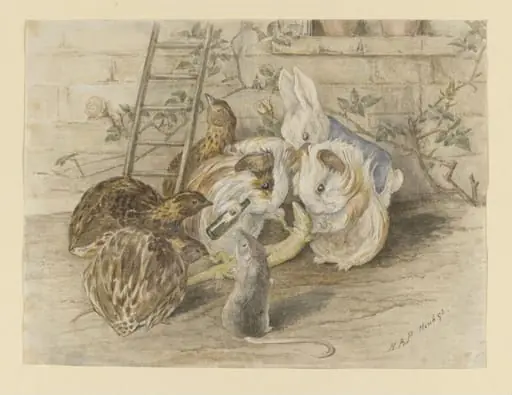
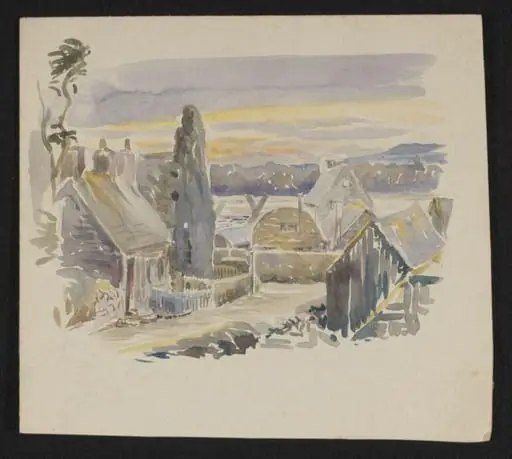
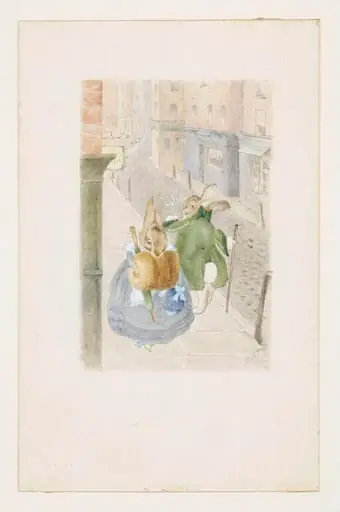 Lady rabbit and gentleman rabbit passing on the street
![Bernini Fountain, Rome [recto], by Felix Octavius Carr Darley](https://artifactworldgallery.com/img/felix-octavius-carr-darley--bernini-fountain-rome-recto--bed0d506722bdbdf-w320.webp) Bernini Fountain, Rome [recto]
Bernini Fountain, Rome [recto]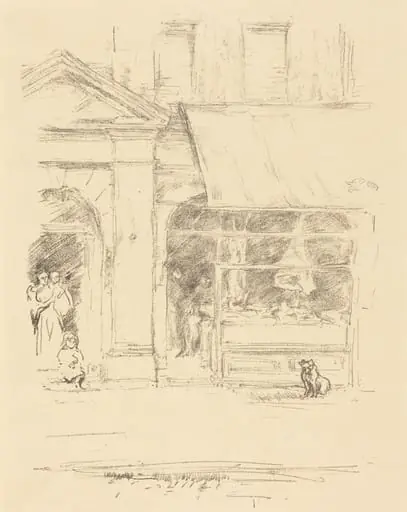 The Butcher's Dog
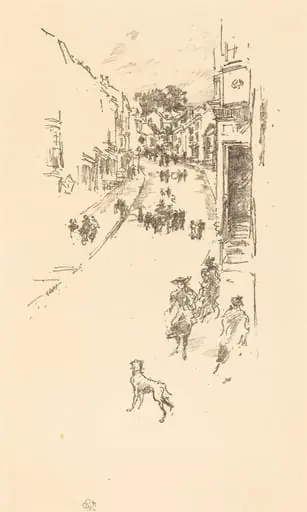 Sunday, Lyme Regis
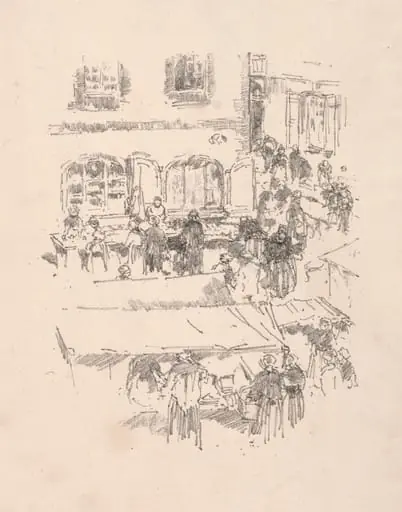 The Market Place, Vitre
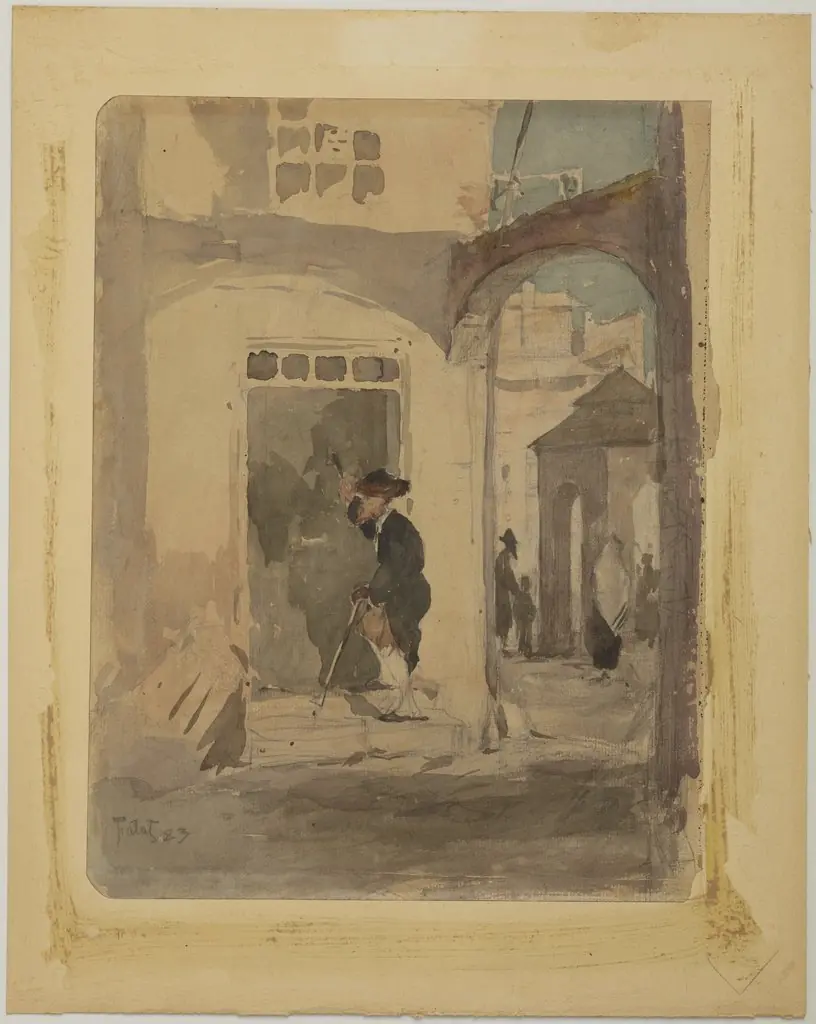 Beadle knocking at the door
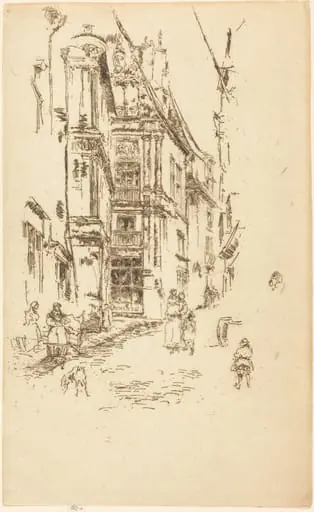 Chancellerie, Loches
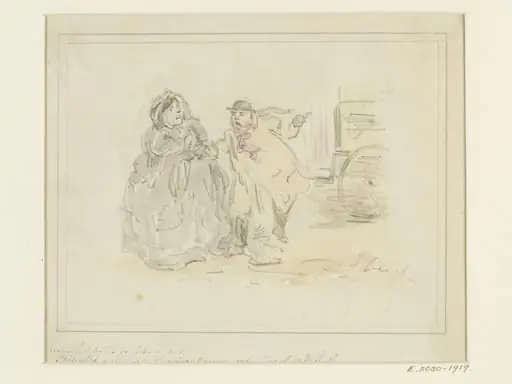 Drawing for book illustration: an old lady and a cabman
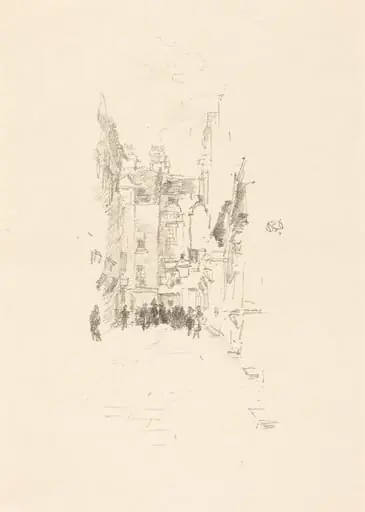 Little Court, Cloth Fair
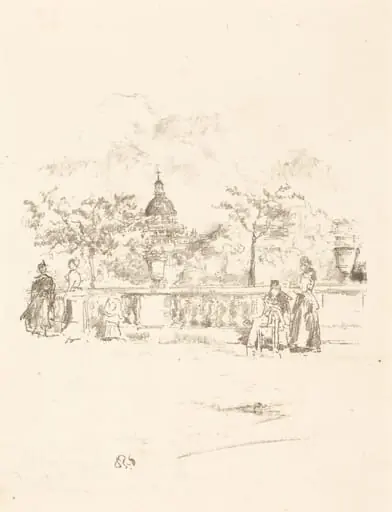 The Pantheon, from the Terrace of the Luxembourg Gardens
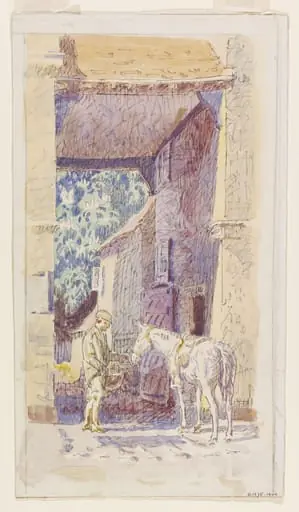 Hotel Entrance, Dedham
 Courtyard, Chelsea Hospital