Artwork
Kuningatar Kristiina
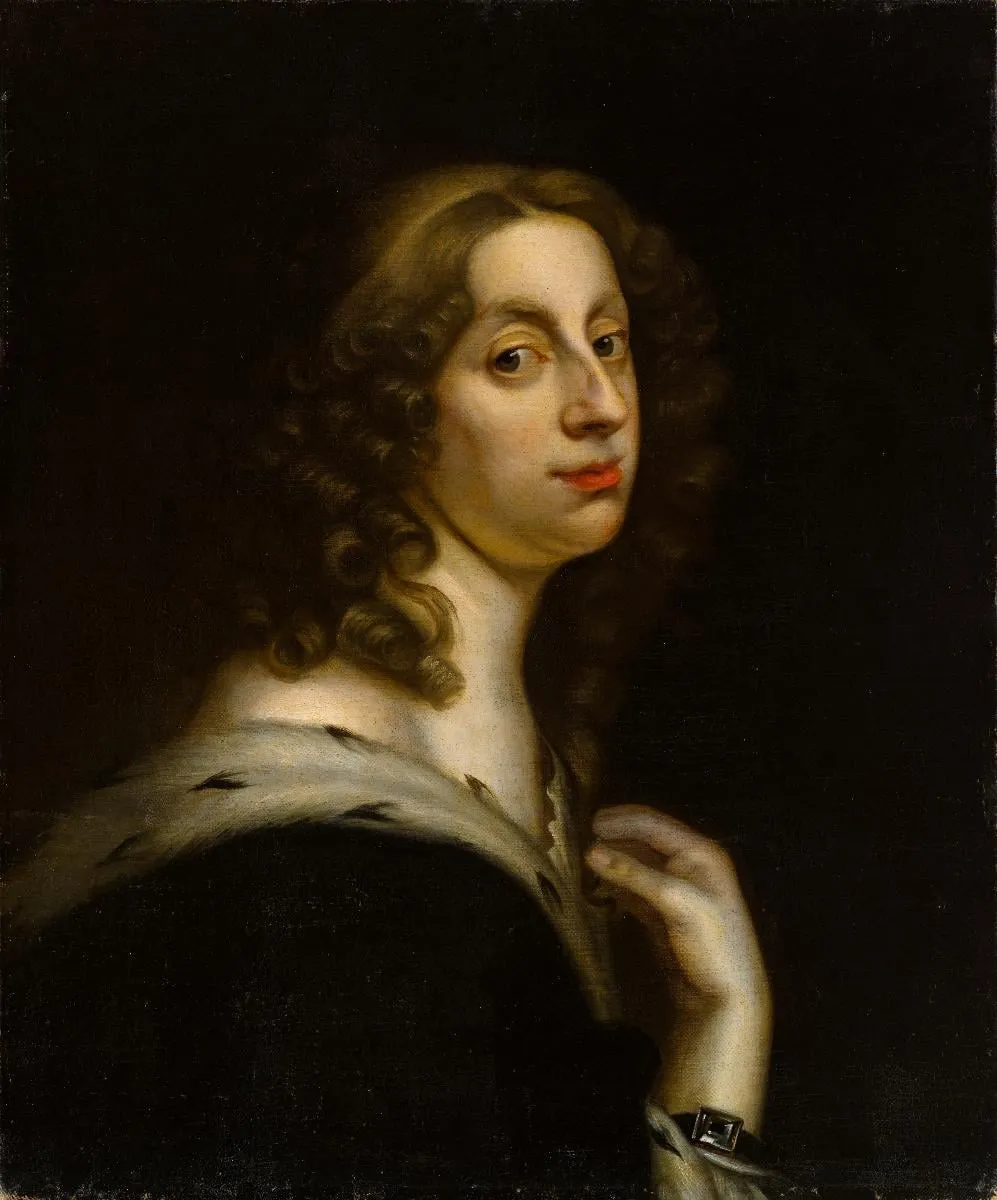
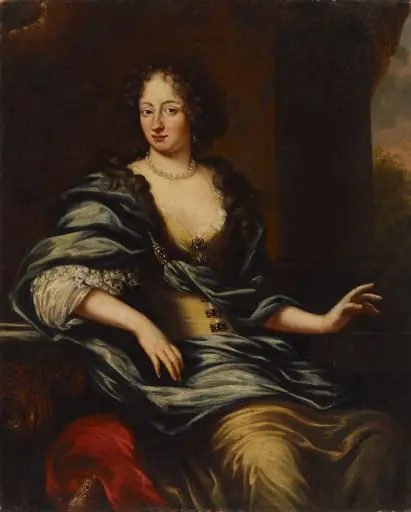
Kuningatar Kristiina is an unspecified painting by David Beck. It dates from 1648 and is held in the collection of the Finnish National Gallery.
About this work
Overview
Painted around 1648 by David Beck, this portrait captures Queen Christina of Sweden in a moment of quiet composure. The figure is rendered against a deep, unbroken background that isolates her form and enhances the focus on her presence. Subtle lighting models her features and clothing, emphasizing texture and volume without overt drama.
Subject & Meaning
The watch on her wrist may hint at her interest in time, order, or the passage of life, reflecting her known philosophical inclinations.
The sitter is Queen Christina, known for her intellectual pursuits and unconventional demeanor. Her attire—elegant yet unadorned—suggests personal rather than ceremonial dress. The raised hand near her chest and direct gaze to the side convey introspection rather than authority. The watch on her wrist may hint at her interest in time, order, or the passage of life, reflecting her known philosophical inclinations.
Technique & Style
Beck employs chiaroscuro to define the contours of the figure, using soft gradations of light and shadow to model flesh and fabric. The brushwork is precise but unobtrusive, favoring naturalism over ornamentation. The dark background eliminates distraction, directing attention to the subtle play of light on the dress and skin, a hallmark of Dutch-influenced portraiture of the period.
History & Provenance
Commissioned during Christina’s reign, the portrait was likely intended for private circulation rather than public display. Beck, a Swedish court painter of Dutch origin, worked closely with the royal family in the 1640s. The painting remained in Swedish royal collections until the 19th century, after which it entered a public museum, where it is now held.
Context
In mid-17th century Sweden, portraiture served both political and personal functions. While monarchs were often depicted in regalia, Beck’s portrayal of Christina in informal attire reflects her rejection of traditional gendered expectations. The painting aligns with a broader trend among Northern European courts to present rulers as thoughtful individuals, not merely symbols of power.
Legacy
This portrait contributes to the visual record of a monarch who defied convention, both in life and in representation. Beck’s restrained approach influenced later Swedish portraiture, emphasizing psychological presence over ceremonial grandeur. The work remains a key example of how personal identity could be conveyed through understated visual language in early modern Europe.
Artist & collection

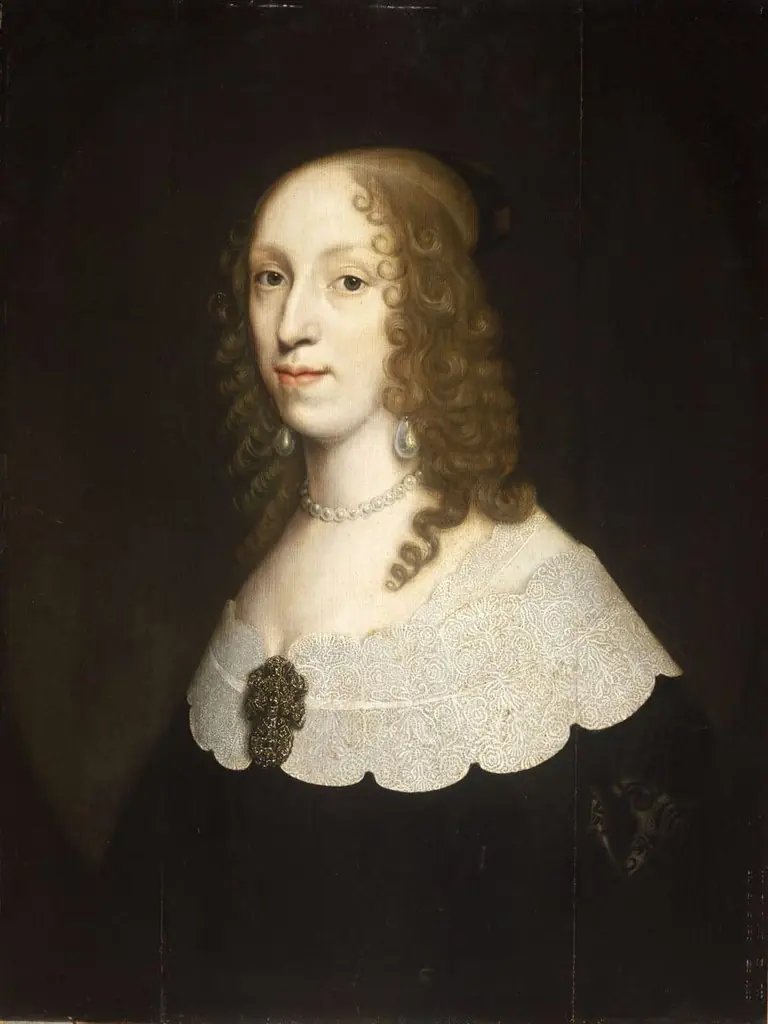 Portrait of an Unknown Lady
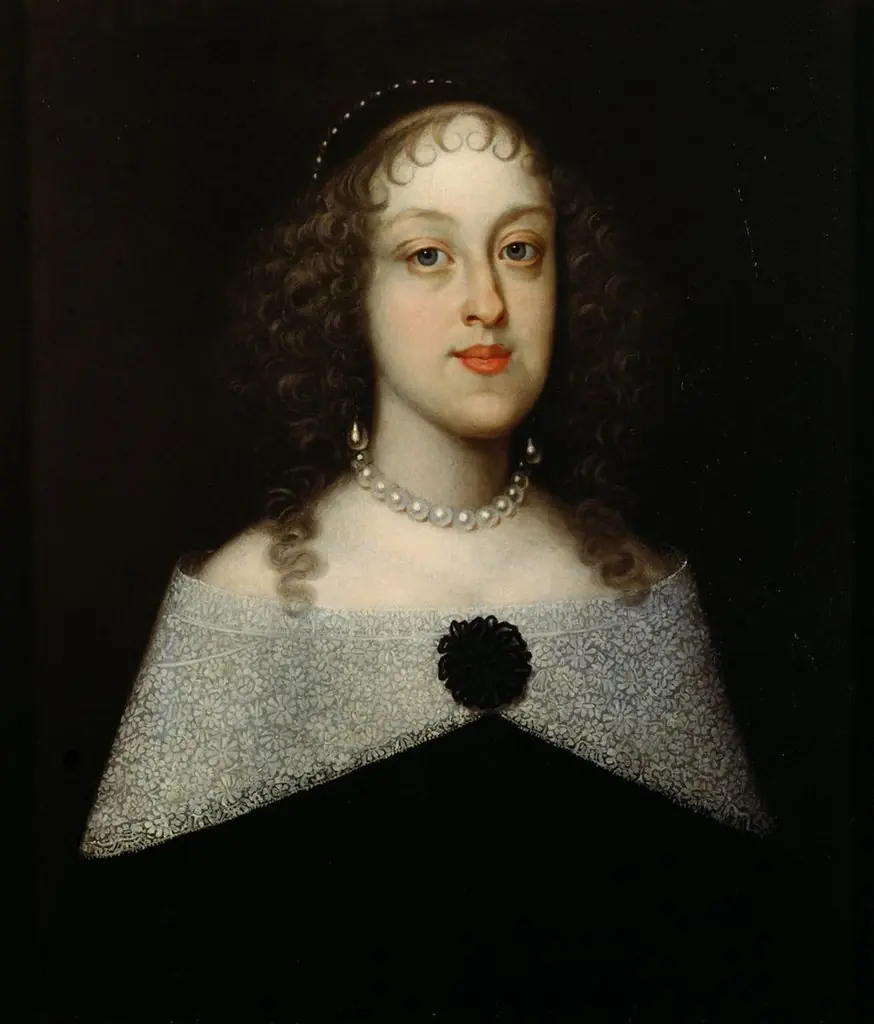 Erzherzogin Isabella Klara (1629-1685) in schwarzem Kleid, Brustbild
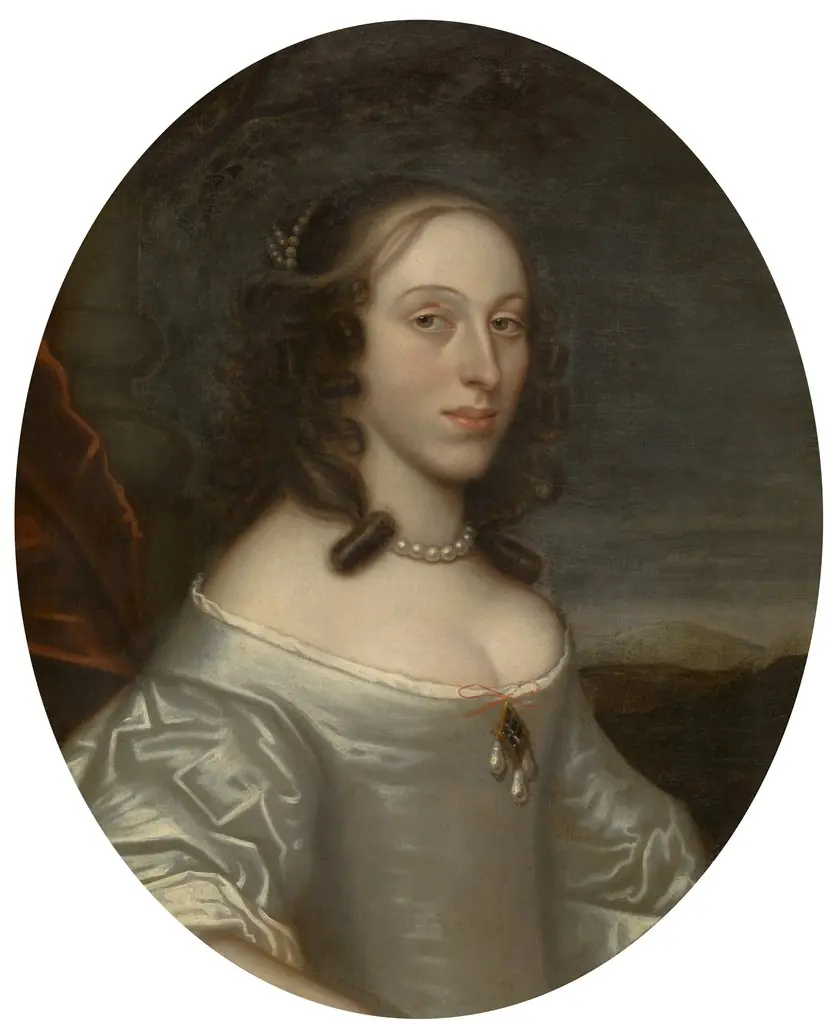 Portrait of a Woman
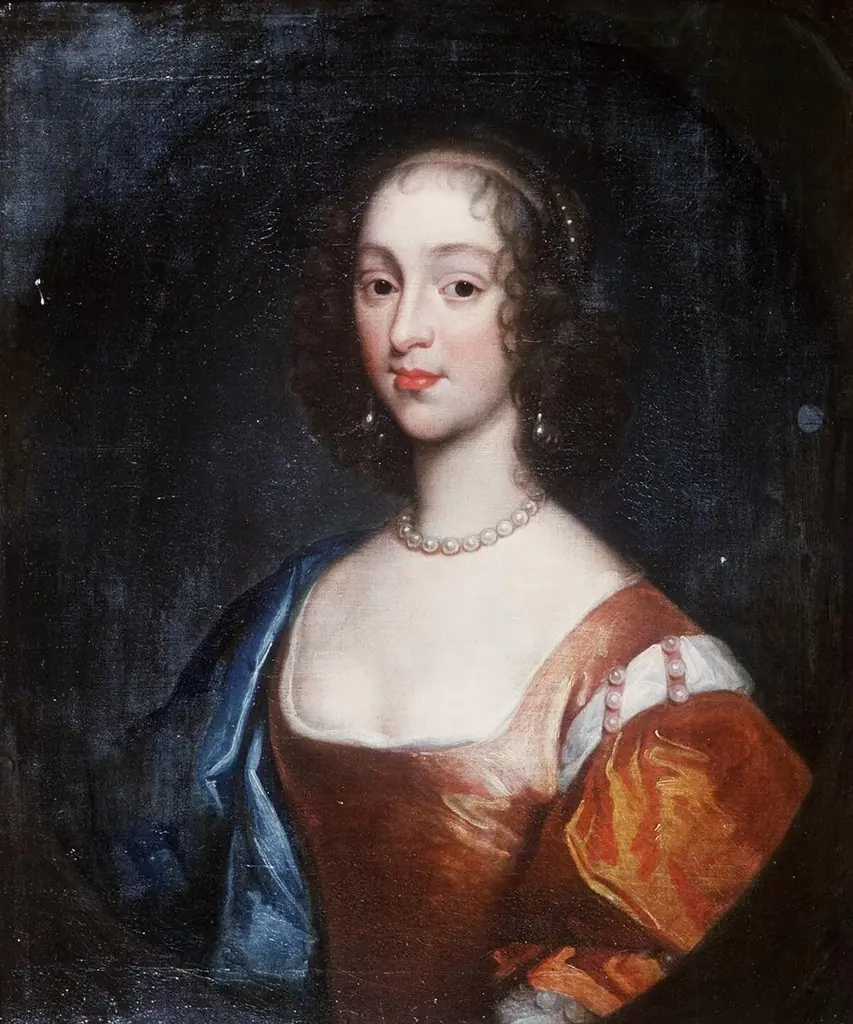 Wife of David Lloyd
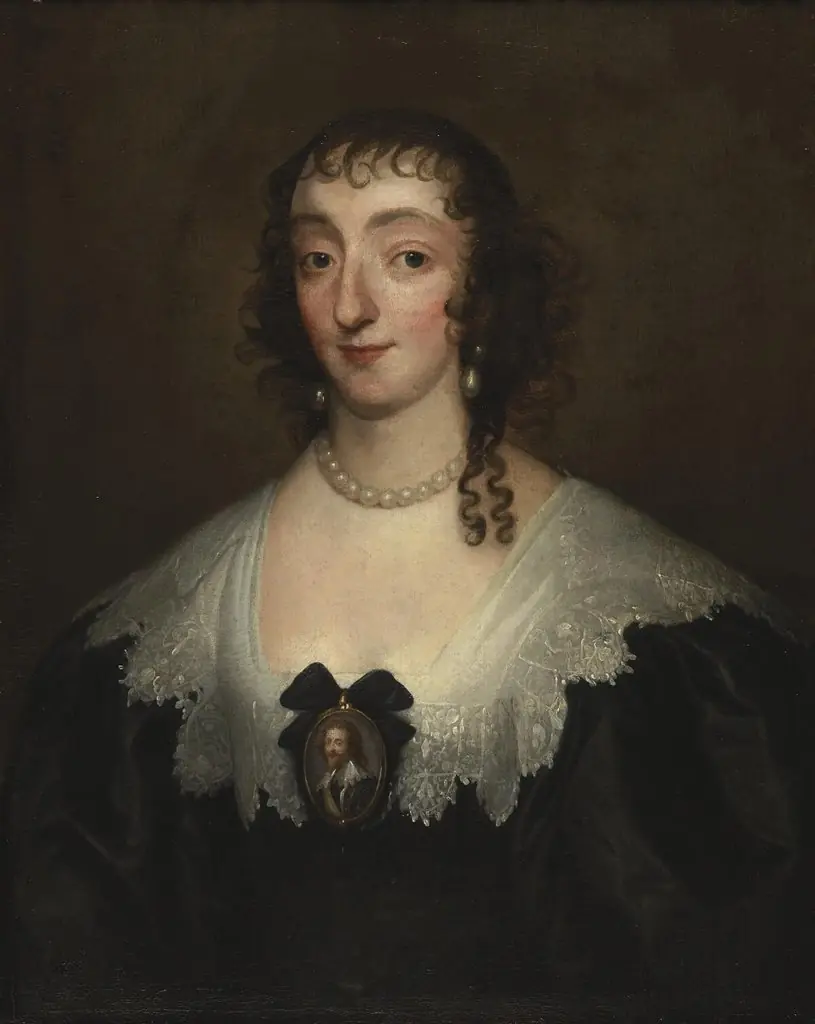 Katherine Manners
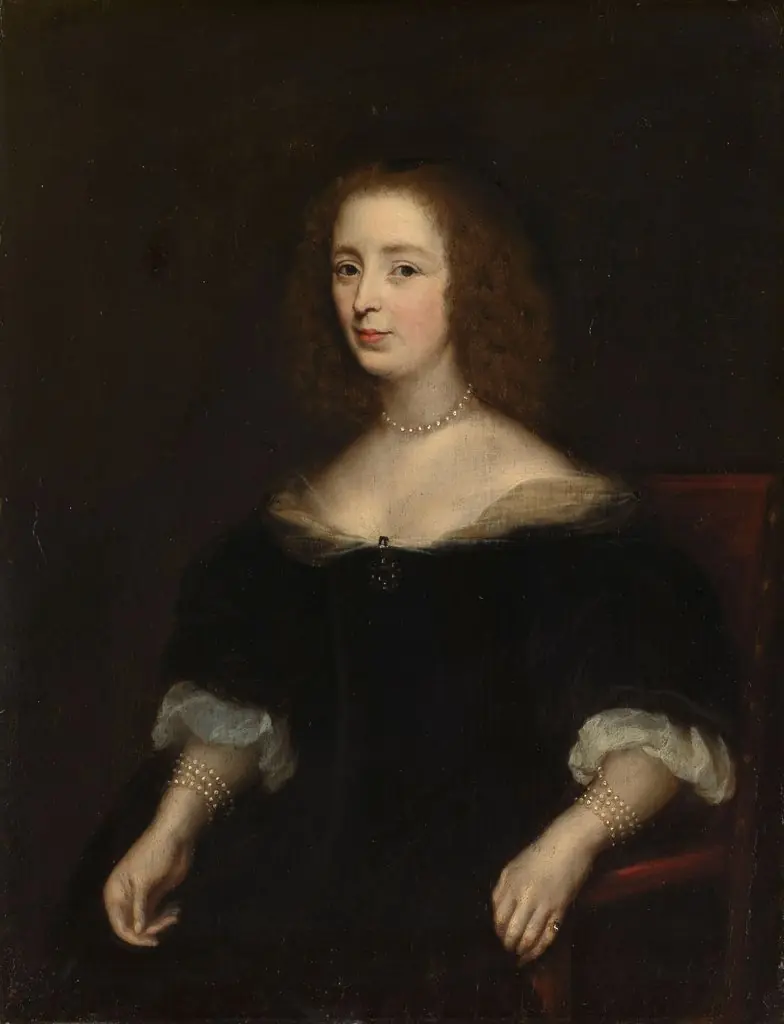 Portrait of Anna van den Corput, Wife of Jacob de Witt
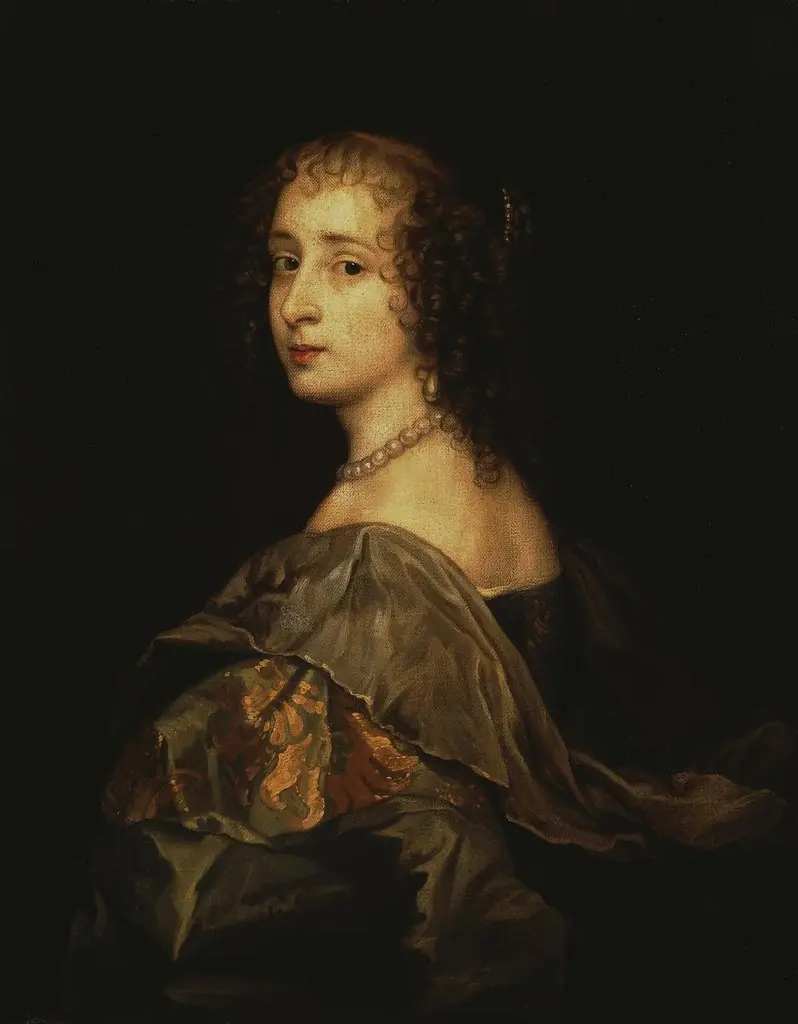 Portrait of a Woman
 Naisen muotokuva
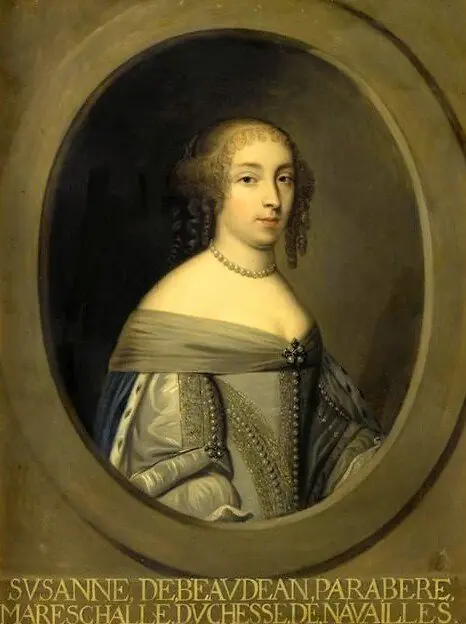 Portrait of Susanne de Baudéan (1625-1700)
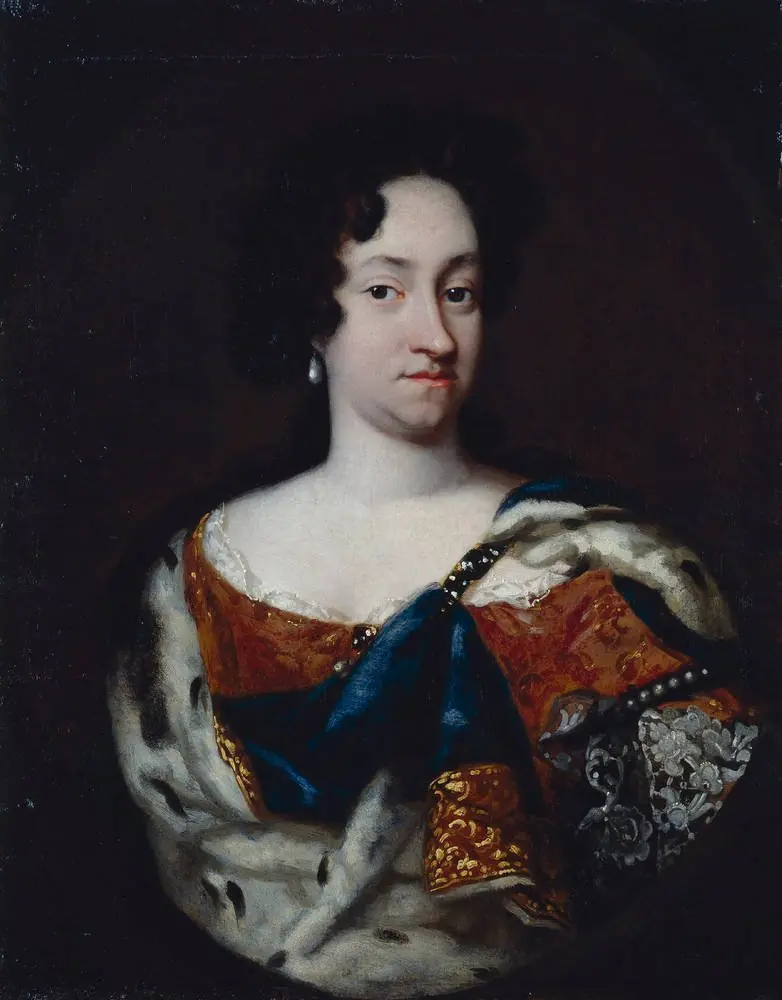 Anna Sophie of Denmark electress of Saxony
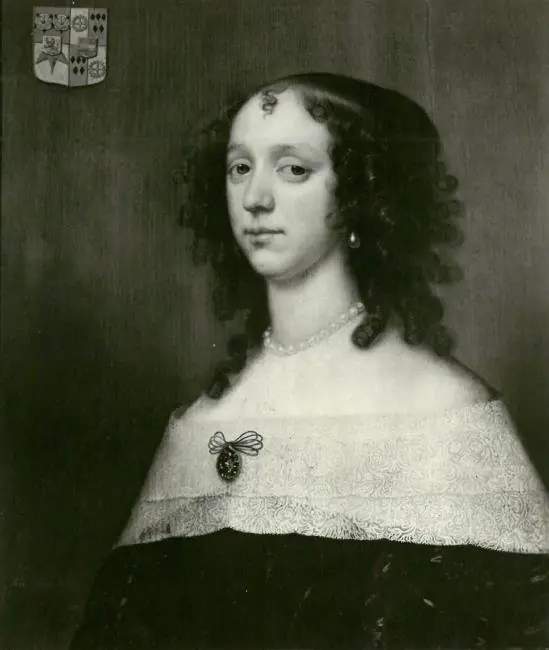 Portrait of Levina de Vrieze (d1700)
 Kuningatar Ulrika Eleonora vanhempi