Artwork
Κοινοί Τόποι Ι
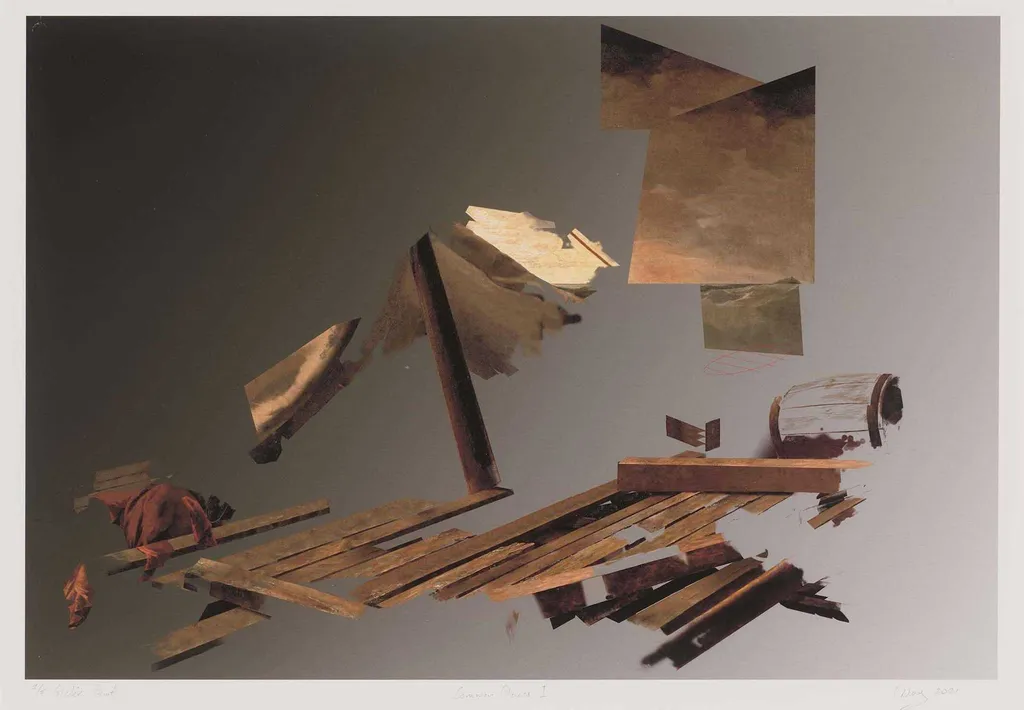
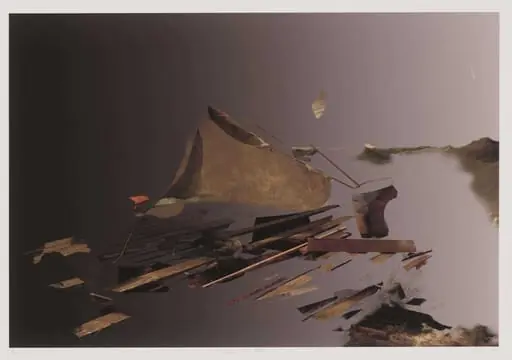
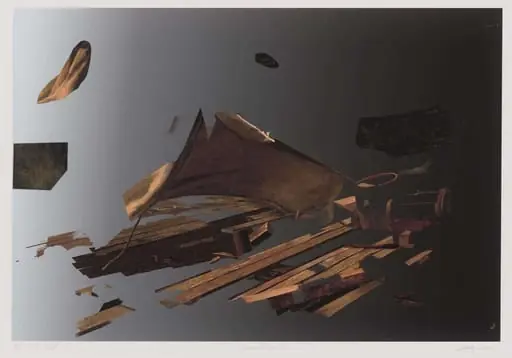
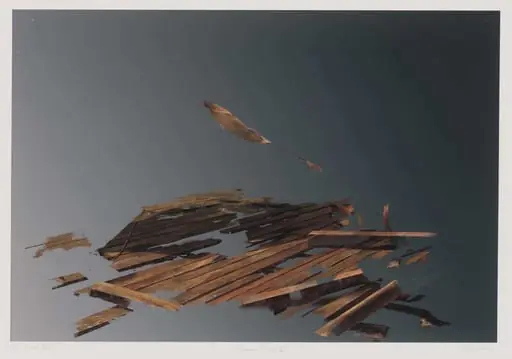
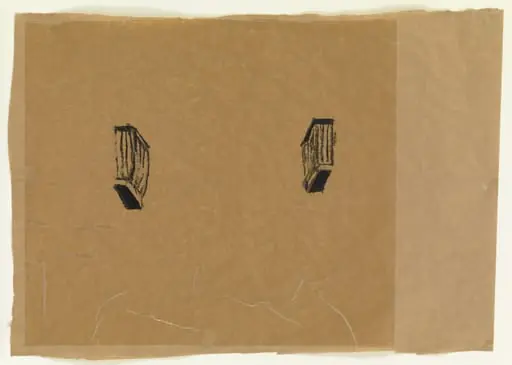
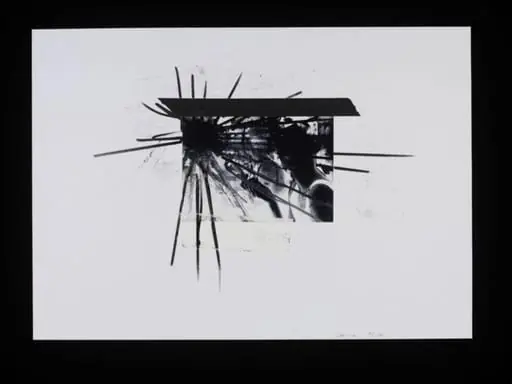
Κοινοί Τόποι Ι is a drawing by Ioannis Belimpasakis. It is held in the collection of the Metropolitan Organisation of Museums of Visual Arts of Thessaloniki – MOMus.
About this work
He keeps the horror but removes context, so the raft feels like a memory fading.
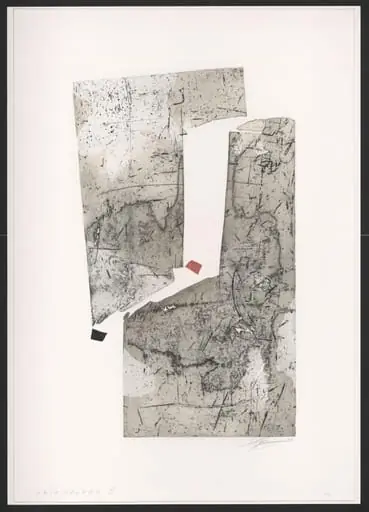
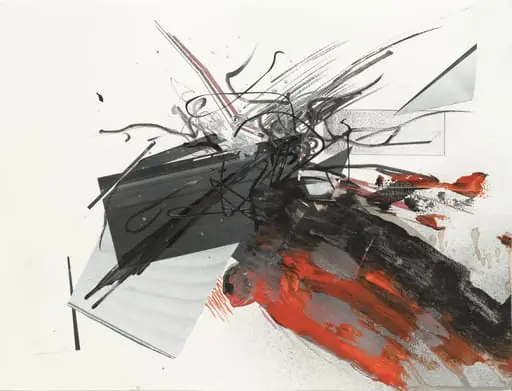
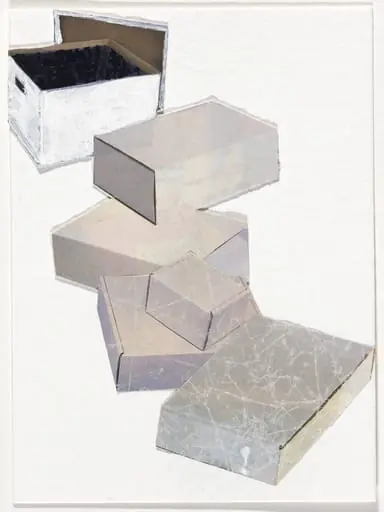
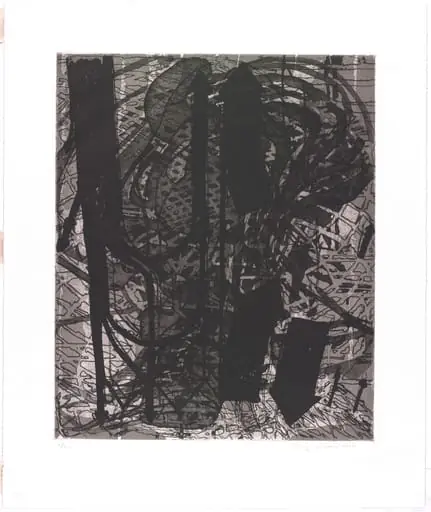
This drawing breaks Gericault’s famous raft scene into jagged fragments. Shapes float alone—no clear sky or sea—just sharp edges and empty space. You feel the original chaos but see it pulled apart.
Belimpasakis strips the painting down to its bones. He keeps the horror but removes context, so the raft feels like a memory fading.
If you like broken lines and raw emotion, look up Belimpasakis, Ioannis (1978).
Overview
Ioannis Belimpasakis’s 'Κοινοί Τόποι Ι' reconfigures Géricault’s 'The Raft of the Medusa' into a fractured visual field. Rather than reconstructing the original narrative, the work disassembles its composition into isolated, angular fragments. The result is a destabilized image where form and space are stripped of conventional context, evoking dislocation rather than drama.
Subject & Meaning
The piece engages with the enduring trauma of maritime displacement, drawing implicit parallels to contemporary Mediterranean migration crises. By dissolving the original scene’s narrative cohesion, Belimpasakis emphasizes the erosion of collective memory and the fragmentation of human experience under systemic neglect. The absence of horizon or sea reinforces a sense of abandonment, turning the raft into a symbol of unresolved loss.
Technique & Style
The work employs sharp, irregular lines and a restrained palette to dismantle Géricault’s volumetric composition. Forms are severed from their original spatial relationships, leaving isolated shapes suspended in void. Texture and contrast are heightened to amplify emotional tension, while the lack of unified perspective reinforces psychological disorientation over literal representation.
History & Provenance
The work is part of Belimpasakis’s broader 'Common Places' series, initiated in the 2010s, which re-examines canonical European paintings through the lens of contemporary displacement. This specific piece responds directly to Géricault’s 1819 painting, not as homage but as critical intervention. It was produced in Athens and has been exhibited in Greek and European institutions focused on post-conflict visual culture.
Context
Created amid rising Mediterranean migration and political instability in Europe, the work reflects a cultural moment in which historical tragedies are reactivated by present-day crises. Belimpasakis’s deconstruction mirrors broader artistic tendencies in Greece to interrogate inherited narratives through fragmentation, resisting heroic or sentimental interpretations of suffering.
Legacy
The piece contributes to a lineage of 21st-century reinterpretations of 19th-century history painting, prioritizing emotional residue over narrative closure. Its influence lies in its method: reducing iconic imagery to structural ruins invites viewers to confront absence as much as presence. It remains a reference point for artists examining memory, erasure, and the limits of representation in times of crisis.
Artist & collection
Artist
Museum
Metropolitan Organisation of Museums of Visual Arts of Thessaloniki – MOMus
Continue through works from the same source collection.