Artwork
Dempsey and Firpo
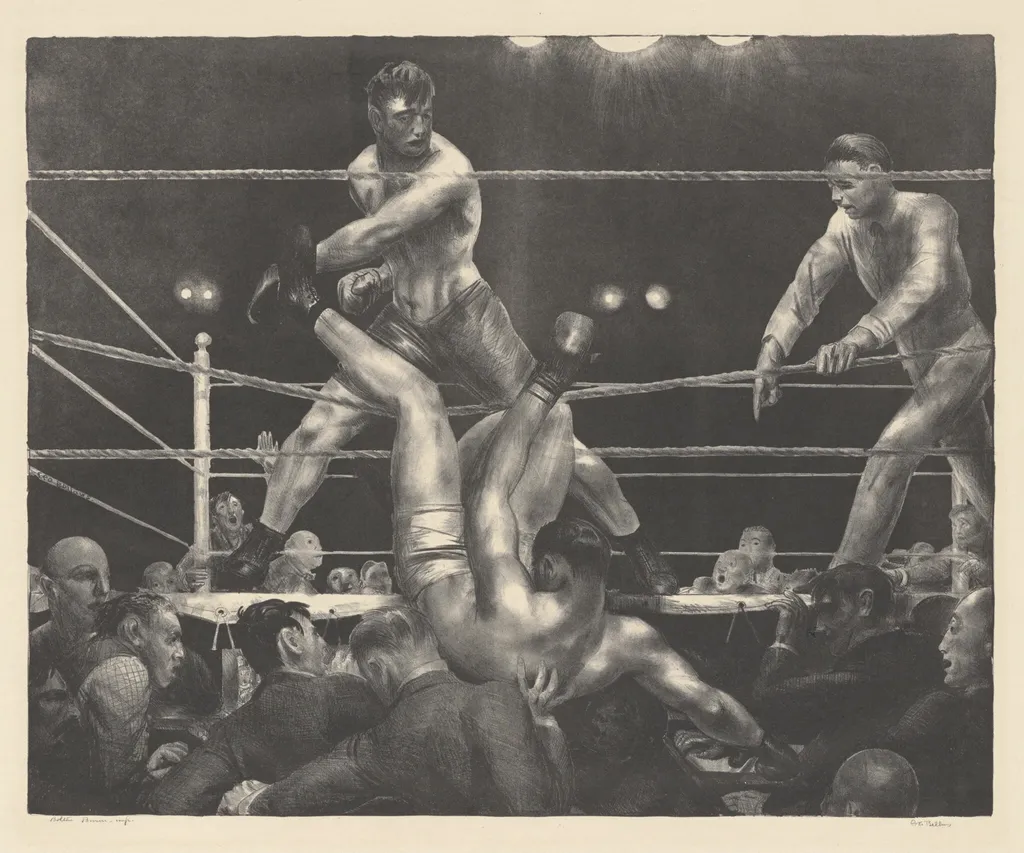
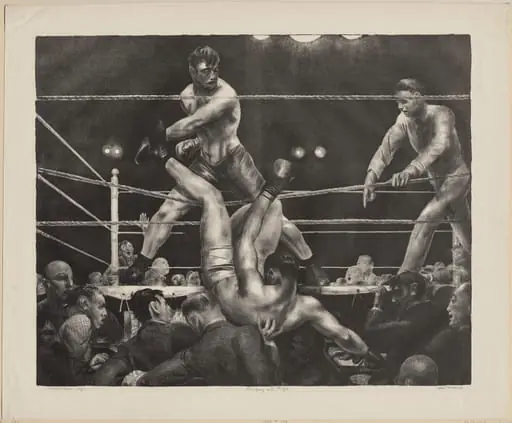
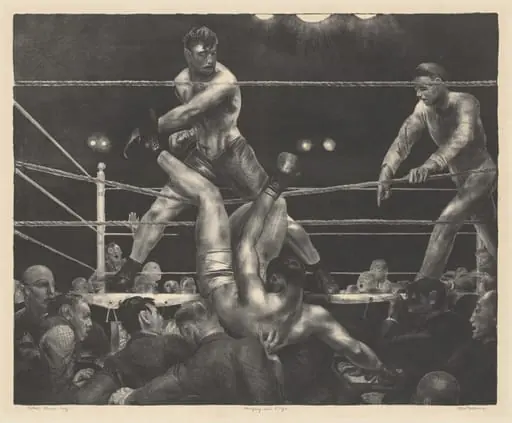
Dempsey and Firpo is an ink print by George Bellows. It dates from 1924 and is held in the collection of the National Gallery of Art.
About this work
Overview
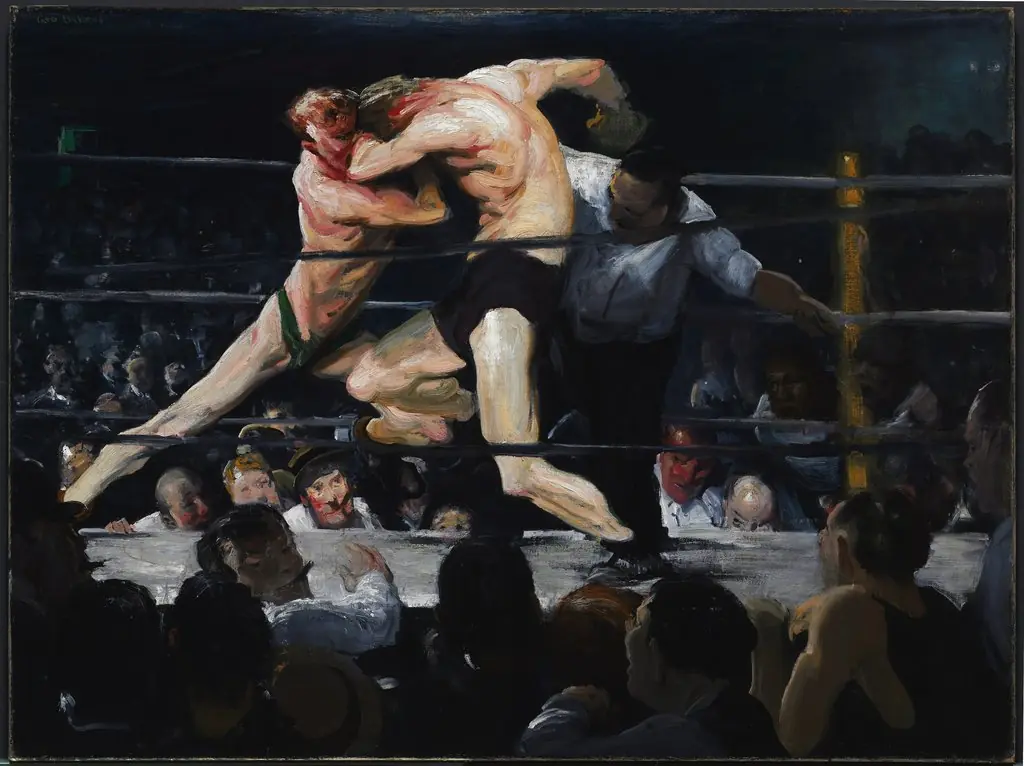
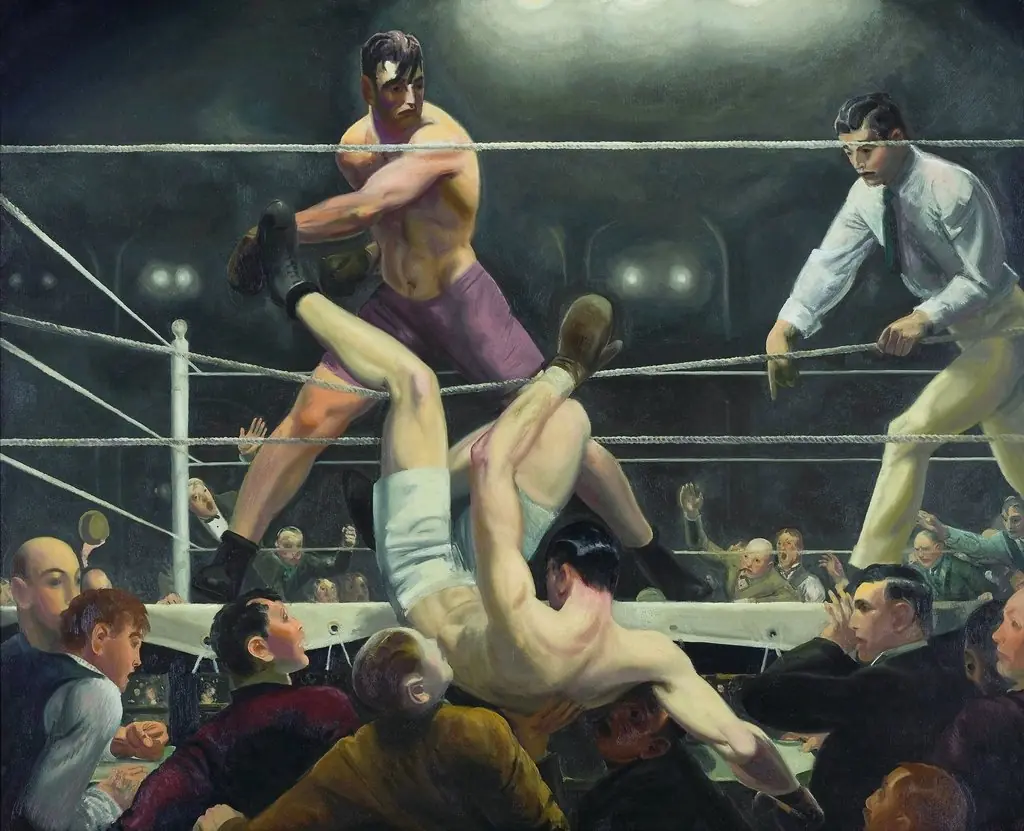
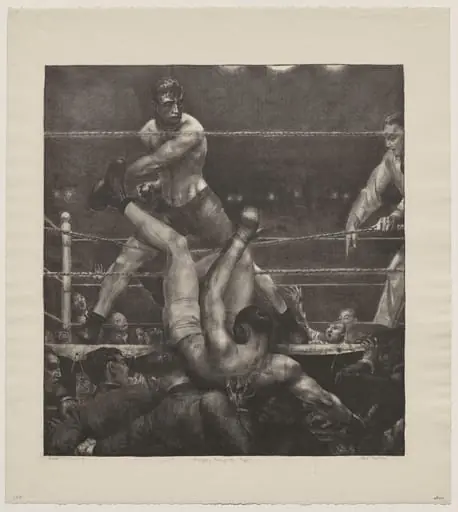
Created in 1924, this lithograph by George Bellows captures a moment from the 1923 heavyweight bout between Jack Dempsey and Luis Firpo.
Created in 1924, this lithograph by George Bellows captures a moment from the 1923 heavyweight bout between Jack Dempsey and Luis Firpo. Rendered in stark black ink on wove paper, the work translates the energy of live boxing into a dynamic two-dimensional composition. Bellows emphasizes motion and tension, freezing the fighters mid-action while the surrounding crowd leans in with collective intensity.
Subject & Meaning
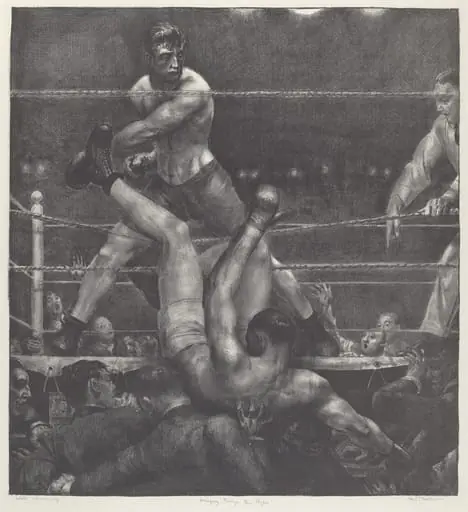
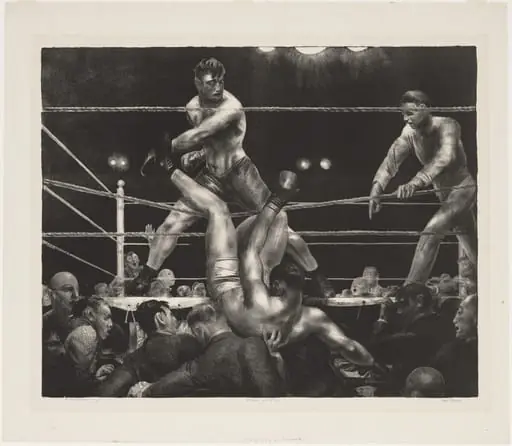
The scene depicts the instant when Firpo is knocked through the ropes, his body arcing outward as Dempsey delivers a powerful blow. The image conveys the brutality and spectacle of early 20th-century prizefighting, stripping away romanticism to reveal raw physicality. The crowd’s absorbed gaze underscores the public’s fascination with athletic endurance and violence as entertainment.
Technique & Style
Bellows employed lithography to achieve a gritty, urgent texture, using rapid, incised lines to suggest movement and shadow. The heavy contrast between black ink and white paper heightens the drama, while the loose, almost sketch-like rendering of figures and ropes conveys immediacy. The technique mirrors the spontaneity of the fight itself, avoiding polish in favor of visceral impact.
History & Provenance
Commissioned by the New York Evening Journal to illustrate the highly publicized Dempsey-Firpo match, the print was widely distributed as a newspaper supplement. Bellows, known for his urban scenes, used this commission to extend his interest in mass spectacle beyond canvas. The work entered public collections shortly after its creation, reflecting its cultural resonance.
Context
In the 1920s, boxing was a dominant form of popular entertainment, drawing enormous crowds and media attention. Bellows’s depiction aligns with a broader artistic interest in modern life’s raw edges, paralleling developments in journalism and cinema. The lithograph reflects a society captivated by physical prowess and the theatricality of competition.
Legacy
The print remains a key example of American modernist printmaking, illustrating how lithography could convey motion and emotion without color or detail. Bellows’s approach influenced later artists exploring urban energy and athletic drama. Its enduring presence in museum collections attests to its role in documenting the visual culture of early 20th-century America.
Own this work as a print
Artist & collection
Artist
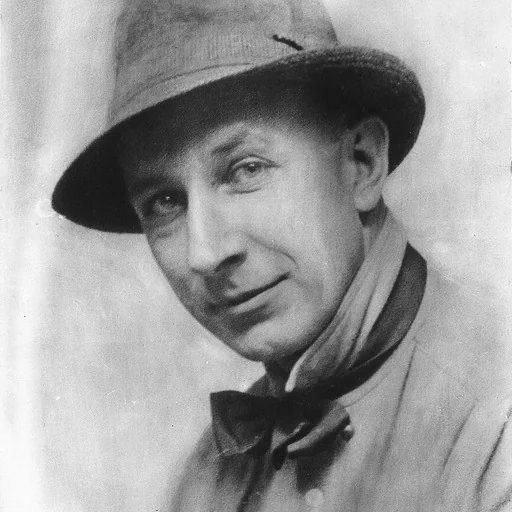
George Wesley Bellows (August 12 or August 19, 1882 – January 8, 1925) was an American realist painter, known for his bold depictions of urban life in New York City.