Artwork
Murder of Edith Cavell
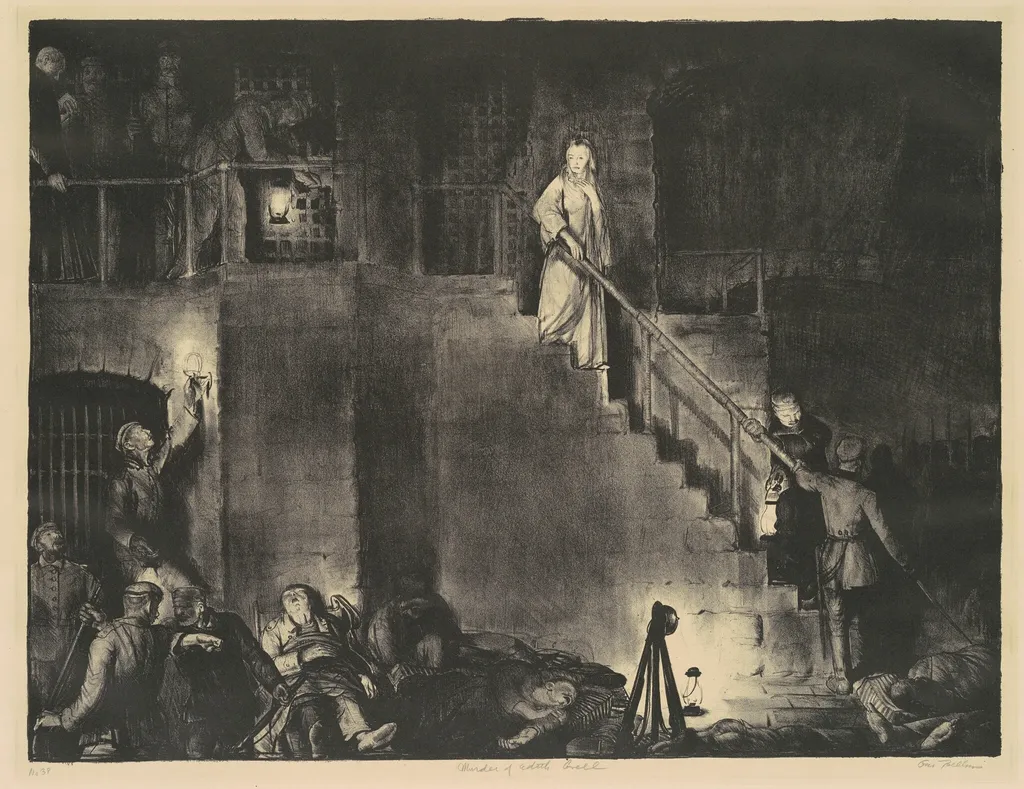
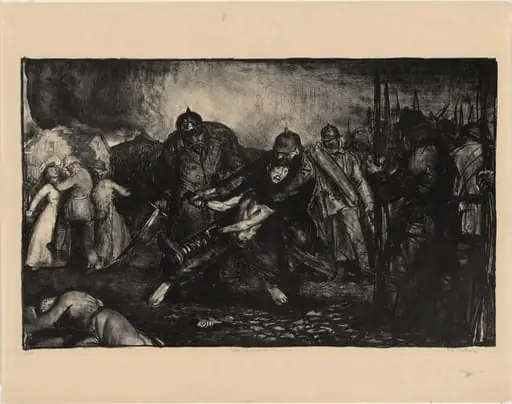
Murder of Edith Cavell is an ink print by George Bellows. It dates from 1918 and is held in the collection of the National Gallery of Art.
About this work
Overview
Rendered in black ink on wove paper and mounted on paperboard, the work belongs to the print medium and reflects Bellows’ engagement with wartime themes.
Created in 1918, this lithograph by George Bellows depicts the execution of Edith Cavell, a British nurse executed by German forces during World War I. Rendered in black ink on wove paper and mounted on paperboard, the work belongs to the print medium and reflects Bellows’ engagement with wartime themes. The composition captures the final moments of her life with stark emotional gravity, avoiding overt sentimentality in favor of somber realism.
Subject & Meaning
The scene portrays Edith Cavell standing on a platform in a prison cell, a noose around her neck, as two soldiers pull the rope. Figures around her kneel or avert their gaze, conveying collective dread and moral unease. The title anchors the image in historical fact: Cavell was executed for aiding Allied soldiers in escaping occupied Belgium. Bellows frames her death not as heroism, but as a quiet, institutional act of violence.
Technique & Style
Bellows employed lithography to achieve sharp contrasts between deep shadows and sparse highlights. The rough stone walls and textured floor are rendered with incised lines, enhancing the claustrophobic atmosphere. Light enters faintly from a distant doorway, illuminating only fragments of the scene. The figures are simplified yet emotionally charged, their postures suggesting resignation and complicity without melodrama.
History & Provenance
The print was produced in 1918, during the final year of World War I, as Allied propaganda sought to highlight German brutality. Bellows, known for urban realism, turned to political subjects in response to the war. The work was likely distributed in publications or exhibitions aimed at shaping public opinion. Its survival in institutional collections suggests early recognition of its documentary weight.
Context
Cavell’s execution in October 1915 became a symbol in Allied narratives, used to galvanize support for the war effort. Bellows’ depiction aligns with contemporary American and British media portrayals that emphasized her martyrdom. Unlike overtly propagandistic images, however, his lithograph avoids triumphalism, focusing instead on the mechanical, impersonal nature of state-sanctioned killing.
Legacy
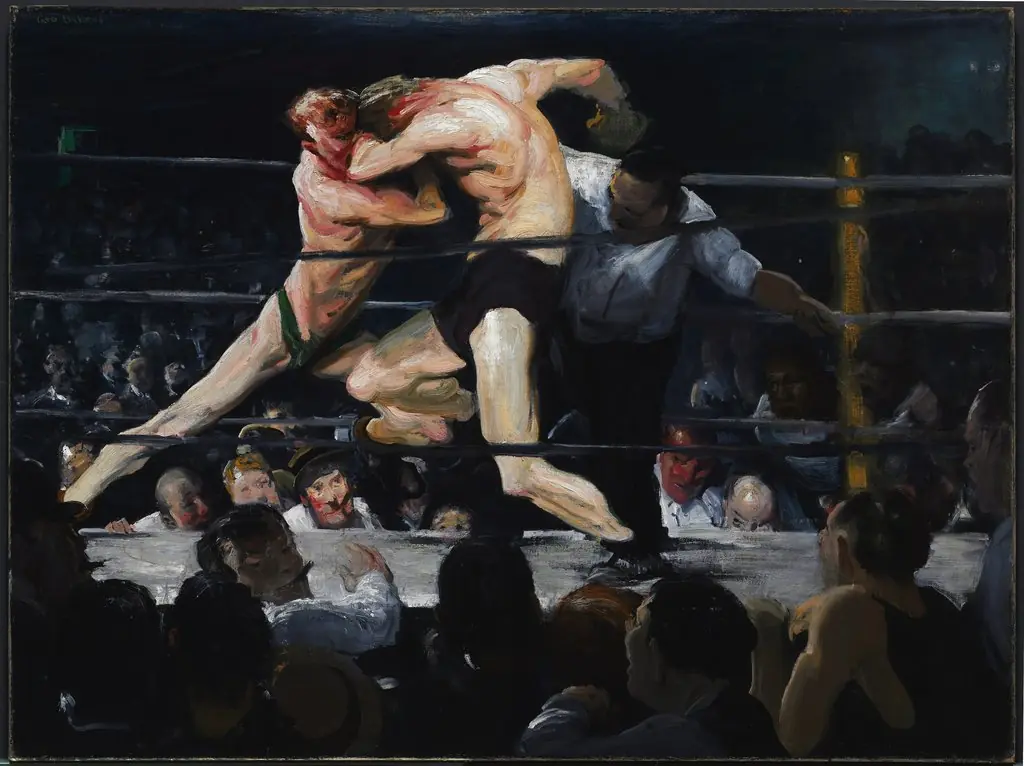
The print remains a rare example of Bellows’ engagement with international political events. While less known than his boxing or urban scenes, it demonstrates his capacity to translate historical trauma into visual restraint. It is now held in museum collections as a document of early 20th-century printmaking and wartime memory, valued for its unembellished tone and historical specificity.
Own this work as a print
Artist & collection
Artist
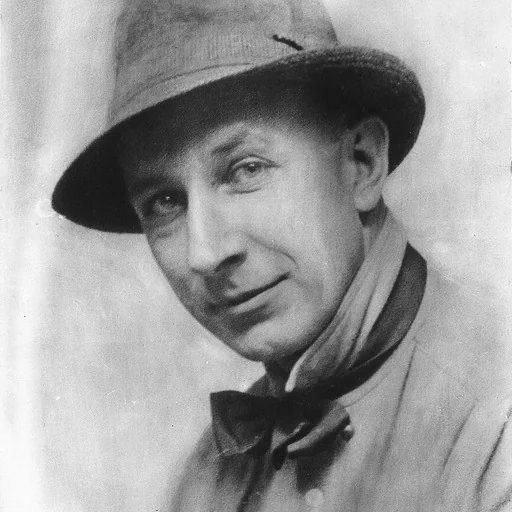
George Wesley Bellows (August 12 or August 19, 1882 – January 8, 1925) was an American realist painter, known for his bold depictions of urban life in New York City.

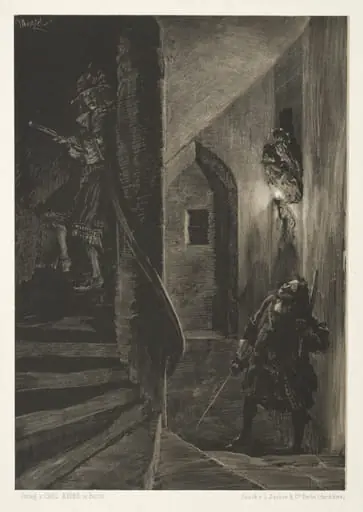 Essay on Stone with Brush and Scraper: Chase on the Winding Staircase
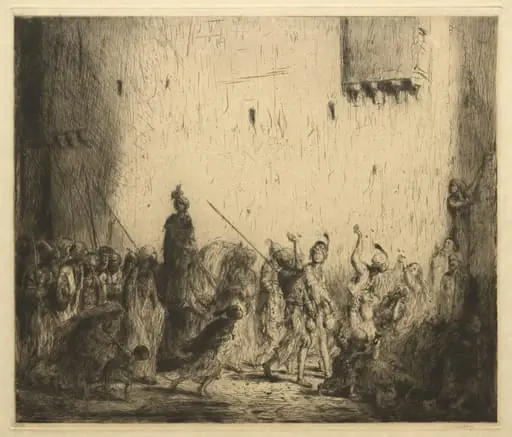 A Prince
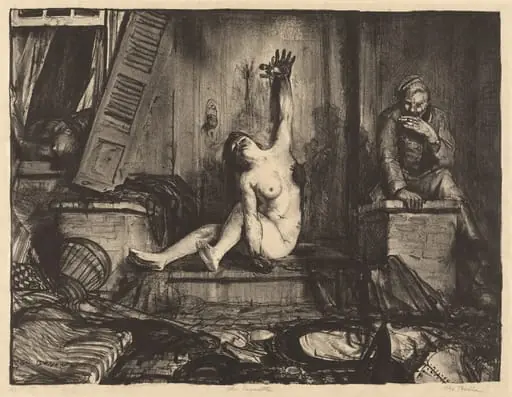 The Cigarette
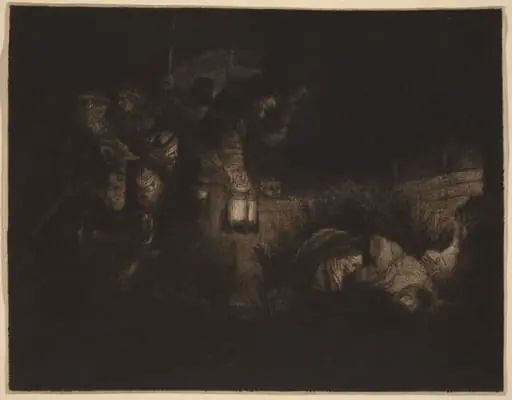 The Adoration of the Shepherds: a Night Piece
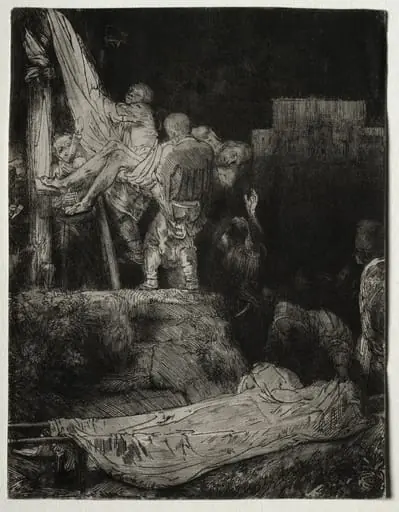 The Descent from the Cross by Torchlight
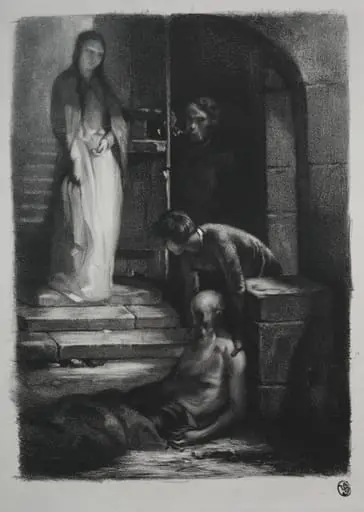 The Prisoner
 The Germans Arrive
 Procession Leaving a Church (La sortie de la procession)
 Prospettiva della Scala della conserva d'acqua de' già detti alloggiamenti, accennati in pianta nella Tav. XIII con la lett. G.
 The Entombment