Artwork
Portrait of Kaiser Joseph I. (1678-1711) at the age of six
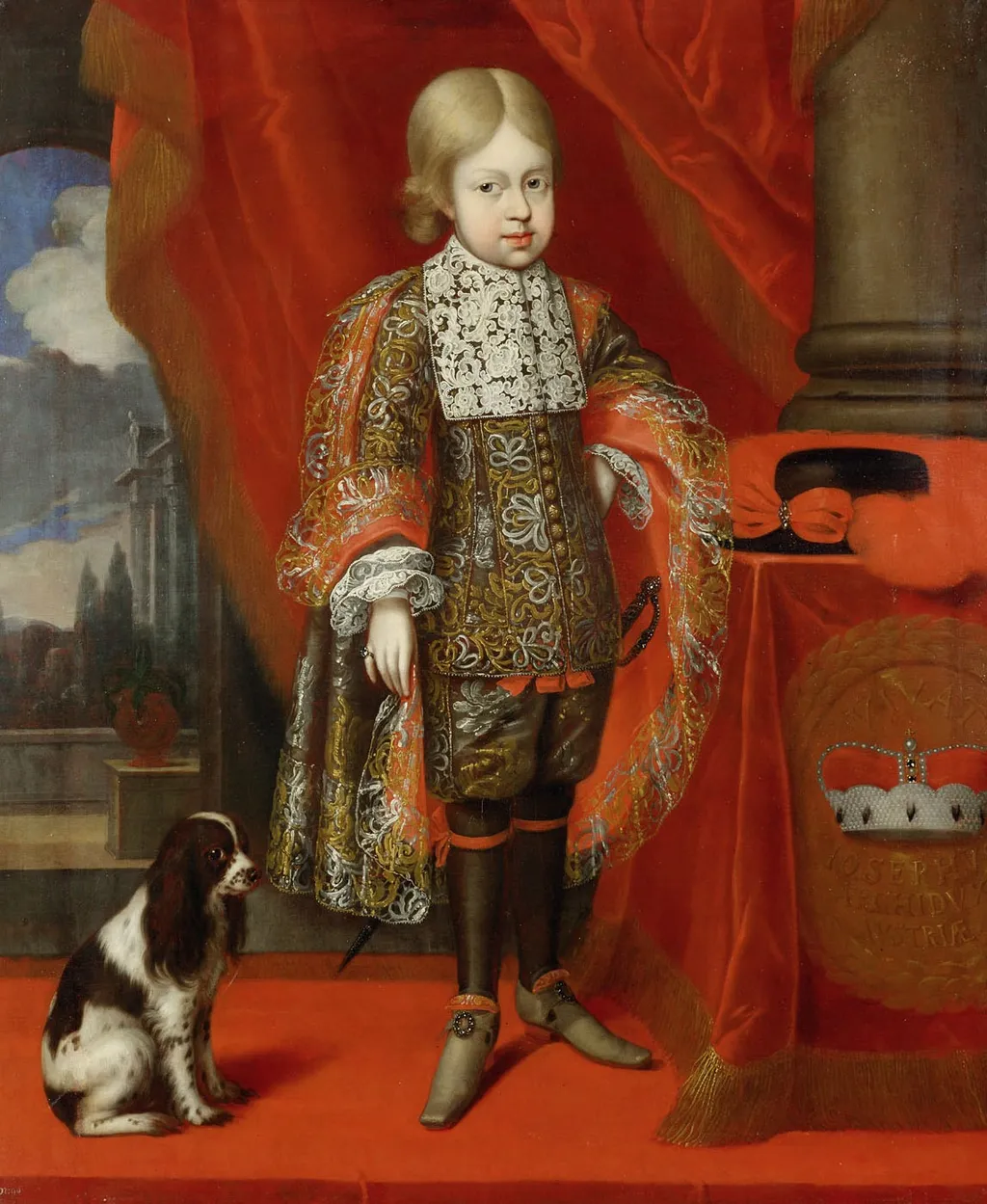
Portrait of Kaiser Joseph I. (1678-1711) at the age of six is an oil painting by the Flemish Baroque painting artist Benjamin Block. It is held in the collection of the Kunsthistorisches Museum.
About this work
Overview
Painted in 1692 by Benjamin Block, this oil portrait captures Joseph I, Holy Roman Emperor, as a six-year-old.
Painted in 1692 by Benjamin Block, this oil portrait captures Joseph I, Holy Roman Emperor, as a six-year-old. Block, active in Central Europe during the Baroque era, specialized in aristocratic portraiture. The work is part of the Kunsthistorisches Museum’s collection and reflects the visual language of courtly representation in the late 17th century, blending Flemish influences with Habsburg ceremonial traditions.
Subject & Meaning
The young Joseph is depicted with composed dignity, his posture and gaze suggesting early preparation for rulership. The crown and bust on the shelf behind him symbolize imperial lineage, while the dog at his feet may signify loyalty or companionship. His elaborate attire and polished shoes emphasize privilege, not childhood innocence, reinforcing the message that even in youth, he was a vessel of dynastic authority.
Technique & Style
Block employs refined brushwork to render the textures of embroidered silk, polished leather, and metallic thread. Light falls subtly across the boy’s face and garments, creating volume without dramatic contrast. The background’s red curtain and distant window add spatial depth, while the still-life elements—crown, bust, and dog—are rendered with quiet precision, avoiding theatricality in favor of restrained grandeur.
History & Provenance
Commissioned during Joseph’s childhood, the portrait likely served to affirm his status within the Habsburg court before his accession in 1705. It remained in imperial collections, eventually entering the Kunsthistorisches Museum in Vienna, where it has been preserved as part of the dynasty’s visual archive. Its survival reflects the value placed on early images of heirs to the throne.
Context
In late 17th-century Europe, portraits of royal children were political tools, not merely personal mementos. Joseph’s image was circulated to reinforce legitimacy and continuity. The Flemish Baroque style, known for its attention to detail and material richness, was favored by Habsburg patrons for its ability to convey power through visual luxury and symbolic objects.
Legacy
The portrait endures as a quiet testament to the early socialization of monarchy. It illustrates how childhood was framed within dynastic duty rather than personal development. Block’s restrained approach influenced later court painters who sought to balance youth with authority, avoiding sentimentality in favor of solemn representation.
Artist & collection
Artist
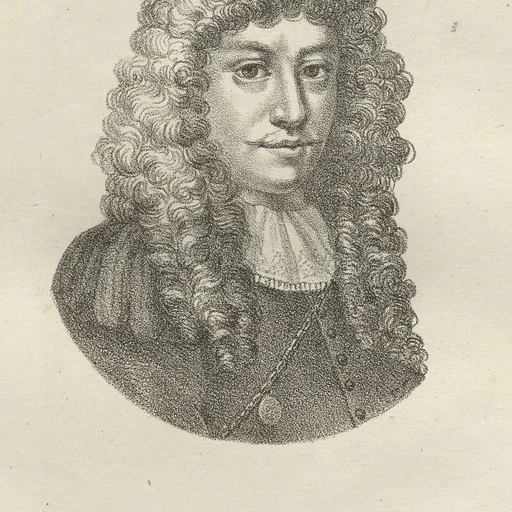
Benjamin Block or Blok (1631–1690) was a seventeenth-century German-Hungarian Baroque painter who married the flower painter Anna Katharina Block. He is known for his portrait paintings.

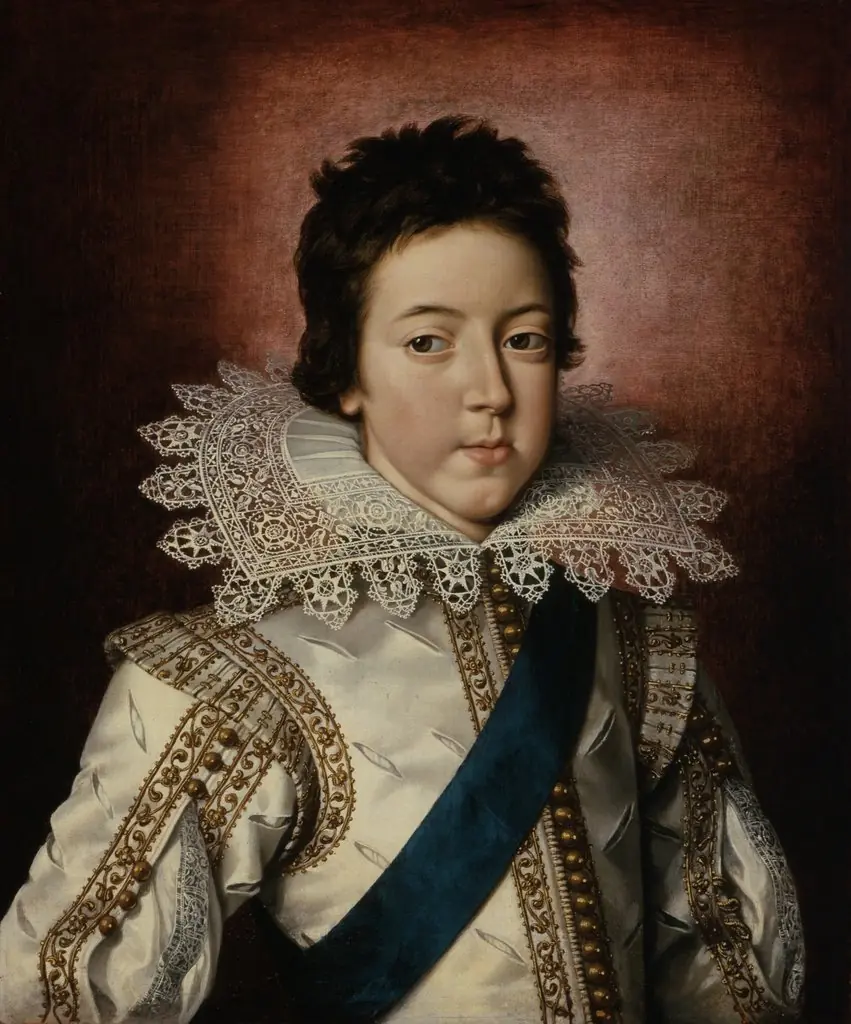 Portrait of Louis XIII, King of France as a Boy
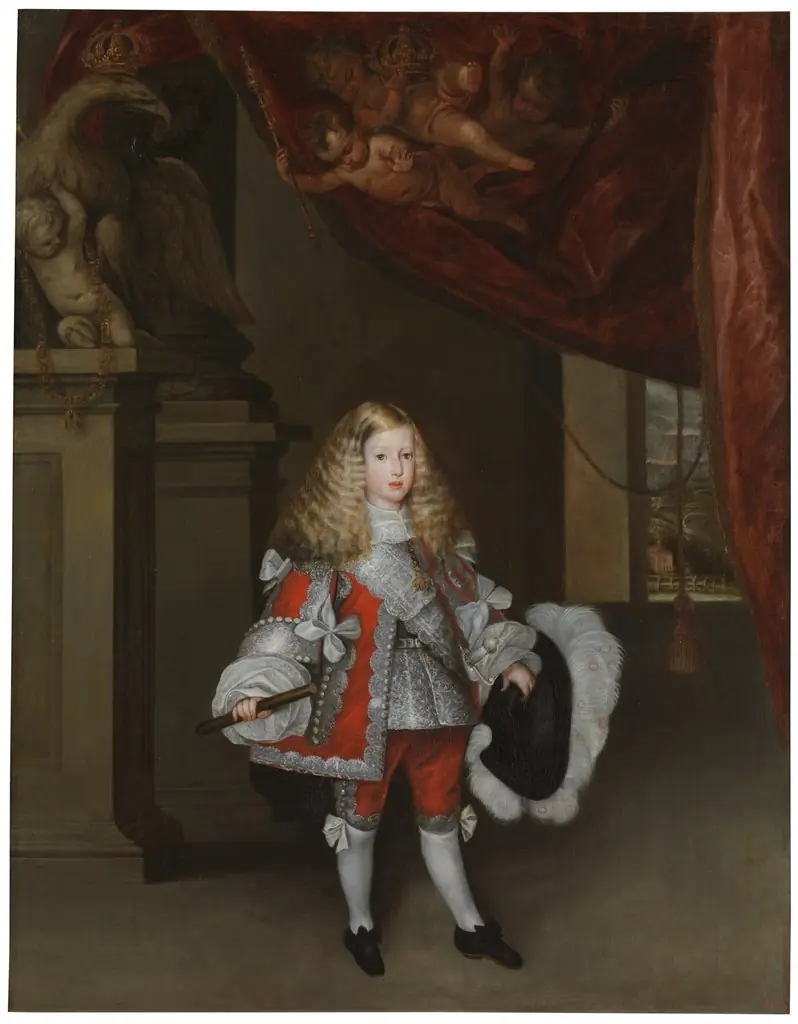 Charles II as a Child
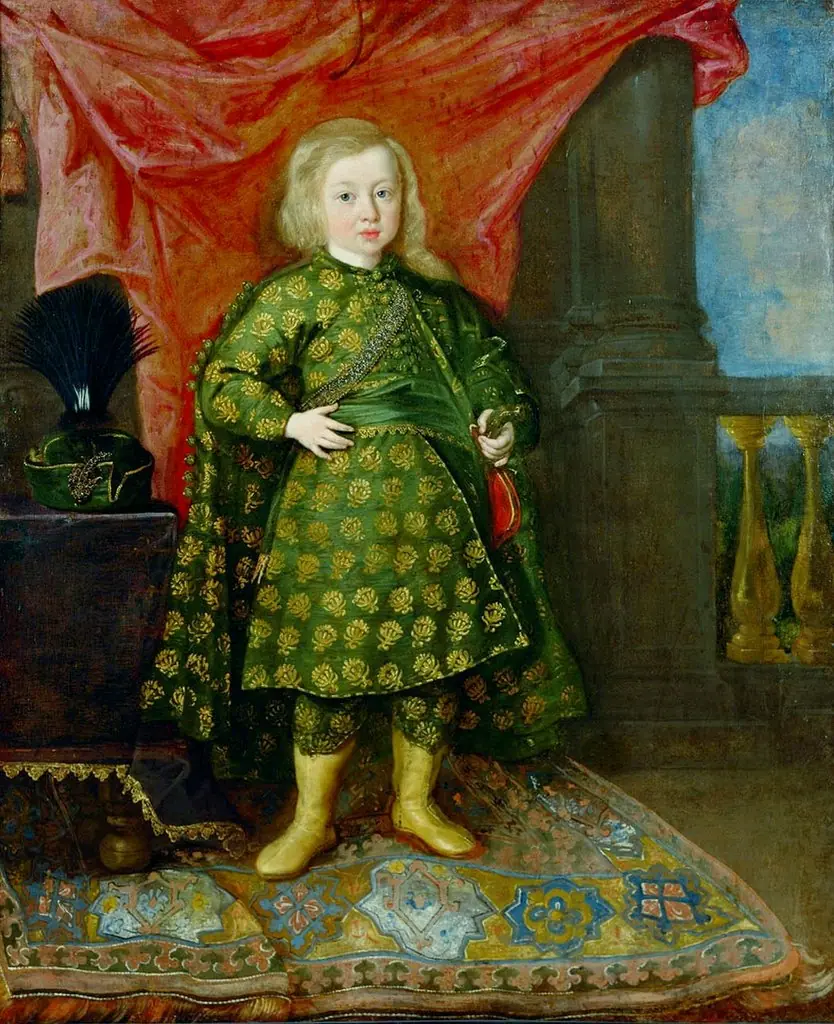 Portrait of Sigismund Casimir Vasa
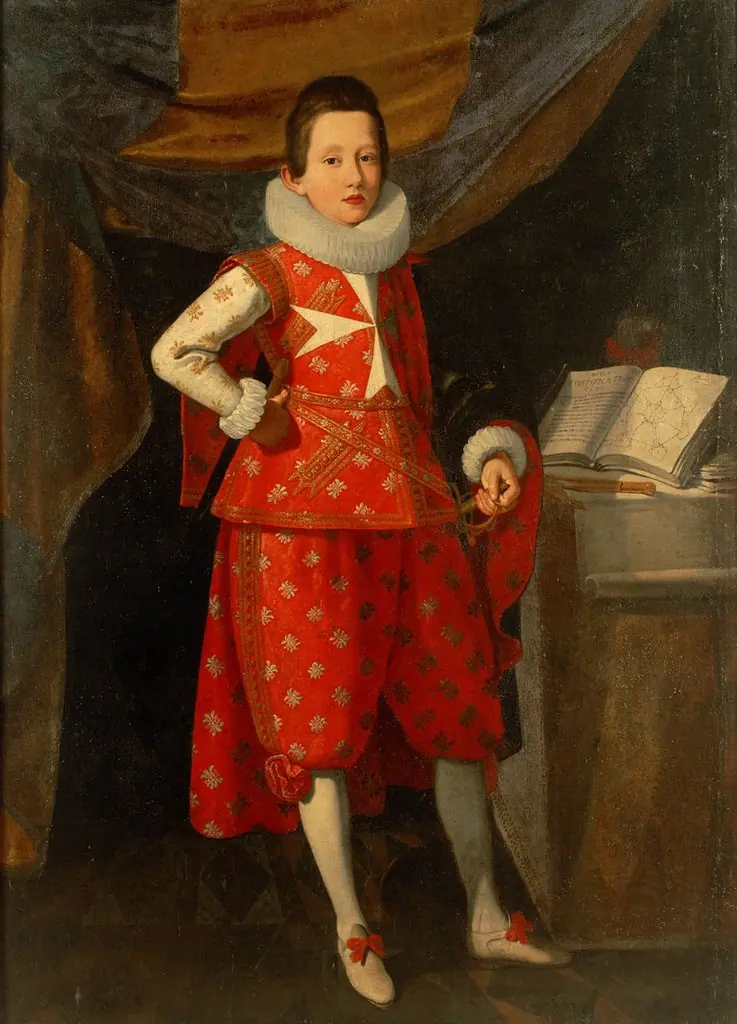 Giancarlo de' Medici (1611-1663), Cardinal, at the age of 10.
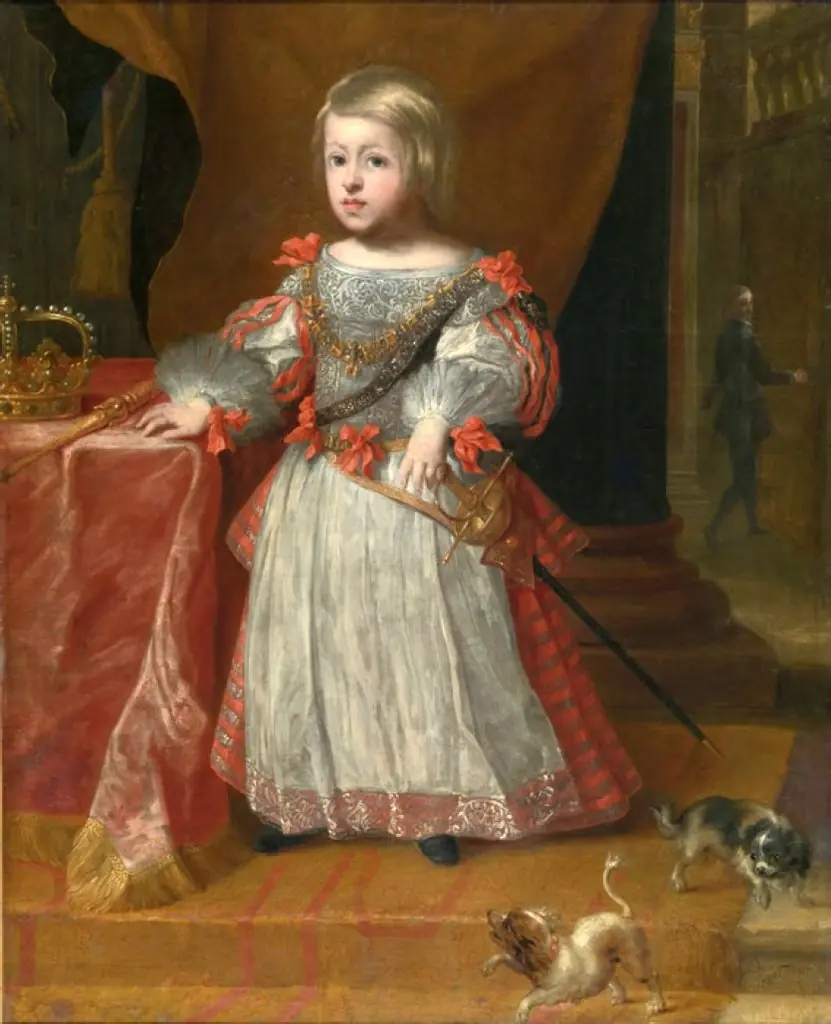 Childhood portrait of Charles II of Spain
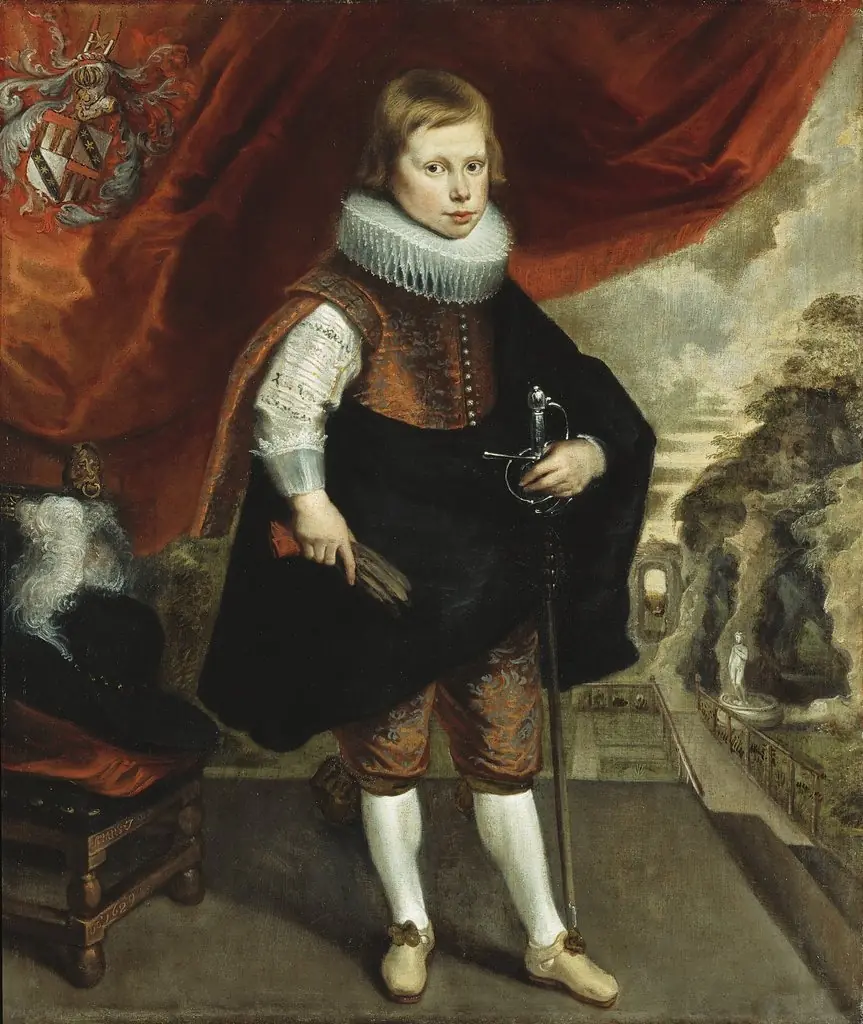 A Boy
A Boy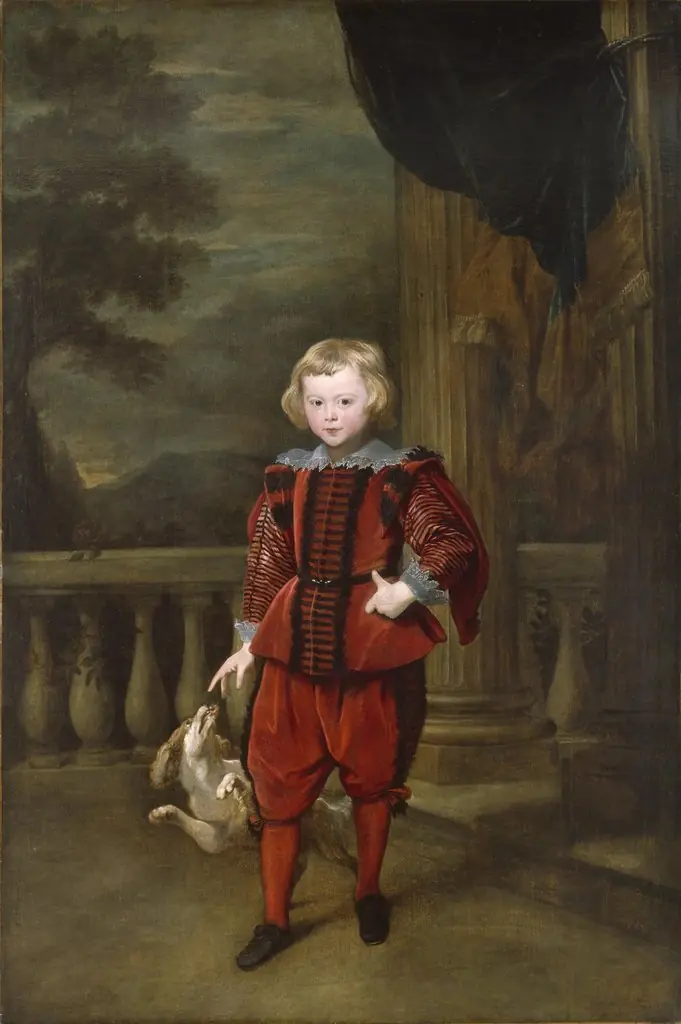 A Boy Standing on a Terrace
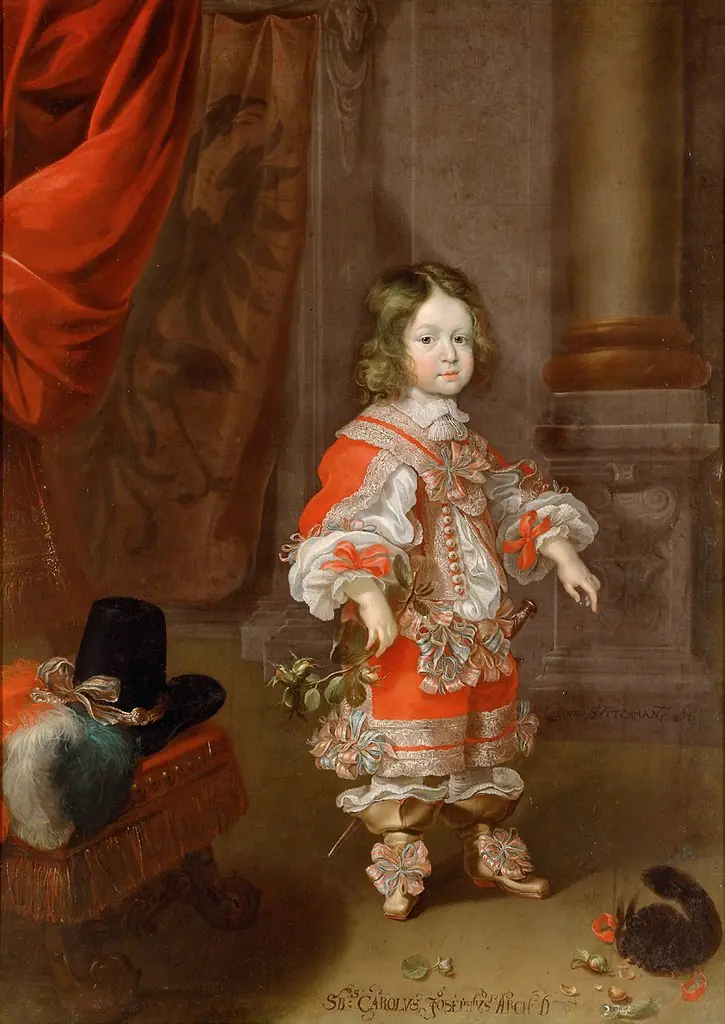 Erzherzog Karl Joseph (1649-1664) mit Eichhörnchen, im Alter von vier bis fünf Jahren
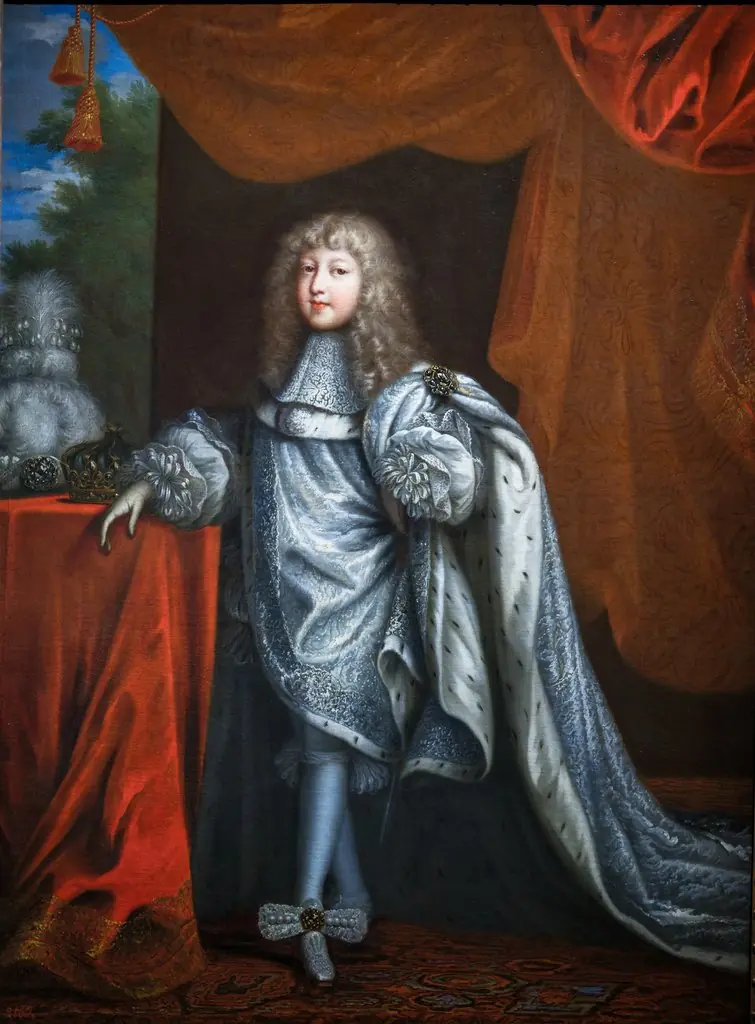 Louis of France, the Grand Dauphin
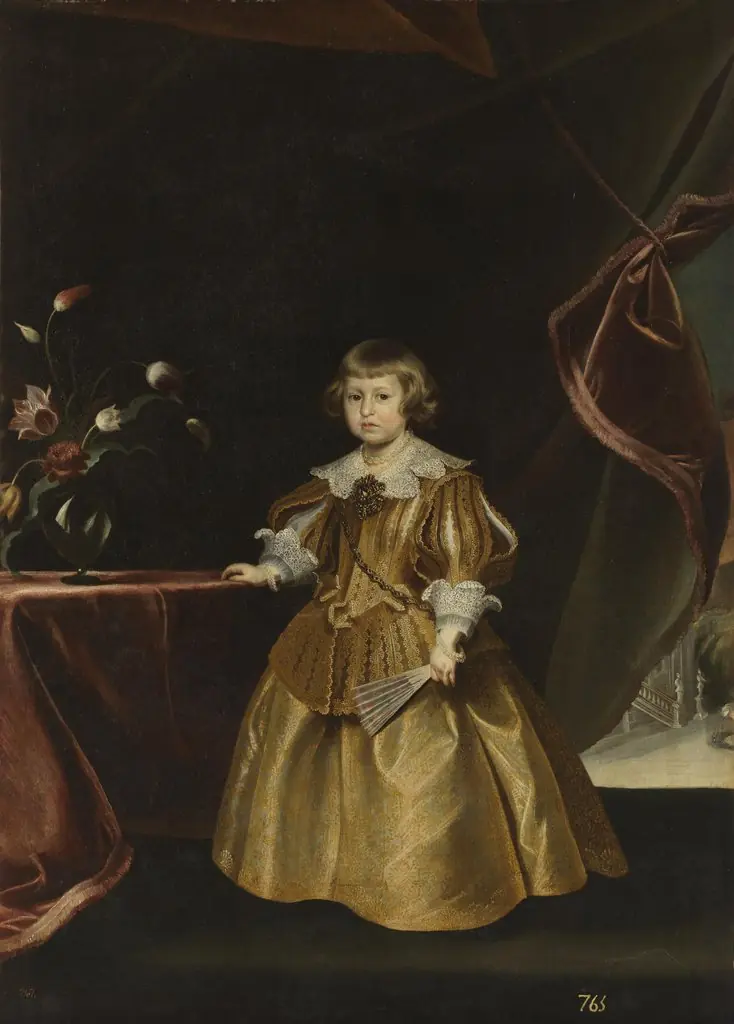 Portrait of an infanta