Artwork
Louis of France, the Grand Dauphin
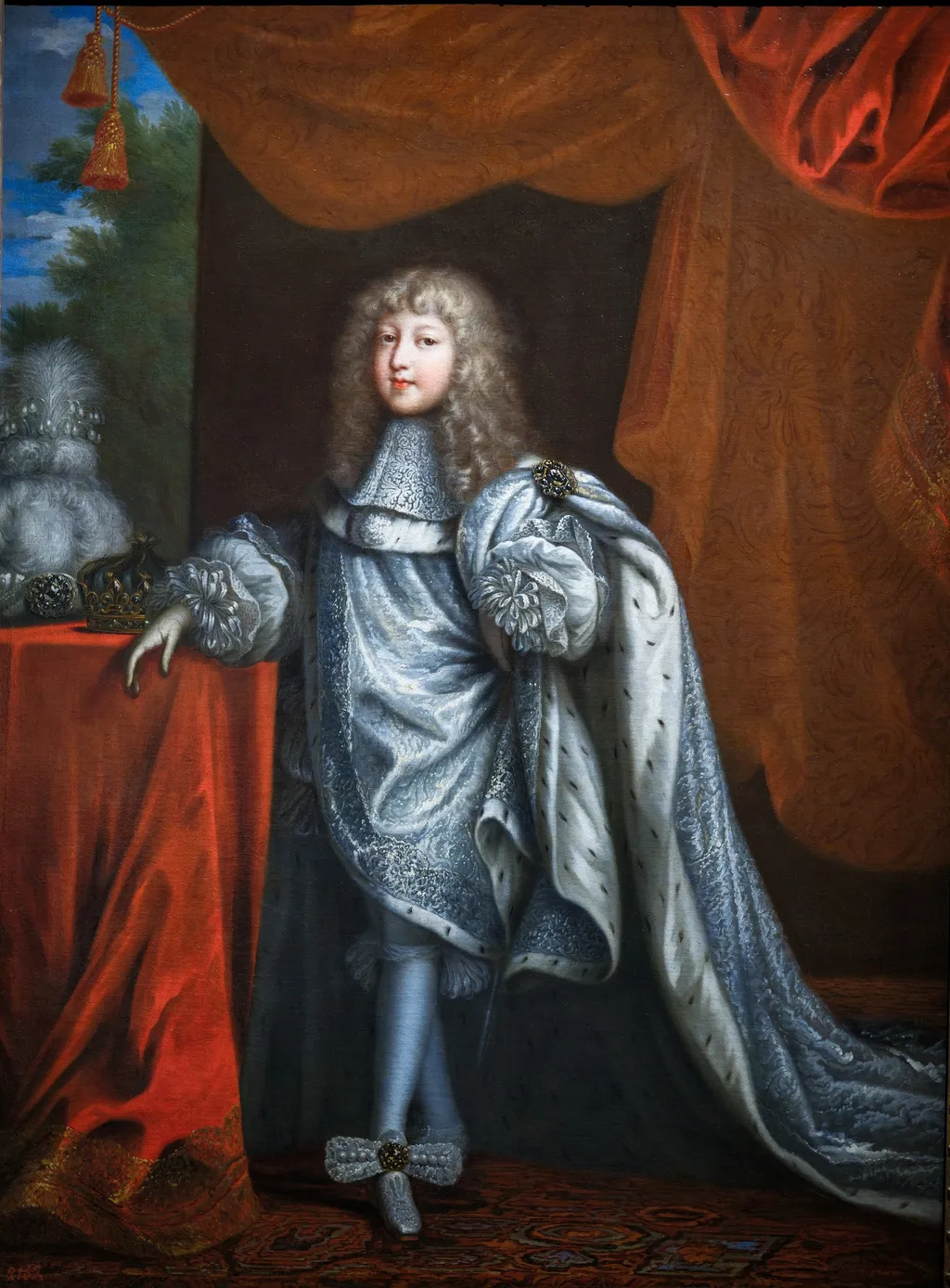
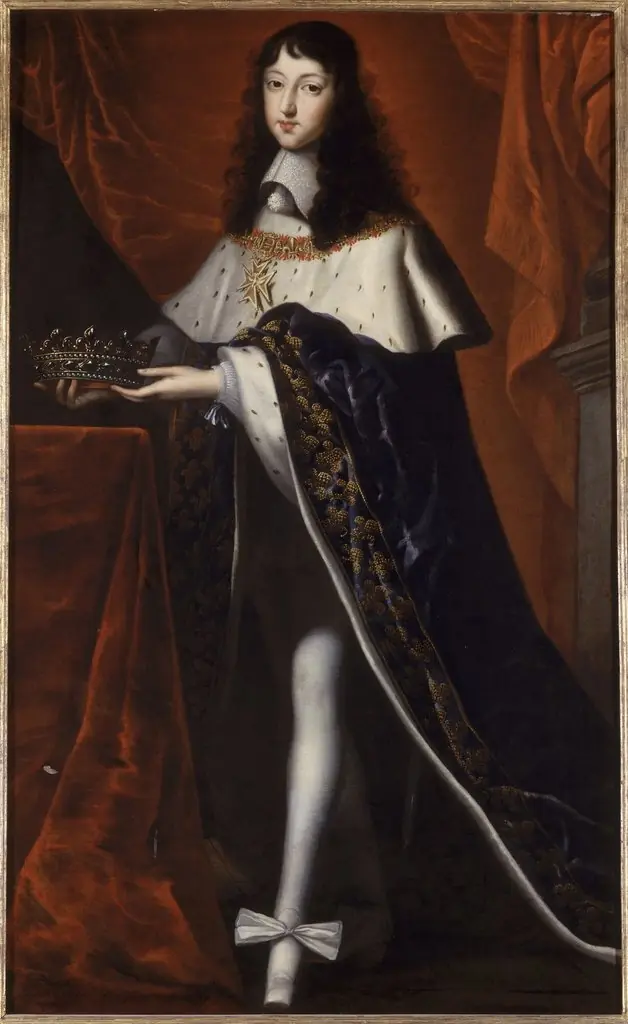
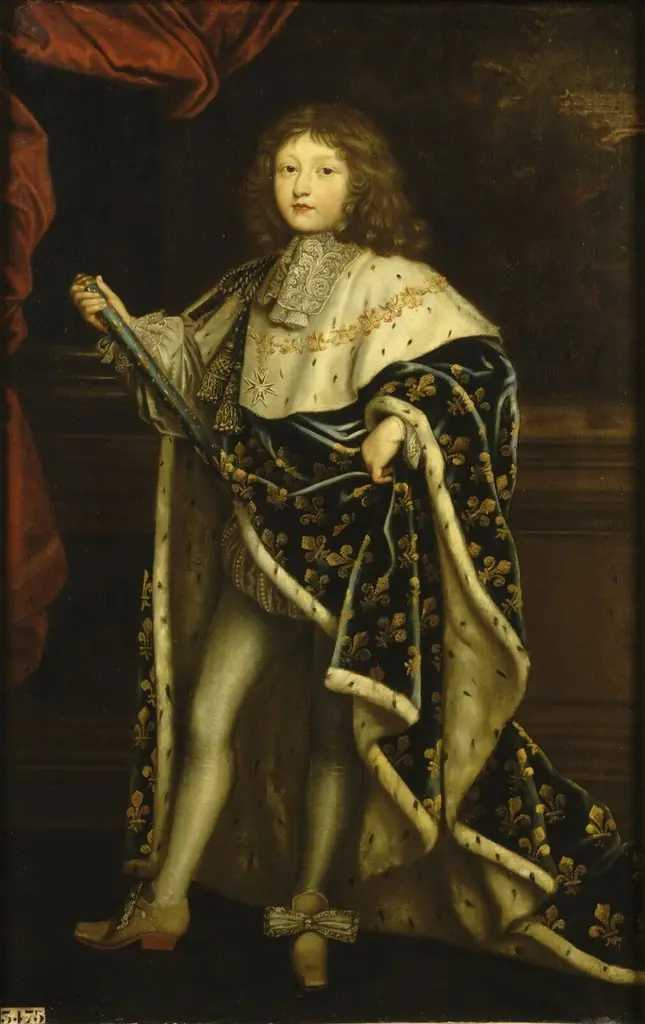
Louis of France, the Grand Dauphin is an oil painting by the French Classical Baroque artist Jean Nocret. It dates from 1668 and is held in the collection of the Museo del Prado. Jean Nochet, a French court painter of the mid‑1600s, executed this oil portrait in 1668.
About this work
Overview
Jean Nochet, a French court painter of the mid‑1600s, executed this oil portrait in 1668. The work presents Louis, the Grand Dauphin, the eldest son of Louis XIV and heir apparent, in a formal, state‑like pose typical of royal portraiture of the era. The canvas now belongs to the Museo del Prado in Madrid.
Subject & Meaning
The sitter is the young Louis of France, identifiable by his light, curly hair and the regal attire that signals his status as the future king. He stands before a red drapery and a painted landscape, his gaze turned leftward, suggesting contemplation of his future responsibilities.
Technique & Style
Executed in the French Classical Baroque idiom, the painting combines meticulous surface detail with a smooth, idealised finish. Nochet renders the sumptuous blue‑white costume, intricate embroidery and the plush cape with fine brushwork, while the background curtain and landscape are rendered in a softer, atmospheric manner.
History & Provenance
Created for the French royal household, the portrait remained in the collection of the monarchy before entering the Spanish national collection. It was acquired by the Museo del Prado, where it is displayed among other 17th‑century European court portraits.
Context
The portrait reflects the conventions of 17th‑century French court art, where the heir was depicted with symbols of authority—such as the crown placed on a nearby table—and dressed in luxurious fabrics to convey dynastic continuity and the absolute power of the Bourbon line.
Own this work as a print
Artist & collection
Artist
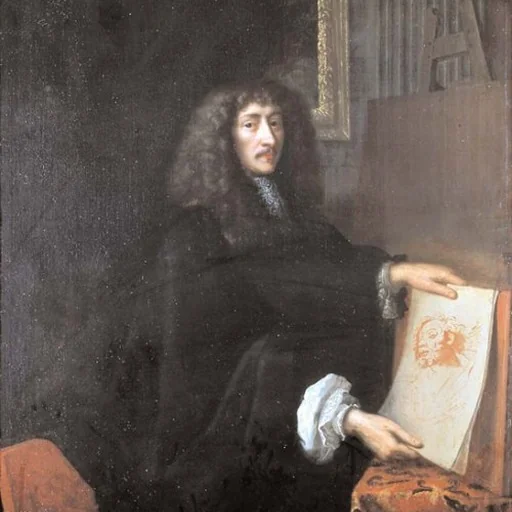
Jean Nocret (December 1615/17, Nancy – November 1672, Paris) was a French painter, known for his portraits of the French royal family. Many portraits of uncertain origin have been attributed to him.

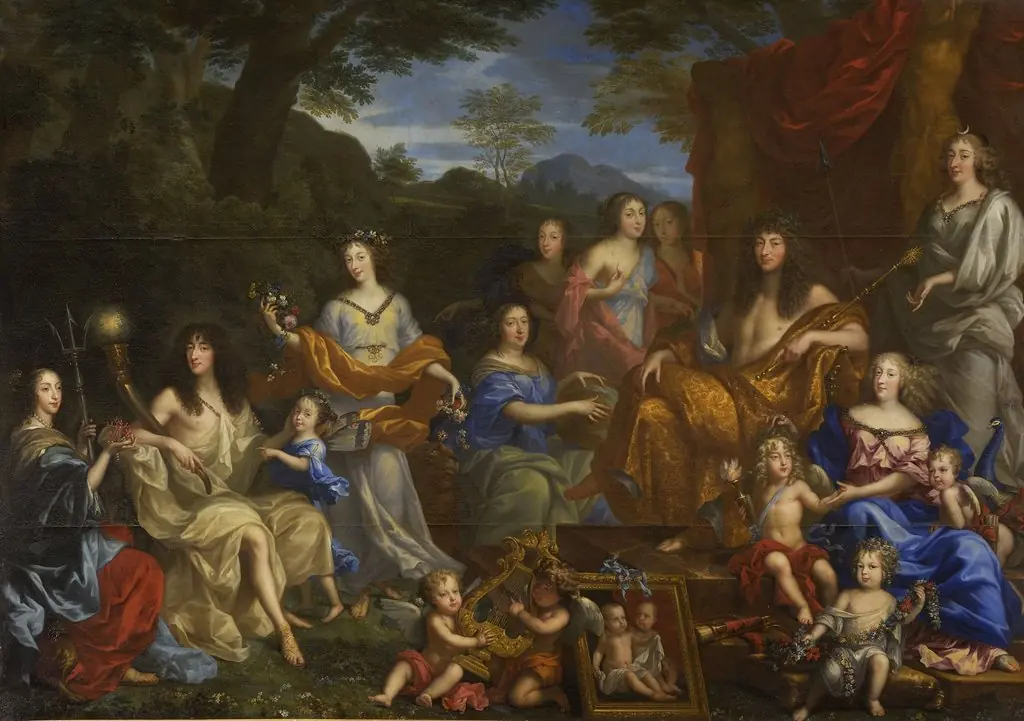 Mythological portrait of Louis XIV and the royal family
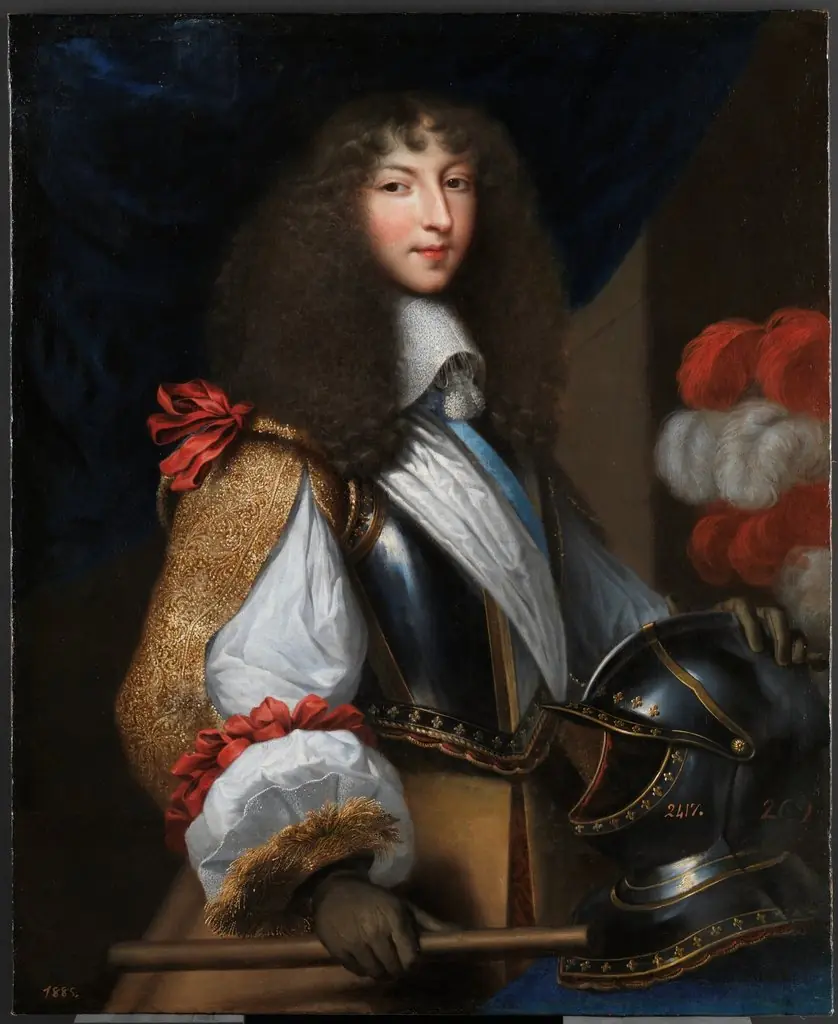 Louis XIV as a young man
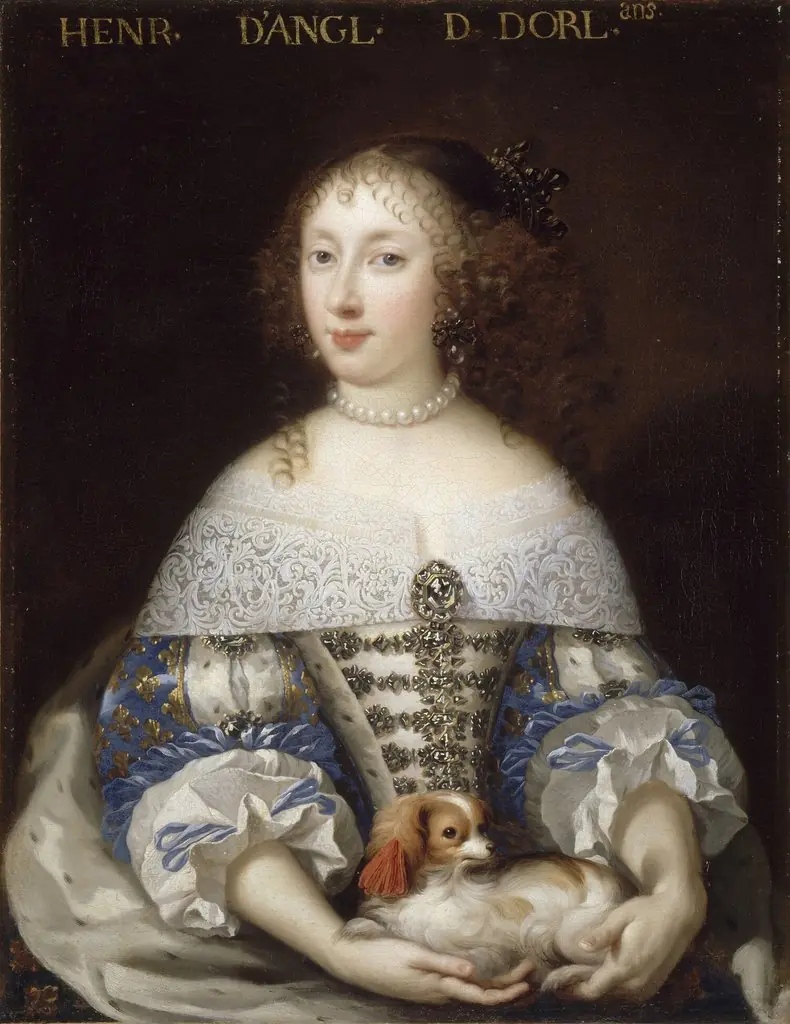 Henriette-Anne of England, Duchess of Orleans, known as Madame (1644-1670)
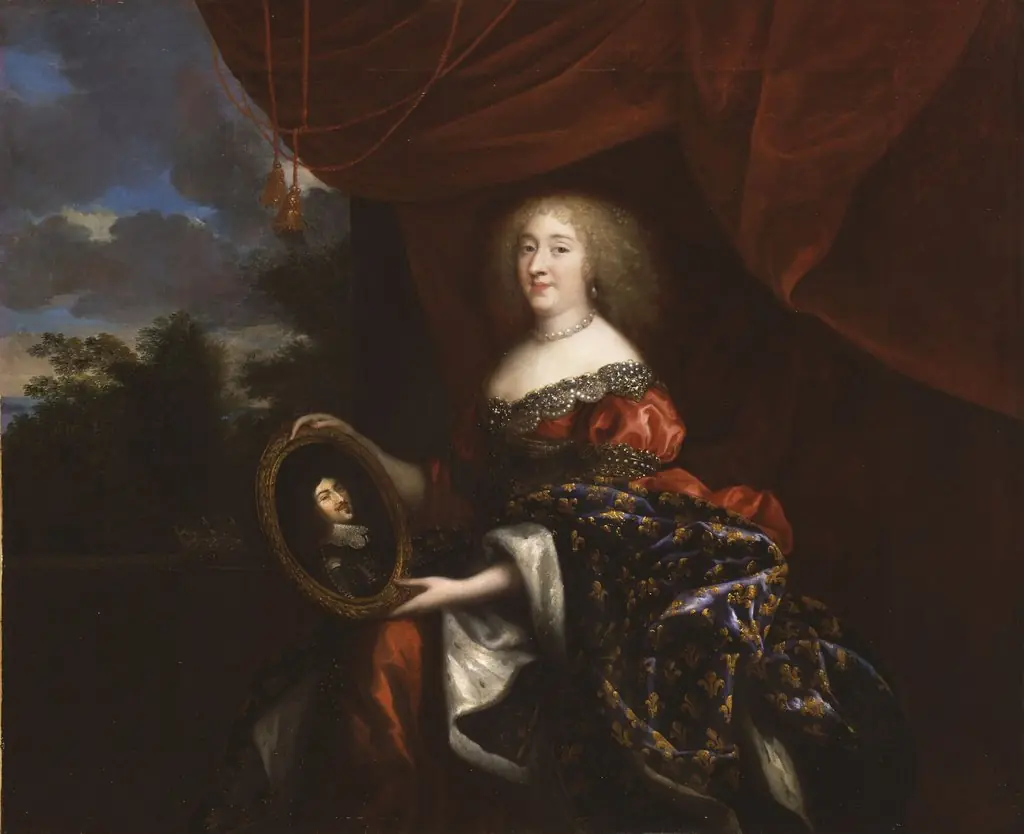 Anne Marie Louise d'Orléans holding a portrait of her father the late Duke of Orléans
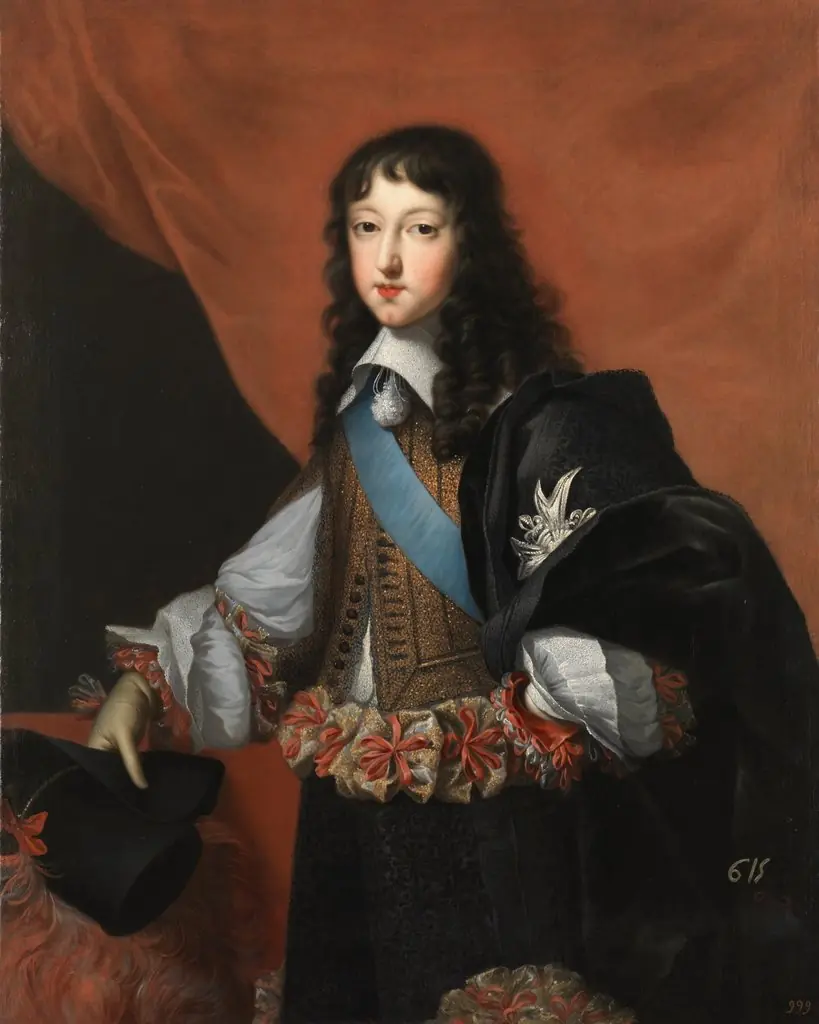 Phillip of France I Duke of Orléans
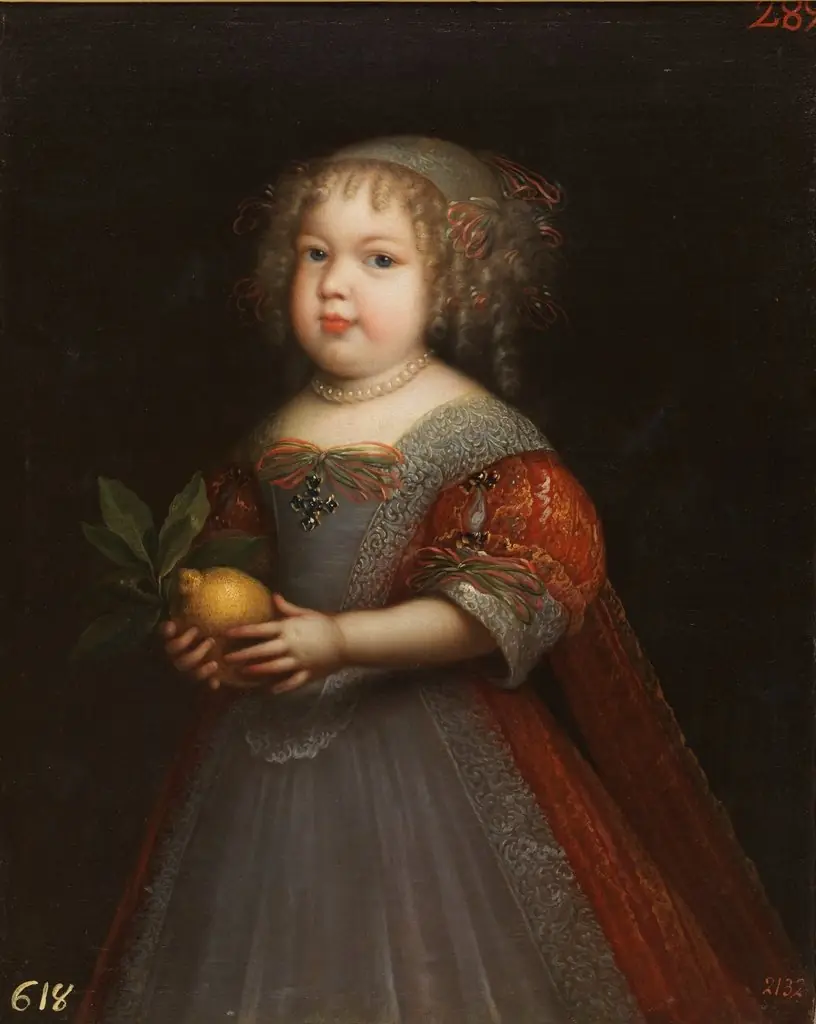 Portrait of Princess Marie Thérèse of France (1667–1672)
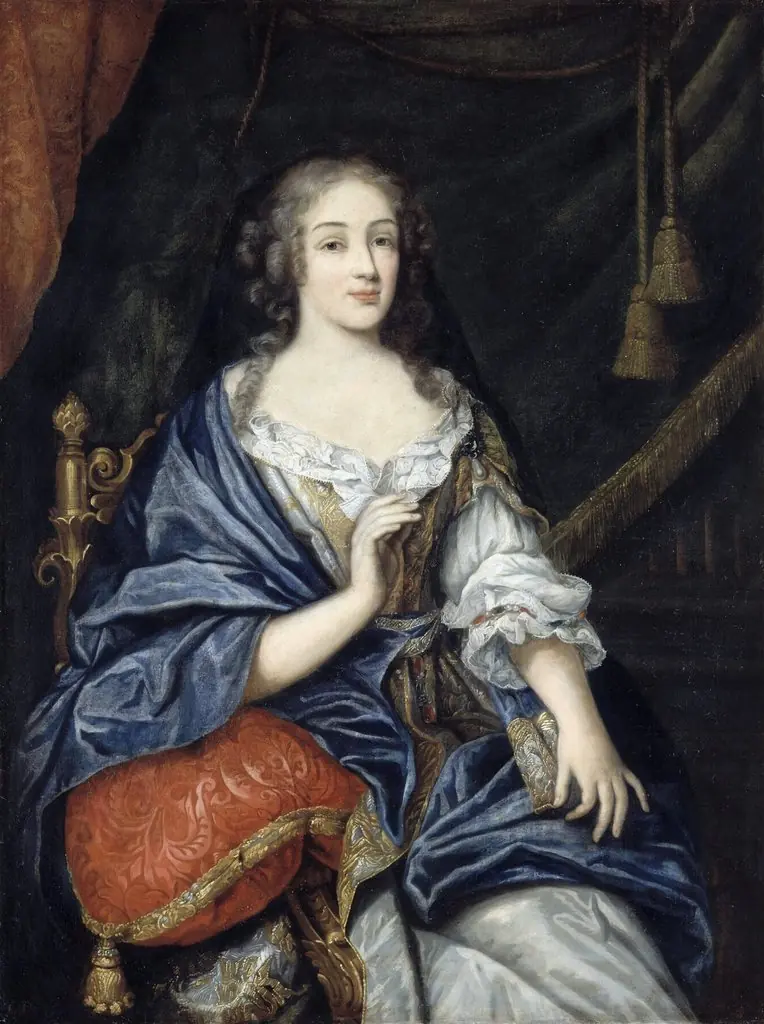 Louise de la Vallière, mistress of Louis XIV
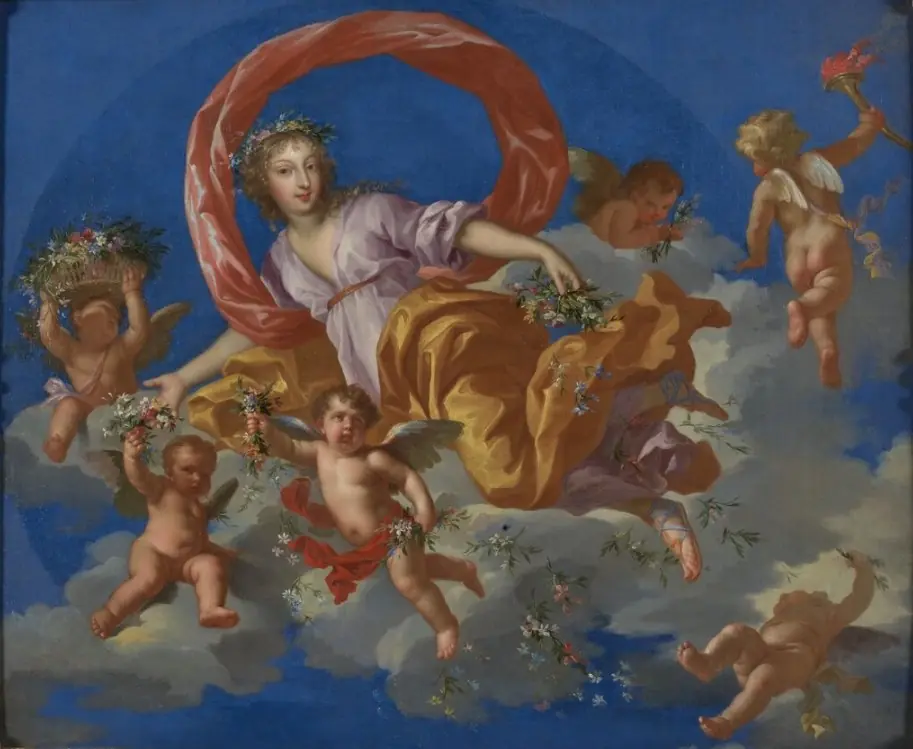 Portrait historié d'Henriette d'Angleterre, duchesse d'Orléans (1644-1670)