Artwork
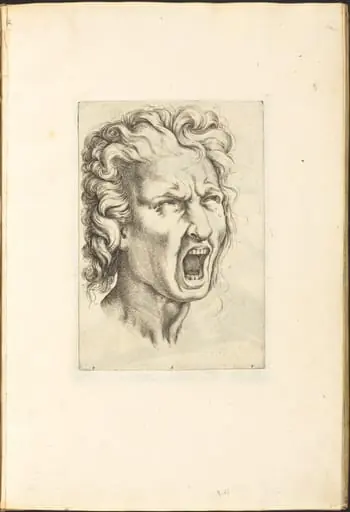
Head of a Screaming Man (recto)
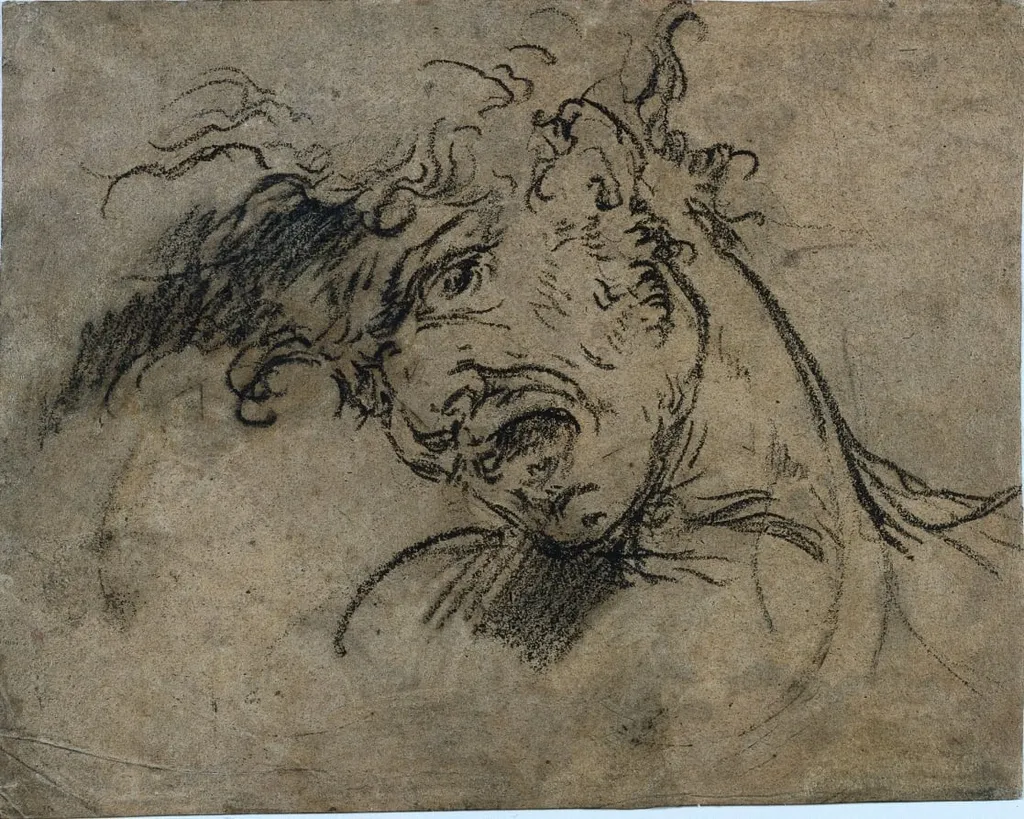
Head of a Screaming Man (recto) is a drawing by the Romanticist artist Benjamin West. It dates from 1792 and is held in the collection of the Cleveland Museum of Art.
About this work
Overview
Benjamin West’s drawing of a screaming male head, executed on light‑brown paper, captures a moment of extreme terror through swift, dark strokes. The figure’s mouth is gaped, eyes are tightly shut, and the neck, jaw and brow are rendered with pronounced, muscular lines. The work survives as a preparatory study for a larger, now‑lost painting commissioned by King George III.
Subject & Meaning
The drawing depicts an intense expression of fear, emphasizing the physiological signs of a scream. West was not working from a live model; instead he relied on established conventions for portraying heightened emotion, aiming to convey the psychological impact of terror within a narrative context.
Technique & Style
West employed thick, decisive crayon strokes to define the facial musculature, using the mid‑tone of the paper as a base and adding darker shadows beneath the chin and in the hair. The rapid, gestural line work reflects a study intended to explore form and expression rather than a finished composition.
History & Provenance
Created while West was court painter in London, the study was part of his preparation for a royal commission that never reached completion. The intended painting, now lost, was to have been displayed for King George III, though the monarch never saw the final work. The drawing itself remained in West’s estate and entered the museum collection through later acquisition.
Context
West’s approach draws on the teachings of French artist Charles Le Brun, whose lectures on depicting the passions of the soul were influential in academic circles. The study parallels an oil sketch of a pharaoh’s screaming head, suggesting West was experimenting with similar dramatic facial gestures across different subjects.
Legacy
Although the larger painting is missing, the drawing offers insight into West’s method of translating theoretical ideas about emotion into visual form. It also illustrates the transatlantic exchange of artistic theory in the eighteenth century, linking American, British, and French academic traditions.
Artist & collection

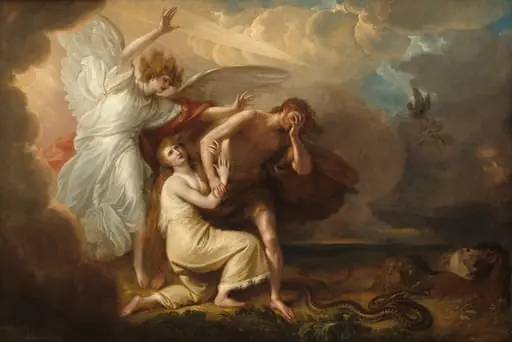 The Expulsion of Adam and Eve from Paradise
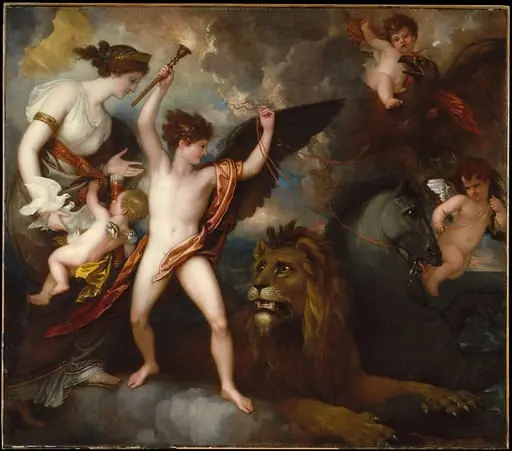 Omnia Vincit Amor, or The Power of Love in the Three Elements
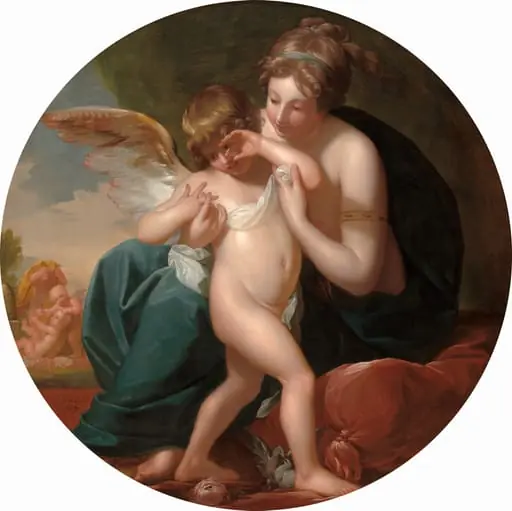 Cupid, Stung by a Bee, Is Cherished by his Mother
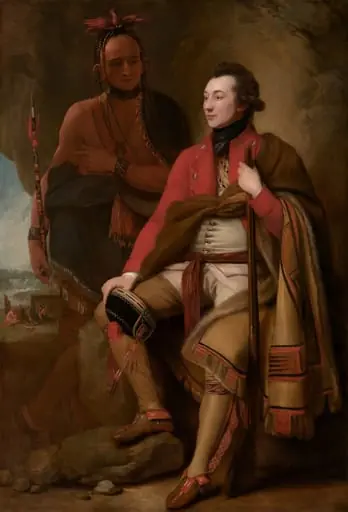 Colonel Guy Johnson and Karonghyontye (Captain David Hill)
 Mary Bethel Boude (Mrs. Samuel Boude)
 Dr. Samuel Boude
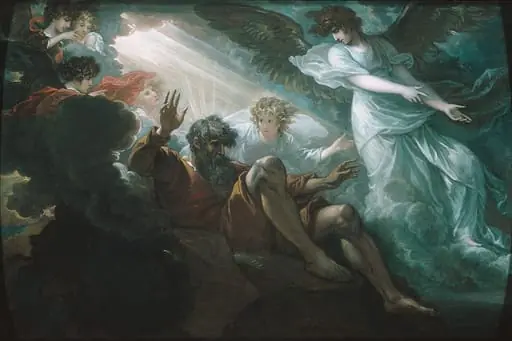 Moses Shown the Promised Land
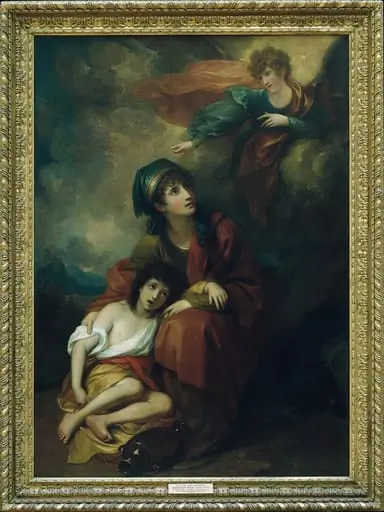 Hagar and Ishmael
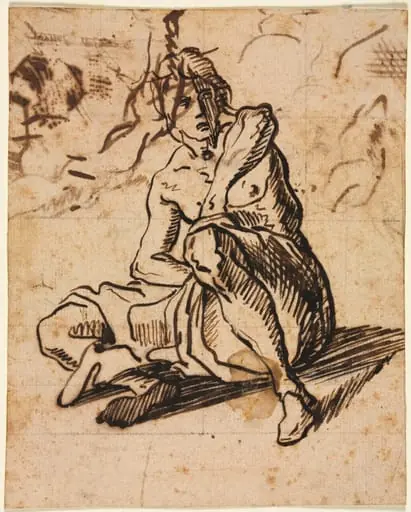
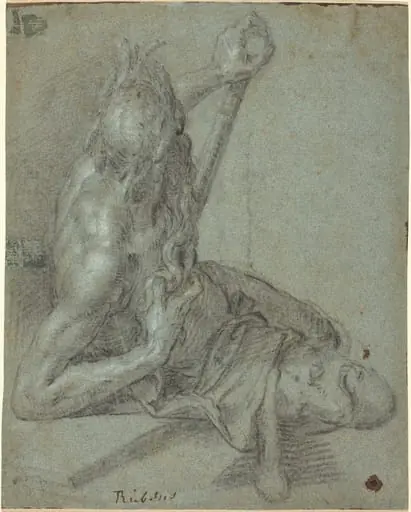
![Female Figure (Penitent Magdalene?) [verso], by Donato Creti](https://artifactworldgallery.com/img/donato-creti--female-figure-penitent-magdalene-verso--b0756d00ad6853a6-w320.webp)