Artwork
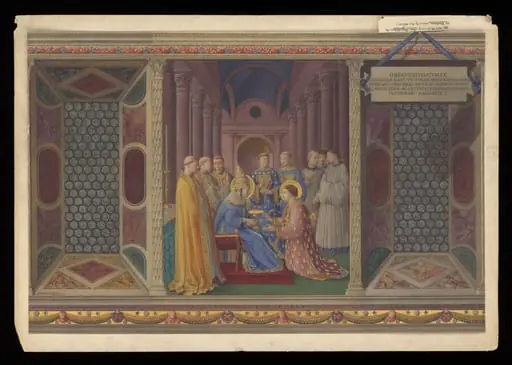
Copy after the cycle of the <i>Life of St Francis</i> (north wall section), Benozzo Gozzoli in San Francesco, apsidal chapel, Montefalco
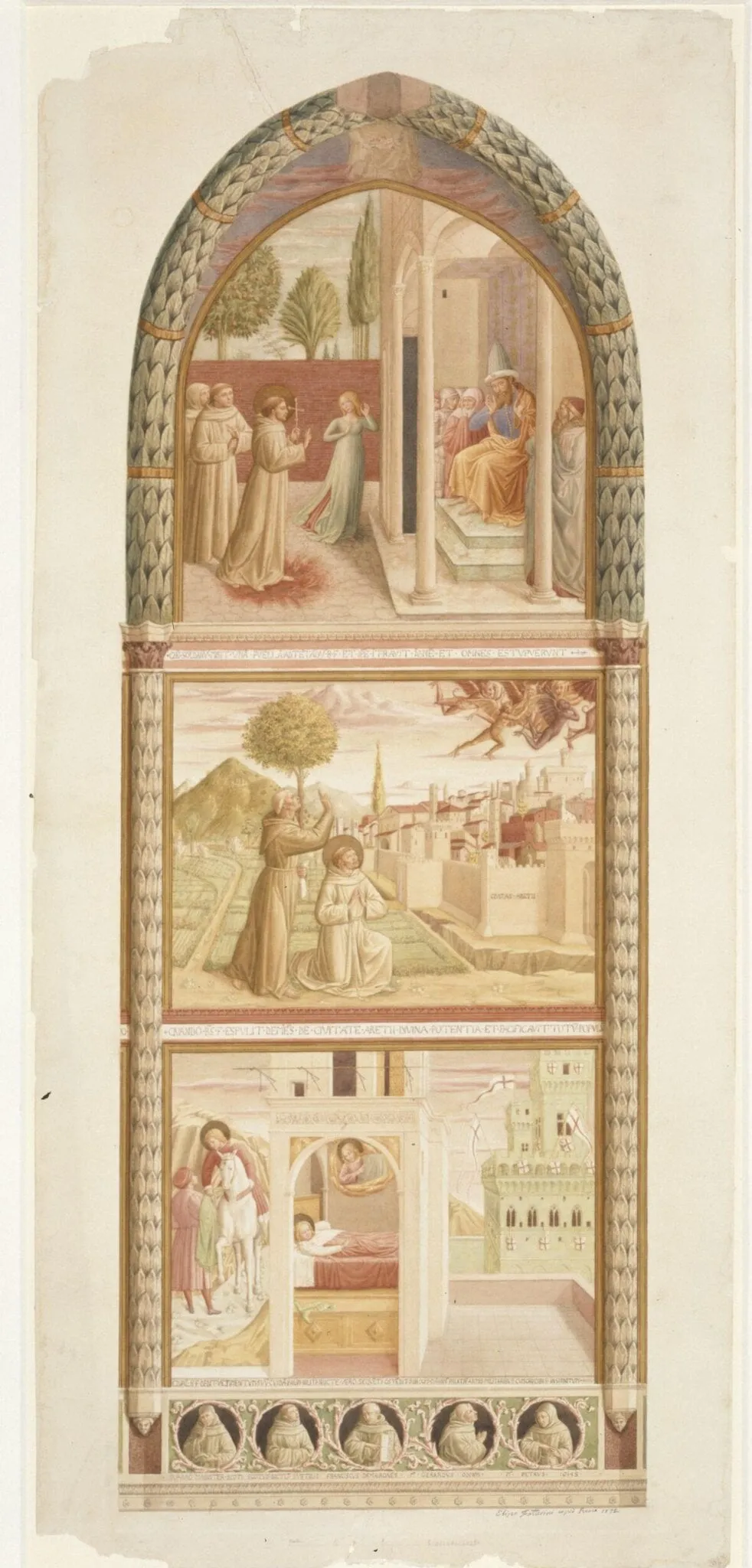
Copy after the cycle of the <i>Life of St Francis</i> (north wall section), Benozzo Gozzoli in San Francesco, apsidal chapel, Montefalco is a watercolor work on paper by the Impressionist artist Benozzo Gozzoli. It is held in the collection of the Victoria and Albert Museum.
About this work
Overview
This 1872 watercolor is a replica of a segment from Benozzo Gozzoli’s fresco cycle illustrating key episodes from the life of Saint Francis. The original frescoes were executed in 1452 on the north wall of the apse in the church of San Francesco, Montefalco, Umbria. The copy was produced by the Italian artist Eliseo Fattorini (1820–1895).
Subject & Meaning
The depicted scene forms part of a larger narrative that celebrates Saint Francis’s spiritual journey and deeds, emphasizing his humility, devotion, and miracles. By reproducing this episode, the copy preserves the theological and moral themes central to the Franciscan tradition.
Technique & Style
Fattorini rendered the fresco’s composition in watercolor, translating the original tempera and fresco pigments into a translucent medium. His approach retains the vivid coloration and delicate detailing of Gozzoli’s work while adapting the scale and texture for a paper support.
History & Provenance
The watercolor was commissioned by the Arundel Society, an organization founded in 1848 to disseminate reproductions of European Old Master paintings. Although the Society intended to publish the Montefalco series, the four copies (catalogued as E.153‑E.156) were never released, remaining in museum collections.
Context
Benozzo Gozzoli’s fresco cycle was created during the mid‑15th century, a period of flourishing religious art in Umbria. The cycle’s narrative functioned as a visual sermon for the monastic community, aligning with contemporary devotional practices.
Legacy
Fattorini’s watercolor serves as a documented link between 15th‑century fresco technique and 19th‑century efforts to preserve and study such works. It illustrates the 19th‑century scholarly interest in reproducing and circulating images of medieval and Renaissance art for broader audiences.
Artist & collection
Artist
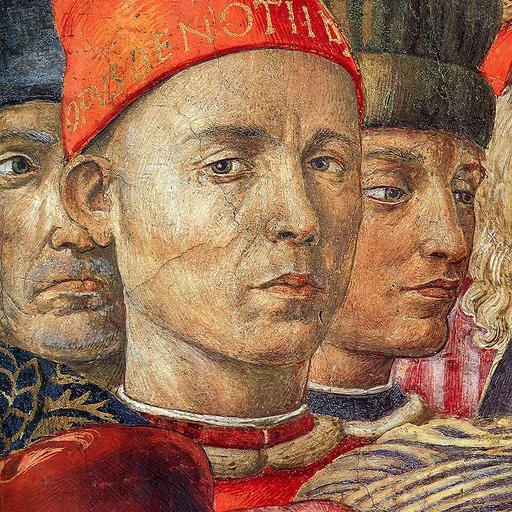
Benozzo Gozzoli (pronounced ; born Benozzo di Lese; c. 1421 – 4 October 1497) was an Italian Renaissance painter from Florence. A pupil of Fra Angelico, Gozzoli is best known for a series of murals in the Magi Chapel of…

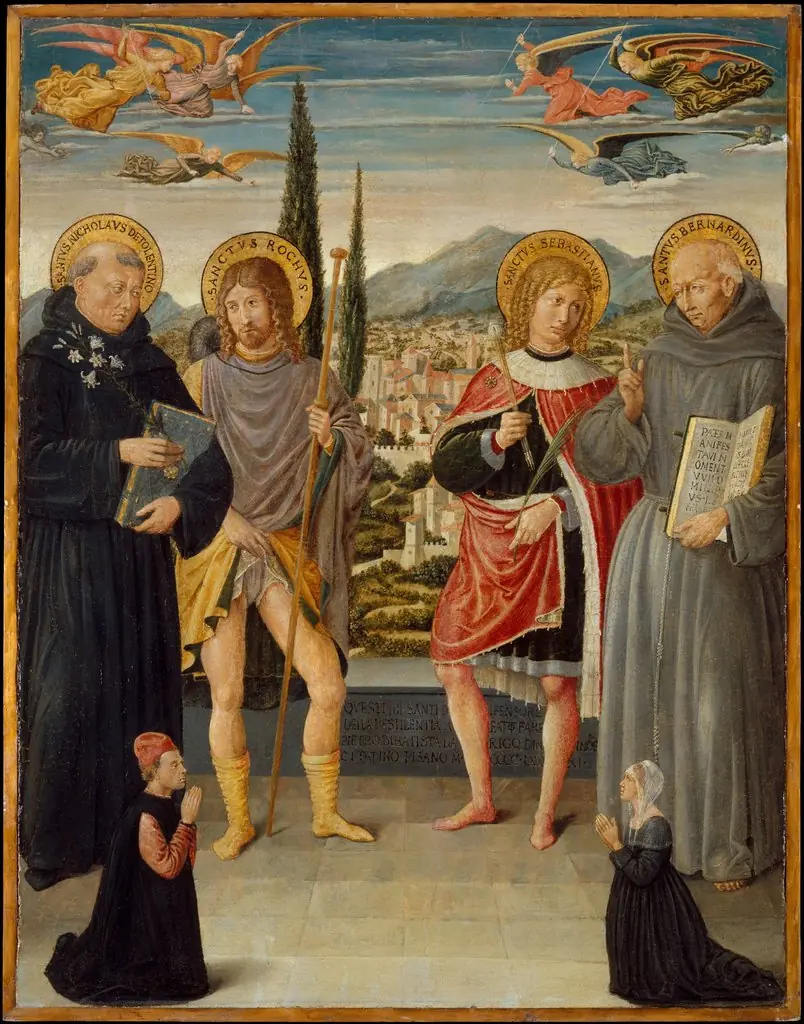 Saints Nicholas of Tolentino, Roch, Sebastian, and Bernardino of Siena, with Kneeling Donors
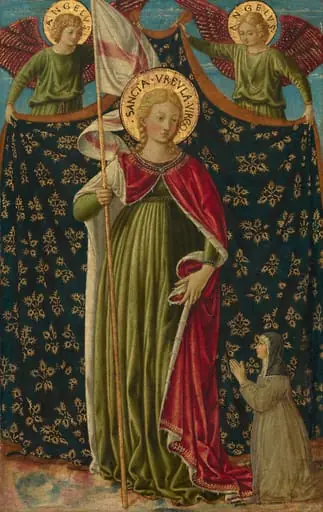 Saint Ursula with Two Angels and Donor
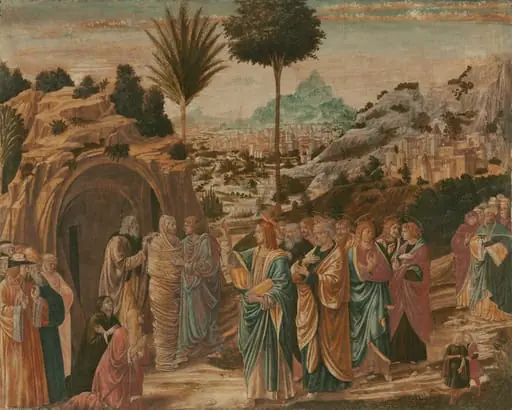 The Raising of Lazarus
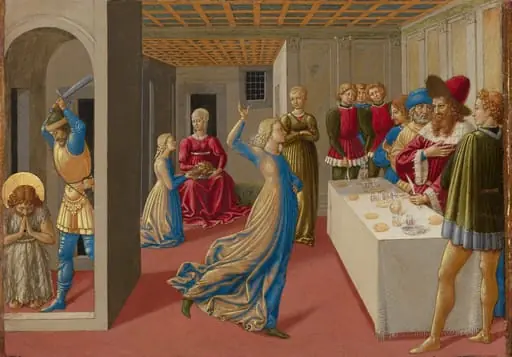 The Feast of Herod and the Beheading of Saint John the Baptist
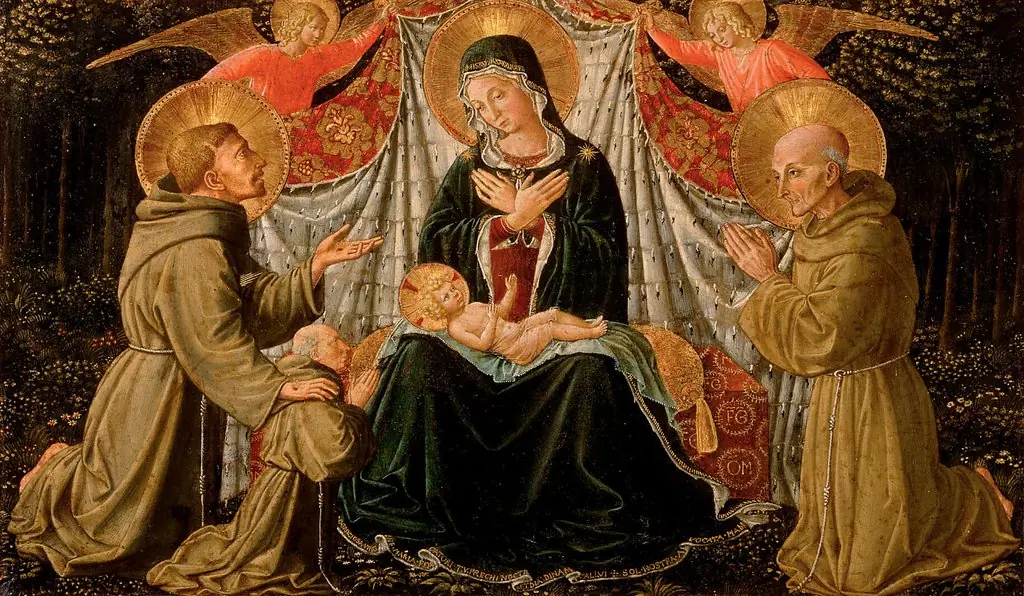 Madonna and Child with St Francis and the donor Father Jacopo da Montefalco (left) and St Bernard of Siena (right)
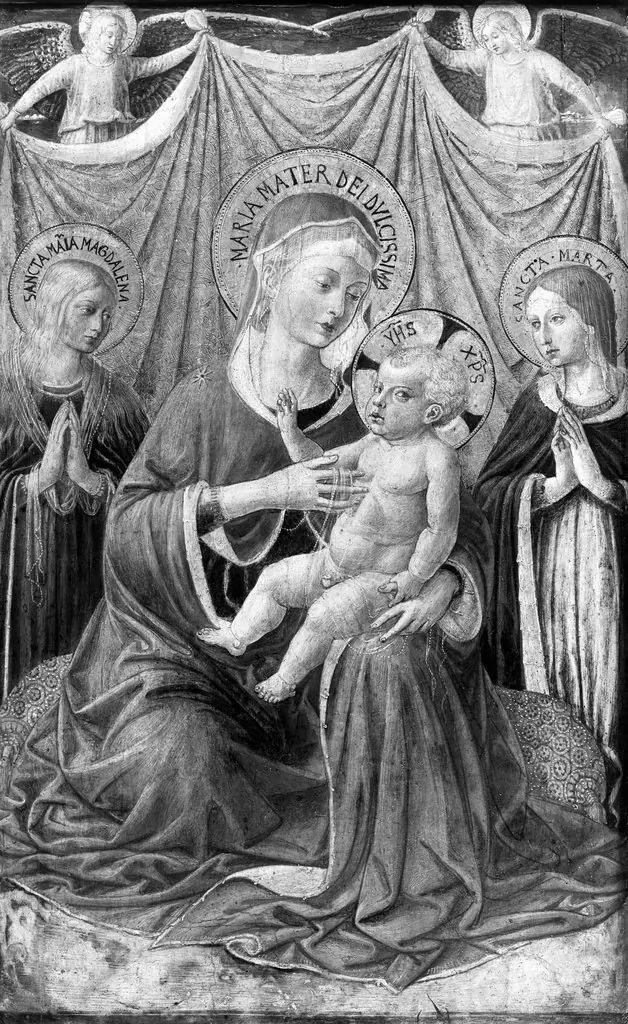 Mary with the child and saints
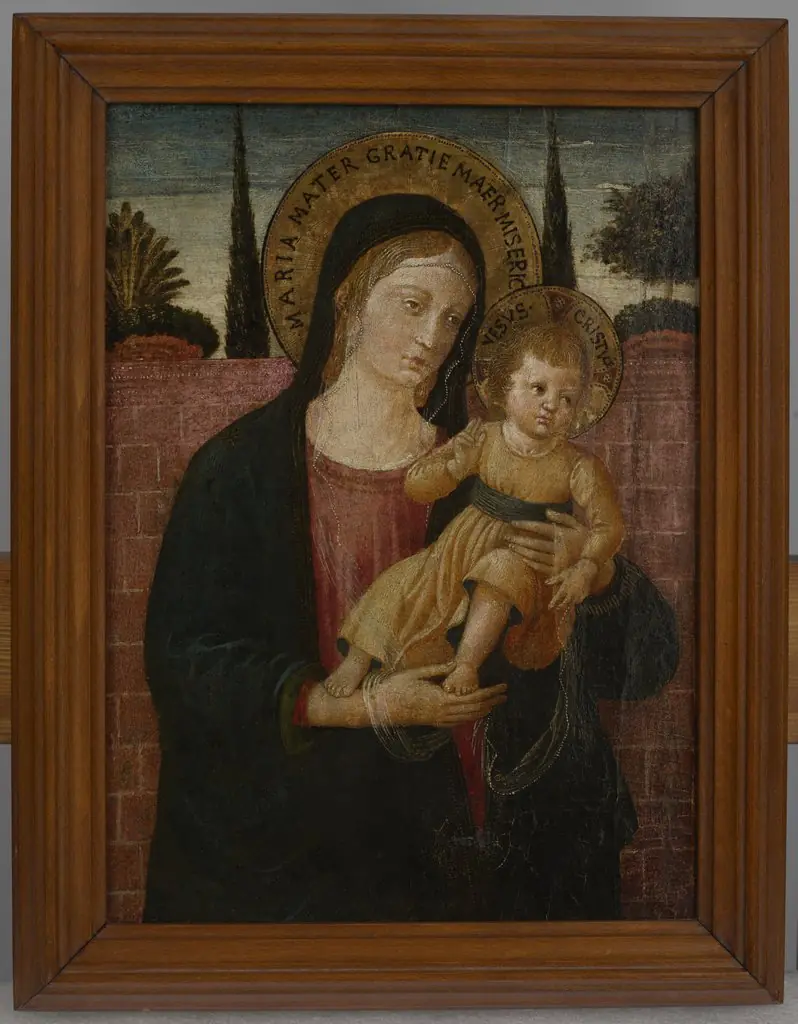 Madonna with Child
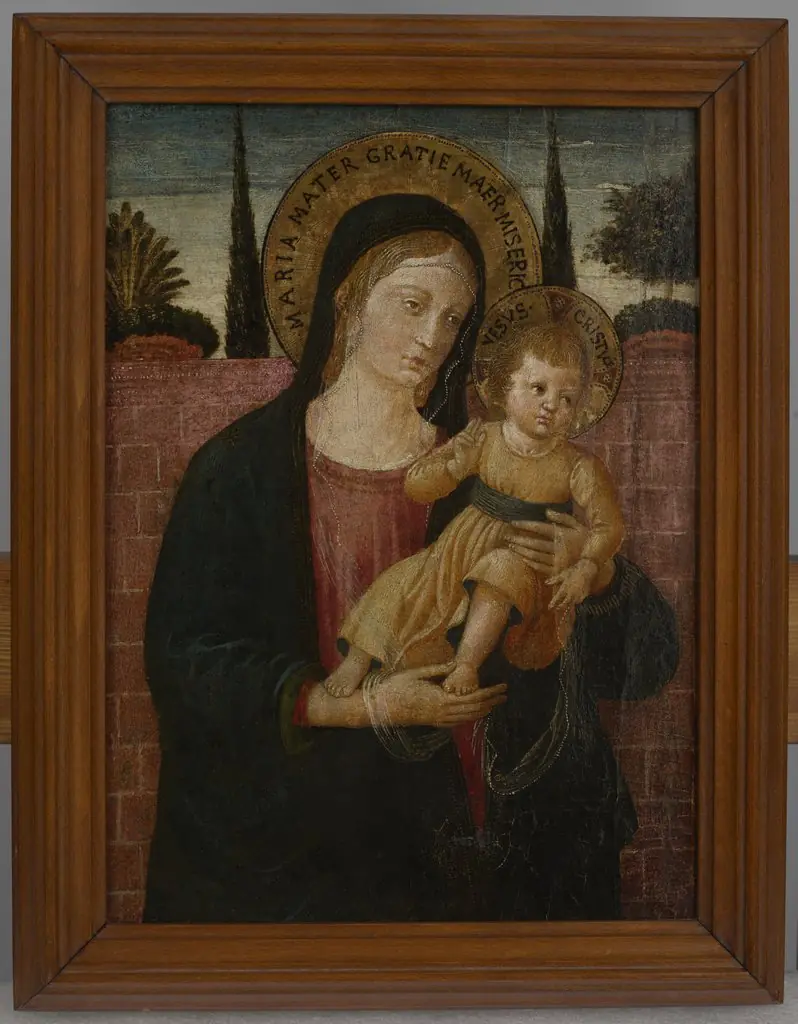 Madonna and Child (Obverse) and Tobias with Archangel Raphael (Reverse)
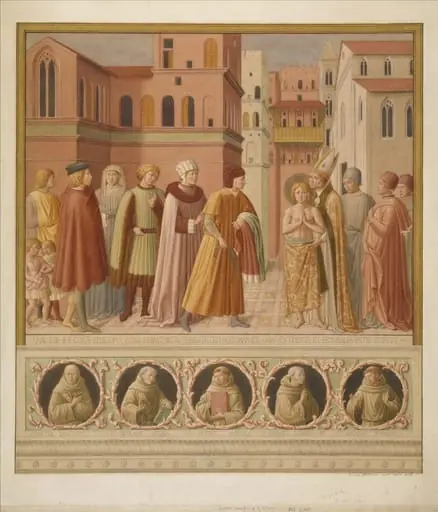 Copy after the cycle of the <i>Life of St Francis</i> (<i>Renunciation of Worldly Goods</i>), Benozzo Gozzoli in San Francesco, Montefalco
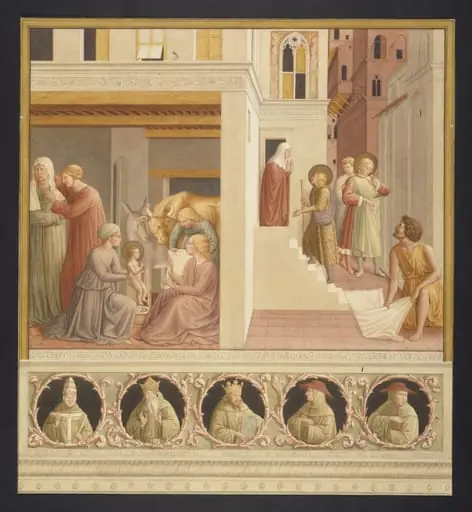 Copy after the cycle of the <i>Life of St Francis</i> (<i>Birth of St Francis</i>), Benozzo Gozzoli in San Francesco, Montefalco
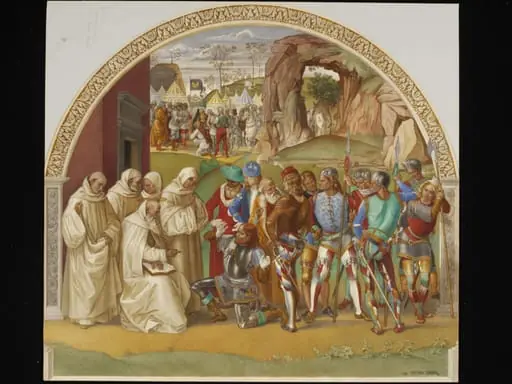 St Benedict and the False King Totila
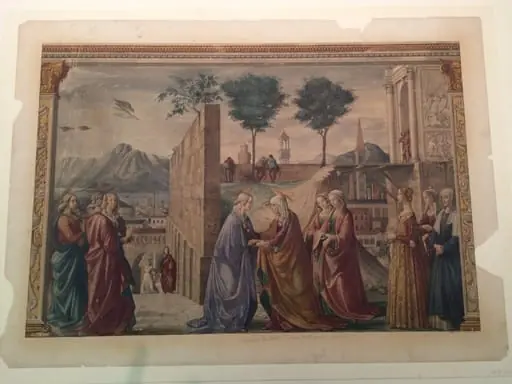 Watercolour, copy after The Visitation, Domenico Ghirlandaio in the Tornabuoni Chapel, Santa Maria Novella (Florence)
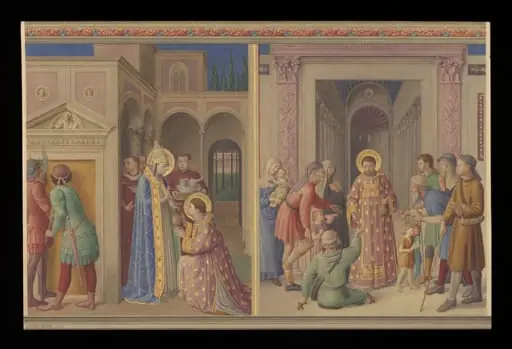 Copy after St Lawrence receiving the treasure of the Church and St Lawrence distributing Alms, Fra Angelico in the Niccoline Chapel (Vatican, Rome)
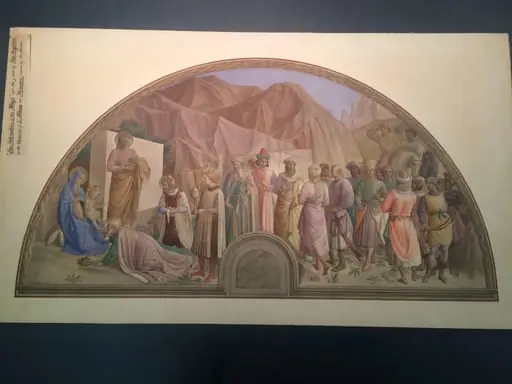 Copy after the fresco Adoration of the Magi, Fra Angelico in the Museo di San Marco (Florence)
 Copy after The Ordination of St Lawrence, Fra Angelico in the Niccoline Chapel (Vatican, Rome)