Artwork
The hl. Zenobius raises a dead boy
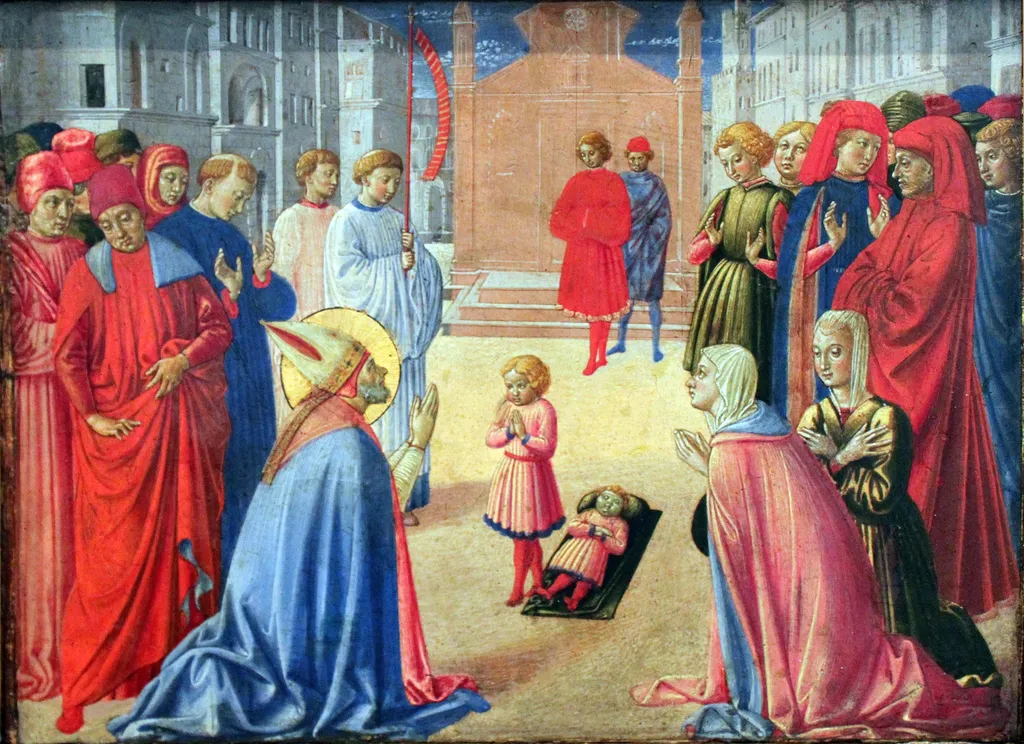
The hl. Zenobius raises a dead boy is an unspecified painting by the Early Renaissance artist Benozzo Gozzoli. It dates from 1461 and is held in the collection of the Gemäldegalerie Berlin.
About this work
Overview
The composition centers on a kneeling figure in a blue robe and pointed hat, his hands lifted in prayer, while a young boy lies lifeless on a black cloth.
Created in 1461 by Florentine painter Benozzo Gozzoli, this early‑Renaissance panel illustrates a legendary miracle attributed to the 5th‑century bishop Zenobius. The composition centers on a kneeling figure in a blue robe and pointed hat, his hands lifted in prayer, while a young boy lies lifeless on a black cloth. Surrounding onlookers in varied dress form a semi‑circular group, and a modest architectural backdrop with a blue sky frames the scene.
Subject & Meaning
The narrative portrays Zenobius invoking divine power to restore life to a dead child, a story meant to emphasize the saint’s compassion and the efficacy of prayer. The juxtaposition of the praying bishop, the mournful spectators, and the revived youth underscores themes of faith, intercession, and the miraculous intervention of the holy in everyday life.
Technique & Style
Gozzoli combines the emerging naturalism of the Renaissance with lingering International Gothic elements. Figures are rendered with careful attention to anatomy and drapery, while the use of chiaroscuro creates subtle modeling and a sense of three‑dimensional space. The palette—rich blues, reds, and earth tones—enhances depth, and the architectural setting is delineated with linear perspective, though still stylized.
History & Provenance
The work was produced during Gozzoli’s early career, shortly after his apprenticeship with Fra Angelico. It likely served a devotional purpose, perhaps as part of a private altar or a church commission honoring Saint Zenobius. The painting entered the collection of a Florentine patron in the late 15th century and has remained in Italian holdings, passing through several noble families before being acquired by a museum in the 20th century.
Context
In mid‑15th‑century Florence, religious narratives were frequently employed to reinforce civic identity and piety. Zenobius, a local bishop, was a popular subject, and Gozzoli’s depiction aligns with contemporary efforts to visualize saints’ miracles in a relatable, humanized manner. The work reflects the transitional period when artists began to integrate observation of nature with established decorative conventions.
Artist & collection
Artist
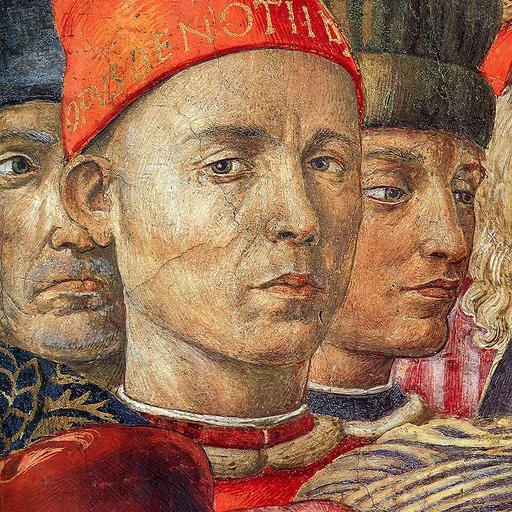
Benozzo Gozzoli (pronounced ; born Benozzo di Lese; c. 1421 – 4 October 1497) was an Italian Renaissance painter from Florence. A pupil of Fra Angelico, Gozzoli is best known for a series of murals in the Magi Chapel of…

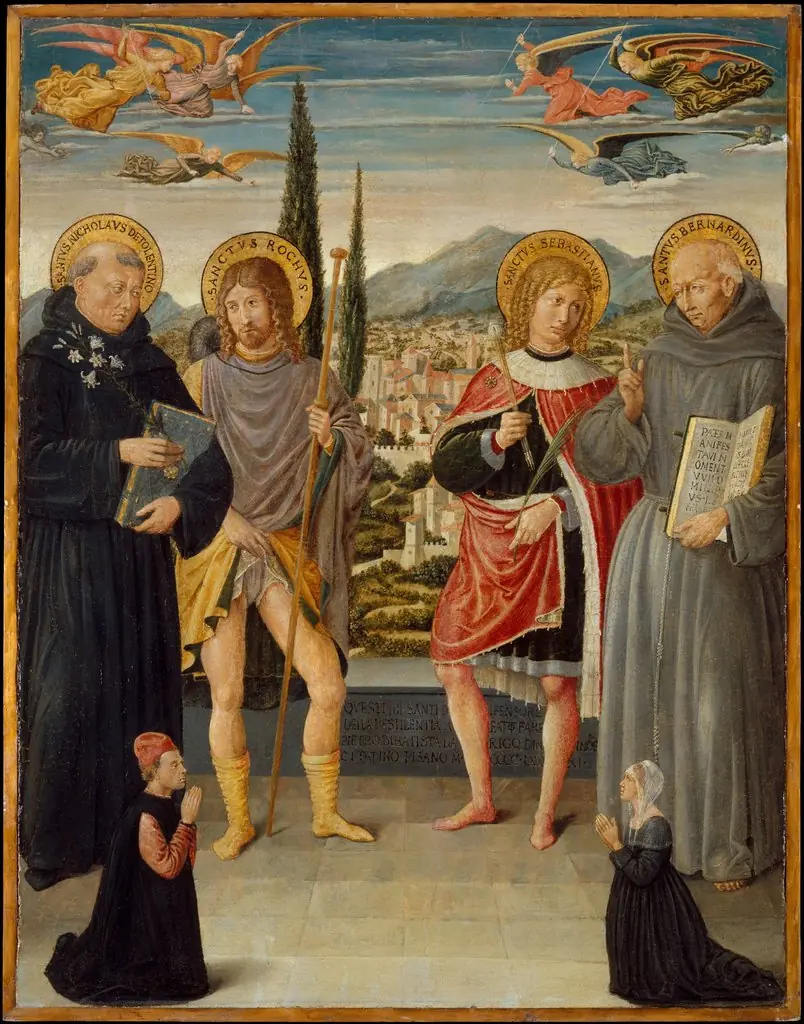 Saints Nicholas of Tolentino, Roch, Sebastian, and Bernardino of Siena, with Kneeling Donors
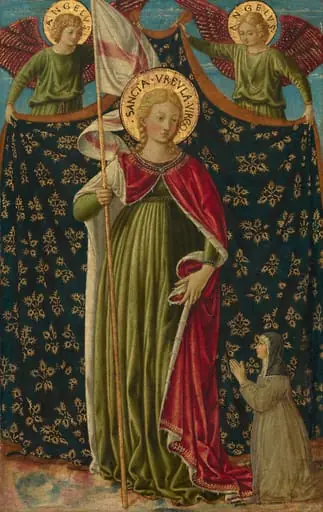 Saint Ursula with Two Angels and Donor
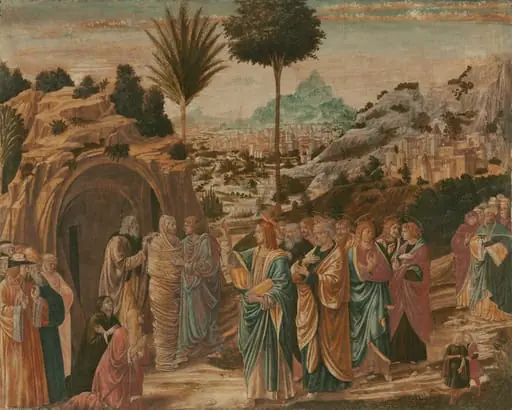 The Raising of Lazarus
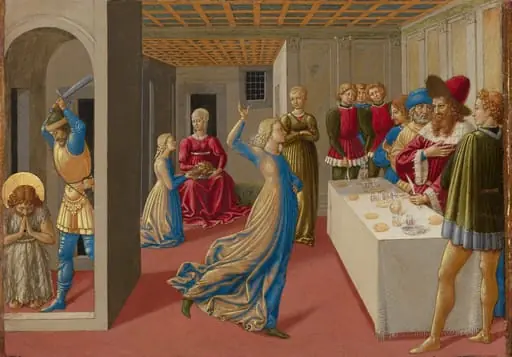 The Feast of Herod and the Beheading of Saint John the Baptist
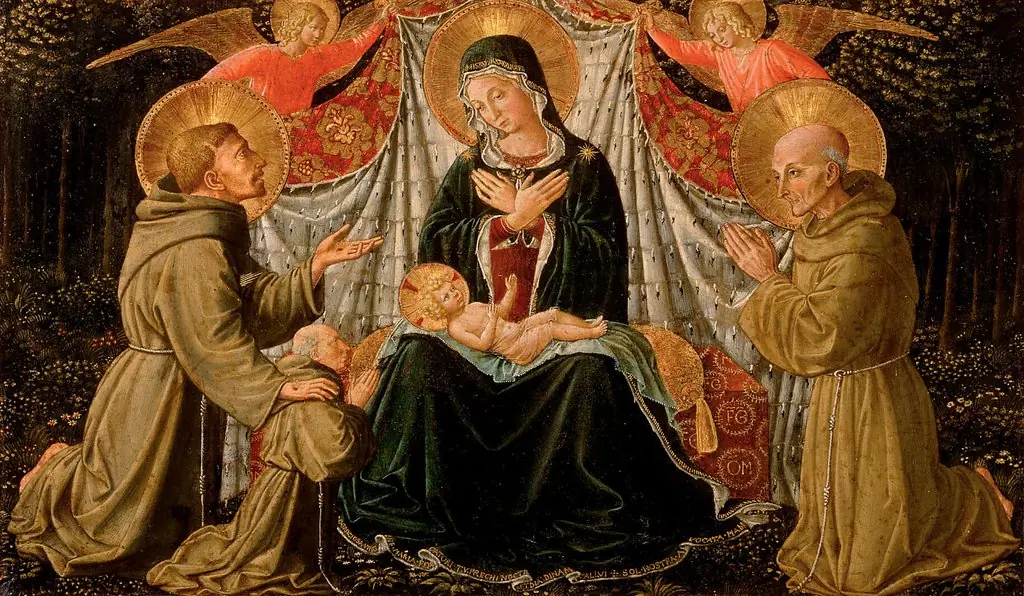 Madonna and Child with St Francis and the donor Father Jacopo da Montefalco (left) and St Bernard of Siena (right)
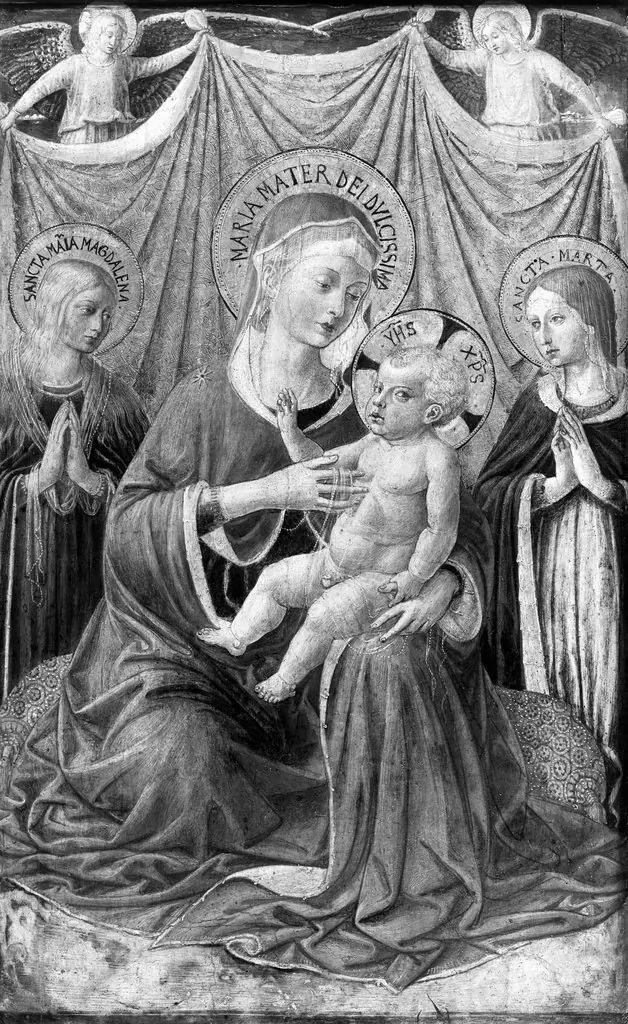 Mary with the child and saints
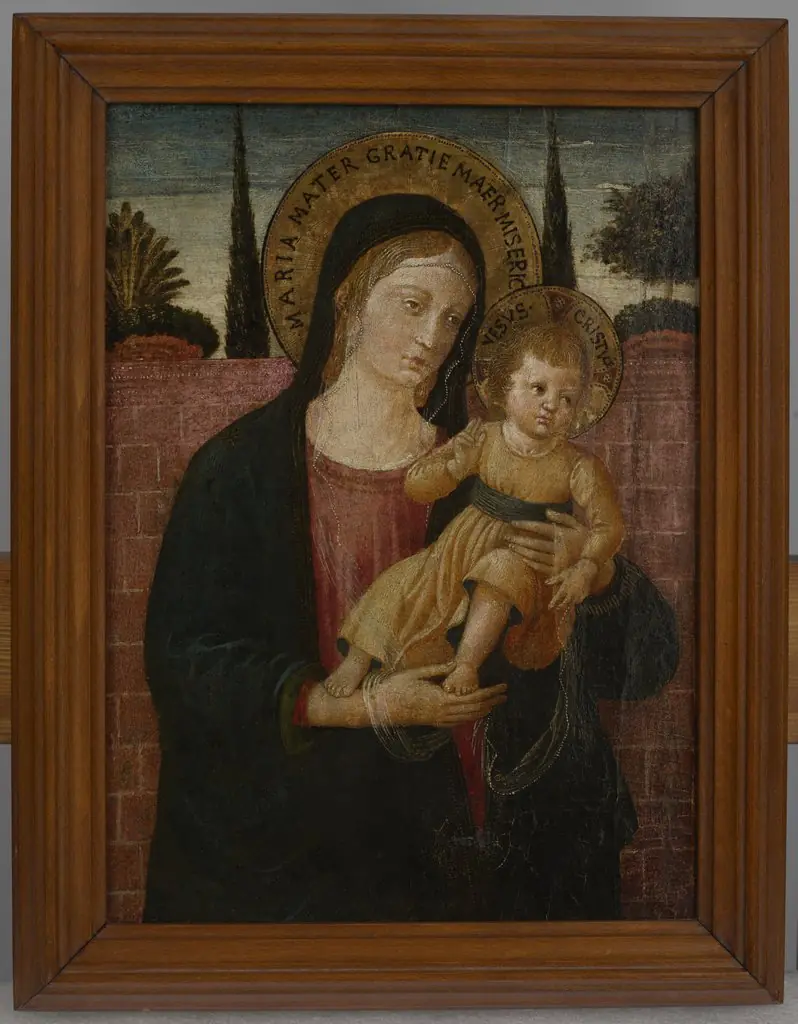 Madonna with Child
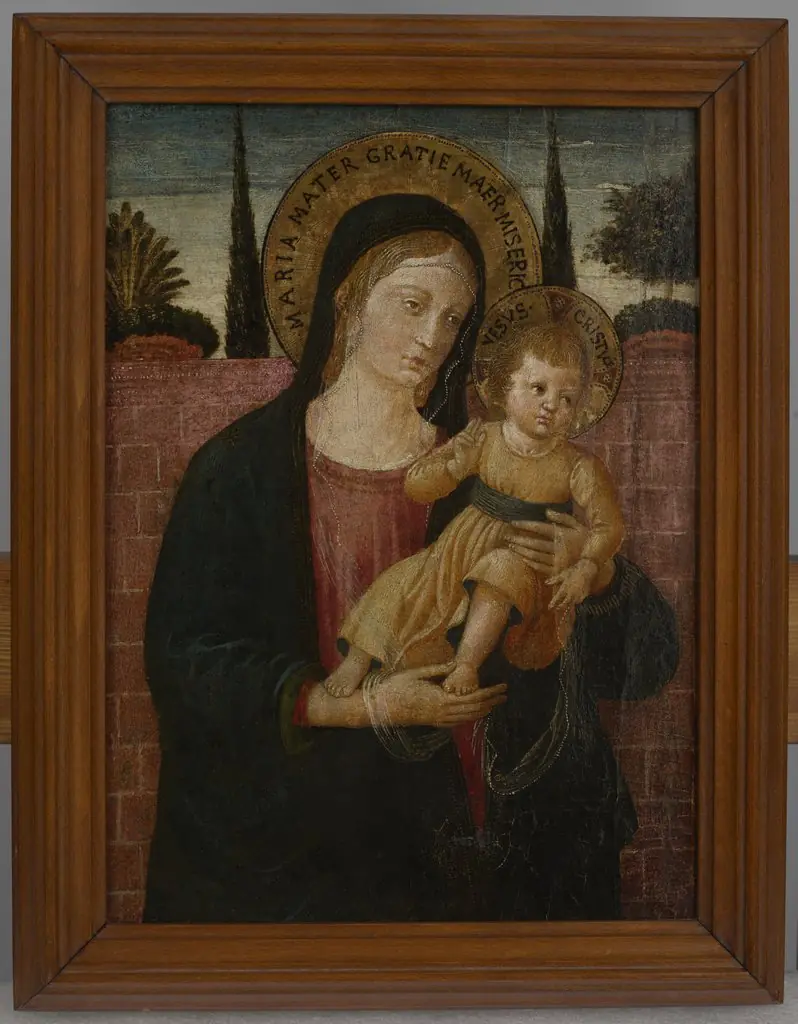 Madonna and Child (Obverse) and Tobias with Archangel Raphael (Reverse)
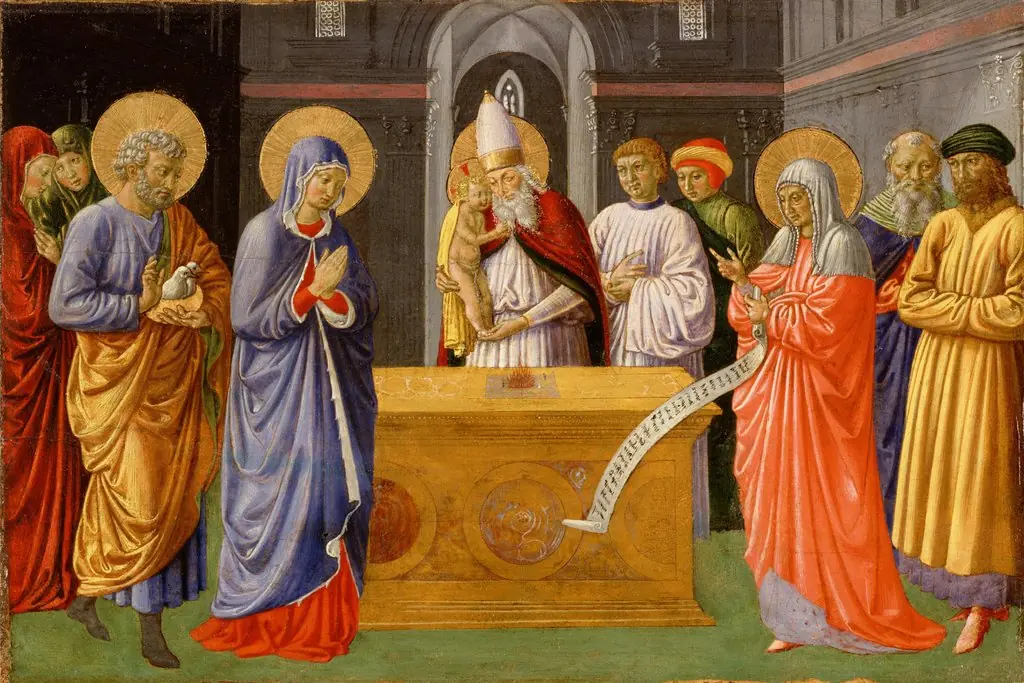 Purification of the Virgin
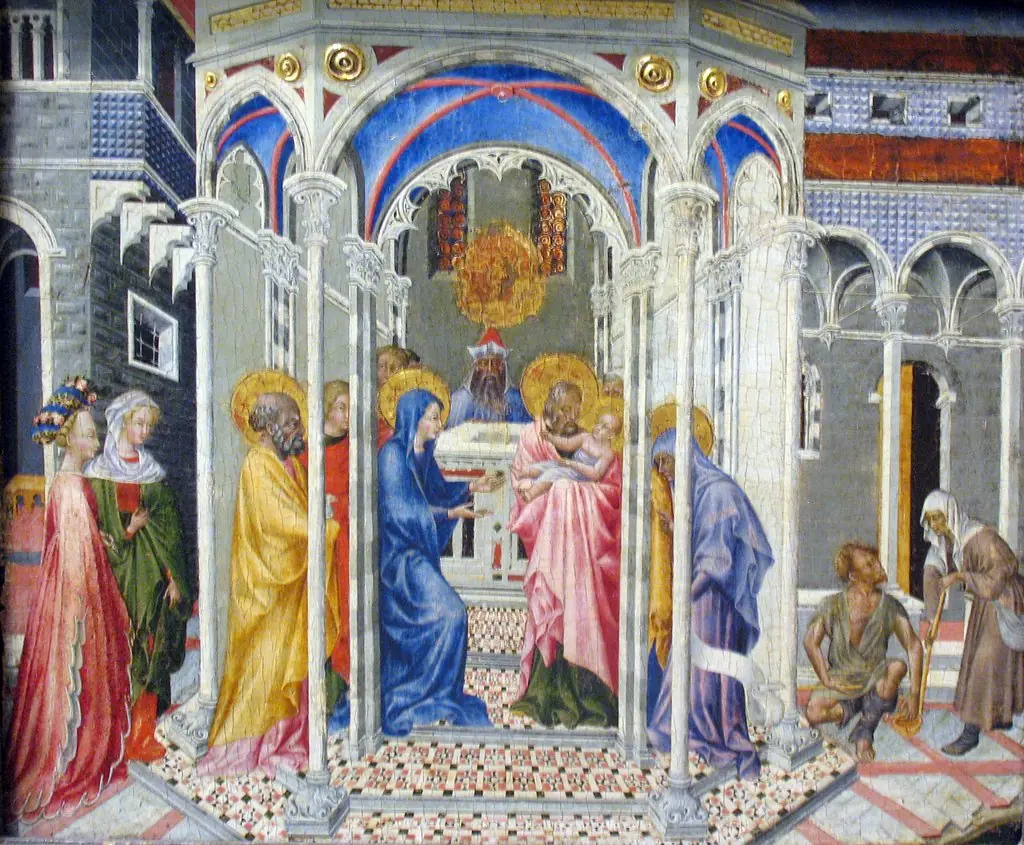 The Presentation of Christ in the Temple
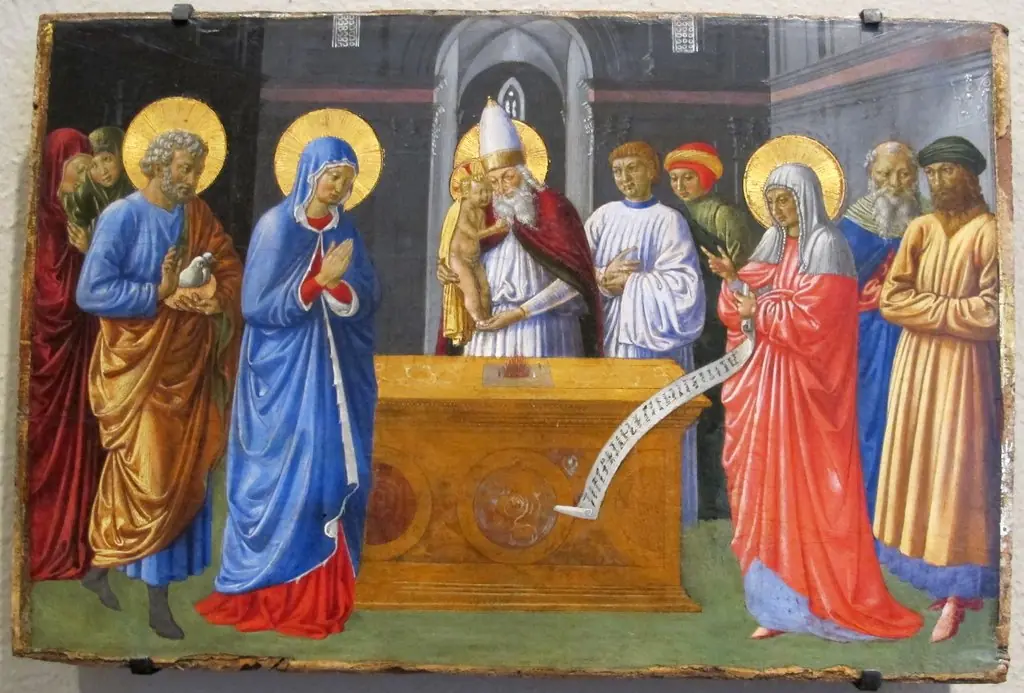 Presentation at the Temple
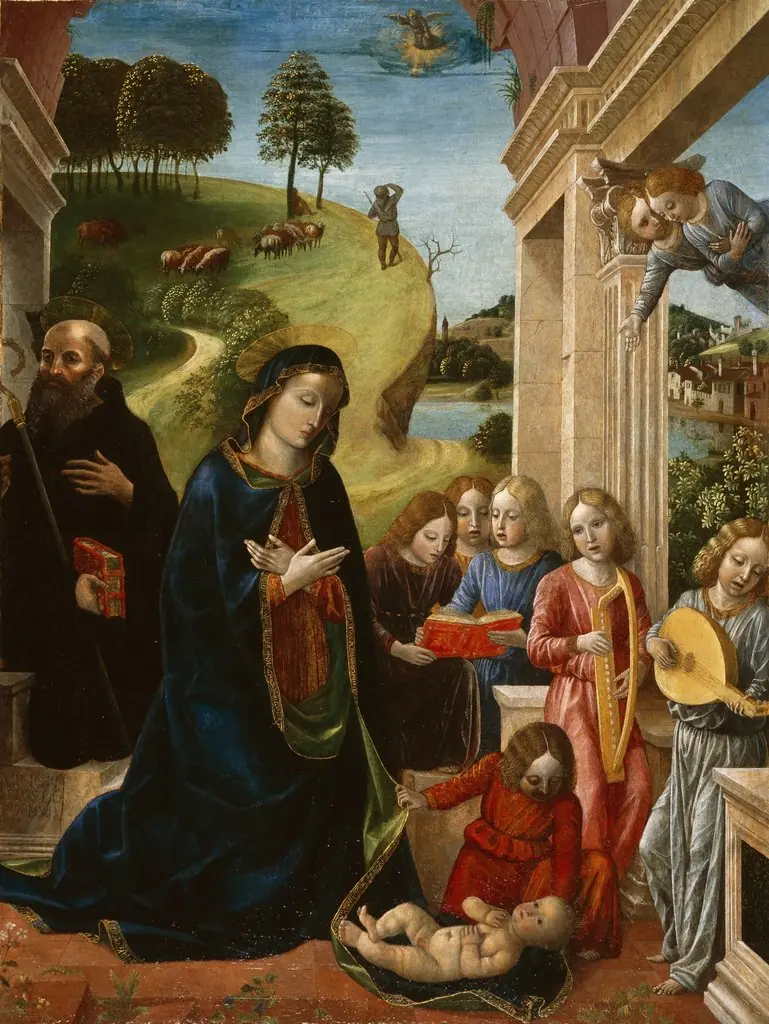 Adoration of the Child with St. Benedict and Angels
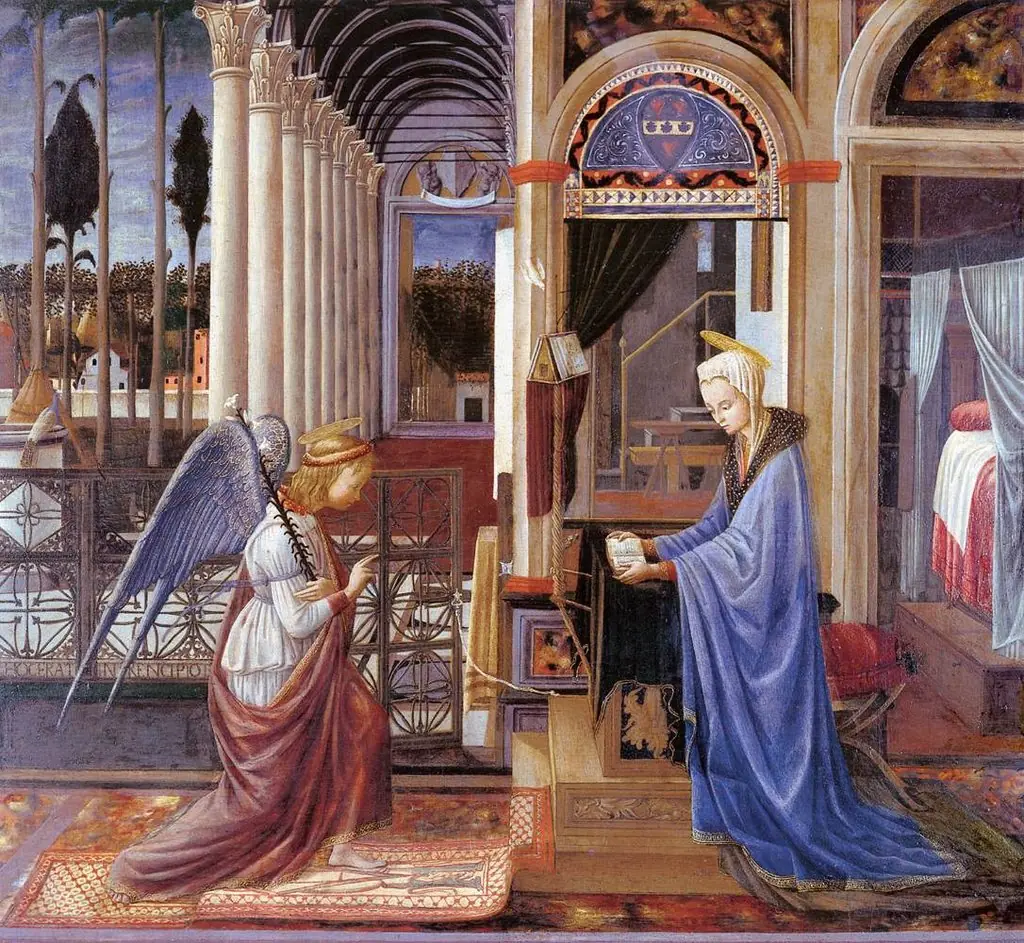 Annunciation
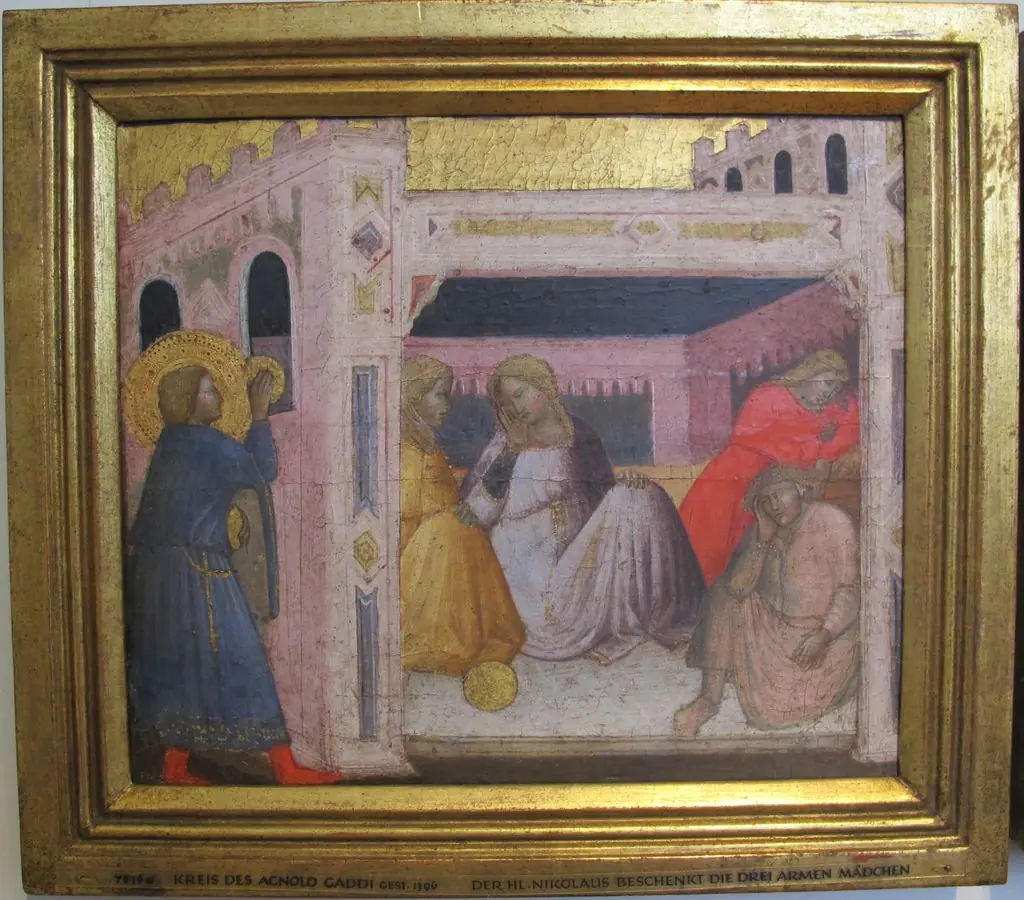 Stories of St. Nicholas. Saint Nicholas presenting Gifts to Three Pool girls
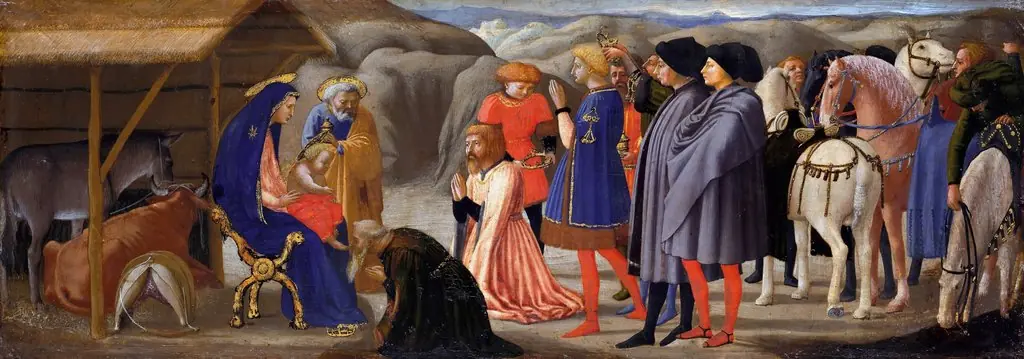 The Adoration of the Magi
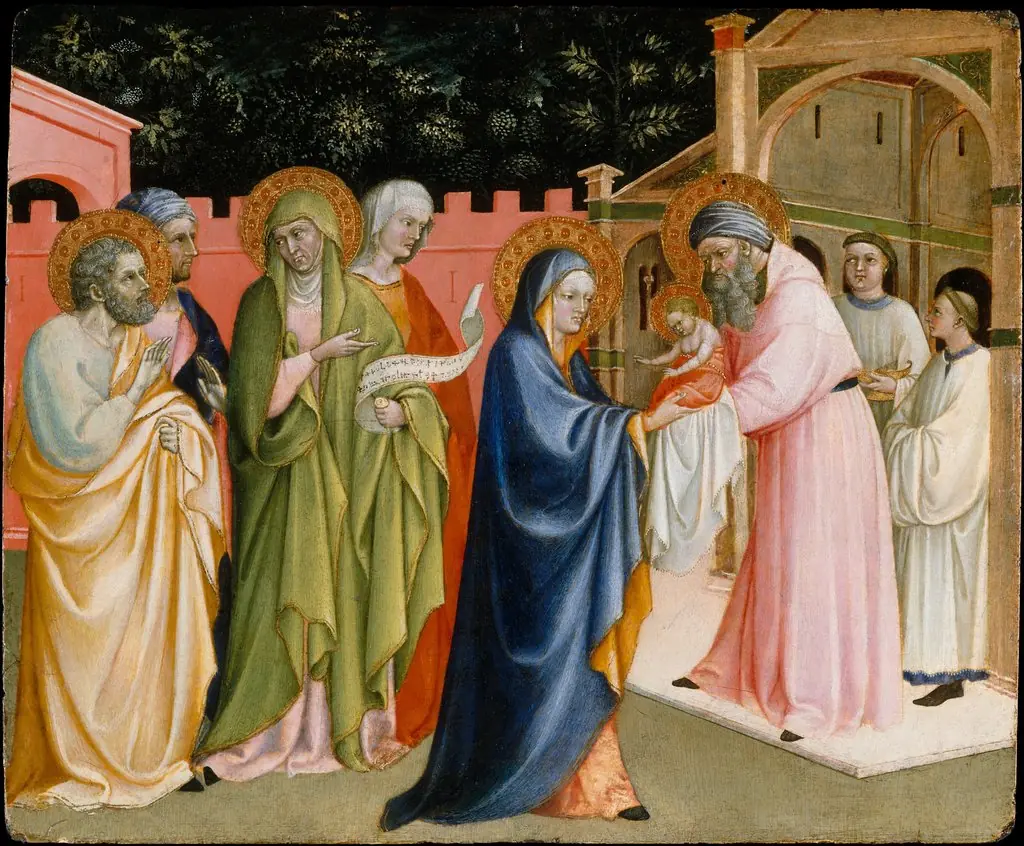 The Presentation in the Temple
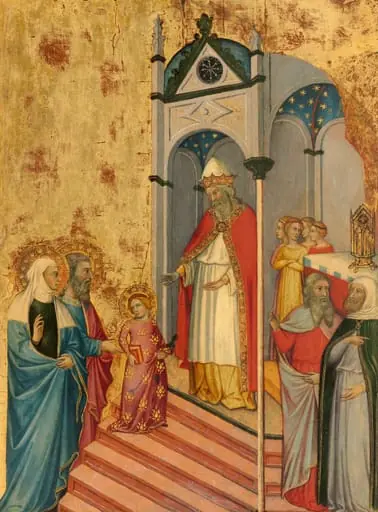 The Presentation of the Virgin in the Temple
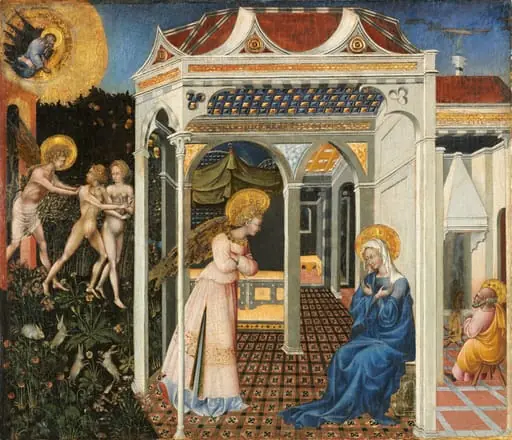 The Annunciation and Expulsion from Paradise