Artwork
Guy Little Theatrical Photograph
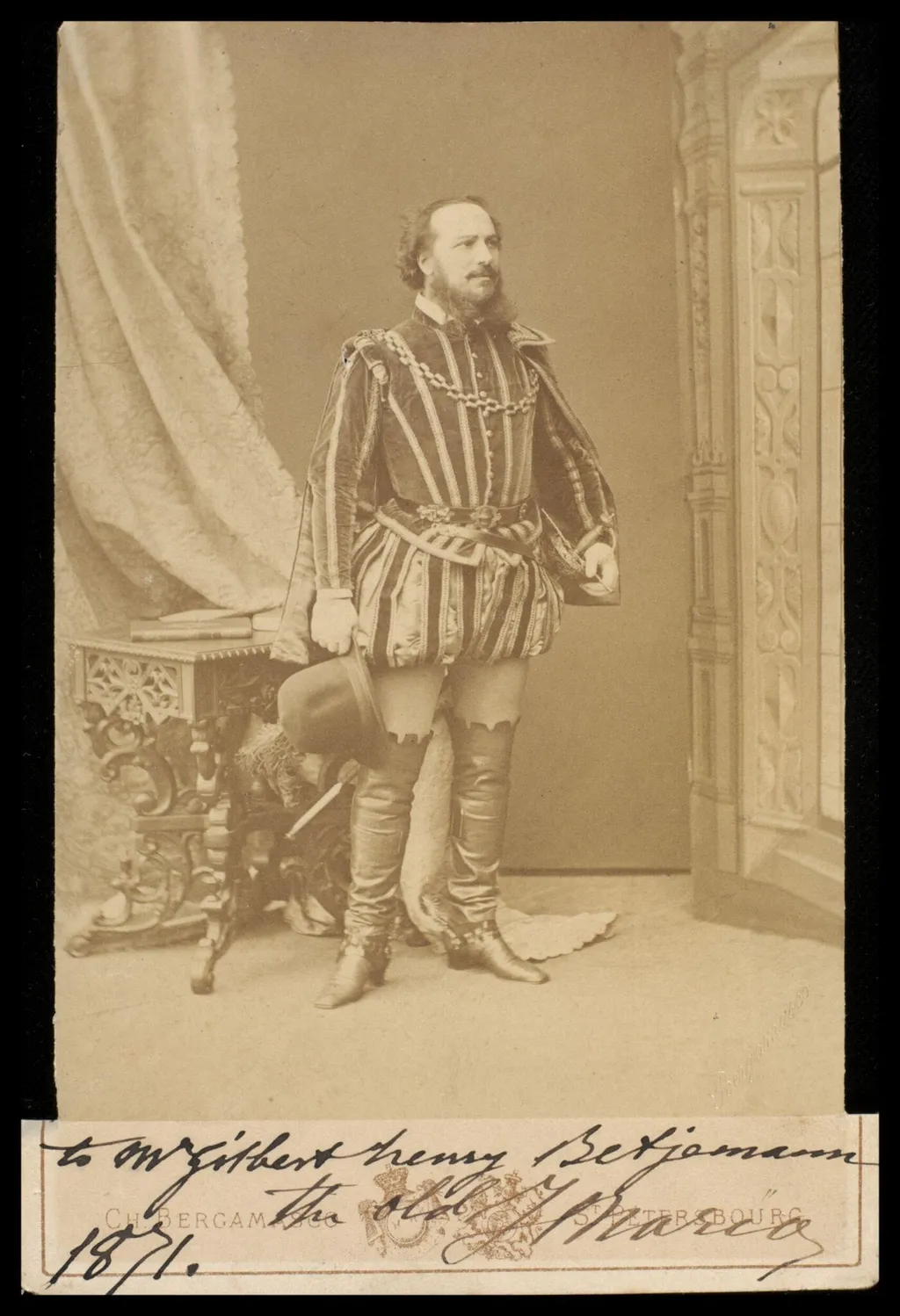
Guy Little Theatrical Photograph is a photographic photography by the Impressionist artist Bergamasco. It is held in the collection of the Victoria and Albert Museum. This photograph is part of a personal collection assembled by Guy Tristram Little, a solicitor and avid collector of visual ephemera.
About this work
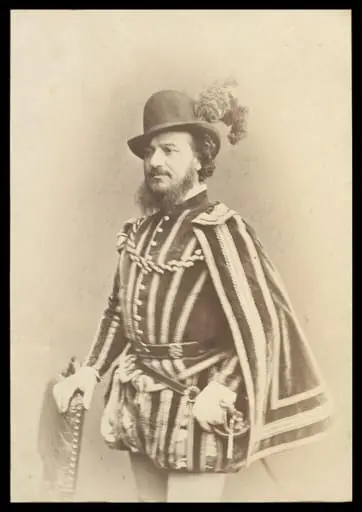
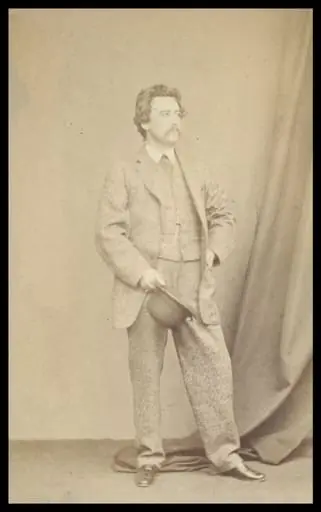
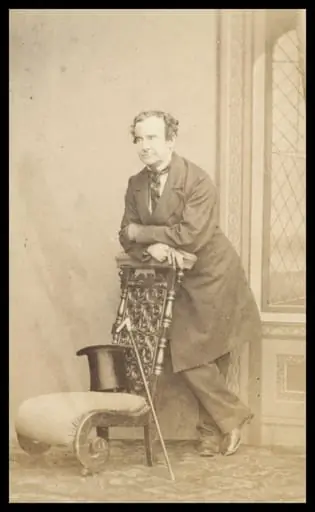
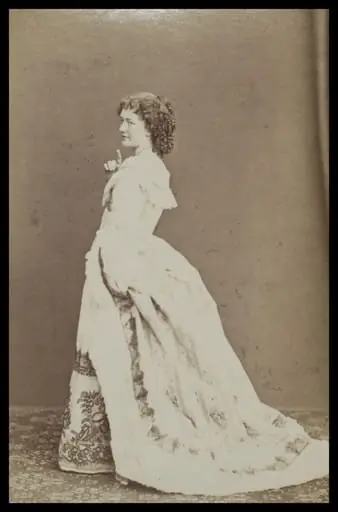
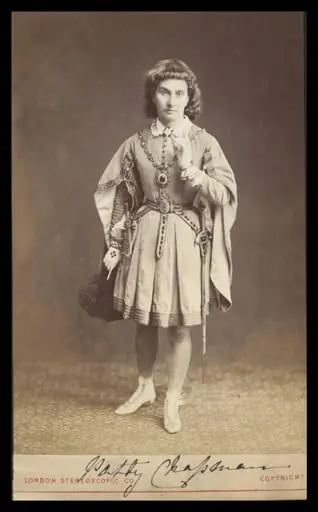
This photo shows Giuseppe Mario in costume, taken by Bergamasco around 1871. Actors loved these small prints to share their image and build fame. Photography was new and exciting then.
These cards were called *cartes de visite*. They fit in albums like trading cards. By the 1870s, bigger *cabinet cards* took over.
Look up the Victoria and Albert Museum next.
Overview
It was originally a commercial portrait, produced as a cabinet card — a larger format that replaced the earlier carte de visite in the 1870s.
This photograph is part of a personal collection assembled by Guy Tristram Little, a solicitor and avid collector of visual ephemera. It was originally a commercial portrait, produced as a cabinet card — a larger format that replaced the earlier carte de visite in the 1870s. The image was mounted in an album alongside hundreds of similar theatrical portraits, later donated to the Victoria and Albert Museum. Little’s collection reflects a Victorian fascination with documenting public figures through accessible photographic formats.
Subject & Meaning
The subject is Giuseppe Mario, a celebrated Italian tenor of the mid-19th century, depicted in theatrical costume. His portrayal was intended to reinforce his public persona, allowing audiences to connect with him beyond the stage. Such images served as both promotional tools and personal mementos, circulating among fans and collectors. The costume signals his role, not his everyday identity, emphasizing performance as a form of public representation.
Technique & Style
The photograph is an albumen print on card, made from a glass negative using the standard process of the period. Bergamasco, the photographer, employed controlled studio lighting to highlight the actor’s costume and facial expression. The composition is formal, with minimal background detail, focusing attention on the figure. The card’s printed border includes the photographer’s name, a common feature that lent credibility and brand recognition to commercial portrait studios.
History & Provenance
The image was acquired by Guy Tristram Little, who removed it and other photographs from their original mounts and organized them into thematic albums. Little, executor of Gabrielle Enthoven’s estate, inherited her extensive theatrical archive. His own collection, including this photograph, was bequeathed to the V&A in 1953. The museum’s Theatre Collections owe much to this dual legacy of Enthoven’s curation and Little’s preservation.
Context
In the 1870s, cabinet cards replaced the smaller carte de visite as the preferred format for celebrity portraits, offering greater detail and durability. Their popularity coincided with rising literacy, urbanization, and the growth of mass media. Theatrical figures like Mario were among the most frequently photographed subjects, as their public visibility made them ideal for a burgeoning culture of visual consumption and fan culture.
Legacy
Little’s albums preserved a vast archive of 19th-century theatrical imagery that might otherwise have been lost. The V&A’s holdings, built on his contributions, remain a key resource for studying performance, identity, and the material culture of photography. This photograph exemplifies how personal collecting practices helped shape institutional memory, bridging private interest and public heritage.
Artist & collection
Artist
Giovanni Battista Castello (1500 or 1509–1569 or 1579) was an Italian historical painter.