Artwork
Guy Little Theatrical Photograph
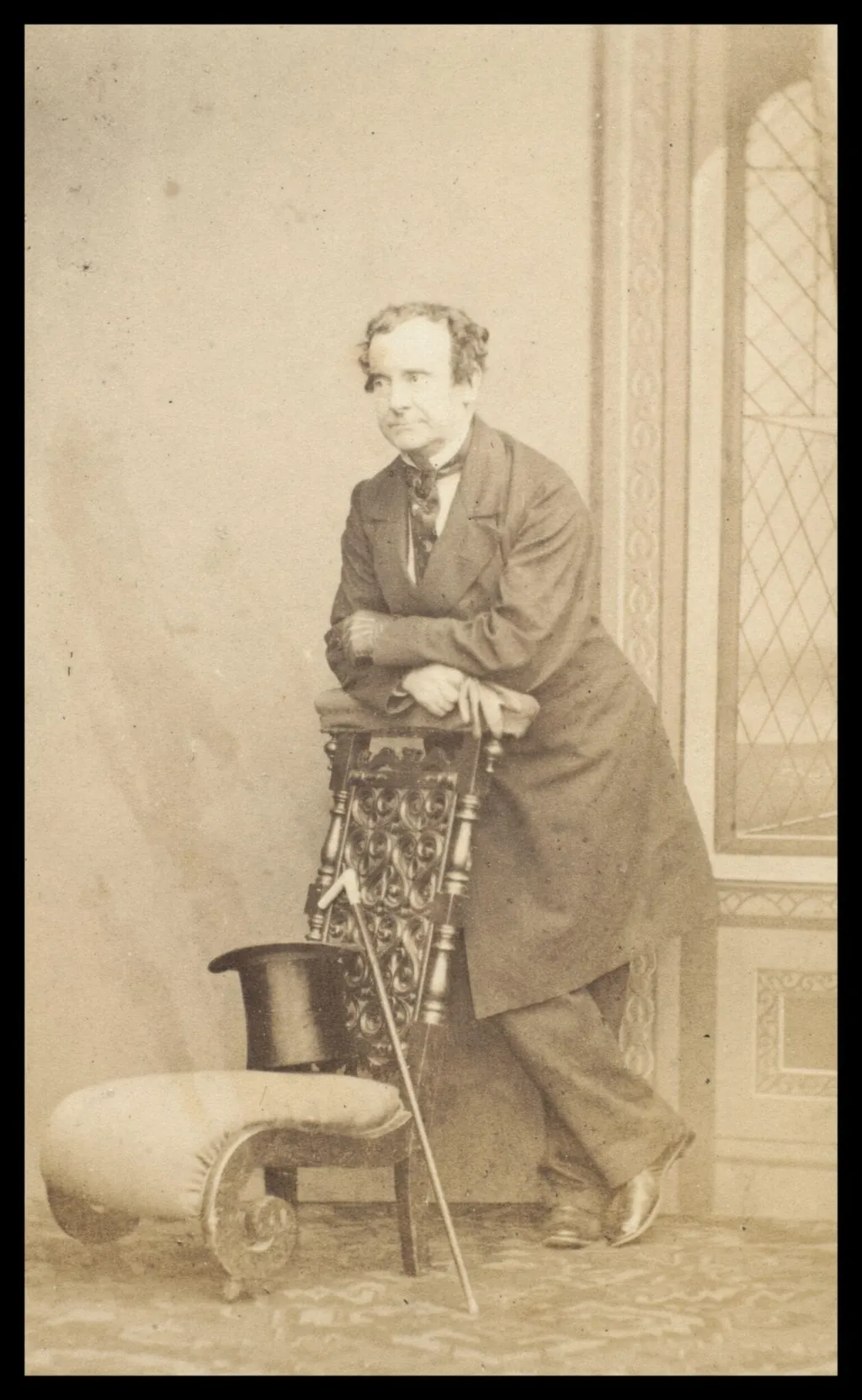
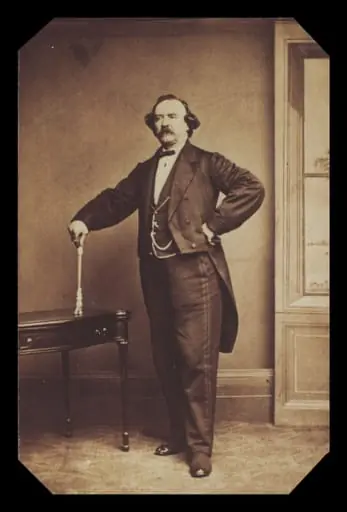
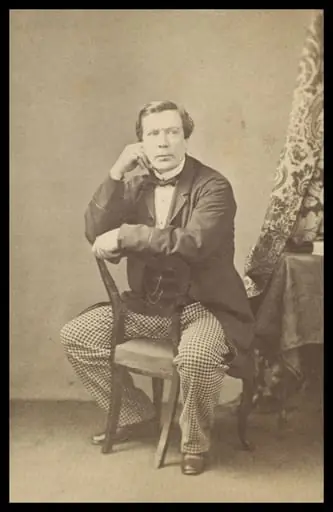
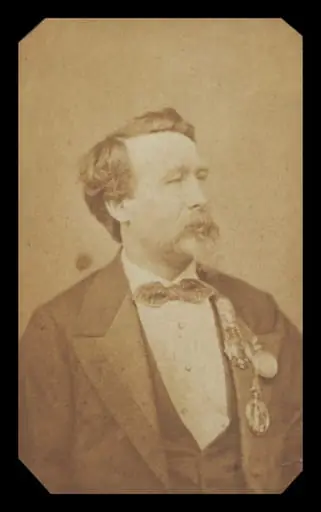
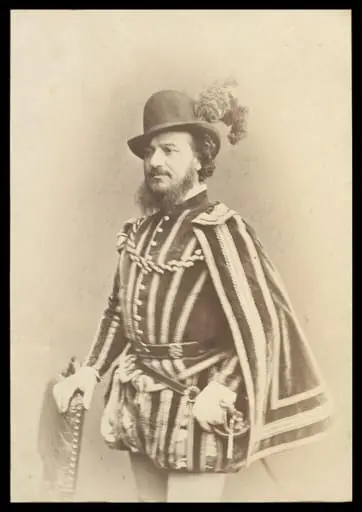
Guy Little Theatrical Photograph is a photographic photography by Hannah & Kent. It dates from 1850 and is held in the collection of the Victoria and Albert Museum.
About this work
Overview
Little mounted these images in albums after removing them from their original card mounts, preserving them as part of a broader archive of visual culture.
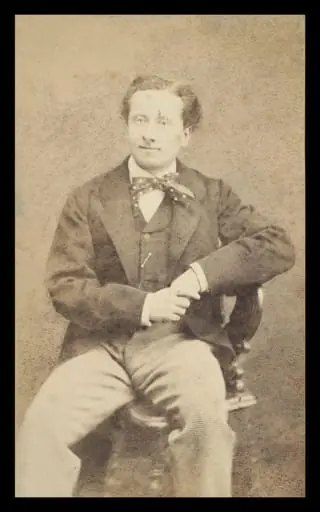
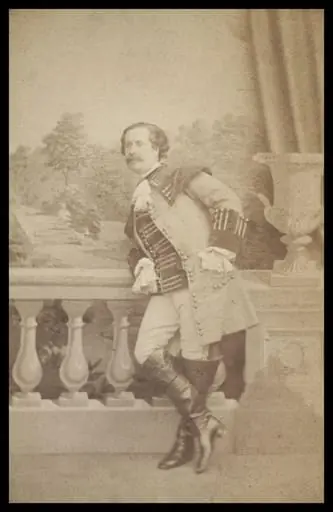
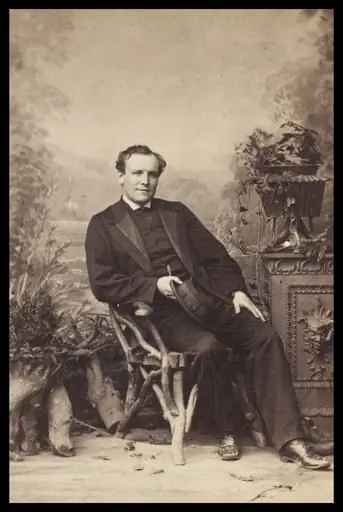
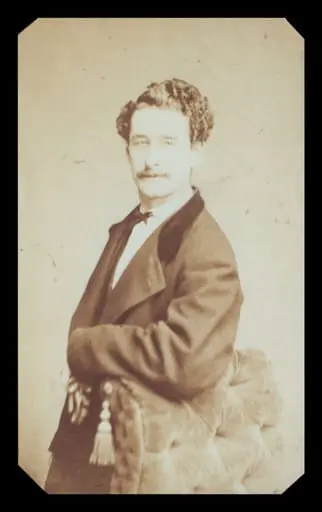
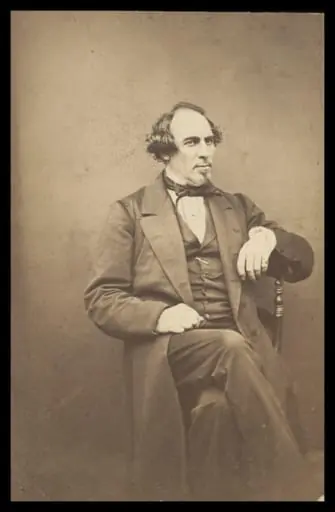
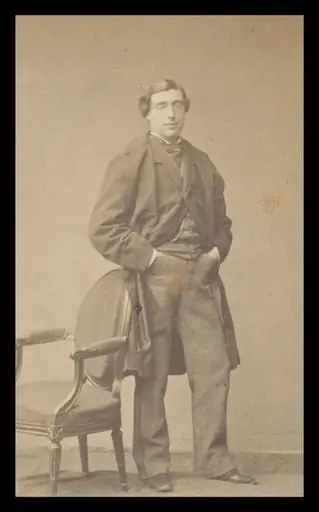
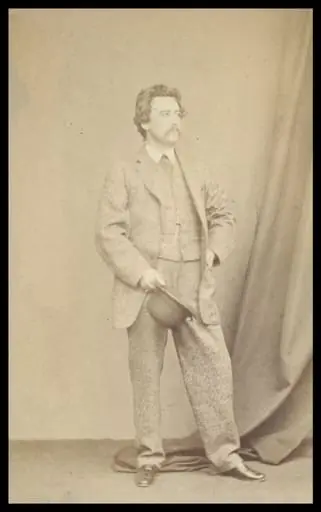
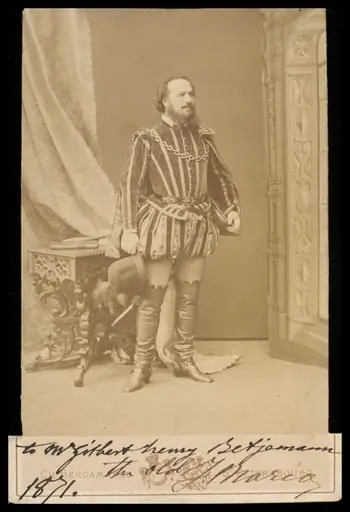
This photograph, taken by Hannah & Kent in the late 19th century, is a cabinet card featuring the actor Frank Matthews. It belongs to a private collection assembled by Guy Tristram Little, a solicitor and avid collector of photographic memorabilia. Little mounted these images in albums after removing them from their original card mounts, preserving them as part of a broader archive of visual culture. The collection was later bequeathed to the Victoria and Albert Museum.
Subject & Meaning
Frank Matthews, likely a stage performer of the period, is depicted in a formal studio pose, possibly in costume or attire associated with his theatrical roles. Such portraits served as personal mementos for admirers and as promotional tools for actors. Unlike modern celebrity imagery, these images circulated among collectors as tangible connections to the performing arts, reflecting the Victorian fascination with public figures and the growing culture of visual consumption.
Technique & Style
The image is an albumen print on paper, adhered to a stiff card backing, typical of cabinet cards produced after the 1870s. Made from glass negatives, the process allowed for sharper detail than earlier cartes de visite. The composition is straightforward—centered figure, neutral backdrop—emphasizing the subject’s presence without theatrical embellishment. The photographer’s name, Hannah & Kent, is printed along the lower edge, a standard practice for commercial studios of the era.
History & Provenance
The photograph was part of Guy Tristram Little’s personal collection, which he systematically organized and preserved. Little, a partner in a London legal firm, was also the executor of Gabrielle Enthoven’s theatrical archive. Upon his death in 1953, his collection of photographs, greeting cards, and games was donated to the V&A, significantly enriching the museum’s holdings of Victorian and Edwardian visual ephemera related to performance.
Context
Cabinet cards replaced the smaller cartes de visite as the preferred format for portrait photography in the 1870s, offering greater durability and visual impact. Their popularity coincided with rising literacy, urbanization, and the expansion of the theater-going public. These cards were not merely souvenirs but cultural artifacts, exchanged among friends and displayed in albums, mirroring the social rituals of the time and the democratization of image ownership.
Legacy
Little’s collection, now housed at the V&A, preserves a quiet but vital record of 19th-century theatrical culture. These photographs, once personal keepsakes, now serve as historical documents, offering insight into how actors were perceived and how audiences engaged with performance beyond the stage. The archive remains a key resource for scholars studying the intersection of photography, celebrity, and popular taste in the Victorian era.
Artist & collection
Artist