Artwork
Mehlmarkt in Vienna
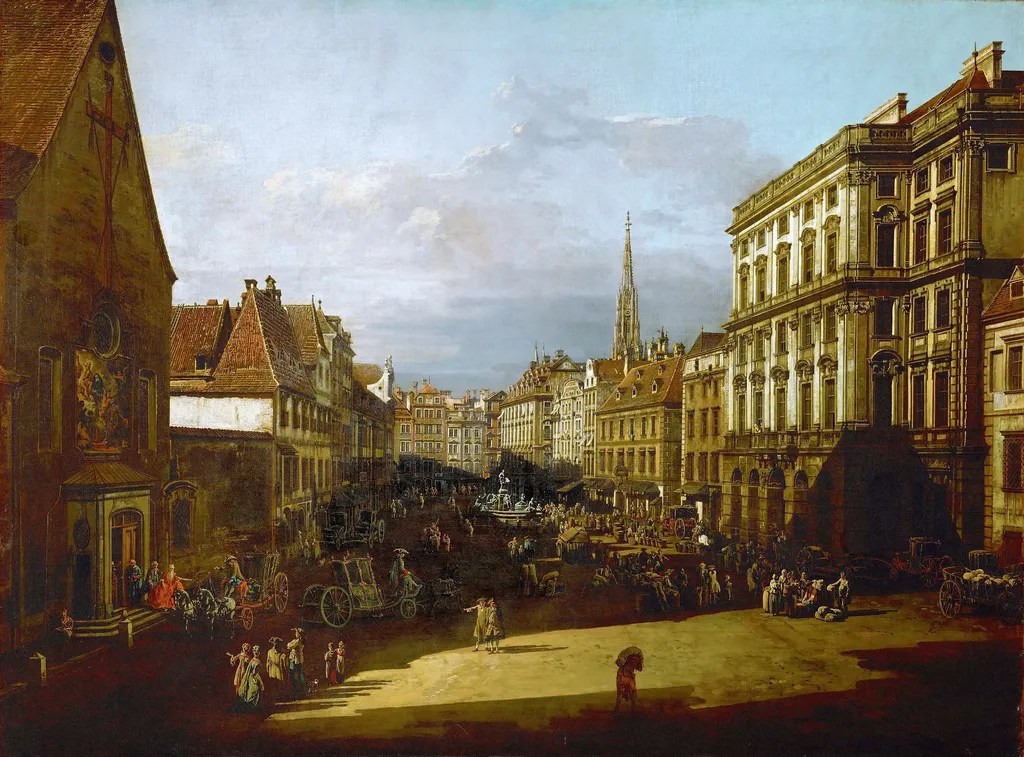
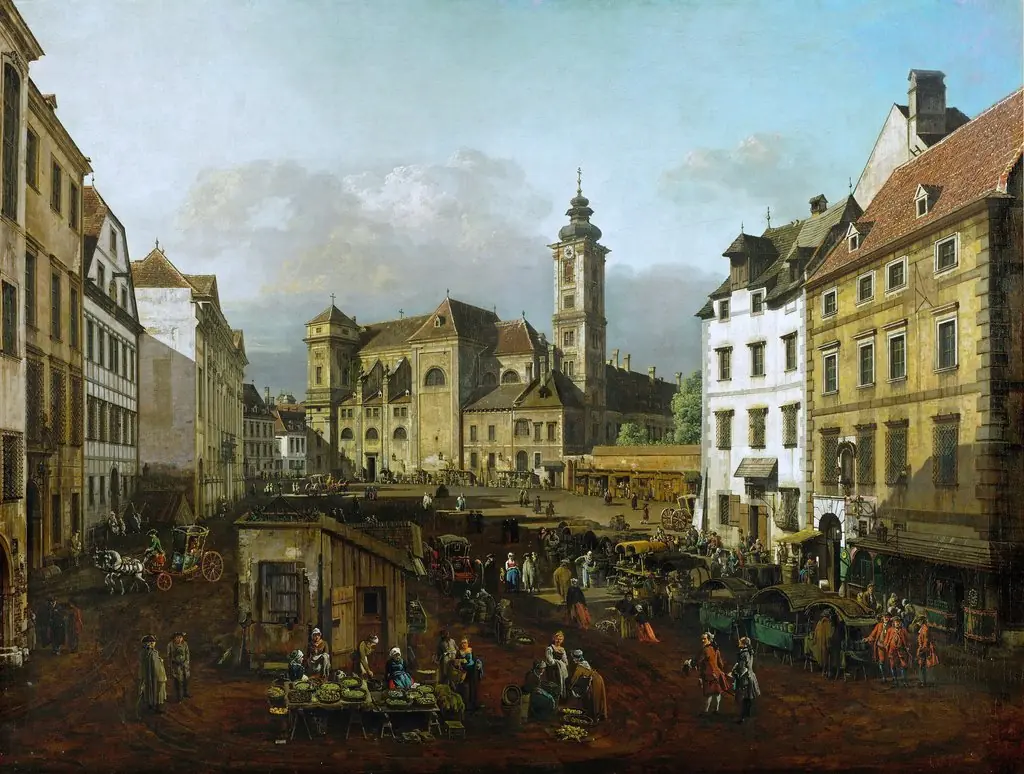
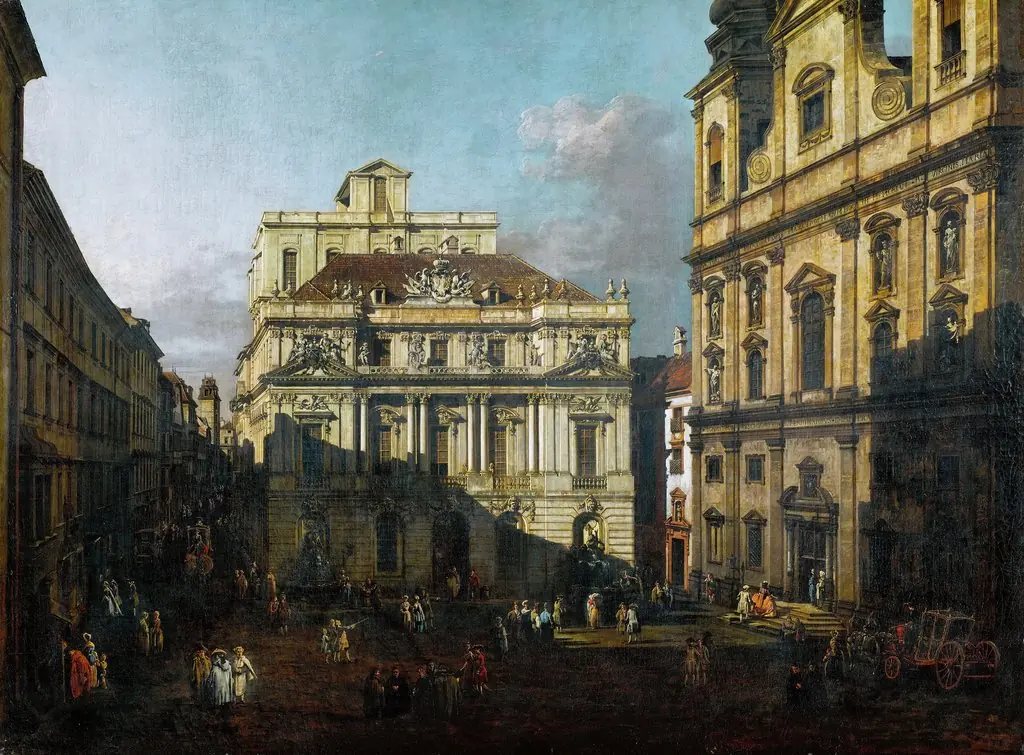
Mehlmarkt in Vienna is an oil painting by the Rococo painting artist Bernardo Bellotto. It dates from 1758 and is held in the collection of the Kunsthistorisches Museum.
About this work
Overview
Bernardo Bellotto’s 1758 oil painting *Mehlmarkt in Vienna* presents an urban scene from mid-eighteenth-century Vienna. Executed with meticulous precision, the work captures a moment in the city’s daily life, emphasizing architectural grandeur and human activity. It resides in the Kunsthistorisches Museum, where it contributes to the museum’s collection of European cityscapes.
Subject & Meaning
Figures engage in routine tasks—conversing, trading, or traversing the square—while the surrounding buildings, rendered in warm tones, frame the scene.
The composition centers on Vienna’s Mehlmarkt, a marketplace bustling with commerce and social interaction. Figures engage in routine tasks—conversing, trading, or traversing the square—while the surrounding buildings, rendered in warm tones, frame the scene. Bellotto’s depiction transcends mere topographical record, offering insight into the rhythms of urban existence and the spatial dynamics of public life in Habsburg Vienna.
Technique & Style
Bellotto employs a highly detailed, almost documentary approach, characteristic of his mature style. The painting’s depth is achieved through linear perspective and subtle gradations of light, which model forms with volumetric clarity. Textures—from stone facades to fabric garments—are rendered with fine brushwork, while the golden illumination lends the scene atmospheric cohesion. This technical rigor aligns with the conventions of eighteenth-century vedute painting.
History & Provenance
Created during Bellotto’s tenure as court painter to Empress Maria Theresa, the work reflects the artist’s role in documenting Vienna’s urban landscape. Its early history remains tied to imperial collections, eventually entering the holdings of the Kunsthistorisches Museum. The painting’s provenance underscores its dual function as both artistic production and historical document, preserving a specific moment in the city’s development.
Context
The work emerges from a period of architectural transformation in Vienna, as Baroque ideals gave way to early neoclassical influences. Bellotto’s cityscapes, often commissioned by European courts, served to celebrate urban order and prosperity. *Mehlmarkt in Vienna* situates itself within this tradition, capturing not only the physical environment but also the social and economic vitality of the Habsburg capital during the mid-eighteenth century.
Own this work as a print
Artist & collection
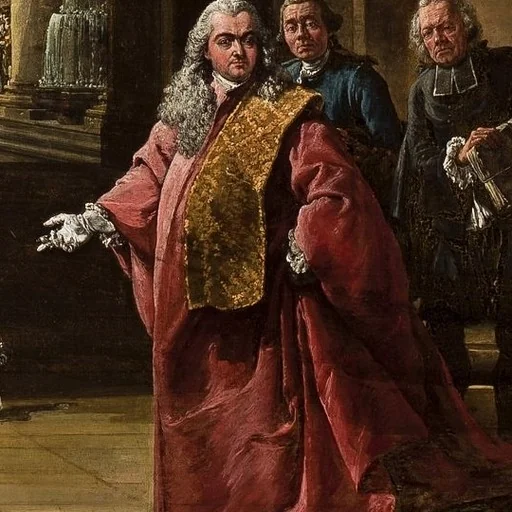
Artist
Bernardo Bellotto, was an Italian urban landscape painter or vedutista, and printmaker in etching famous for his vedute of European cities – Dresden, Vienna, Turin, and Warsaw.

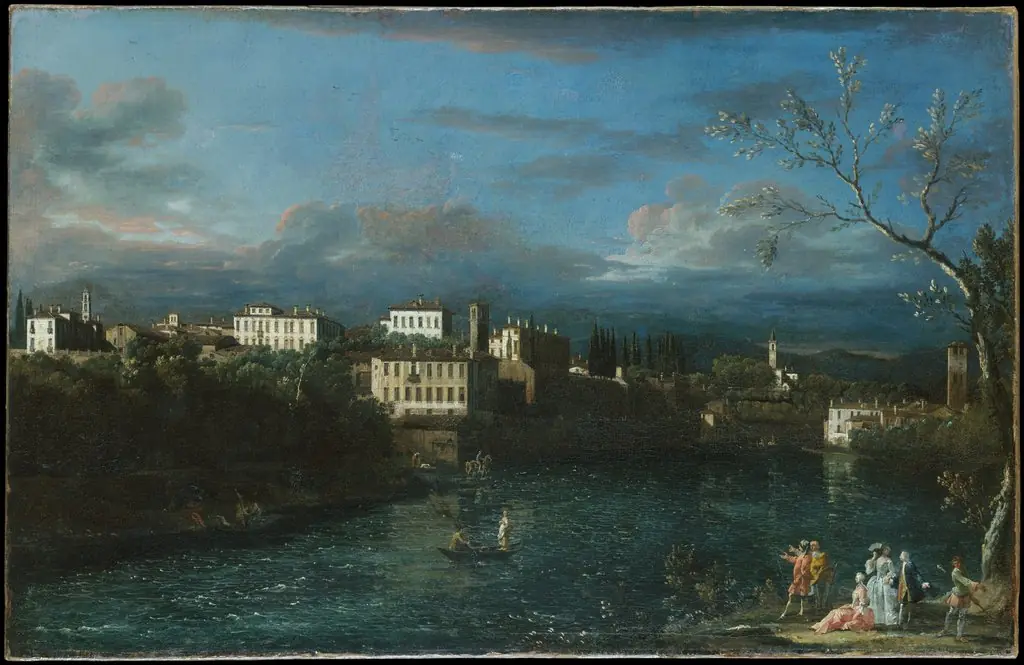 Vaprio d'Adda
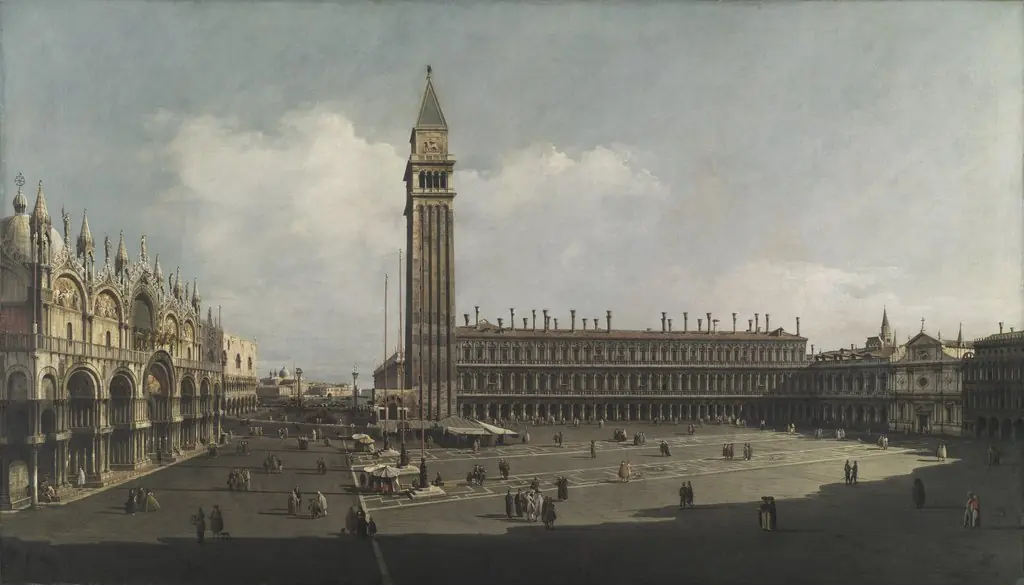 Piazza San Marco, Venice
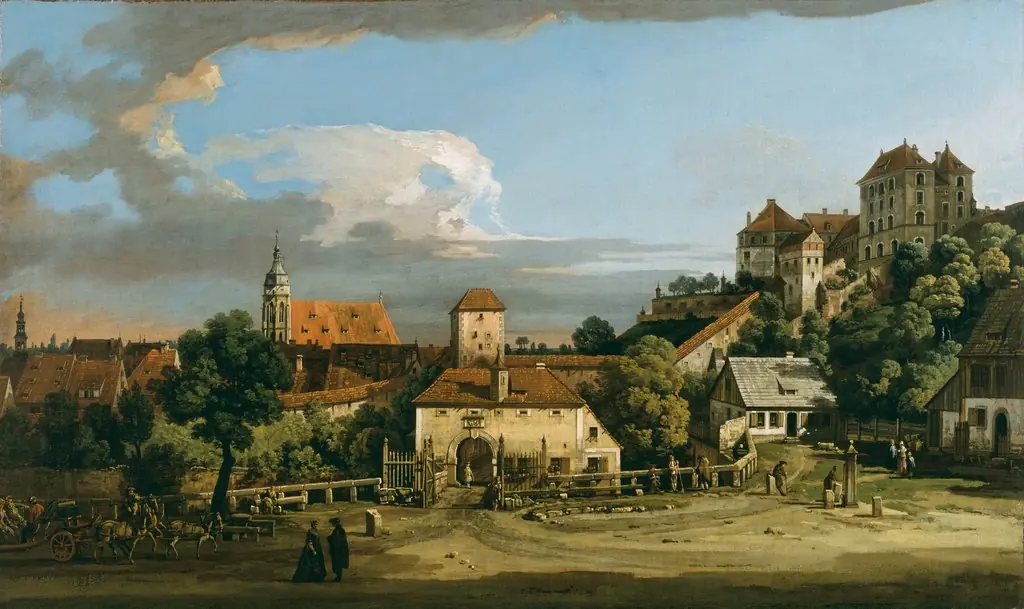 Pirna: The Obertor from the South
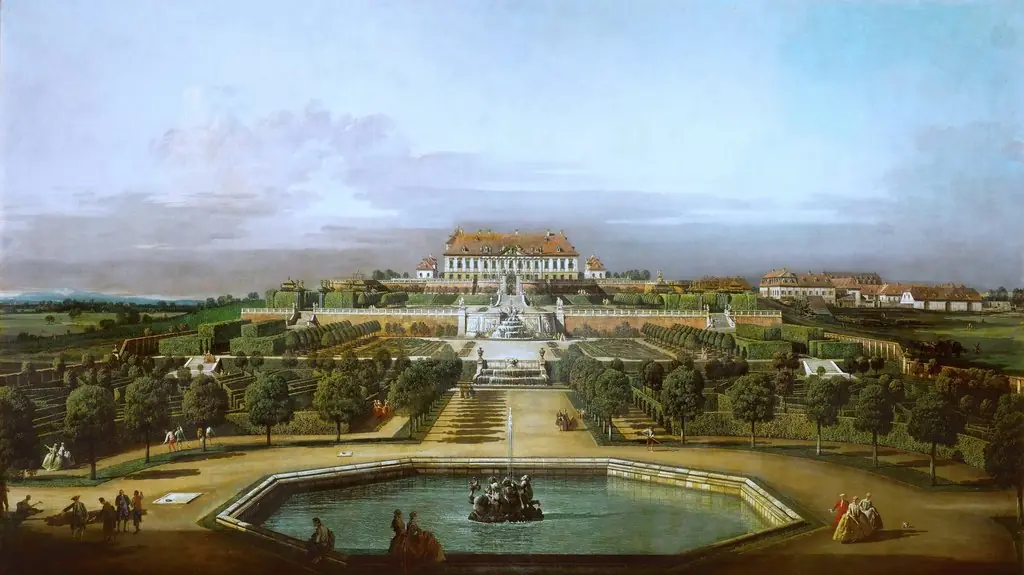 Schloss Hof, Garden Side
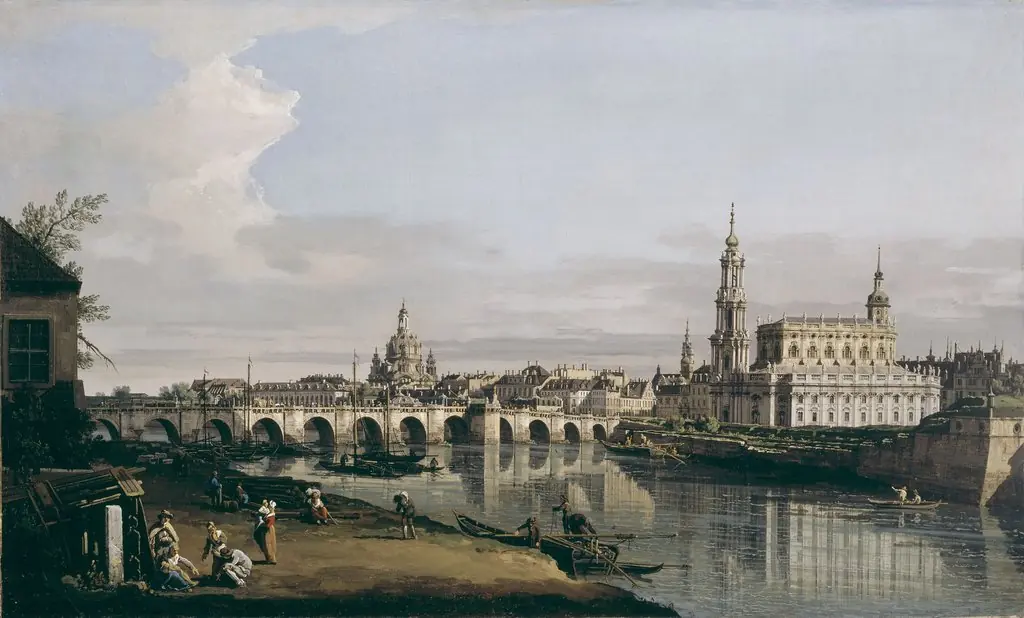 Dresden from the Right Bank of the Elbe, below the Augustus Bridge
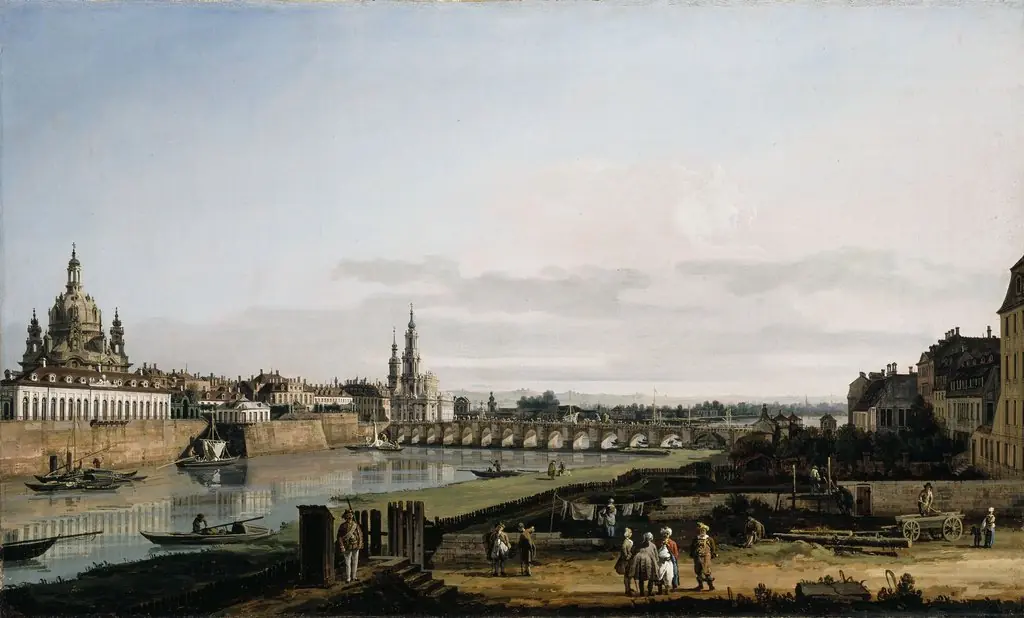 Dresden from the Right Bank of the Elbe above the Augustus Bridge
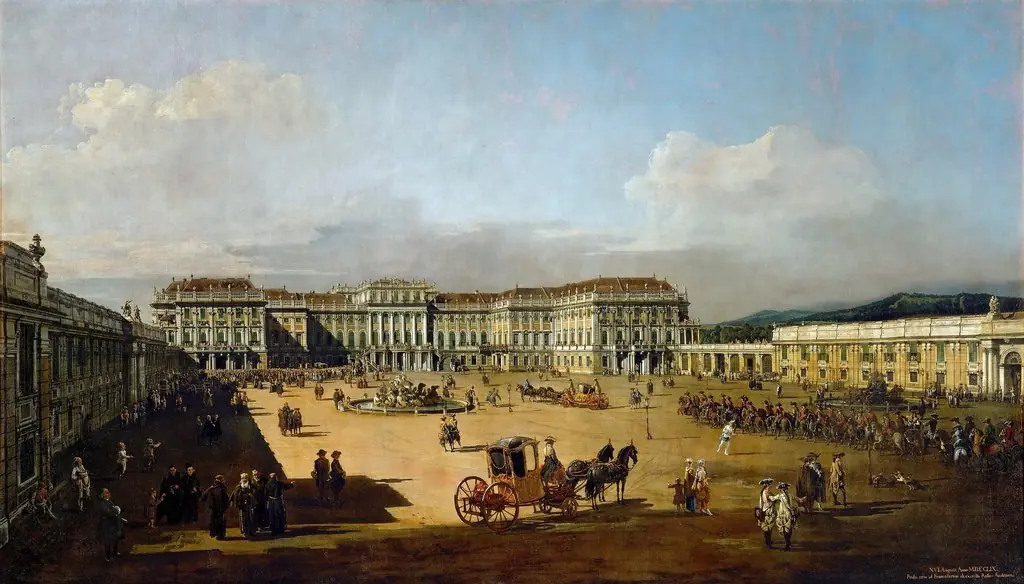 Das kaiserliche Lustschloß Schönbrunn, Ehrenhofseite
 Universitätsplatz in Vienna