Artwork
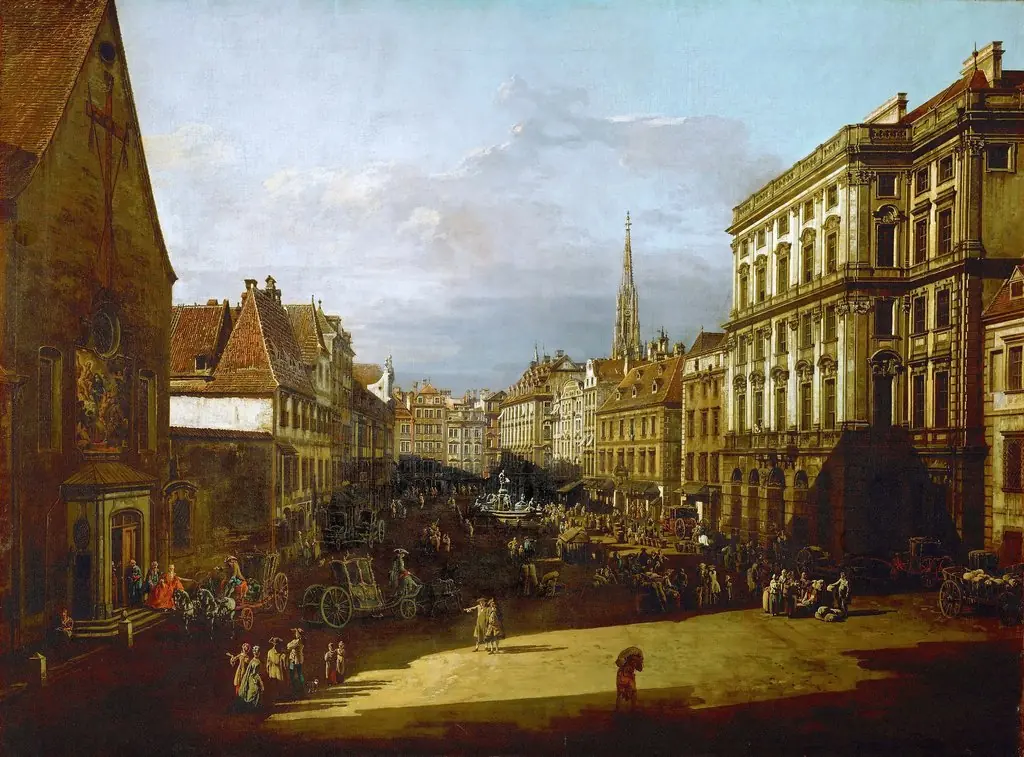
The Freyung in Vienne, from the South-East
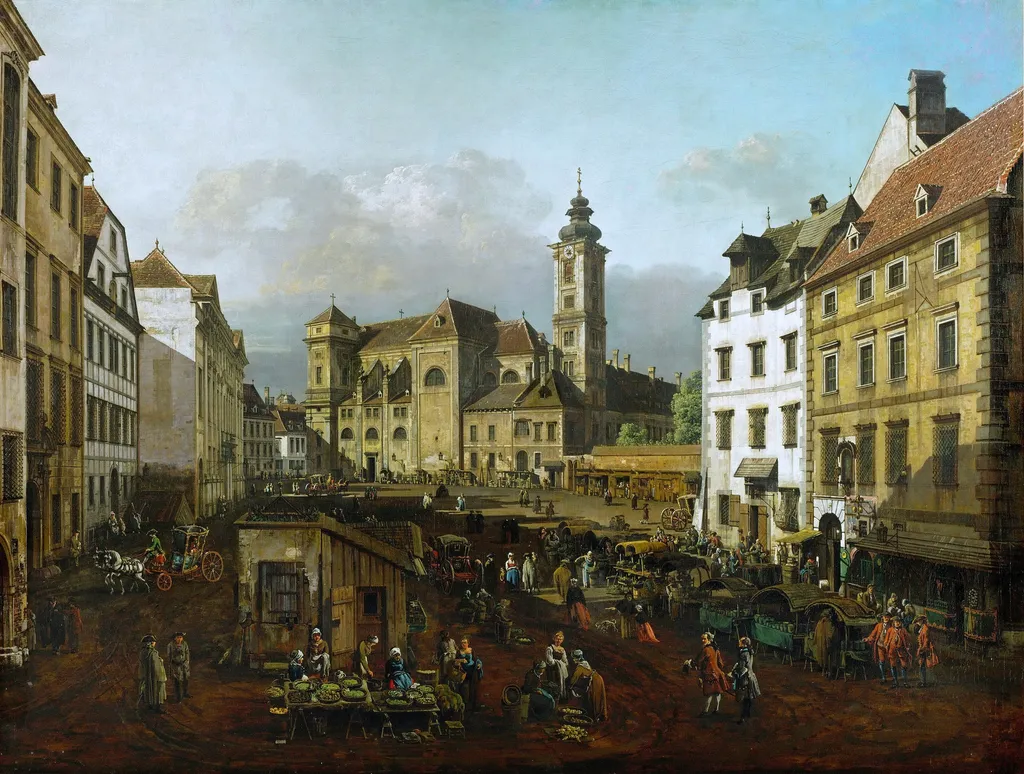
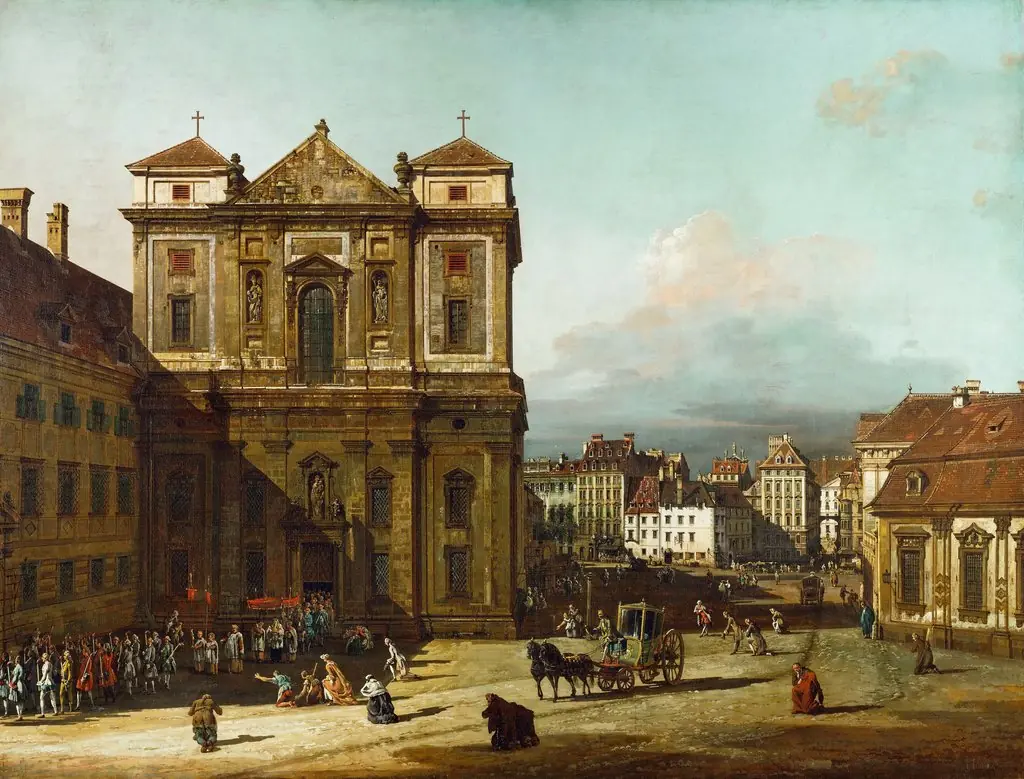
The Freyung in Vienne, from the South-East is an oil painting by the Rococo painting artist Bernardo Bellotto. It dates from 1758 and is held in the collection of the Kunsthistorisches Museum.
About this work
Overview
Painted in 1758 by Bernardo Bellotto, this oil on canvas captures the Freyung, a public square in Vienna, viewed from the southeast. The work is part of a series documenting urban landscapes in Central Europe during the mid-18th century. It resides today in the Kunsthistorisches Museum in Vienna, where it contributes to the collection of topographical views by the artist.
Subject & Meaning
The painting portrays the Freyung as a center of civic life, with merchants, pedestrians, and horse-drawn carts animating the space. At its heart stands the Church of the Augustinians, its spire rising above the surrounding architecture. The scene reflects the social rhythm of imperial Vienna, emphasizing commerce and public interaction rather than idealized grandeur.
Technique & Style
Bellotto employs precise linear perspective and subtle chiaroscuro to model the facades of buildings and the figures in the foreground. Light falls diagonally across the square, defining architectural details and casting soft shadows that enhance spatial depth. The brushwork is controlled, favoring clarity over expressive gesture, aligning with the tradition of veduta painting.
History & Provenance
Commissioned during Bellotto’s time in Vienna as court painter to Empress Maria Theresa, the painting was likely intended to document the city’s urban fabric. It entered the Habsburg collections shortly after its completion and remained in imperial holdings, eventually becoming part of the Kunsthistorisches Museum’s permanent display.
Context
In the mid-18th century, Vienna was undergoing architectural expansion under Habsburg rule. Bellotto’s vedute served both as records of urban development and as diplomatic gifts. His accurate depictions of cityscapes were valued for their topographical fidelity, distinguishing his work from more fantastical landscape traditions.
Legacy
Bellotto’s precise renderings of Vienna influenced later topographical artists and provided valuable visual documentation of the city before modernization. His approach to urban scenes, blending observation with compositional discipline, remains a reference in the study of 18th-century European painting and urban history.
Own this work as a print
Artist & collection
Artist
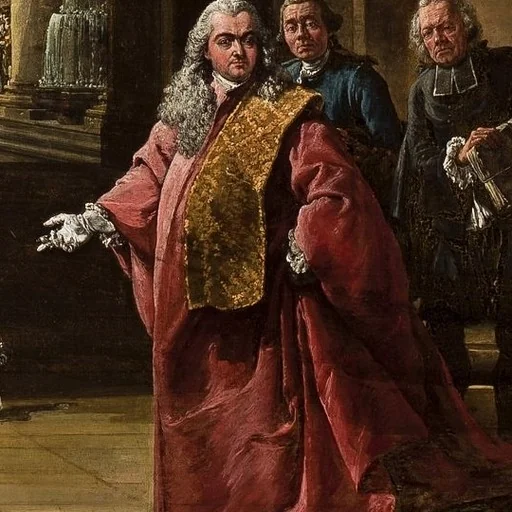
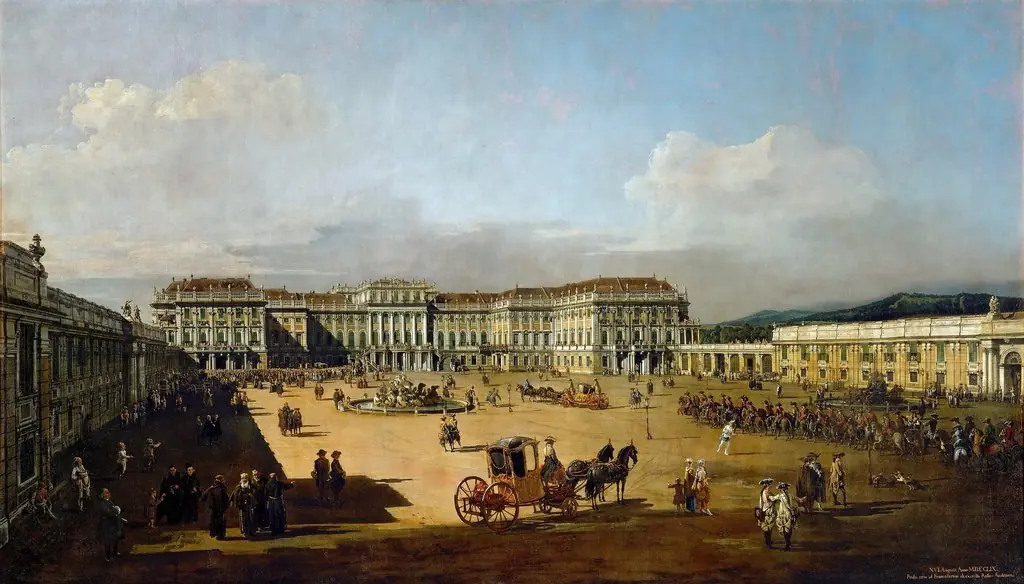
Bernardo Bellotto, was an Italian urban landscape painter or vedutista, and printmaker in etching famous for his vedute of European cities – Dresden, Vienna, Turin, and Warsaw.

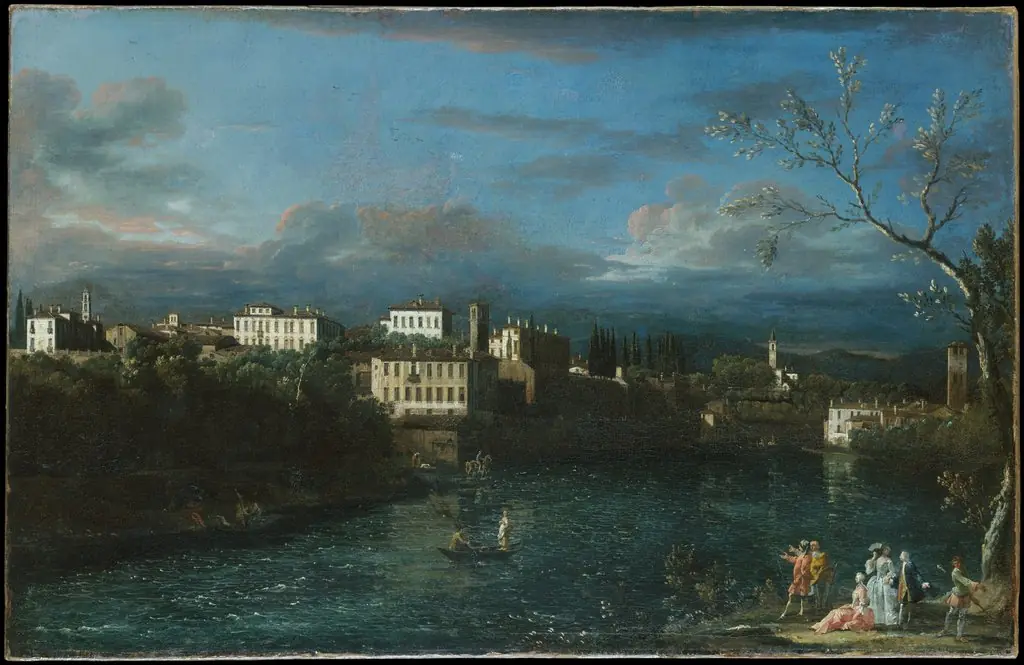
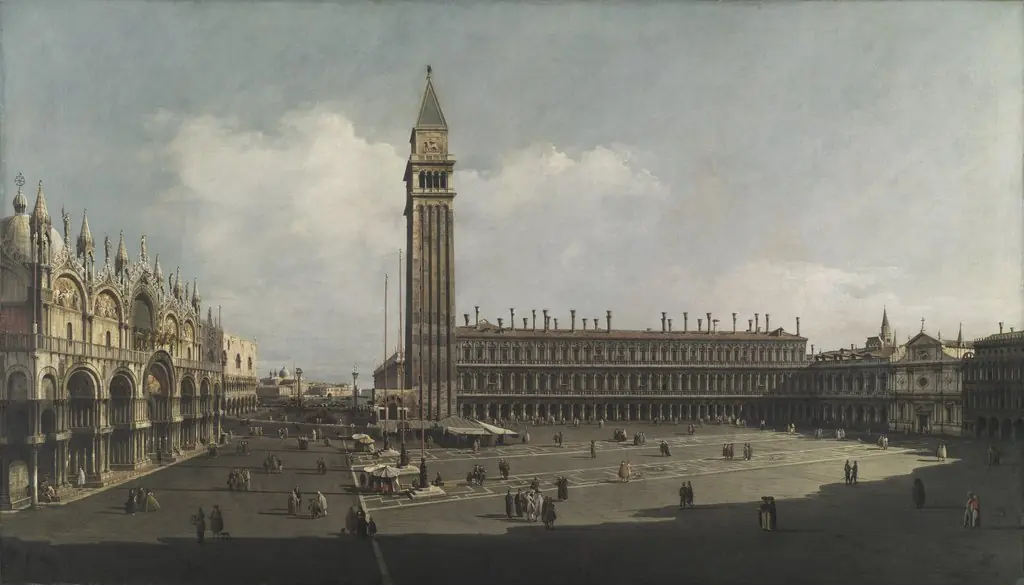
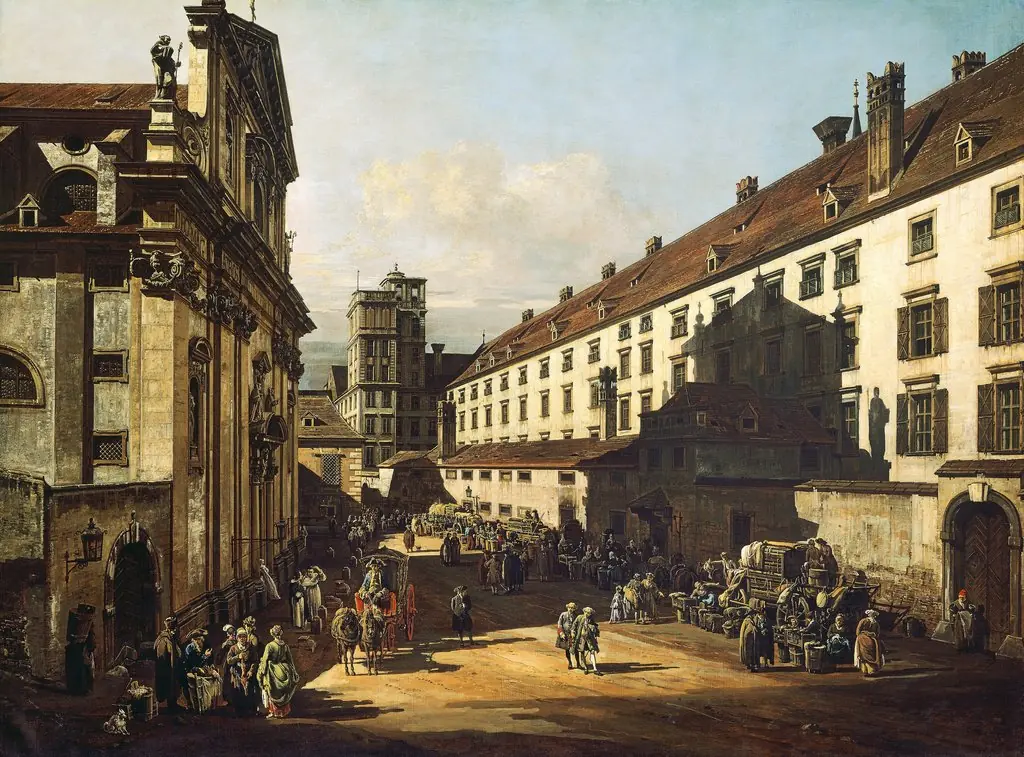 Vienna, Dominican Church
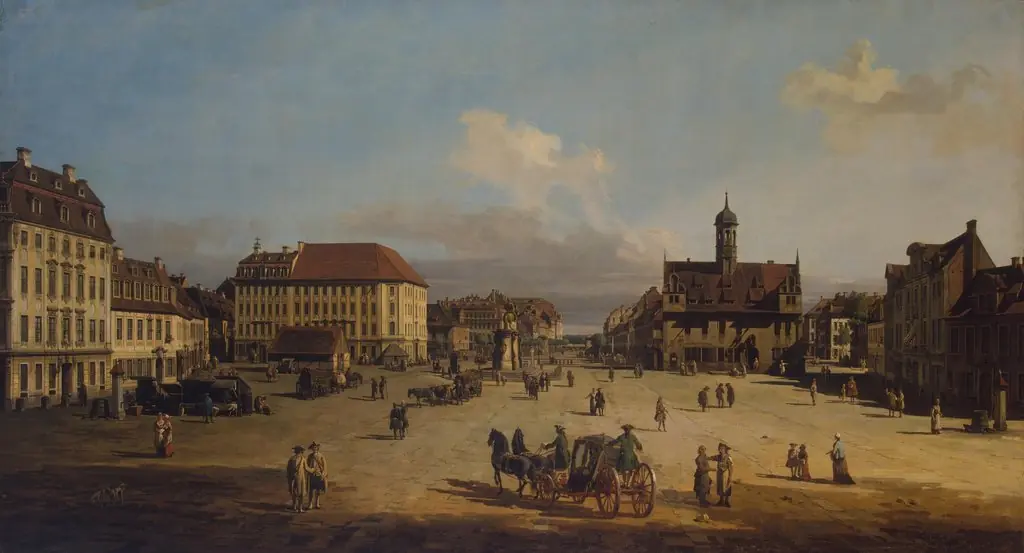 Market-Place of the Neustadt in Dresden
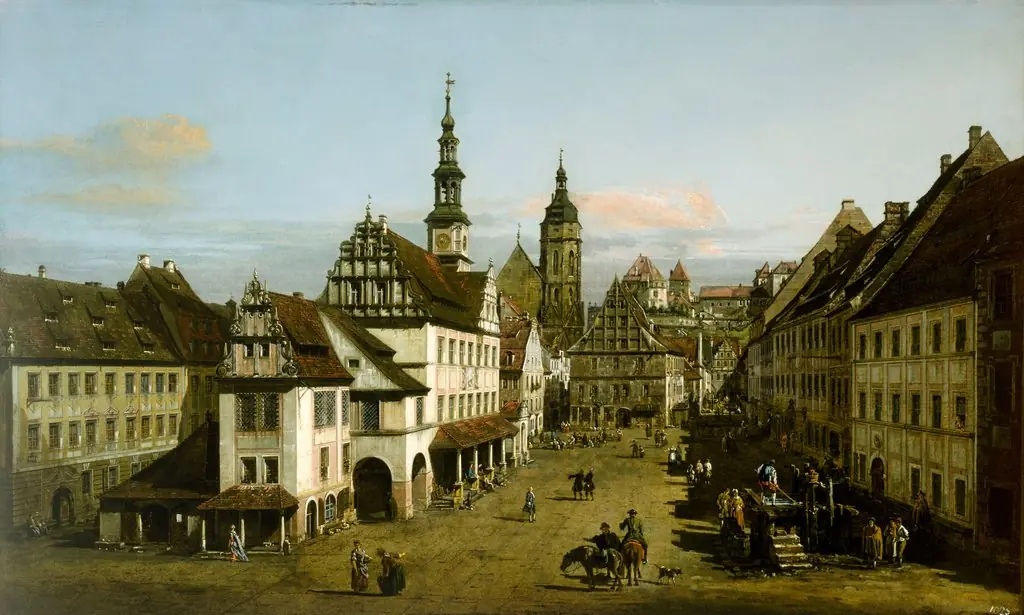 The Marketplace at Pirna
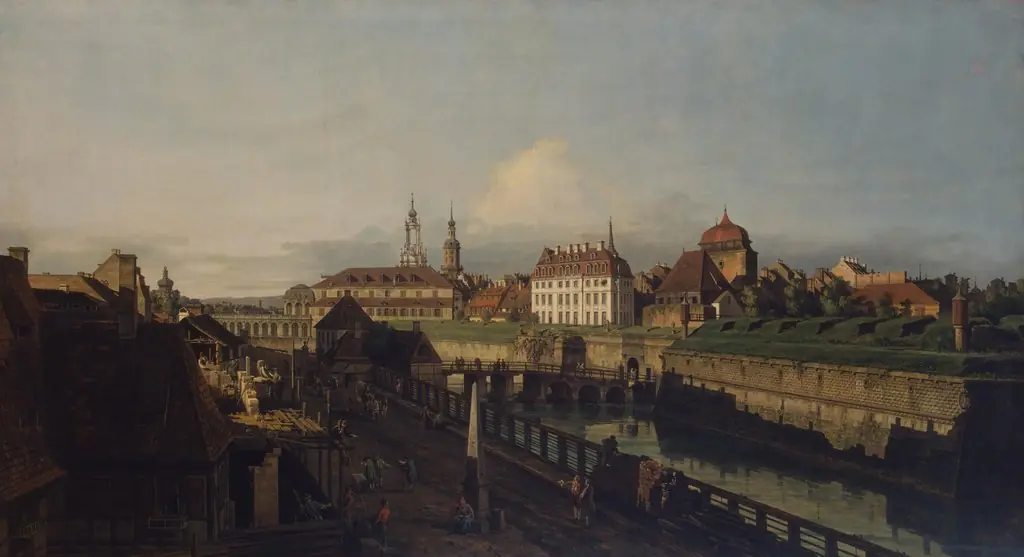 Old Fortifications of Dresden
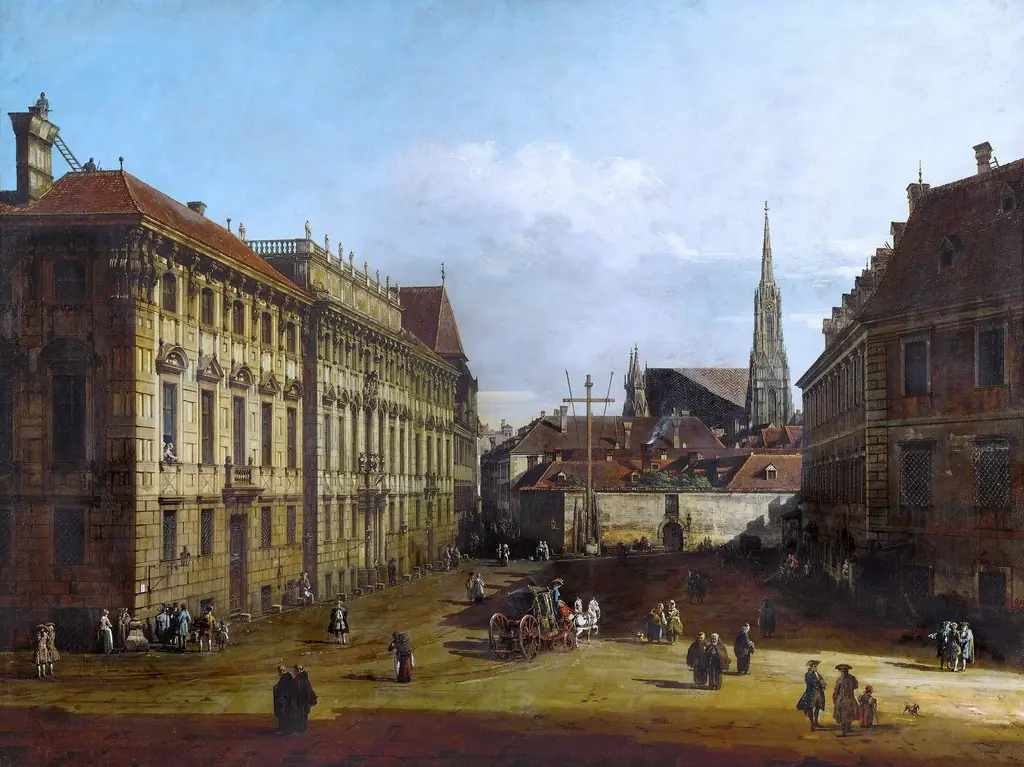 Lobkowitzplatz in Vienna
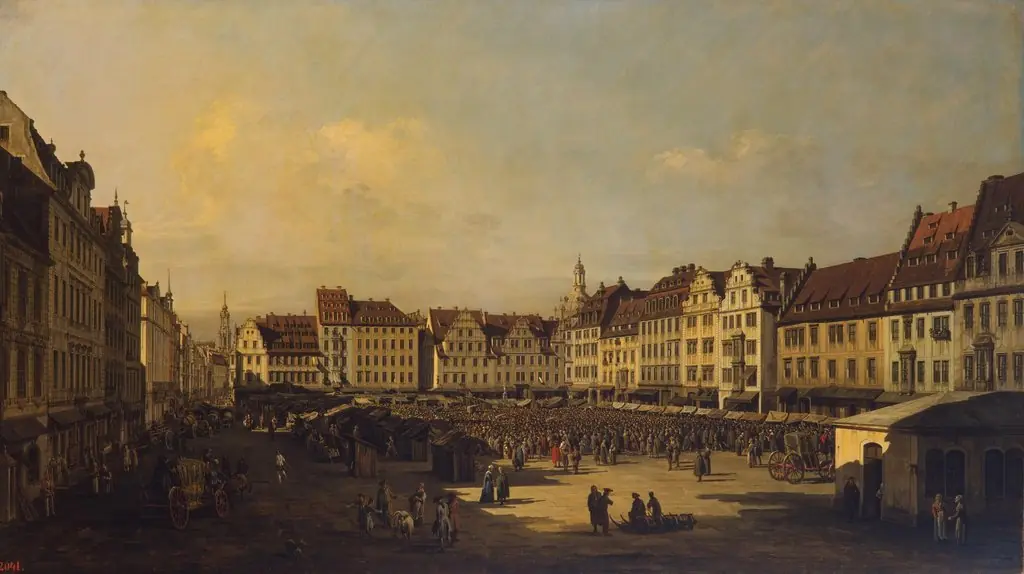 Old Market-Place in Dresden
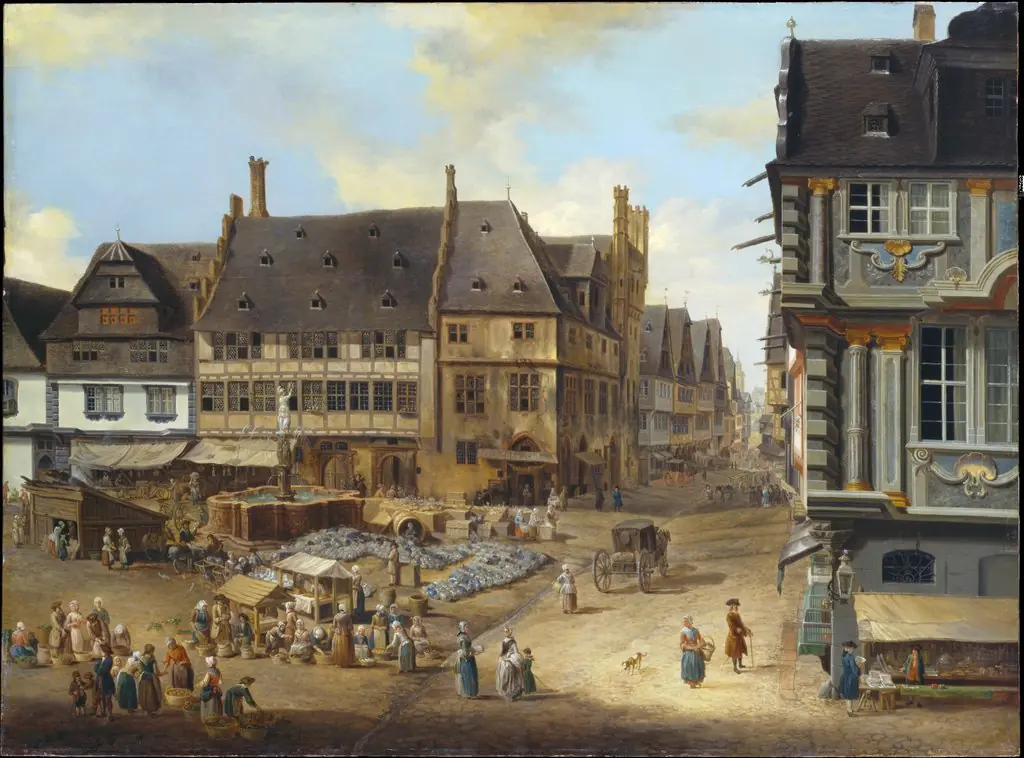 The Liebfrauenberg in Frankfurt
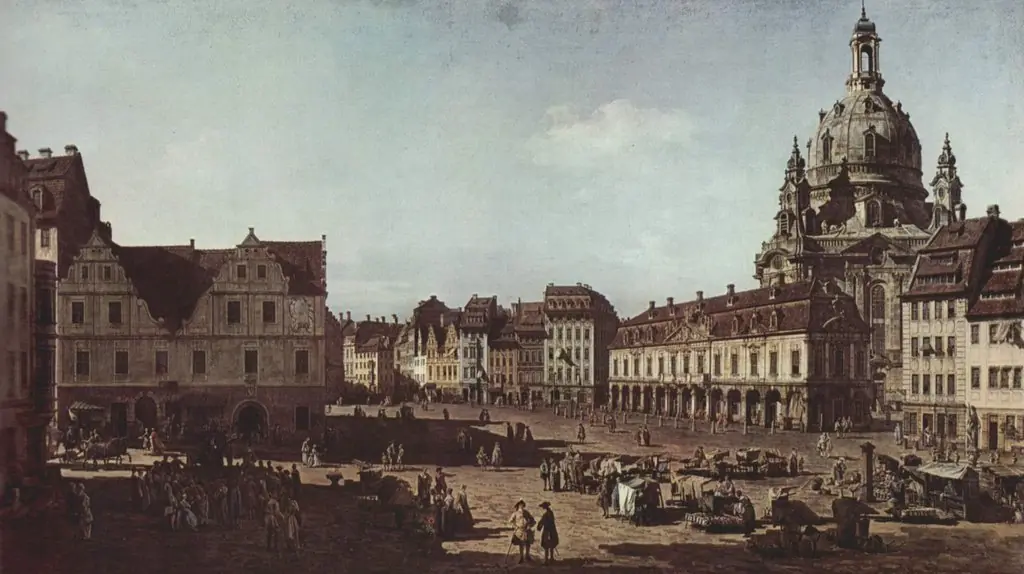 The New Market in Dresden from Moritzstraße
 Biserica din Piața Mare din Cluj
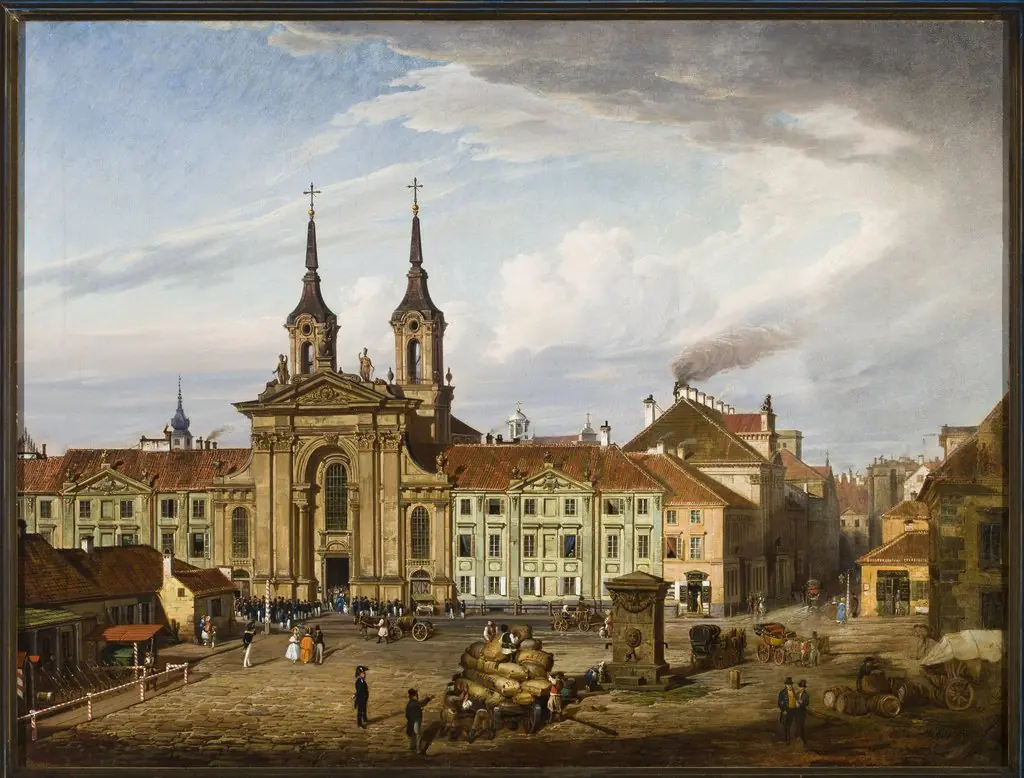 Krasiński Square and the Piarist church
 The Freyung in Vienna, from the North-West