Artwork
Guy Little Theatrical Photograph
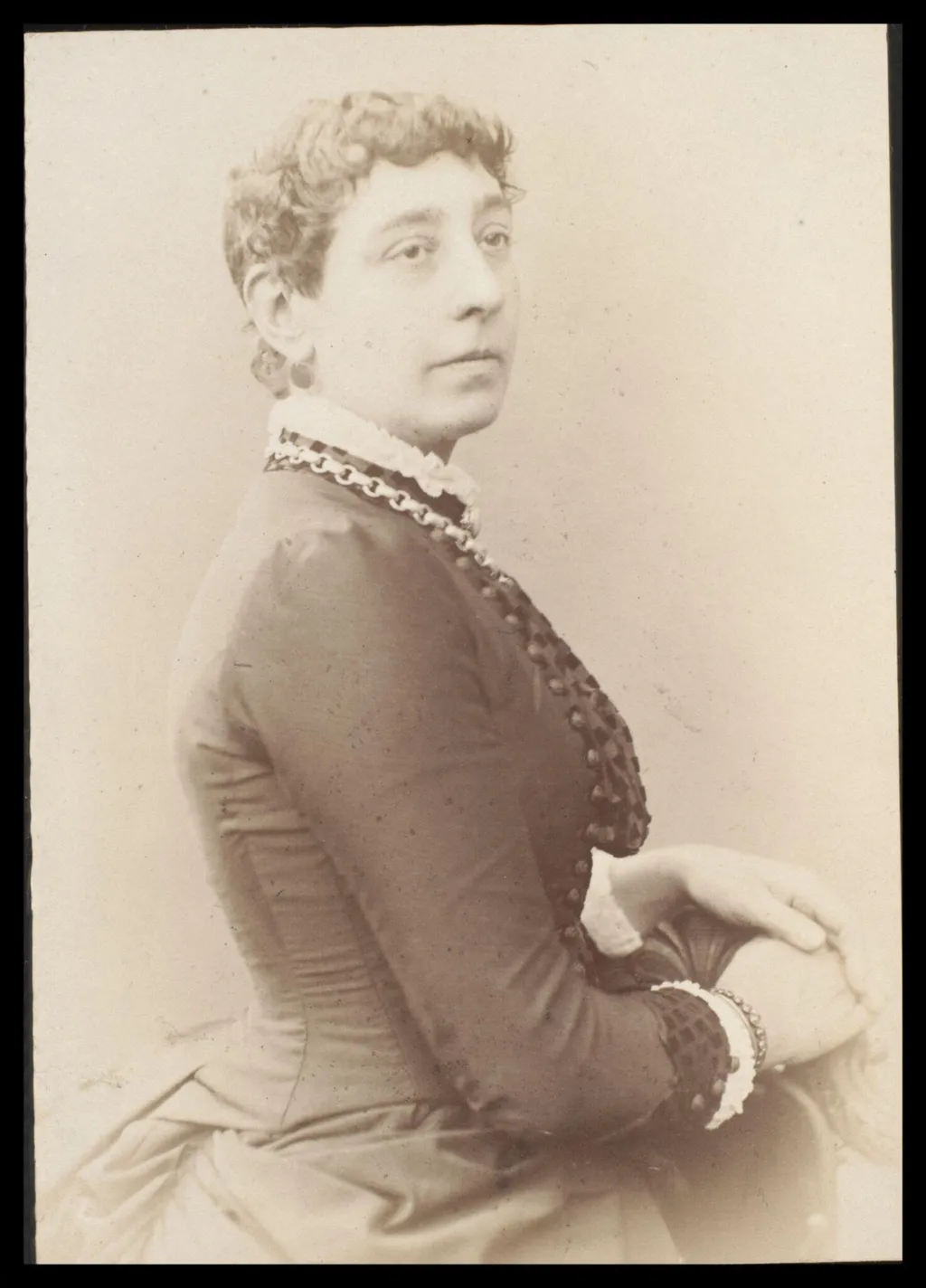
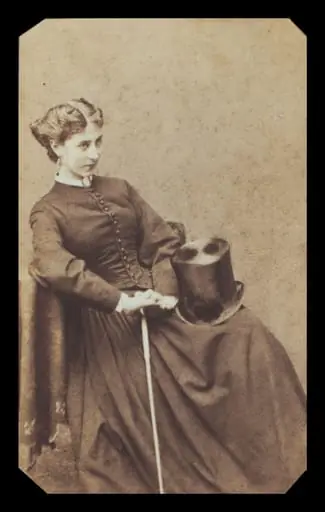
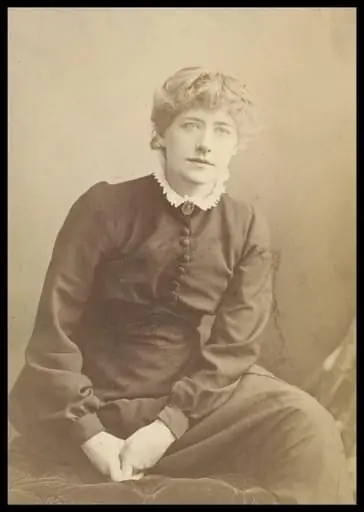
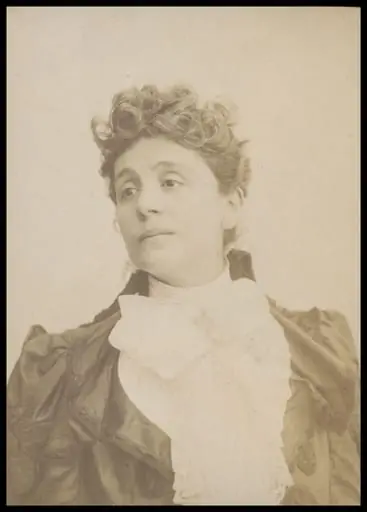
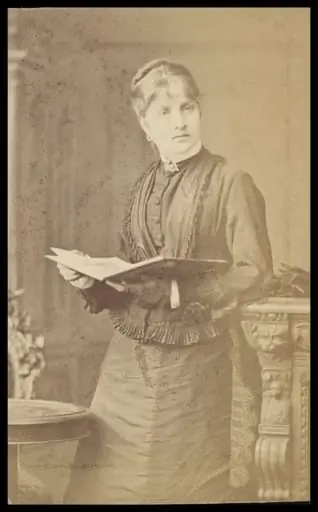
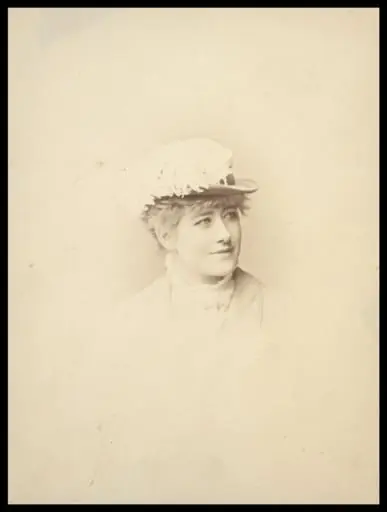
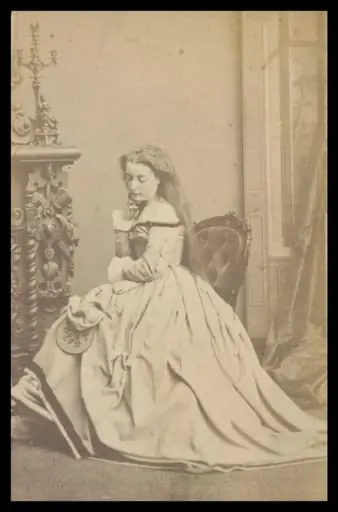
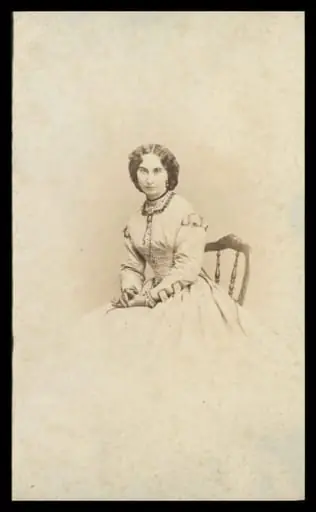
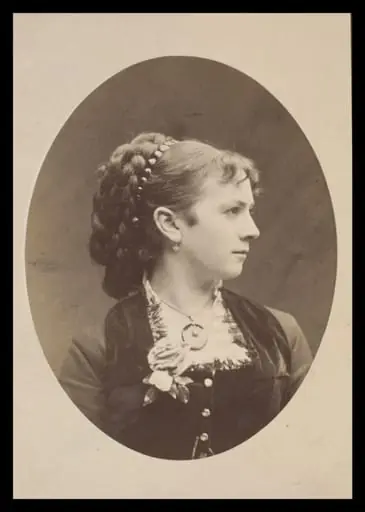
Guy Little Theatrical Photograph is a photographic photography by Nicolas Bertin. It is held in the collection of the Victoria and Albert Museum. This photograph of actress Eliza Johnstone was taken by the studio of Bertin during the mid-to-late 19th century.
About this work
This photograph shows Eliza Johnstone, an actor from the 19th century.
This photograph shows Eliza Johnstone, an actor from the 19th century. Bertin took it during a time when photos were new and exciting. Many actors posed for these shots to share with fans.
Actors often had photos taken in costume or plain clothes. These were printed on stiff card backs with the photographer’s name. Collectors kept them in albums like visiting cards.
Check out more photos by Bertin at the Victoria and Albert Museum.
Overview
This photograph of actress Eliza Johnstone was taken by the studio of Bertin during the mid-to-late 19th century. It belongs to a private collection assembled by Guy Tristram Little, a solicitor and avid collector of ephemera, who bequeathed his holdings to the Victoria and Albert Museum. The image is an albumen print mounted on card, typical of the period’s popular photographic formats, which served both as personal mementos and commercial commodities.
Subject & Meaning
Eliza Johnstone, a stage performer of the Victorian era, is depicted here in theatrical costume, reflecting the common practice of actors posing in character to reinforce their public personas. These images functioned as visual tokens of fame, exchanged among admirers and collected as cultural artifacts. The choice of costume over everyday dress emphasized her professional identity, aligning the photograph with the rituals of theatrical promotion and fan culture of the time.
Technique & Style
The photograph is an albumen print derived from a glass negative, mounted on a stiff card backing bearing the photographer’s imprint. This method, dominant from the 1850s to the 1880s, produced sharp, tonally rich images suited for mass reproduction. The format—likely a carte de visite or early cabinet card—was designed for handling and display, reflecting both technical innovation and the growing market for portable portraiture in an increasingly image-conscious society.
History & Provenance
The photograph was once part of a larger assemblage of theatrical photographs collected by Guy Tristram Little, who systematically removed the images from their original mounts and reorganized them into albums. Little, executor of Gabrielle Enthoven’s estate, inherited her extensive theatrical archive, which became foundational to the V&A’s Theatre Collections. His meticulous curation preserved these images as historical records rather than mere souvenirs.
Context
During the 1860s and 1870s, cartes de visite and cabinet cards became ubiquitous in middle-class households, with actors and actresses among the most frequently collected subjects. These photographs bridged the gap between live performance and domestic consumption, allowing audiences to maintain a tangible connection to the stage. The format’s popularity coincided with rising literacy, urbanization, and the expansion of print culture across Britain.
Legacy
Little’s collection, now held by the V&A, preserves a critical archive of 19th-century theatrical culture. These photographs offer insight into how performers constructed their public images and how audiences engaged with celebrity before the advent of film. The survival of such materials, once considered disposable, underscores their value as documents of social and artistic practice in the Victorian era.
Artist & collection