Artwork
Guy Little Theatrical Photograph
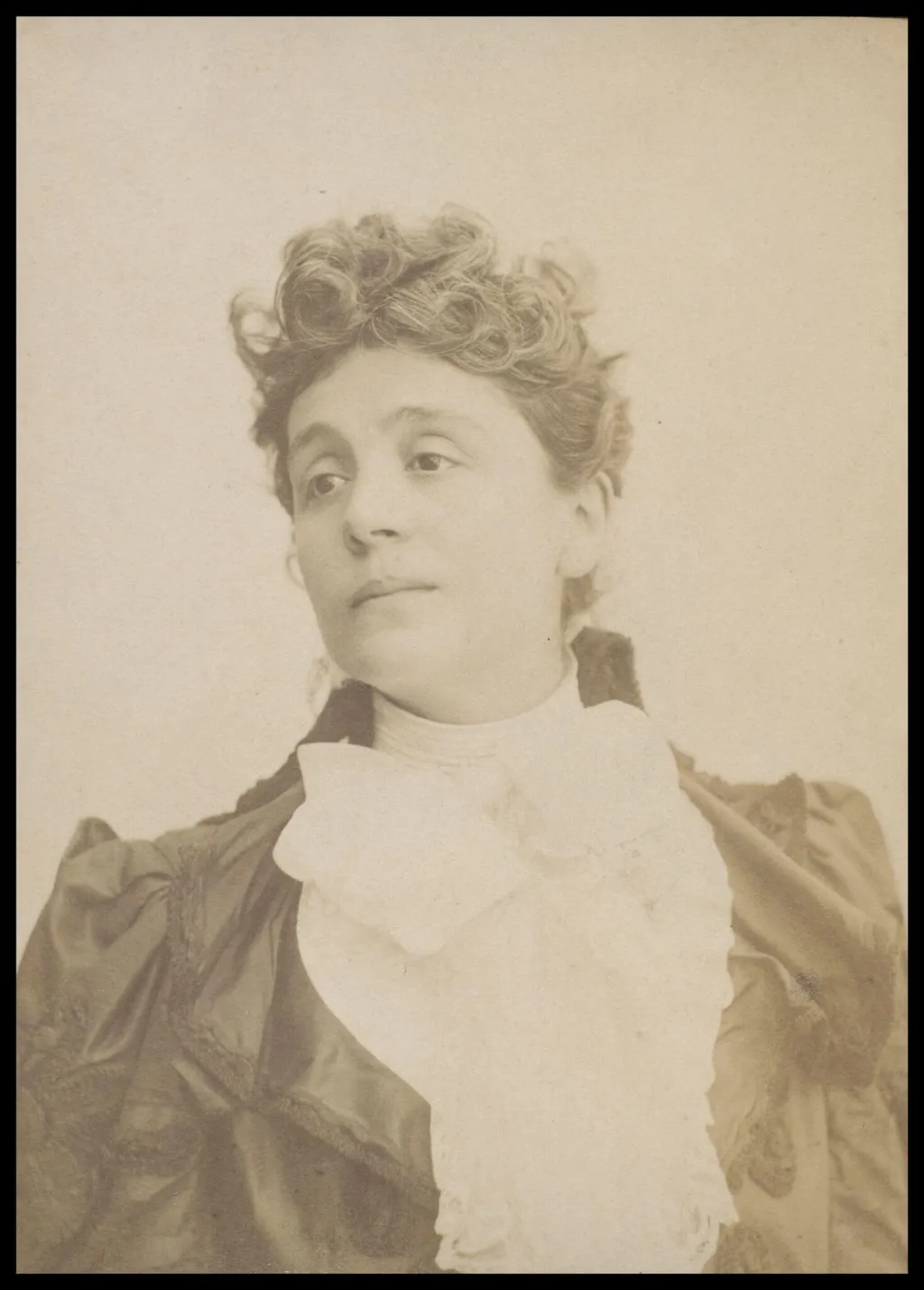
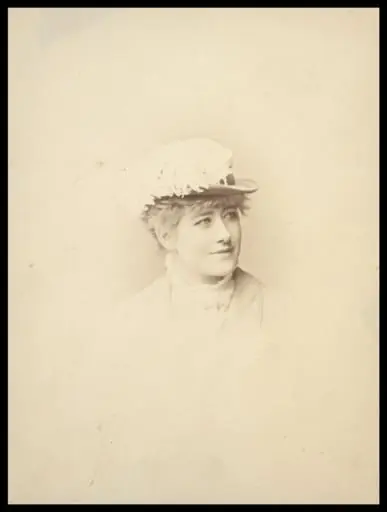
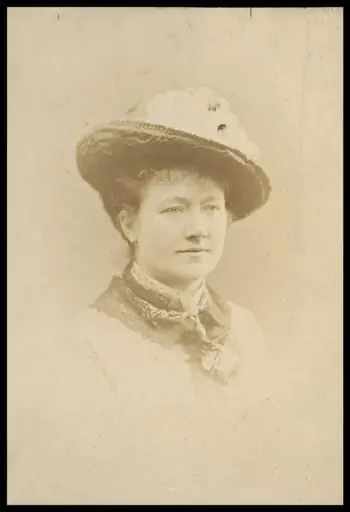
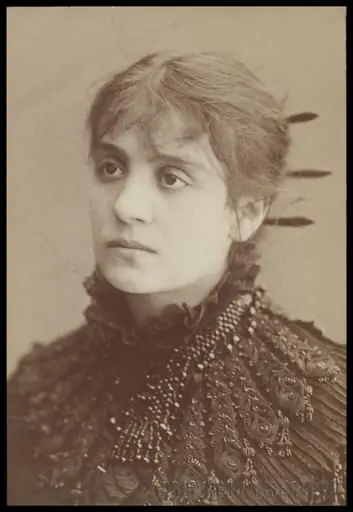
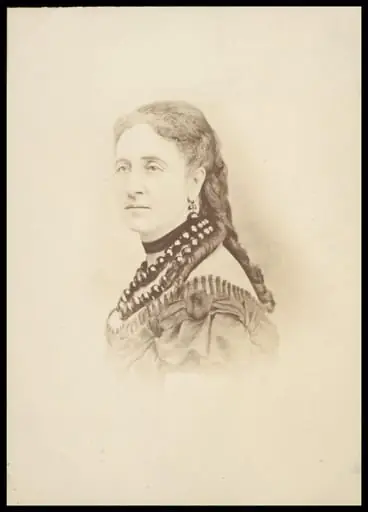
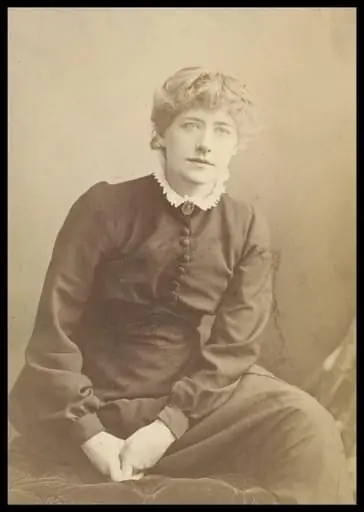
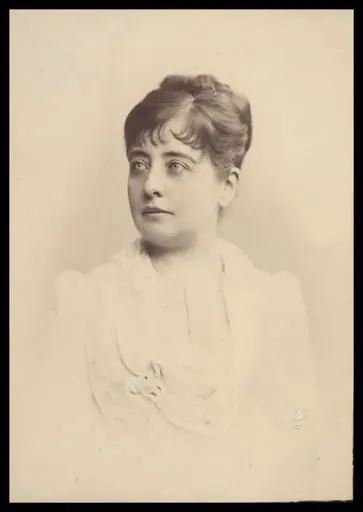
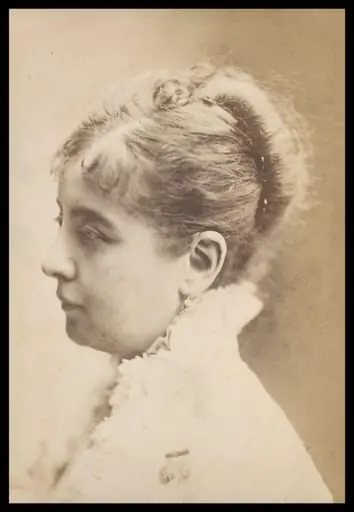
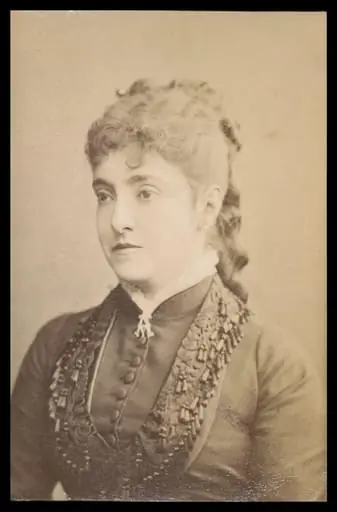
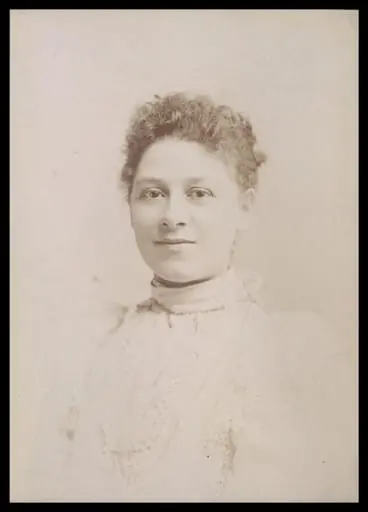
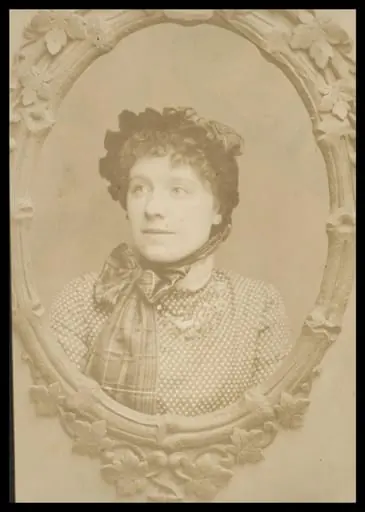
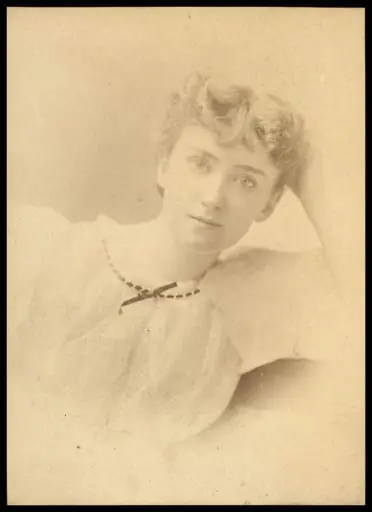
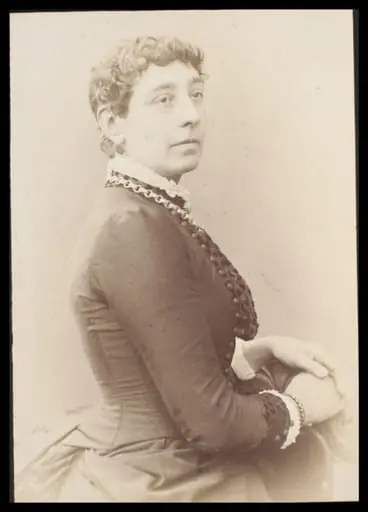
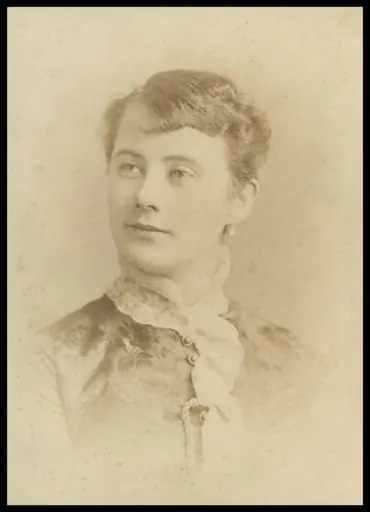
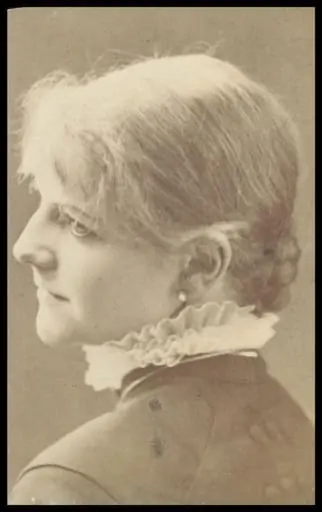
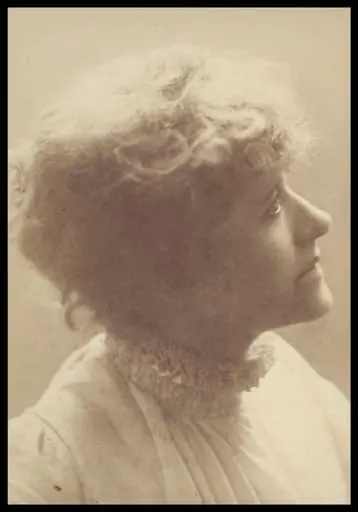
Guy Little Theatrical Photograph is a photographic photography by Bary. It dates from 1850 and is held in the collection of the Victoria and Albert Museum. This black-and-white photograph of actress Eleanora Duse is a cabinet card, a popular photographic format from the late 19th century.
About this work
Overview
Mounted on thick cardstock and printed with albumen emulsion from a glass negative, it was produced for private collection and public circulation.
This black-and-white photograph of actress Eleanora Duse is a cabinet card, a popular photographic format from the late 19th century. Mounted on thick cardstock and printed with albumen emulsion from a glass negative, it was produced for private collection and public circulation. The image originates from the personal archive of Guy Tristram Little, a solicitor and avid collector of theatrical memorabilia, later donated to the Victoria and Albert Museum.
Subject & Meaning
Eleanora Duse, one of the most celebrated stage performers of her time, is depicted here in a pose that reflects her dramatic presence. Though not in full costume, her expression and posture convey the emotional intensity she brought to roles in naturalist theatre. The photograph served not only as a personal keepsake but also as a cultural artifact, reinforcing her public image beyond the stage.
Technique & Style
The image was made using the albumen printing process, common in studio photography from the 1850s to the 1890s. Glass negatives provided sharp detail, while the paper was coated with egg white and silver salts to produce a glossy, tonally rich surface. Mounted on a sturdy card, the format allowed for easy handling and display, typical of cabinet cards designed for album compilation rather than individual sale.
History & Provenance
The photograph was part of Guy Tristram Little’s extensive collection of theatrical portraits, which he assembled over decades and later bequeathed to the V&A. Little, a partner in a London law firm, was also the executor of Gabrielle Enthoven’s estate, whose own collection became the foundation of the museum’s theatre holdings. The image was removed from its original backing and re-mounted in Little’s personal albums, reflecting his methodical curation.
Context
Cabinet cards replaced the smaller carte de visite in the 1870s, offering a more durable and visually prominent format for celebrity portraiture. As photography became more accessible, these cards circulated widely among middle-class households, functioning as both souvenirs and status objects. Duse’s image, like others of prominent actors, helped bridge the gap between live performance and the emerging culture of visual fandom.
Legacy
Little’s collection, including this photograph, preserved a critical record of 19th-century theatrical culture. The V&A’s Theatre Collections, built in part from his and Enthoven’s donations, remain a key resource for studying performance history. This image endures not as a work of art in isolation, but as a fragment of a broader social practice—collecting, remembering, and honoring the stage through the lens.
Artist & collection
Artist
This guy roamed the back alleys of Victorian London with a camera the size of a lunchbox, snapping actors mid-change between costumes.

 Guy Little Theatrical Photograph
 Guy Little Theatrical Photograph
 Guy Little Theatrical Photograph
 Guy Little Theatrical Photograph
 Guy Little Theatrical Photograph
 Guy Little Theatrical Photograph
 Guy Little Theatrical Photograph
 Guy Little Theatrical Photograph
 Guy Little Theatrical Photograph
 Guy Little Theatrical Photograph