Artwork
View in Amsterdam with Canal Houses and the Westerkerk on the Prinsengracht
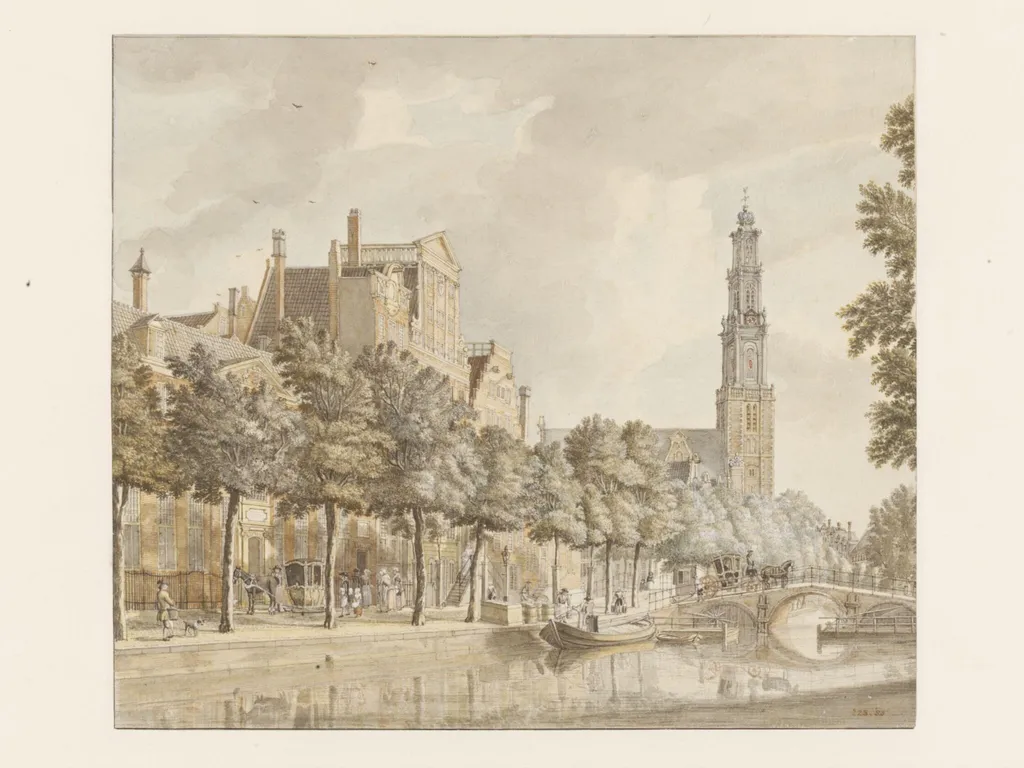
View in Amsterdam with Canal Houses and the Westerkerk on the Prinsengracht is a watercolor work on paper by the Baroque artist Abraham van Beijeren. It is held in the collection of the Victoria and Albert Museum. Created in 1725, this watercolour by the artist Beyer presents a tranquil stretch of Amsterdam’s Prinsengracht.
About this work
Overview
Created in 1725, this watercolour by the artist Beyer presents a tranquil stretch of Amsterdam’s Prinsengracht. The composition centers on a stone bridge spanning the canal, flanked by rows of brick houses and tall trees that guide the viewer’s eye toward the distant Westerkerk tower. The scene captures everyday activity along the waterway, offering a snapshot of 18th‑century urban life.
Subject & Meaning
The Westerkerk’s prominent spire rises above the rooftops, anchoring the composition and underscoring the importance of the church within the city’s skyline.
The work depicts a typical canal setting: pedestrians strolling with dogs, horse‑drawn carriages passing nearby, and a small boat moored at the bridge. The Westerkerk’s prominent spire rises above the rooftops, anchoring the composition and underscoring the importance of the church within the city’s skyline. The balanced arrangement of natural and built elements conveys a harmonious coexistence of commerce, residence, and worship.
Technique & Style
Beyer employs delicate washes of watercolour to render subtle variations of light and shadow across the scene. Soft, translucent pigments give the water a gentle sheen, while the foliage and architecture are outlined with fine, controlled strokes. The overall effect is a luminous, atmospheric rendering that emphasizes the quiet ambience of the canal rather than dramatic contrast.
History & Provenance
The painting entered the museum’s holdings in 1885 after being acquired in London from the dealer C.E. Appleby for the sum of £6 10s 0d. Its documented provenance traces back to the late 19th‑century art market, where interest in Dutch cityscapes was rising among British collectors.
Context
Produced during the early 18th century, the piece reflects the period’s growing fascination with topographical watercolours that recorded urban environments. While not overtly Baroque, its careful handling of light and compositional framing aligns with contemporary trends that valued realistic yet aesthetically refined depictions of everyday city life.
Artist & collection
Artist
Abraham Hendriksz van Beijeren or Abraham van Beyeren (c. 1620, The Hague – March 1690, Overschie (Rotterdam)) was a Dutch Baroque painter of still lifes. Little recognized in his day and initially active as a marine…

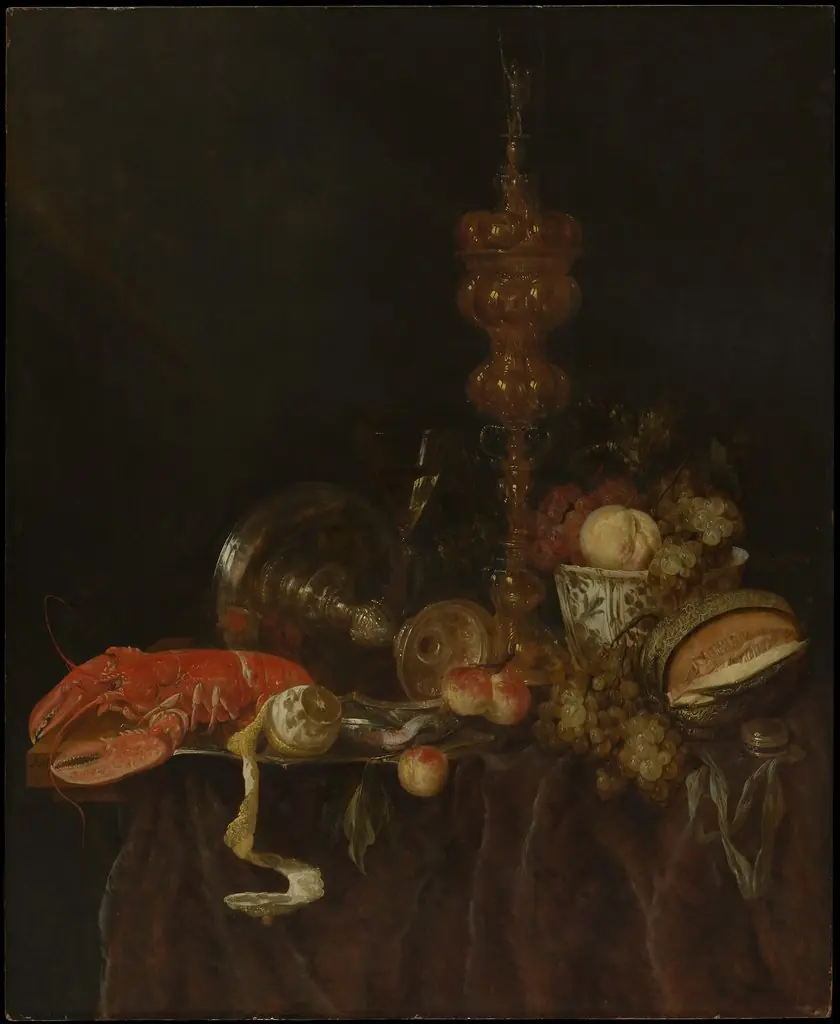 Still Life with Lobster and Fruit
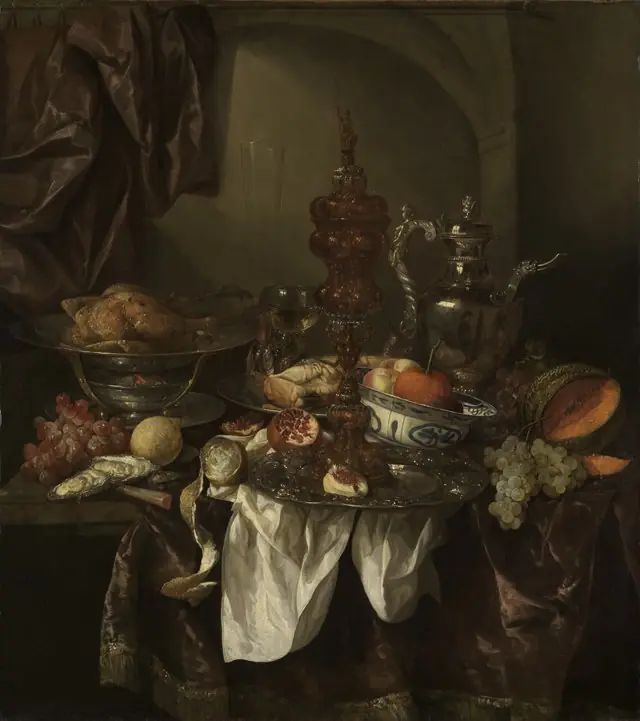 Still life with fruit, roast, silver- and glassware, porcelain and columbine cup on a dark tablecloth with white serviette
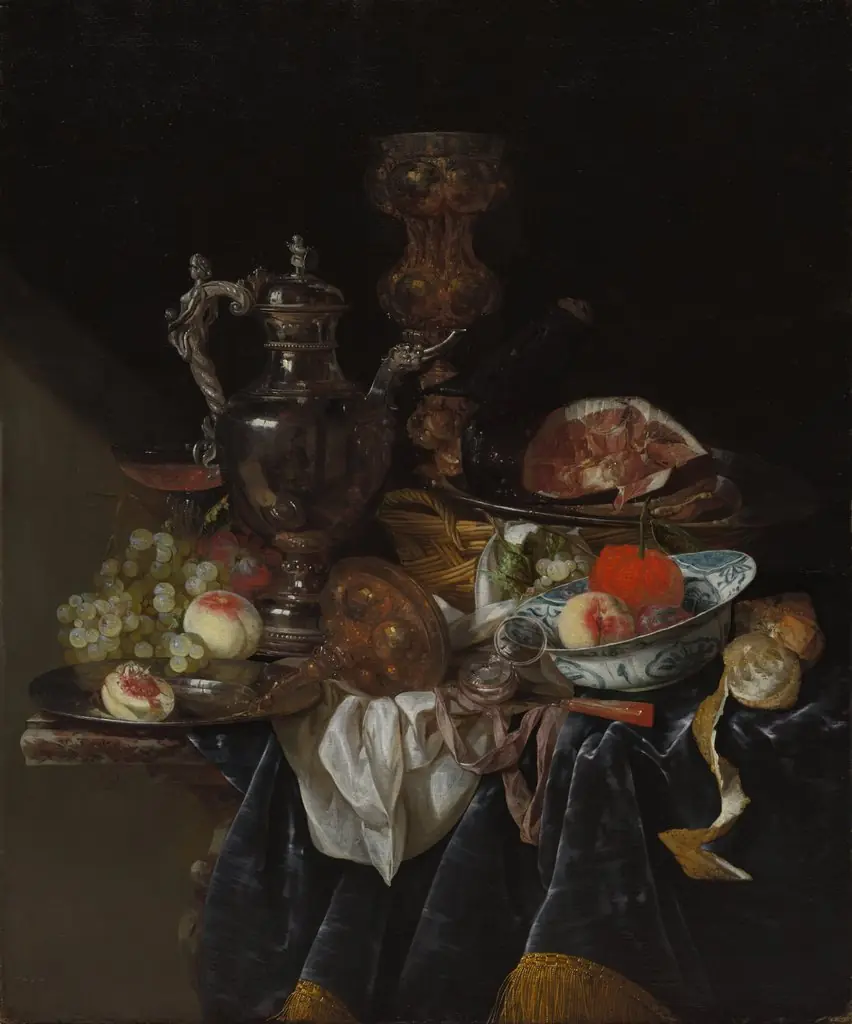 Silver Wine Jug, Ham, and Fruit
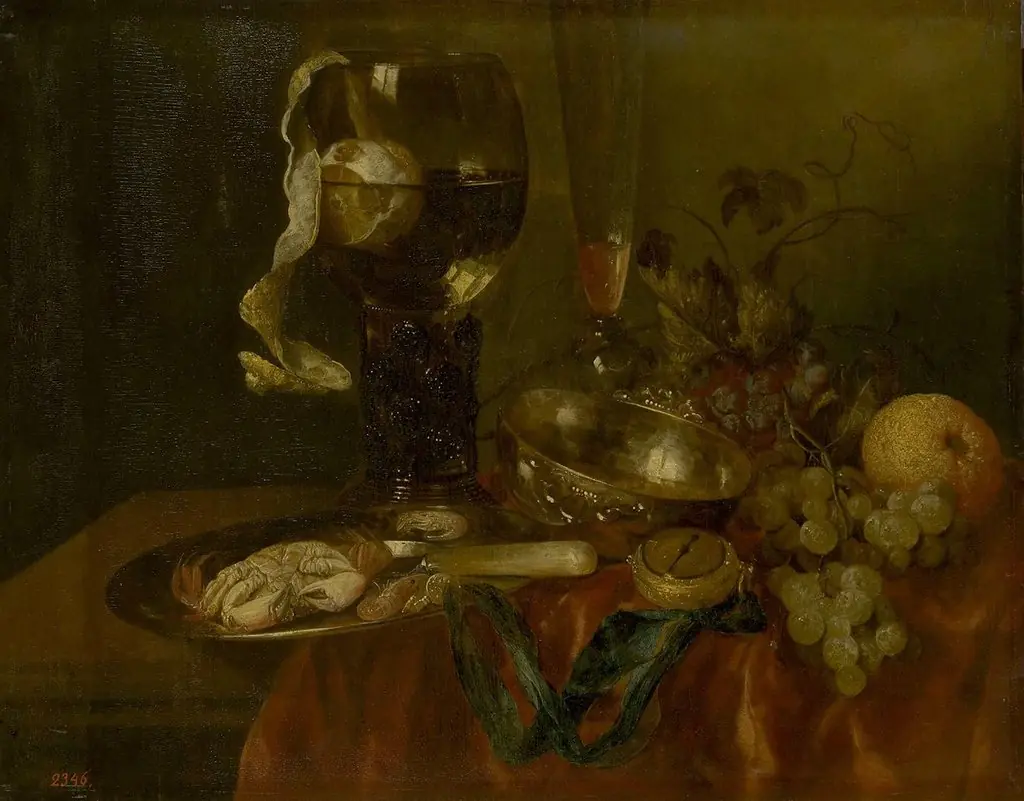 Snack (Still Life with Crab, Fruit and Clock)
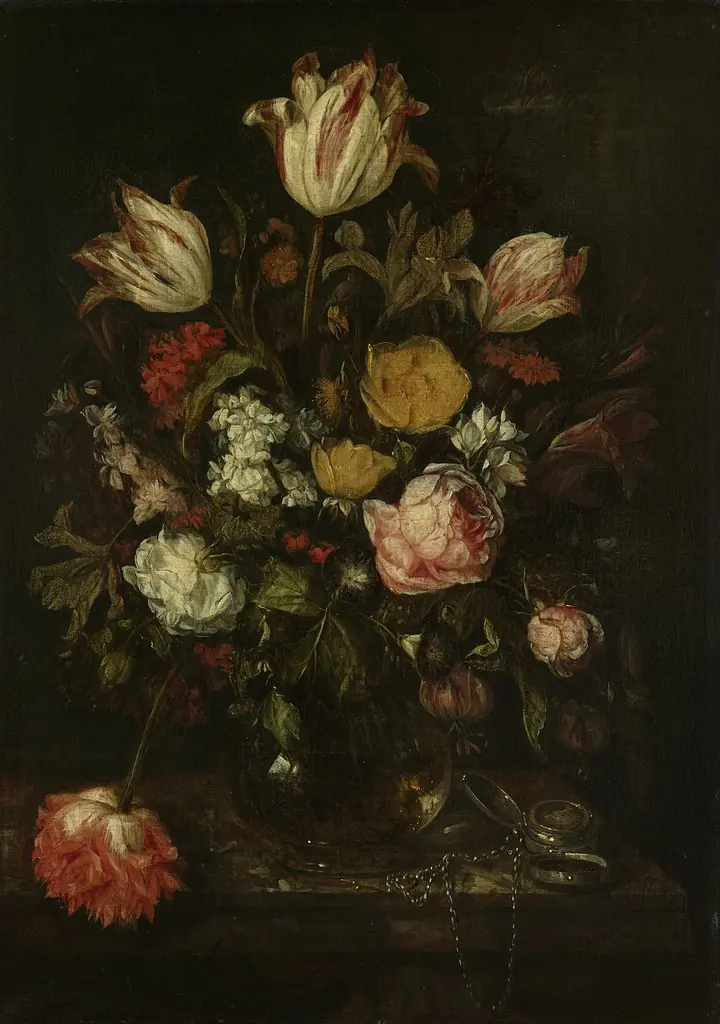 Still life with flowers
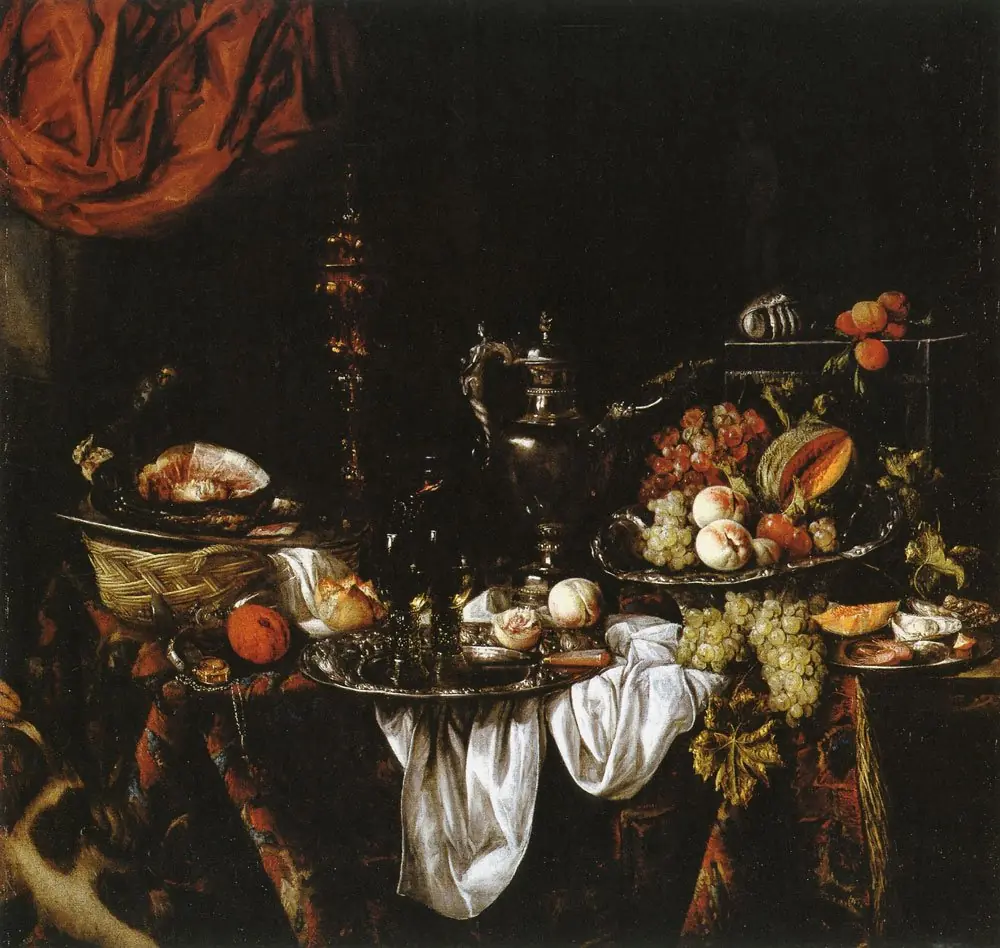 Still life on a draped table with a sculpture of Venus in a niche behind a curtain
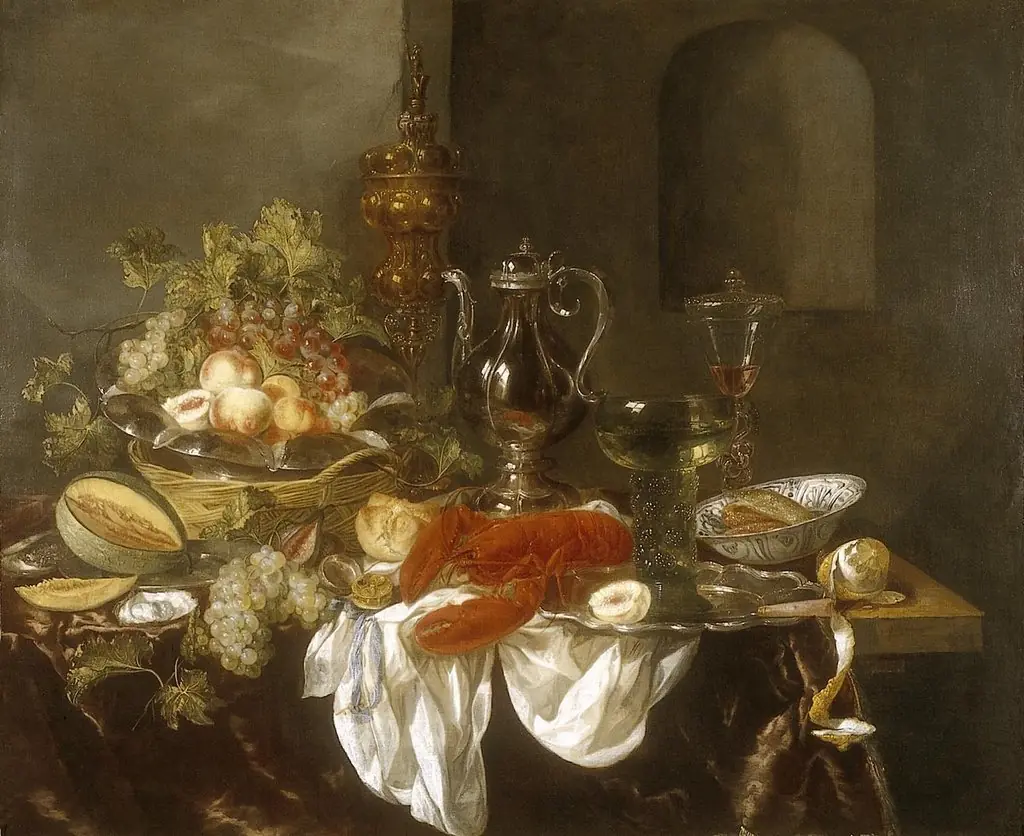 still-life
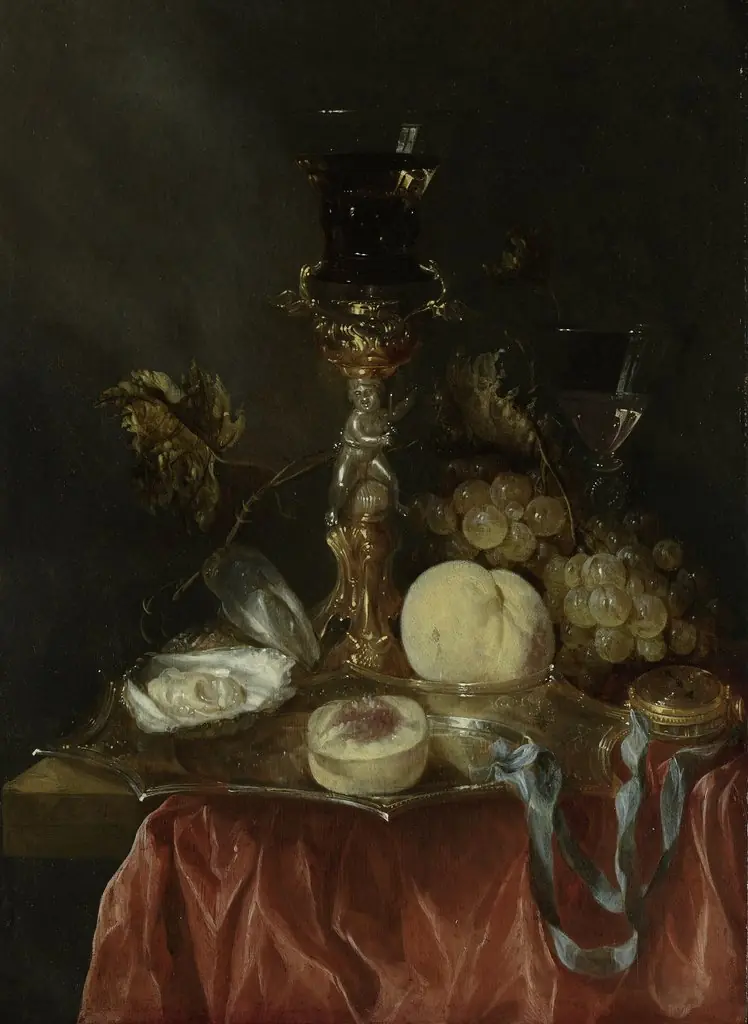 Still Life with Silver-gilt Bekerschroef with Roemer
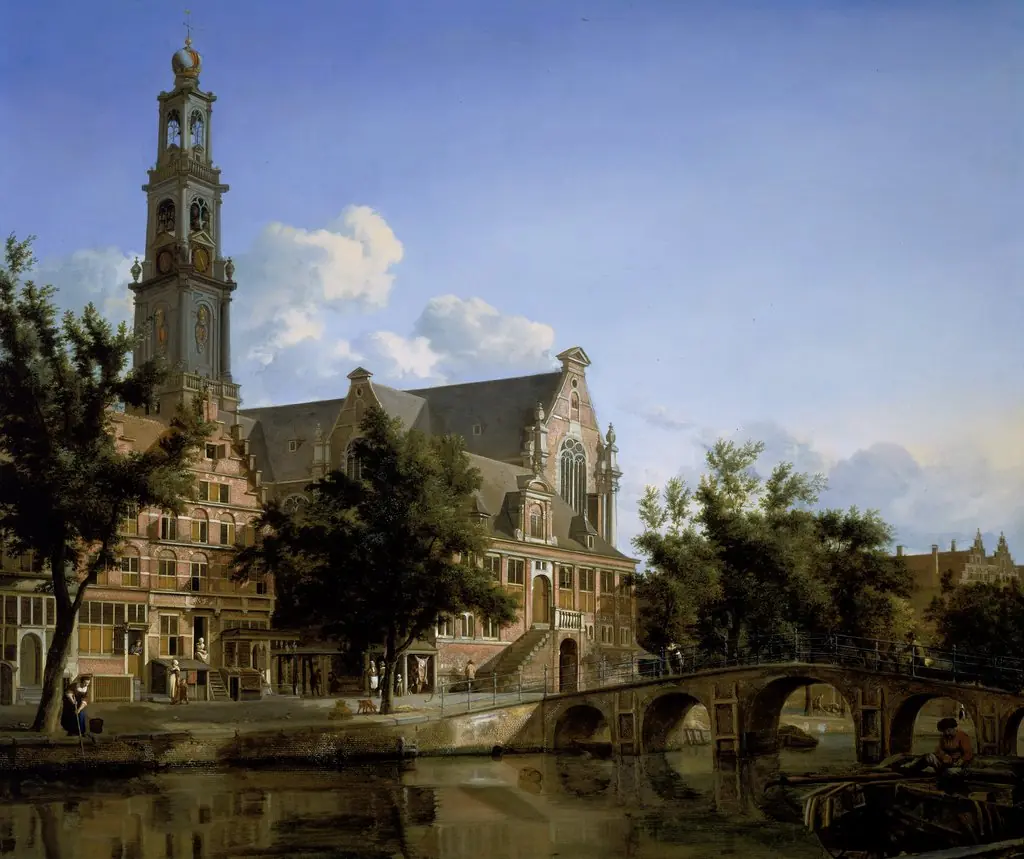 View of the Westerkerk, Amsterdam
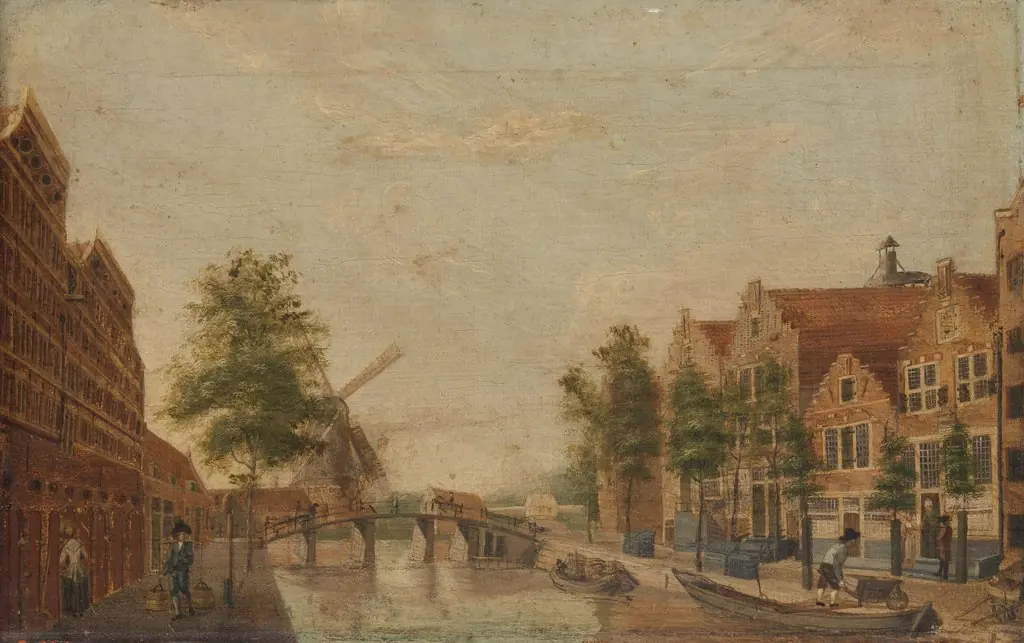 The Brouwersgracht in Amsterdam
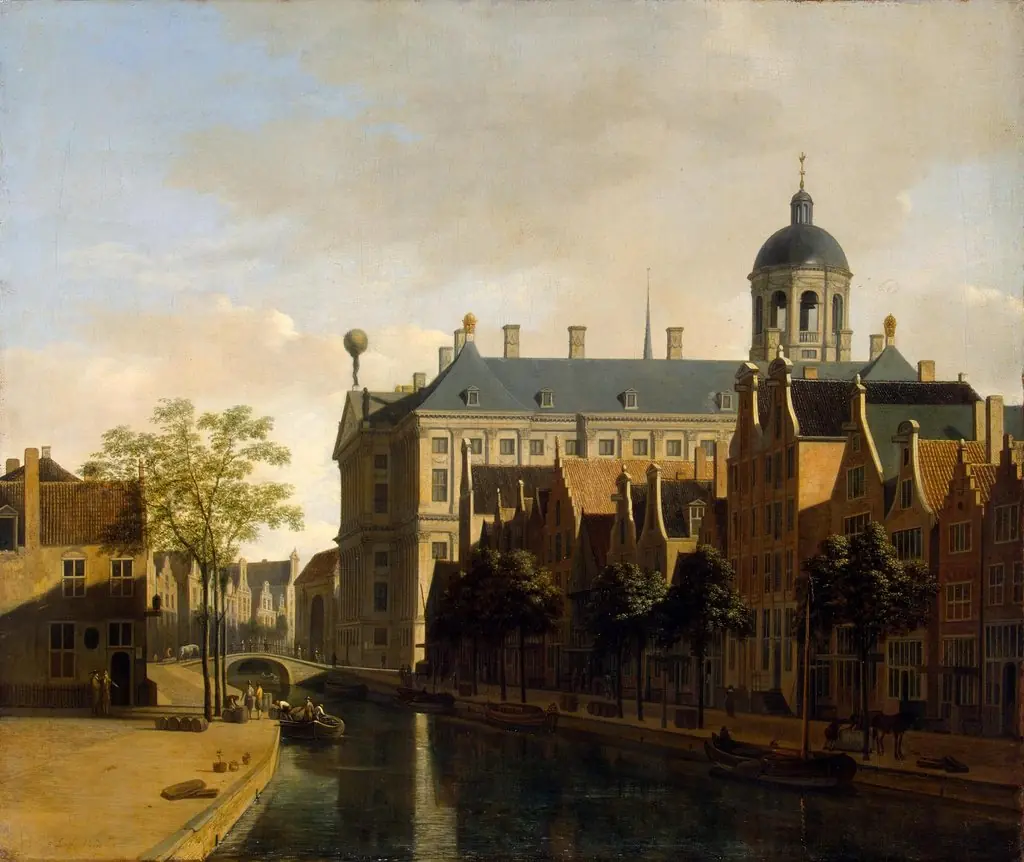 View of the Ratshuis in Amsterdam
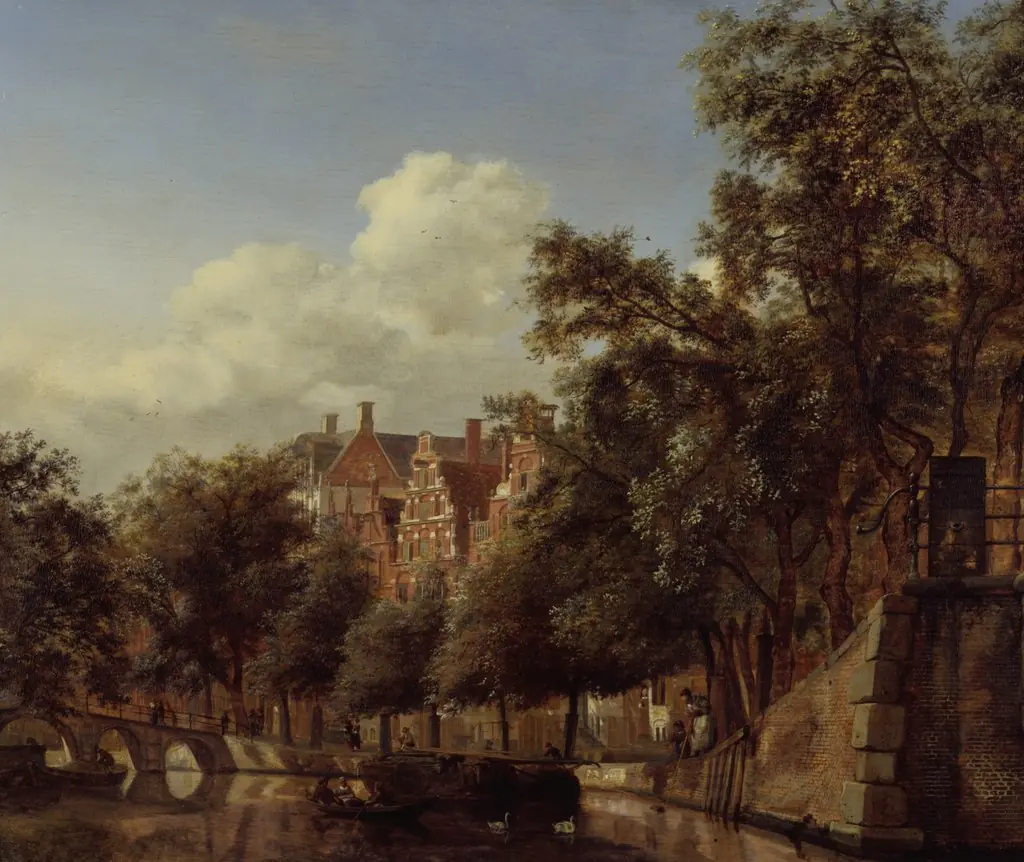 View of the Herengracht, Amsterdam, from the Leliegracht
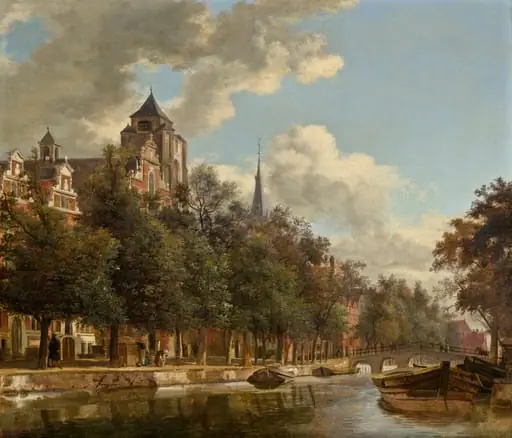 View Down a Dutch Canal
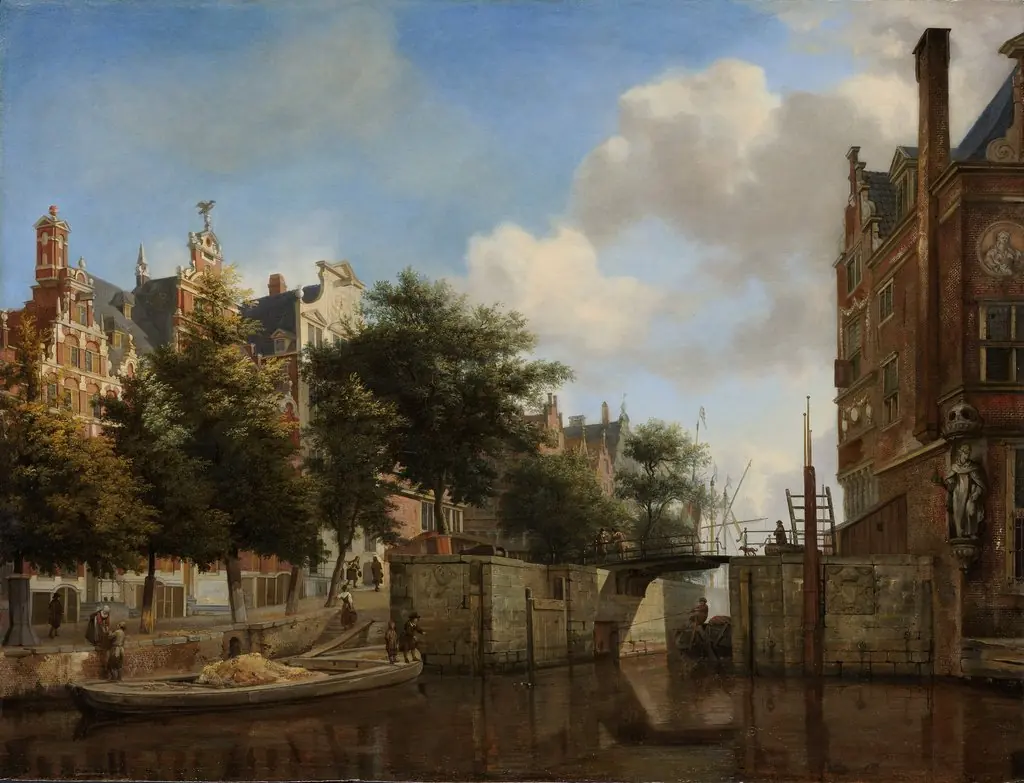 Amsterdam City View with Houses on the Herengracht and the old Haarlemmersluis
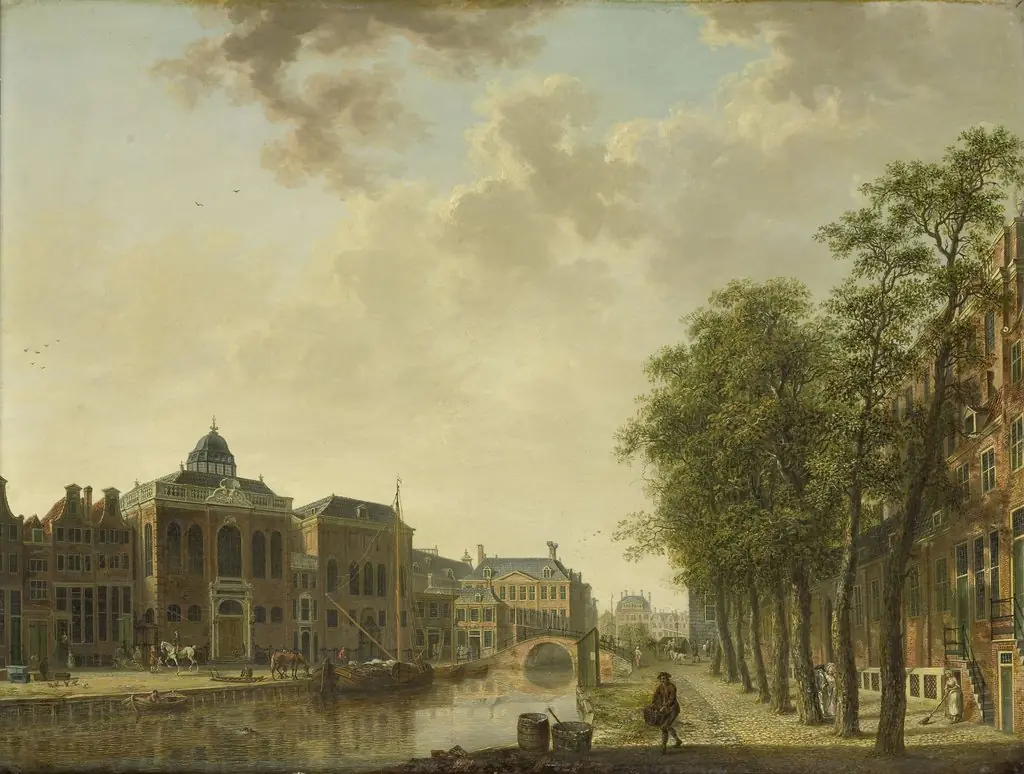 View of the Houtmarkt in Amsterdam
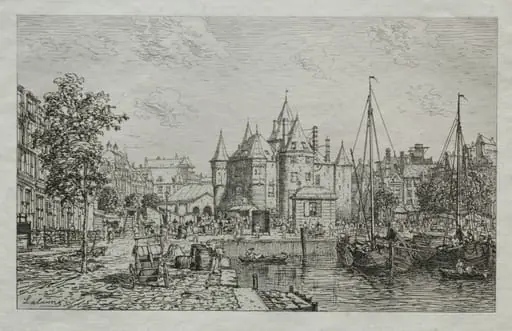 The Wagg-Poids of the City of Amsterdam
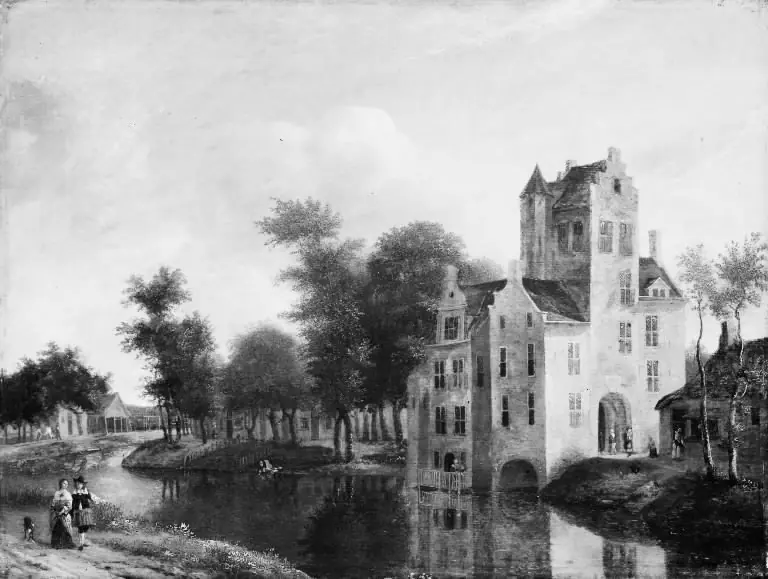 Buildings by a Canal
 Buildings by a Canal
 View of the Dam in Amsterdam