Artwork
Fishing
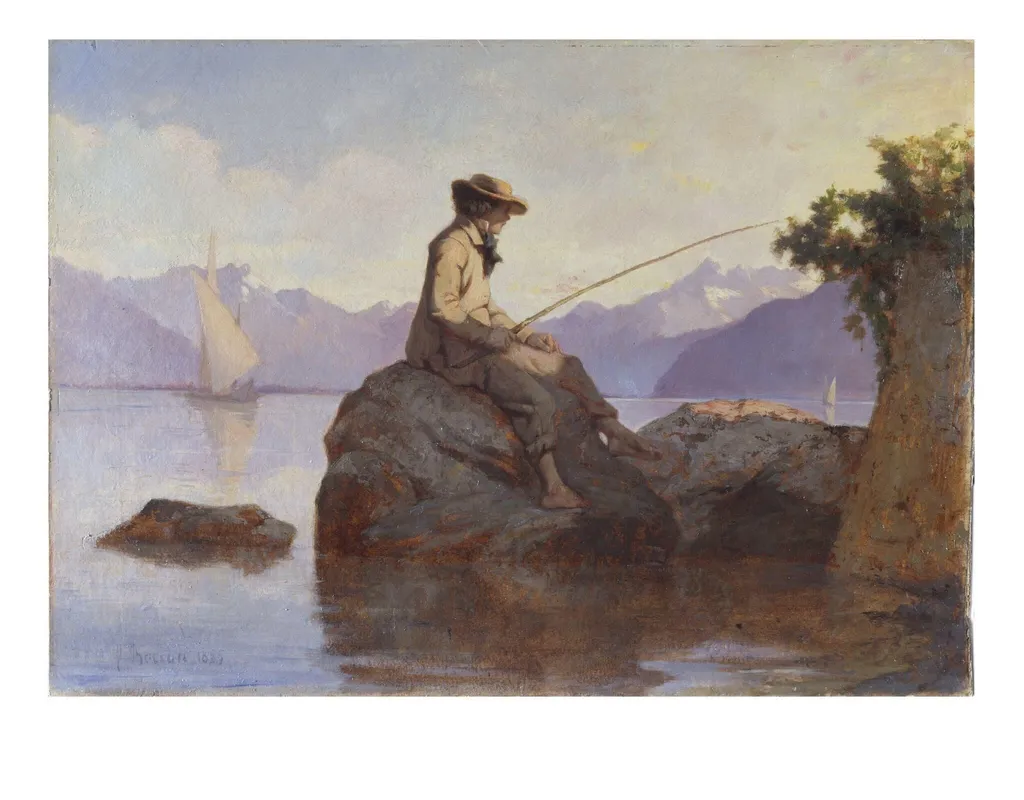
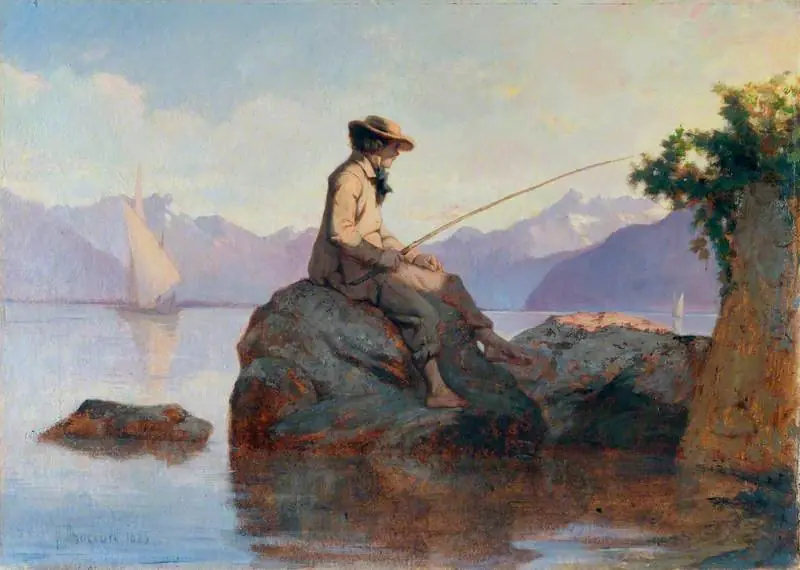
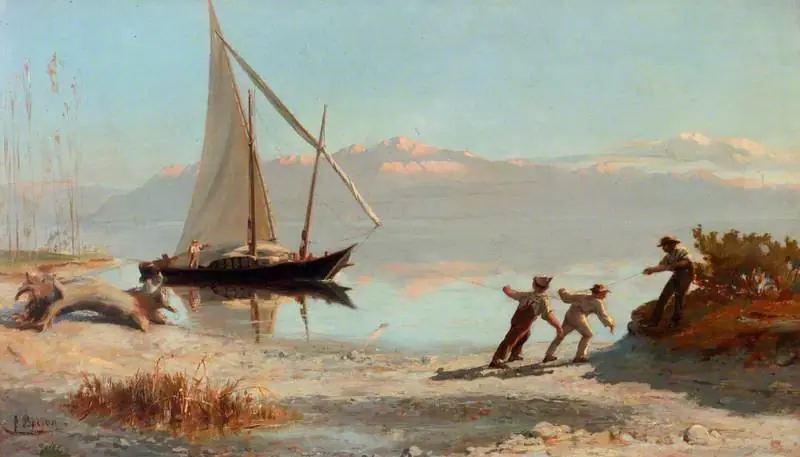
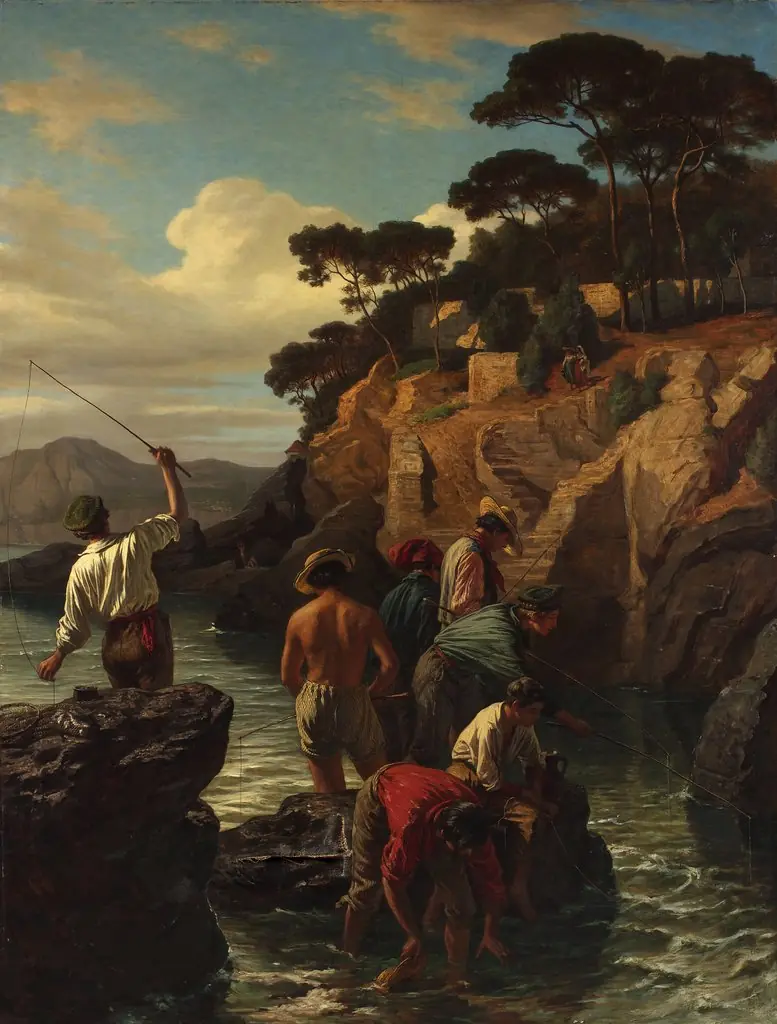
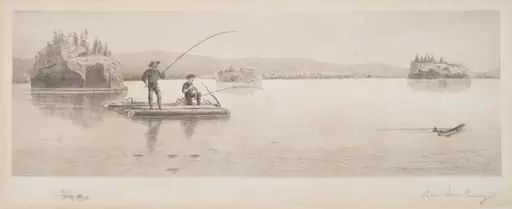
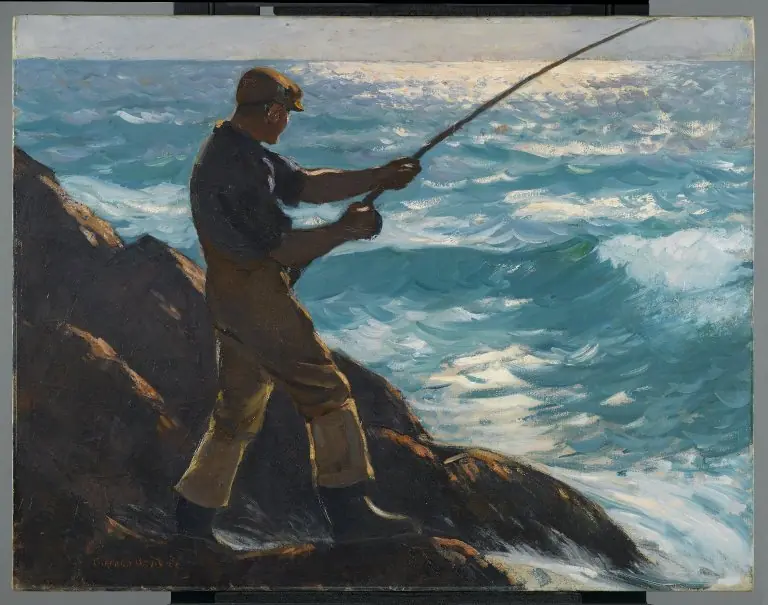
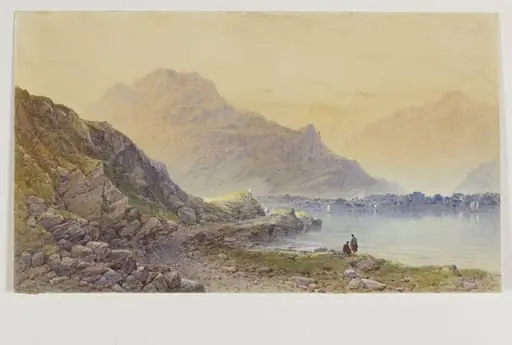
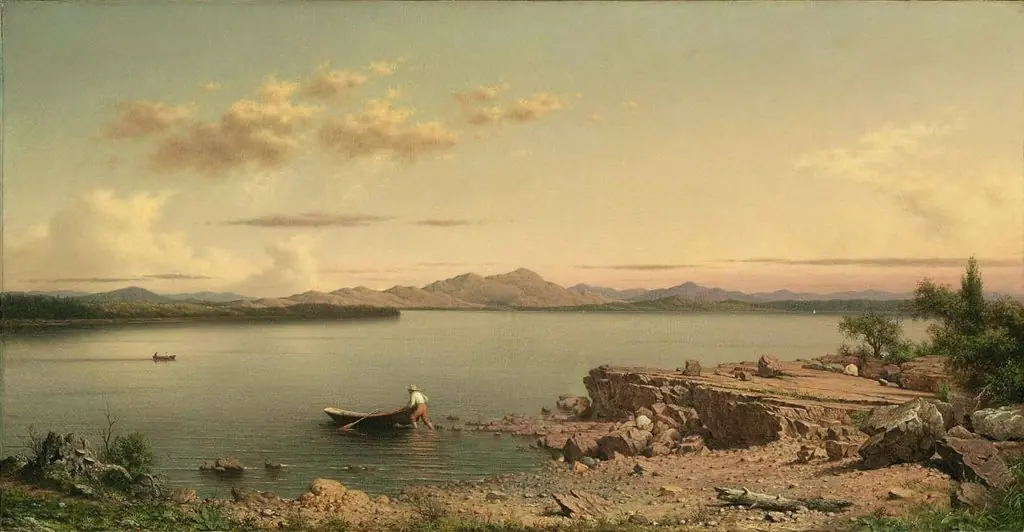
Fishing is an oil painting by the Impressionist artist François Bocion. It dates from 1855 and is held in the collection of the Victoria and Albert Museum.
About this work
Overview
François Bocion, born in Lausanne in 1828, trained under local Swiss artists before moving to Paris in 1845 to study in the ateliers of Grosclaude and Gleyre.
François Bocion, born in Lausanne in 1828, trained under local Swiss artists before moving to Paris in 1845 to study in the ateliers of Grosclaude and Gleyre. There, he encountered key figures of Realism, including Gustave Courbet. Returning to Switzerland in 1849, he balanced a career as an art educator at the Ecole moyenne et industrielle with a prolific painting practice, regularly exhibiting across Europe and helping found the Swiss Society of Watercolorists in 1884.
Subject & Meaning
The painting depicts a solitary fishing boat at dusk, its quiet presence anchored in still water under a fading sky. Rather than dramatizing labor or nature’s power, Bocion focuses on the quiet dignity of routine. This work belongs to a series from the 1850s portraying everyday figures, reflecting a Realist interest in ordinary life. The absence of human figures amplifies the sense of solitude and the passage of time.
Technique & Style
Bocion employs thin, layered glazes to achieve subtle transitions of light across the water and sky, creating a luminous, atmospheric effect. His palette, marked by muted purples and soft blues, echoes the tonal experiments of French Realism. The brushwork is restrained yet precise, emphasizing texture without overt detail. The small scale enhances intimacy, inviting close observation of the delicate interplay between light and surface.
History & Provenance
Painted in the early 1850s, this work emerged during Bocion’s formative years after his return to Switzerland. It reflects the influence of his Parisian training and engagement with Realist ideals. Though documented in exhibition records from Vienna, London, and Antwerp, its specific provenance after creation remains unrecorded in public archives, suggesting it may have remained in private Swiss collections for much of its history.
Context
Bocion worked at a time when Swiss art was transitioning from Romantic idealism toward observation-based realism. While Parisian artists like Courbet challenged academic norms, Bocion adapted these ideas to the quieter landscapes and rhythms of Lake Geneva. His role as a teacher helped disseminate these principles locally, bridging French avant-garde trends with Swiss artistic traditions.
Legacy
Bocion’s influence endured through his decades of teaching and his quiet but consistent body of work. Though less known internationally than his Parisian peers, he helped establish a distinctly Swiss Realist sensibility focused on light, atmosphere, and everyday subjects. His emphasis on observational painting and technical restraint left a mark on subsequent generations of Swiss landscape and genre artists.
Own this work as a print
Artist & collection
Artist
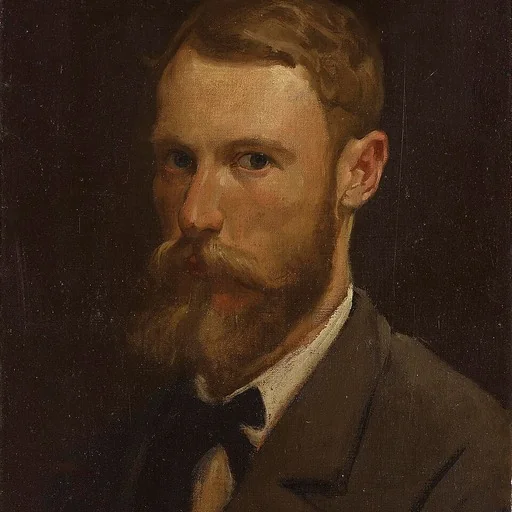
François-Louis David Bocion (French pronunciation: ; 30 March 1828 – 12 December 1890) was a Swiss painter, designer and art professor, known primarily for his landscapes of the area around Lake Geneva.