Artwork
Honfleur
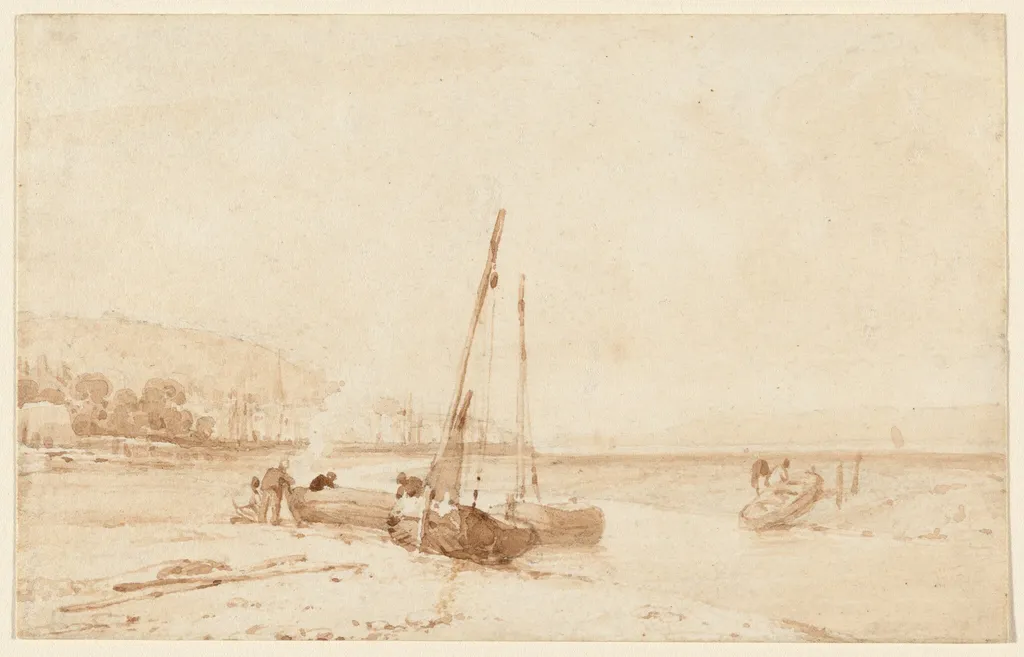
Honfleur is a graphite drawing by the Romanticist artist Richard Parkes Bonington. It dates from 1821 and is held in the collection of the National Gallery of Art.
About this work
Overview
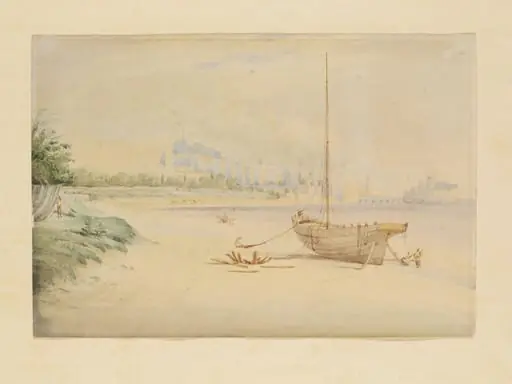
Honfleur is a brown wash and graphite drawing on wove paper, created by Richard Parkes Bonington around 1821. It captures a serene coastal scene with a central boat, figures, and a backdrop of trees and hills.
Subject & Meaning
The drawing depicts a tranquil beach scene with a boat at rest, sails down, and partially submerged in sand. Figures stand nearby, set against a depth-providing landscape of trees and hills. The overall atmosphere is one of calmness.
Technique & Style
Bonington employed brown wash over graphite to achieve a warm, textured quality. The piece reflects his blend of English Romantic landscape traditions and French influences, emphasizing atmospheric light effects in a maritime setting.
History & Provenance
Created circa 1821 by British artist Richard Parkes Bonington, who primarily worked in France. His career, though brief, was highly influential in early 19th-century art.
Context
Part of the broader Romanticism movement, this work showcases Bonington's contribution to the era's emphasis on emotive, natural landscapes. For deeper insight into the artistic context, exploring Romanticism provides further understanding.
Legacy
Honfleur demonstrates Bonington's technical prowess and his characteristic capture of atmospheric serenity, contributing to his legacy as a pivotal figure in early 19th-century European art.
Artist & collection
Artist
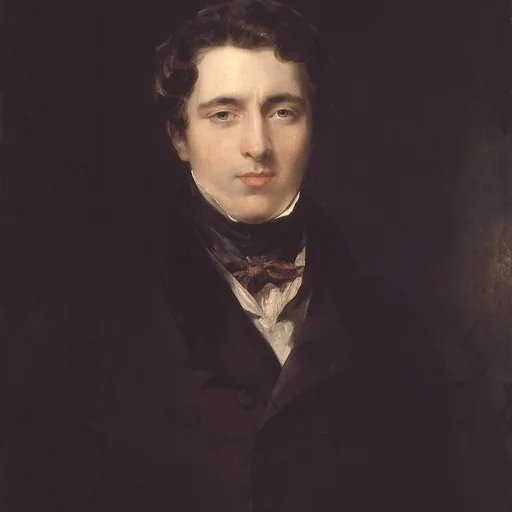
Richard Parkes Bonington (25 October 1802 – 23 September 1828) was an English Romantic landscape painter.

 Sidon from the North Sands
 River Scene with bridge
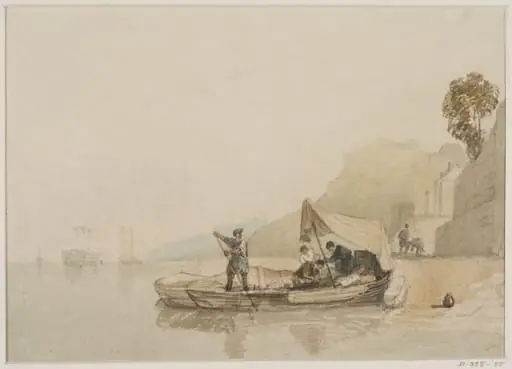 Coastal scene with boats and figures
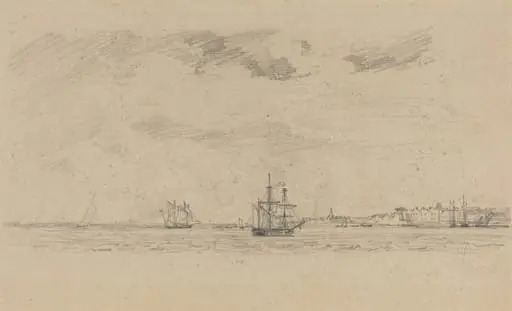 Coastal Landscape with Shipping
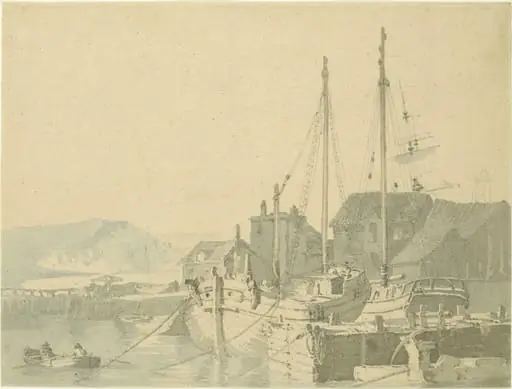 Dover Harbour
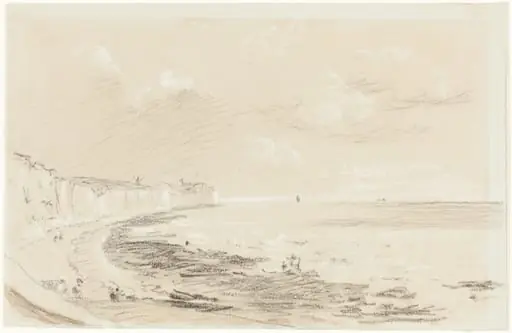 Scene on the South Coast of England
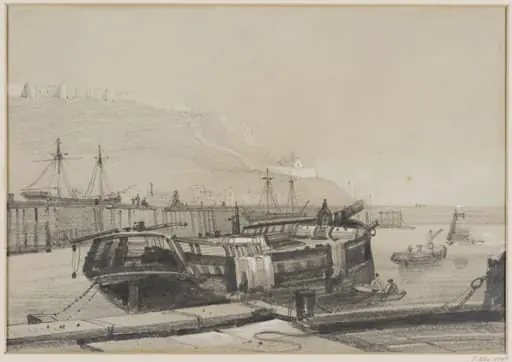 Scarborough Harbour
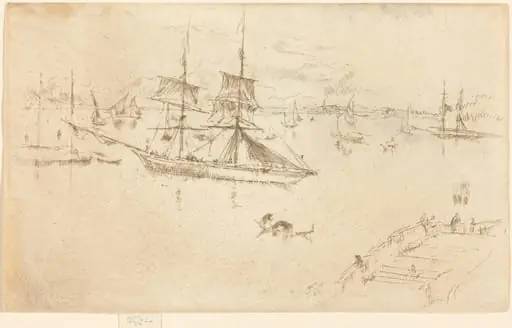 Lagoon: Noon
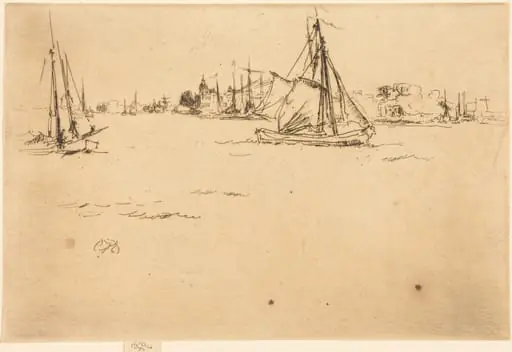 Dordrecht
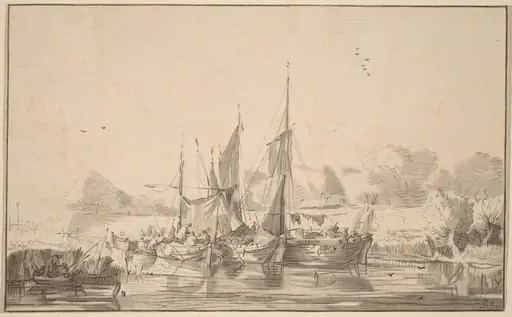 Canal at Utrecht
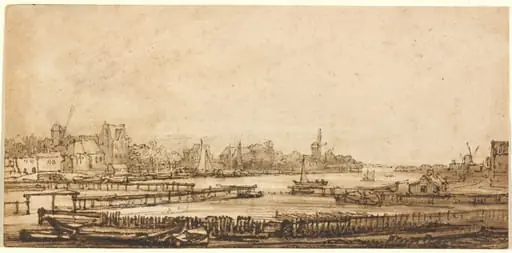 View over the Amstel from the Rampart
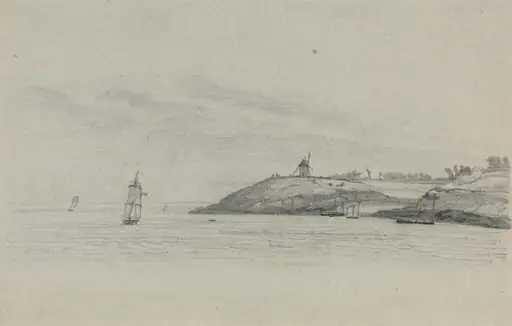 Coastal Landscape with Shipping; Windmill in Distance