Artwork
Five Studies of a French Pointer
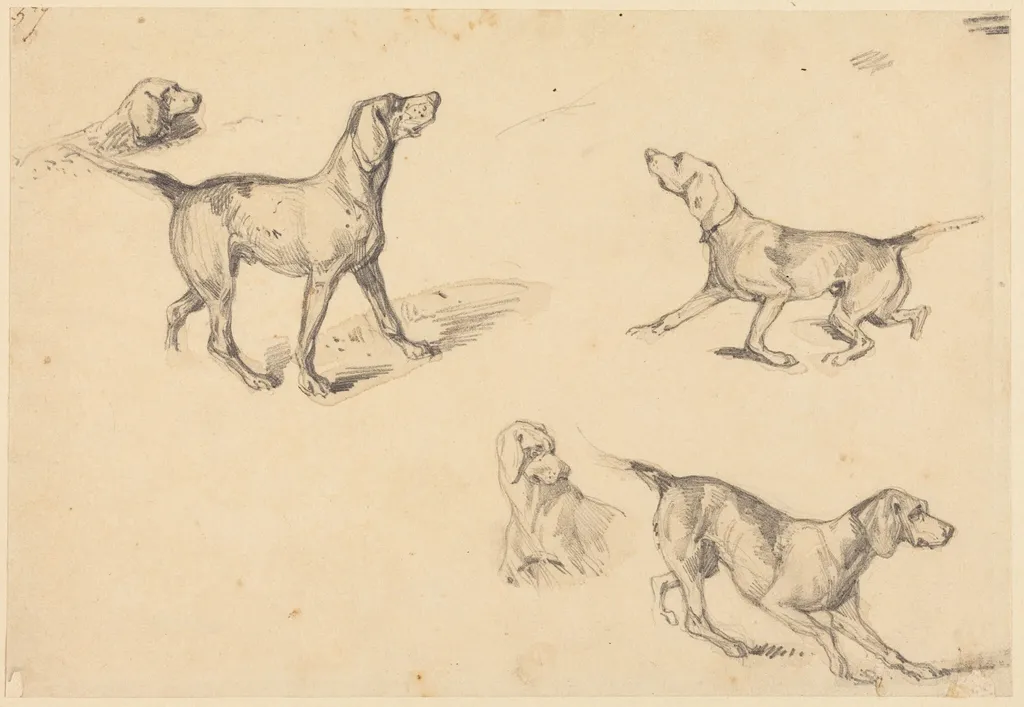
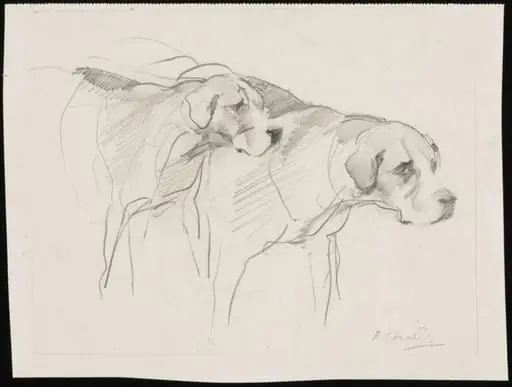
Five Studies of a French Pointer is a graphite drawing by the Romanticist artist Richard Parkes Bonington. It dates from 1826 and is held in the collection of the National Gallery of Art.
About this work
Overview
Created in 1826, this drawing by Richard Parkes Bonington features five studies of a French Pointer, rendered in graphite with subtle gray washes on wove paper.
Created in 1826, this drawing by Richard Parkes Bonington features five studies of a French Pointer, rendered in graphite with subtle gray washes on wove paper. Though best known for his atmospheric landscapes, Bonington devoted careful attention to animal subjects, revealing a disciplined approach to form and movement. The work exemplifies his skill in observational drawing and his ability to capture subtle anatomical details with minimal means.
Subject & Meaning
The five studies depict a single dog in varying poses, likely observed from life. Rather than idealizing the animal, Bonington presents it with quiet realism—each posture suggests natural motion or rest. These studies function as exercises in perception, emphasizing the dog’s physical presence and expressive posture. They reflect a Romantic-era interest in the individual character of living subjects, grounded in direct observation rather than symbolic narrative.
Technique & Style
Bonington employed graphite for precise linear definition, augmented by delicate gray washes to suggest volume and shadow. The wove paper’s smooth surface allowed for fine gradations and controlled tonal transitions. His technique balances the spontaneity of sketching with the precision of finished study, avoiding theatricality. The restrained palette and fluid handling reveal a sensitivity to light and texture, echoing Old Master traditions while maintaining a fresh, modern clarity.
History & Provenance
The drawing originates from Bonington’s time in France, where he lived and worked during the 1820s. It was likely produced as part of his personal study practice, not for public display. After his death in 1828, his works were dispersed among collectors and institutions in both England and France. This piece entered a public collection in the 19th century, where it has remained as a testament to his draftsmanship beyond landscape painting.
Context
In the 1820s, Bonington operated at the intersection of English and French artistic circles, absorbing influences from both. While French artists emphasized color and light, English draftsmen prized precision. This drawing reflects that synthesis: its disciplined structure aligns with British academic training, while its tonal subtlety and atmospheric sensitivity echo French Romantic tendencies. Animal studies like this were uncommon in major exhibitions, yet vital to artists’ private development.
Legacy
Bonington’s animal drawings, though less celebrated than his landscapes, influenced later generations of British and French draftsmen who valued direct observation. His ability to convey life with economy of line and tone set a standard for academic study. This work remains a quiet example of how skilled draftsmen used simple media to explore form, movement, and presence—contributing to the broader evolution of 19th-century drawing practices.
Artist & collection
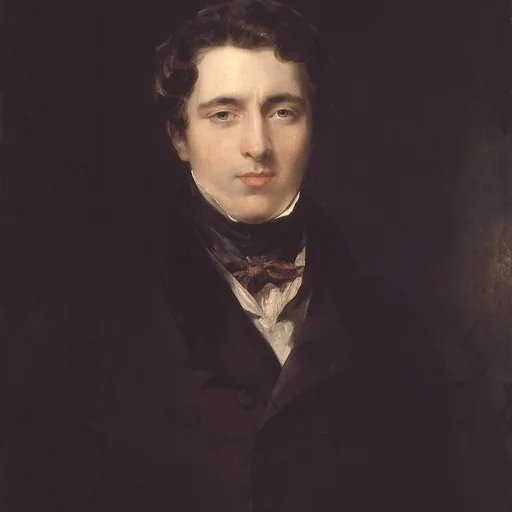
Artist
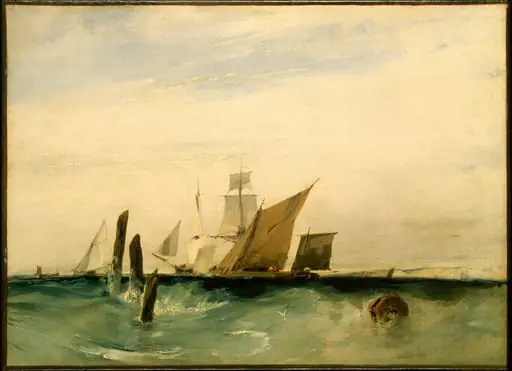
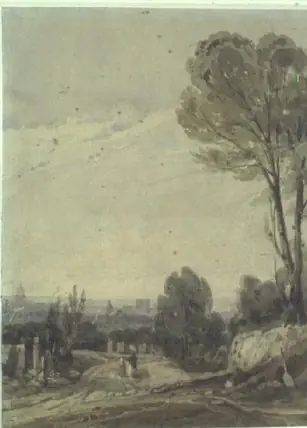
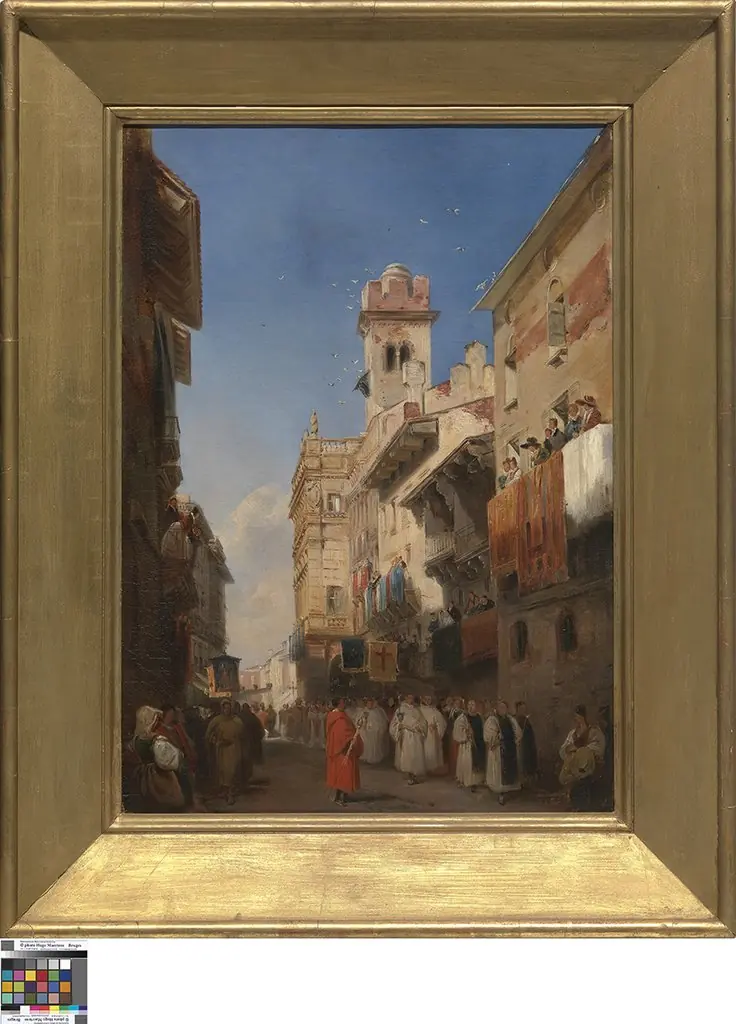
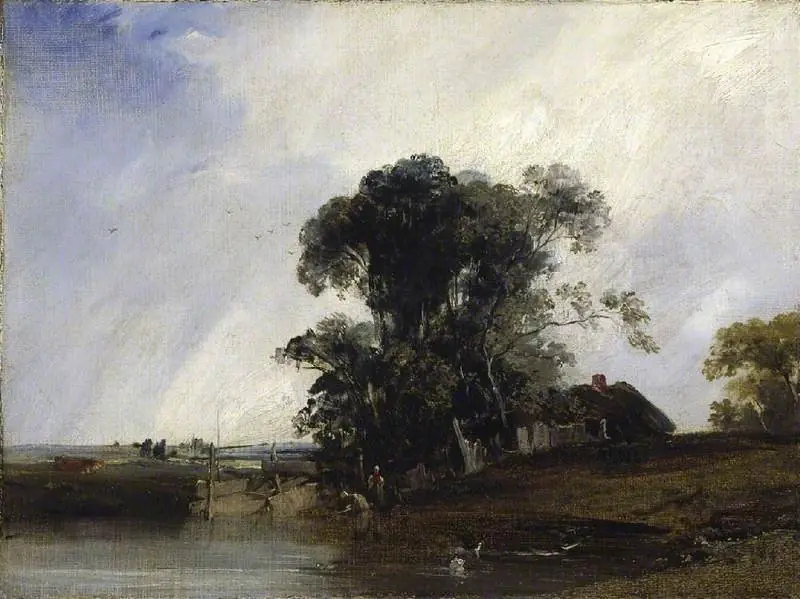
Richard Parkes Bonington (25 October 1802 – 23 September 1828) was an English Romantic landscape painter.

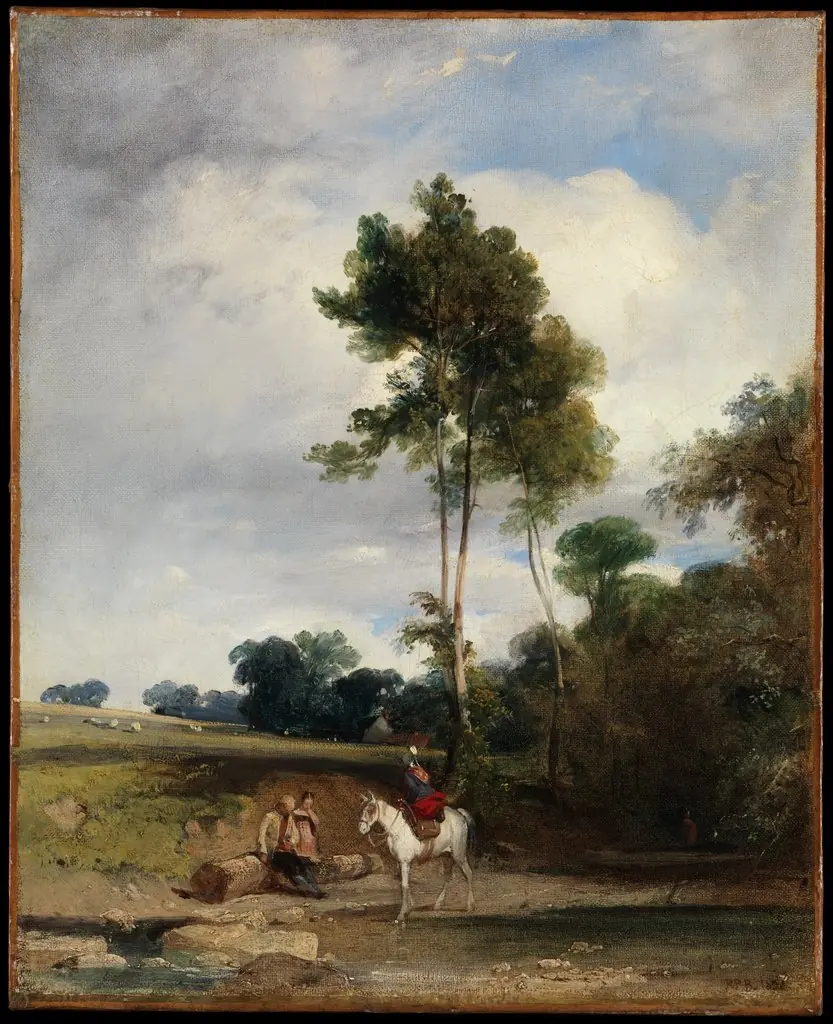
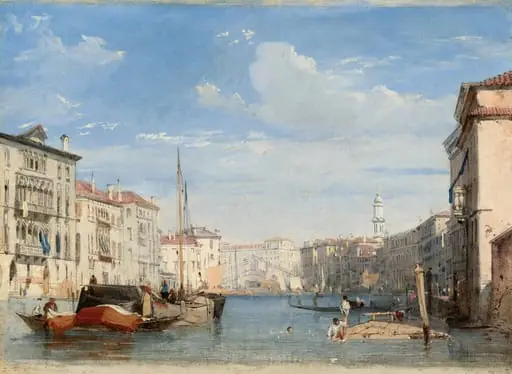
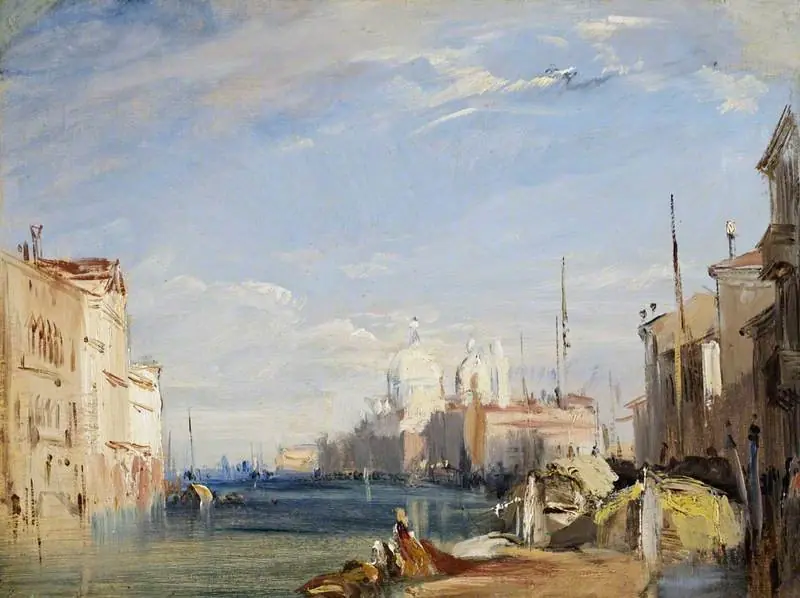
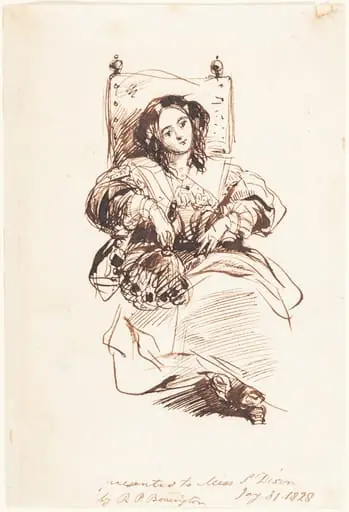
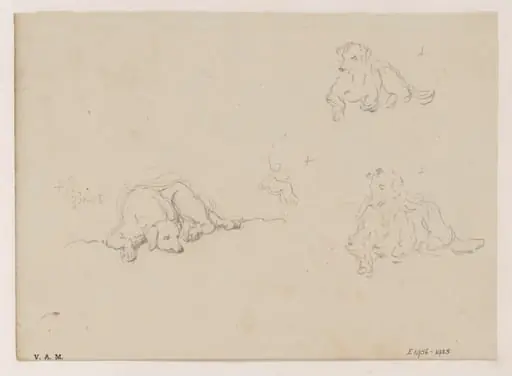 Three drawings of a dog
![Studies of Dogs and a Seated Boy [recto], by James Goodwyn Clonney](https://artifactworldgallery.com/img/james-goodwyn-clonney--studies-of-dogs-and-a-seated-boy-recto--440d550e9055fba3-w320.webp) Studies of Dogs and a Seated Boy [recto]
Studies of Dogs and a Seated Boy [recto]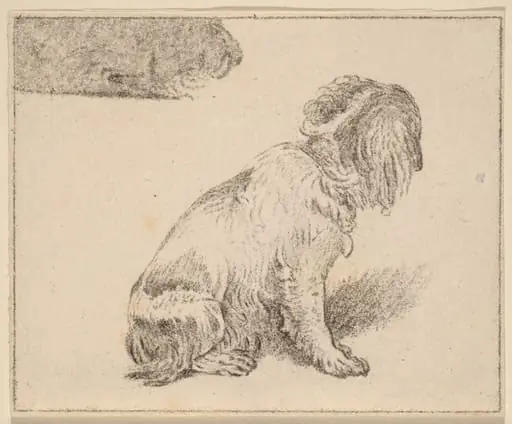 Seated Dog
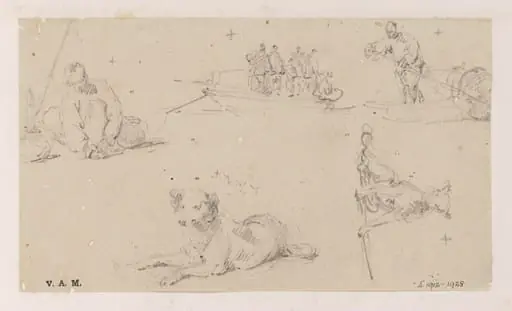 Five drawings of figures and dogs
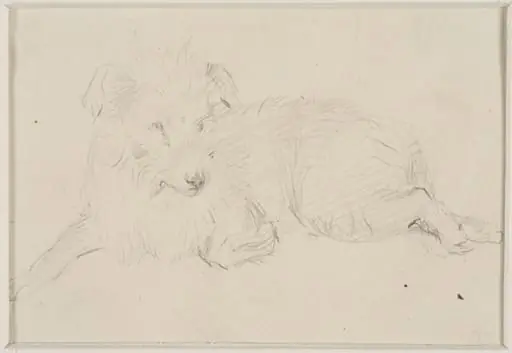 Sketch of a dog
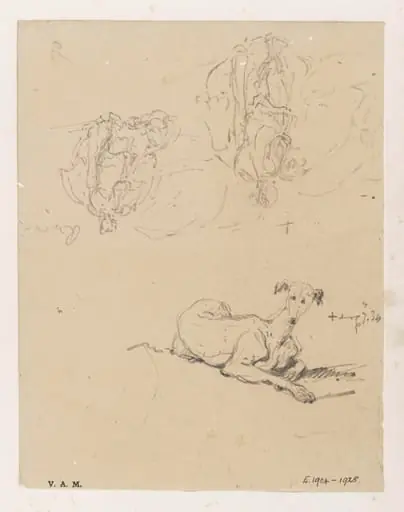 A dog, and two boatwomen by their beached craft
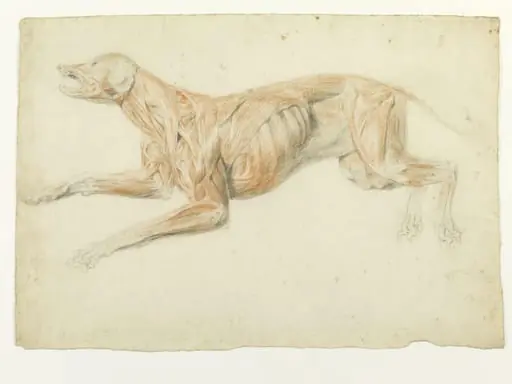 Ecorche drawing of a dog
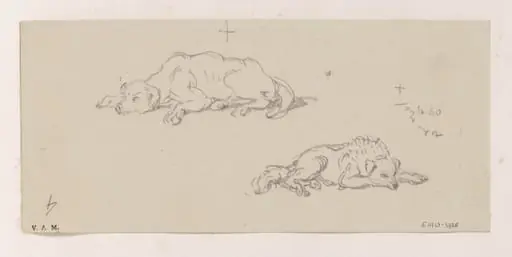 Two studies of a sleeping dog
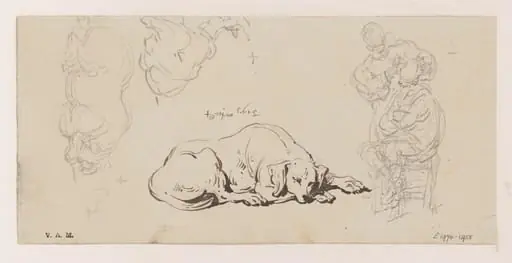 A dog, and other sketches
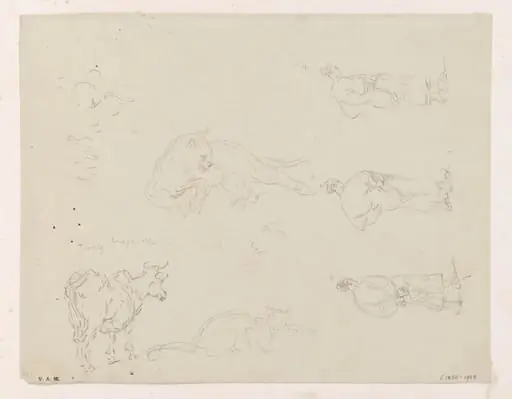 Drawings of figures and animals
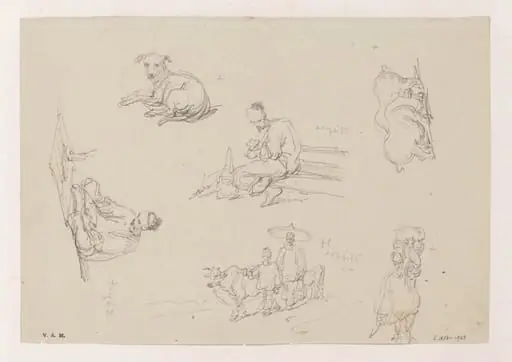 Chinese figures and animals
 Two foxhounds