Artwork
Worker at a Forge
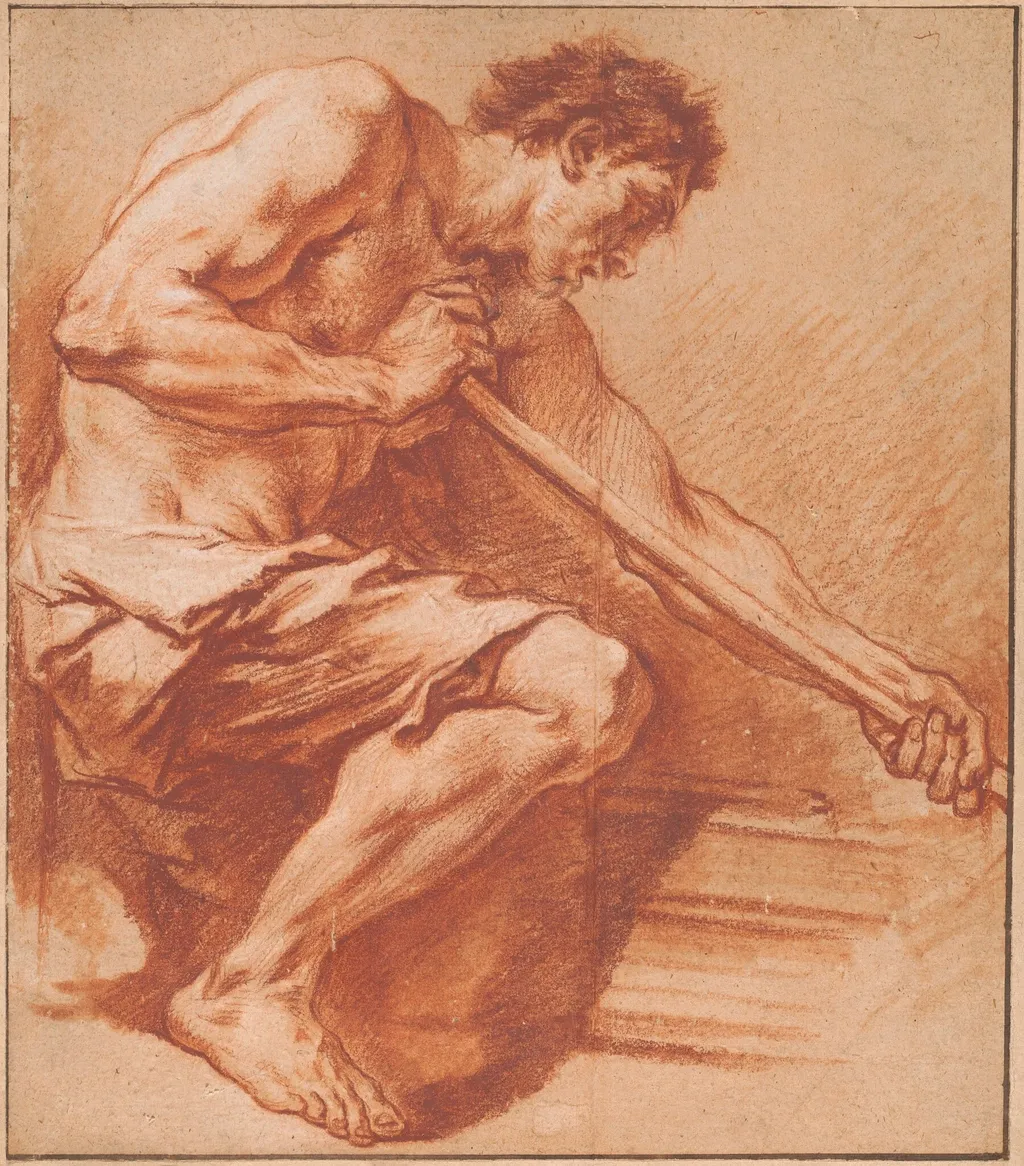
Worker at a Forge is a chalk drawing by the Baroque artist François Boucher. It dates from 1736 and is held in the collection of the National Gallery of Art.
About this work
Overview
Worker at a Forge is a drawing created by François Boucher in 1736, executed in red and white chalks on buff laid paper, subsequently mounted on an 18th–19th century album sheet.
Subject & Meaning
The drawing depicts a laborer intensely engaged in physical work at a forge, conveying the strain of manual labor through rendered muscle tension and posture. While Boucher was known for classical and idyllic themes, this piece highlights a more mundane, labor-oriented subject.
Technique & Style
Boucher utilized red and white chalks to achieve a warm, brownish palette with stark contrasts, suggesting the use of chiaroscuro to dramatize the scene. The quick, uneven lines and varied chalk pressure (especially to emphasize muscle and shadow) reflect a dynamic, expressive approach characteristic of Rococo’s decorative yet intimate sensibilities.
History & Provenance
Created in 1736, the drawing was later mounted on an album sheet from the 18th or 19th century, indicating its preservation and possibly its collection history, though specific ownership details before its current location are not provided.
Context
Within Boucher’s oeuvre, *Worker at a Forge* stands out for its focus on labor, diverging from his typical pastoral and classical subjects. It aligns with Rococo’s broader exploration of everyday life, albeit with Boucher’s distinctive stylistic flair.
Legacy
While *Worker at a Forge* may not typify Boucher’s most renowned themes, it showcases his technical versatility and the Rococo period’s capacity to elegantly capture mundane intensity, contributing to the historical record of artistic explorations of labor in the 18th century.
Artist & collection

Artist
François Boucher was a French painter, draughtsman and etcher, who worked in the Rococo style.

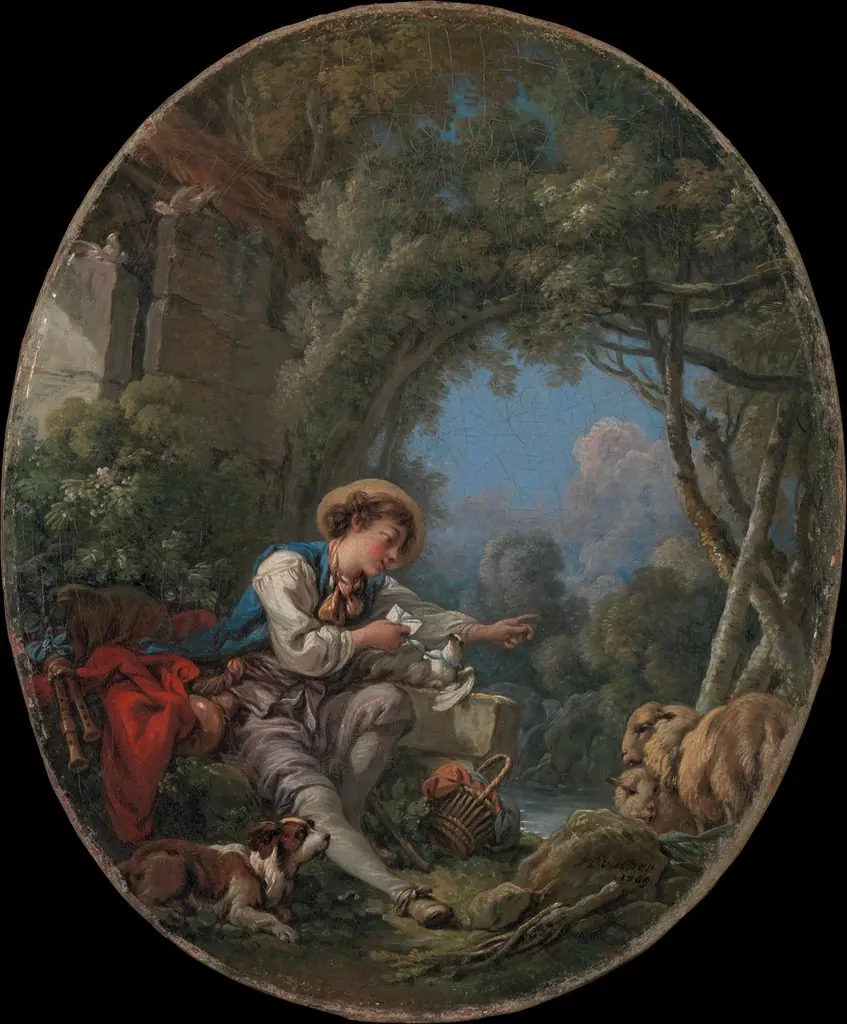
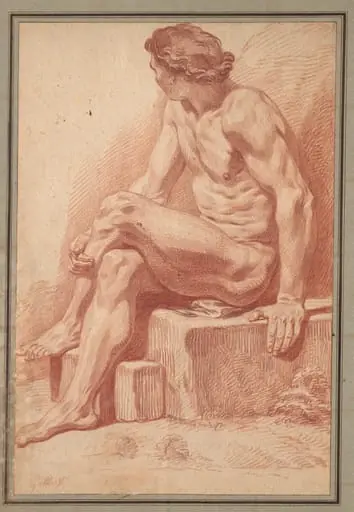 Seated Male Nude
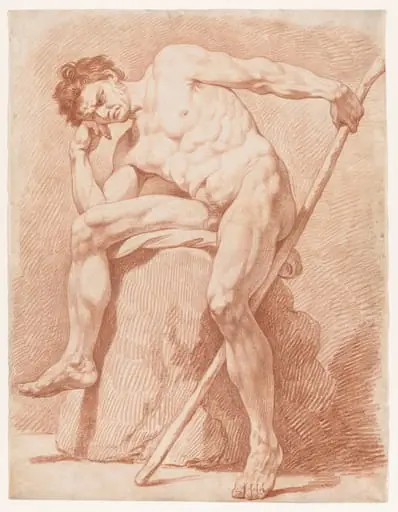 Academy of a Seated Nude Holding a Staff
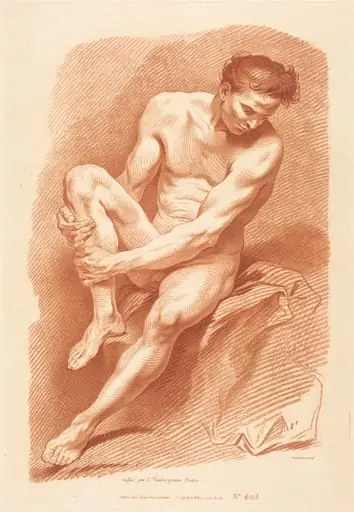 Academy
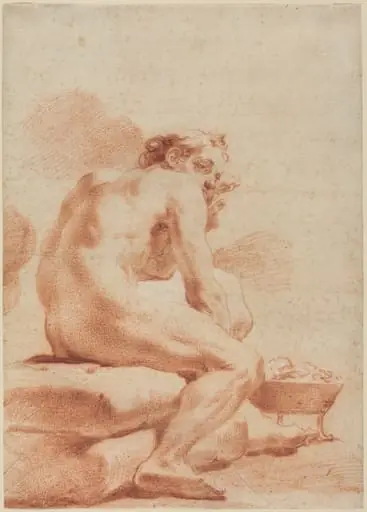 A Young Man Warming Himself at a Brazier
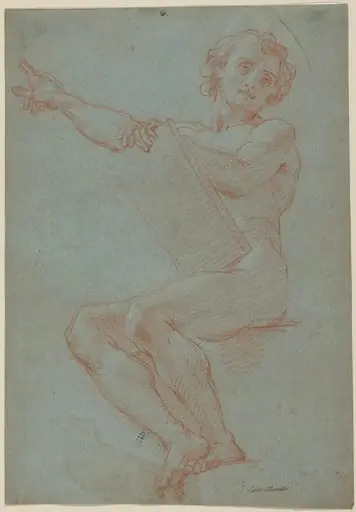 A Seated Man Holding a Tablet
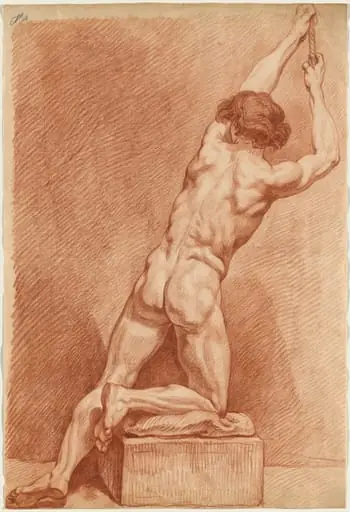 A Male Nude Seen from Behind
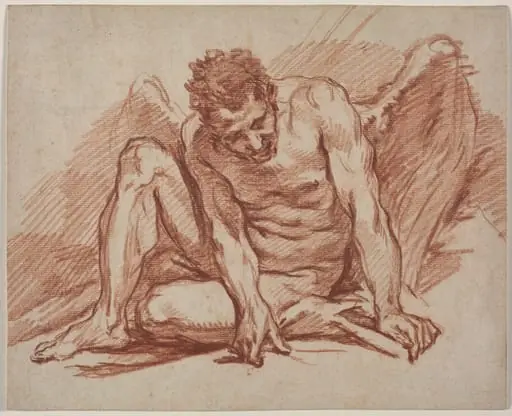 Male Academy with Wings
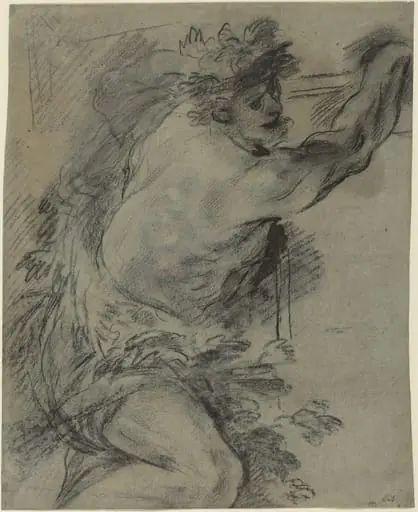 Bacchus
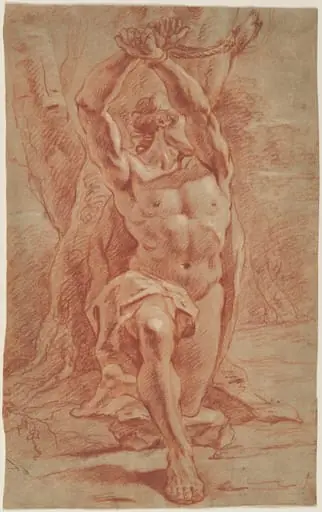 Kneeling Man Bound to a Tree
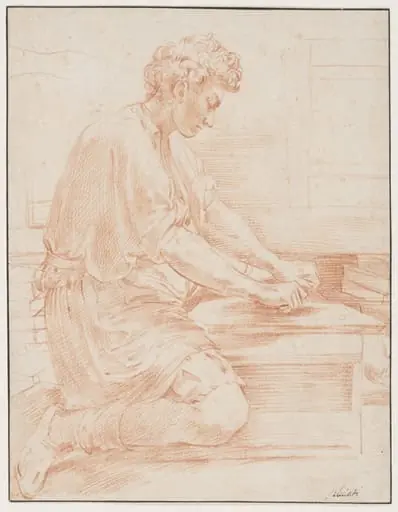 A garzone grinding pigments
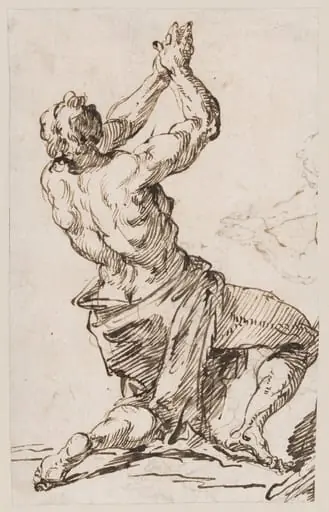 a) Study of a Man Kneeling, Looking Upward (recto); b) Studies of the Same Figure (verso)
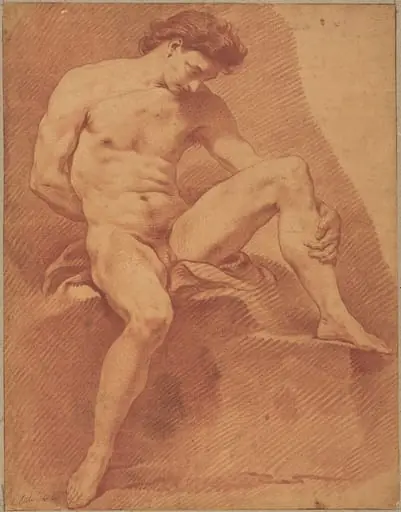 A Seated Male Nude