Artwork
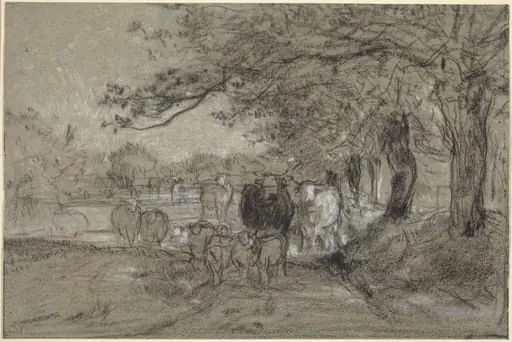
Herdsmen and Cattle
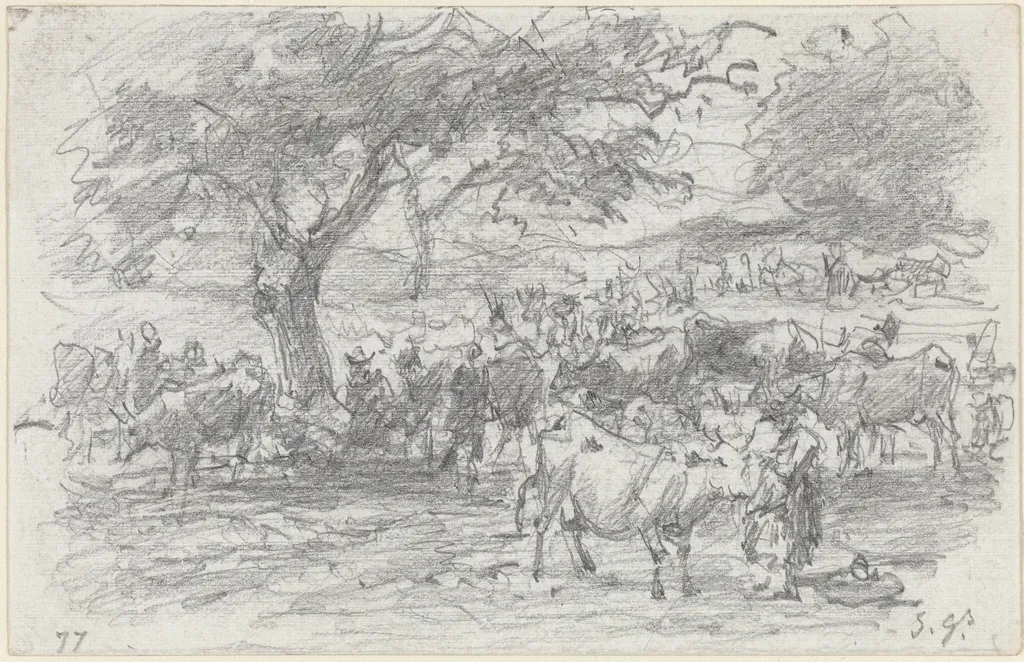
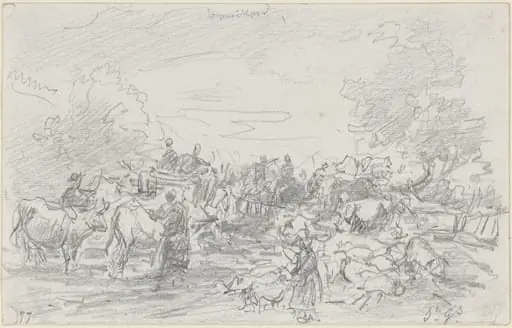
Herdsmen and Cattle is a graphite drawing by the Impressionist artist Eugène Boudin. It dates from 1877 and is held in the collection of the National Gallery of Art.
About this work
Overview
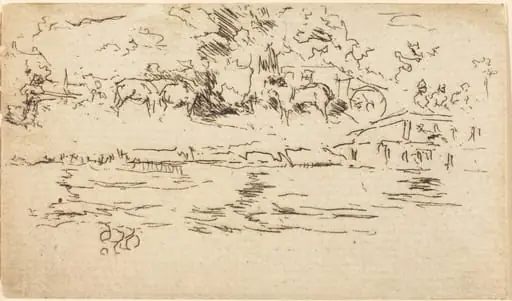
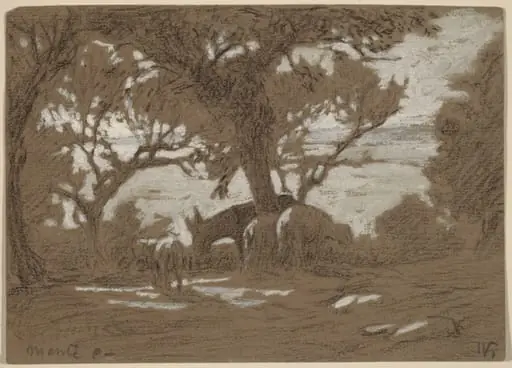
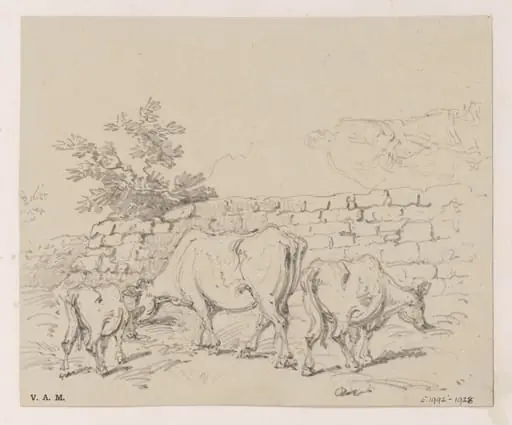
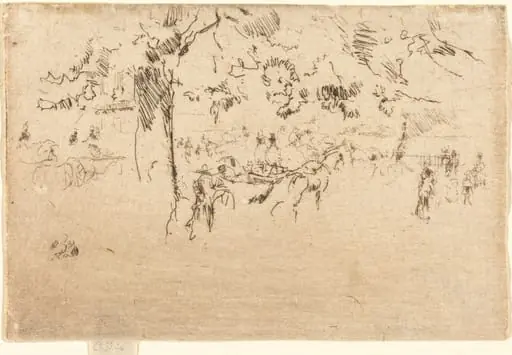
Eugène Boudin’s 1877 drawing *Herdsmen and Cattle* presents a rural scene rendered in graphite on wove paper. The composition centers on a small group of figures in period attire attending to a herd of cattle standing in an open field, with minimal background hints of trees and hills.
Subject & Meaning
The work captures a moment of everyday agricultural life, emphasizing the relationship between the shepherds and their livestock. By focusing on the interaction of human figures and animals, Boudin highlights the rhythms of countryside labor and the quiet dignity of pastoral work.
Technique & Style
Executed in graphite, the drawing exploits the medium’s tonal range to model the textures of clothing, fur, and terrain. Boudin’s use of soft, grayish tones on wove paper creates a subtle atmospheric effect, while fine line work delineates the figures and suggests distant landscape elements with restraint.
History & Provenance
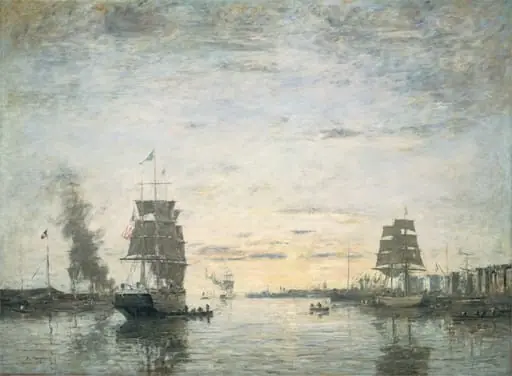
Created during Boudin’s mature period, the drawing reflects his long‑standing interest in outdoor subjects that he pursued through plein‑air practice. Though primarily known for marine scenes, this piece demonstrates his broader engagement with rural environments in the late 1870s.
Context
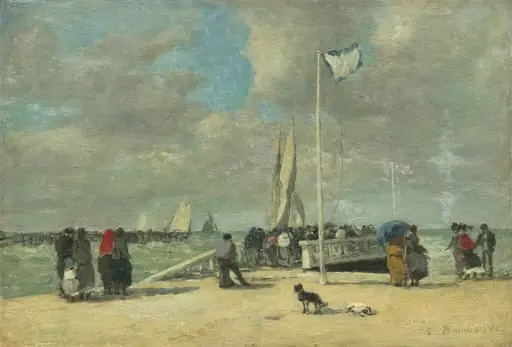
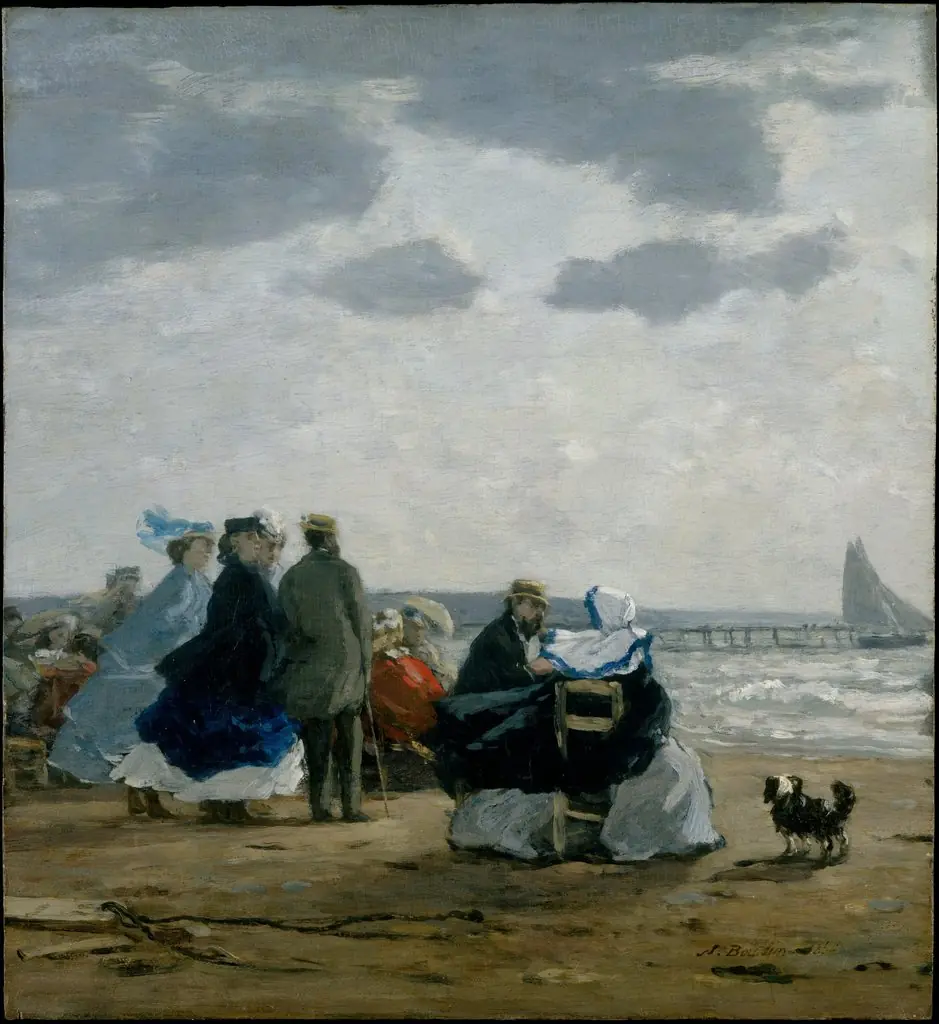
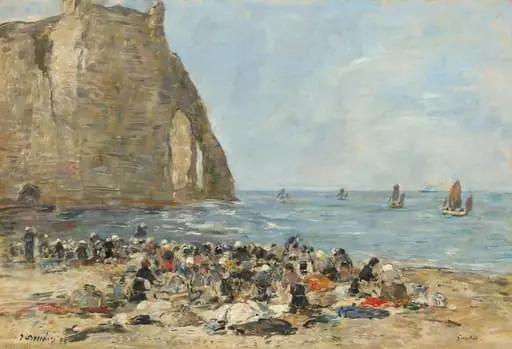
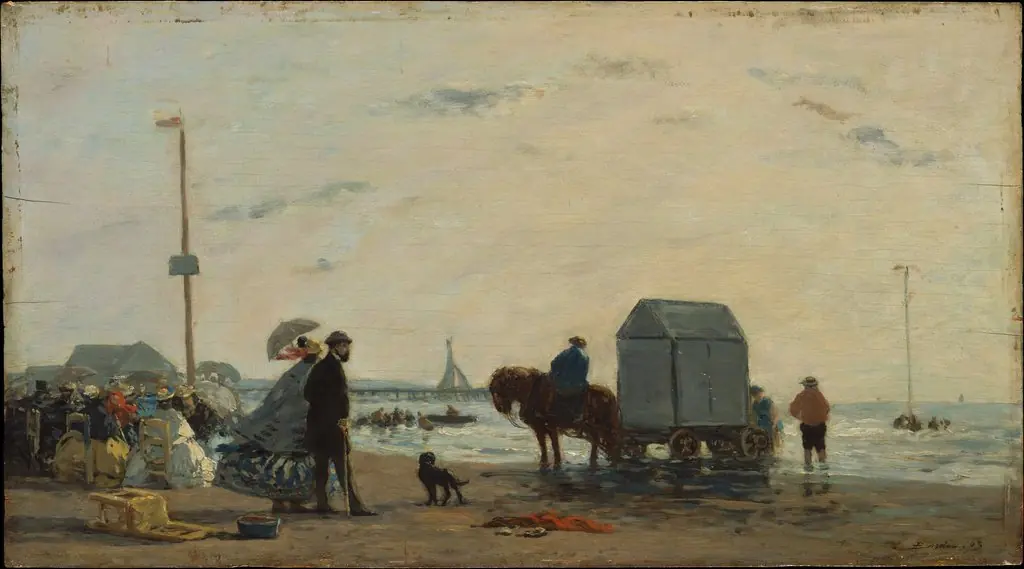
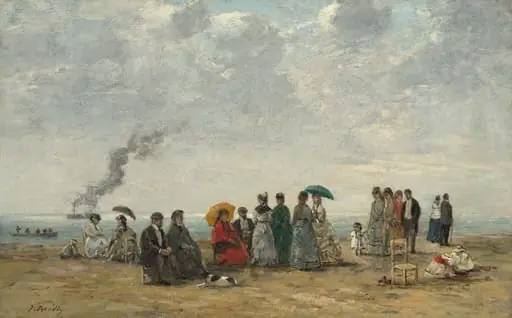
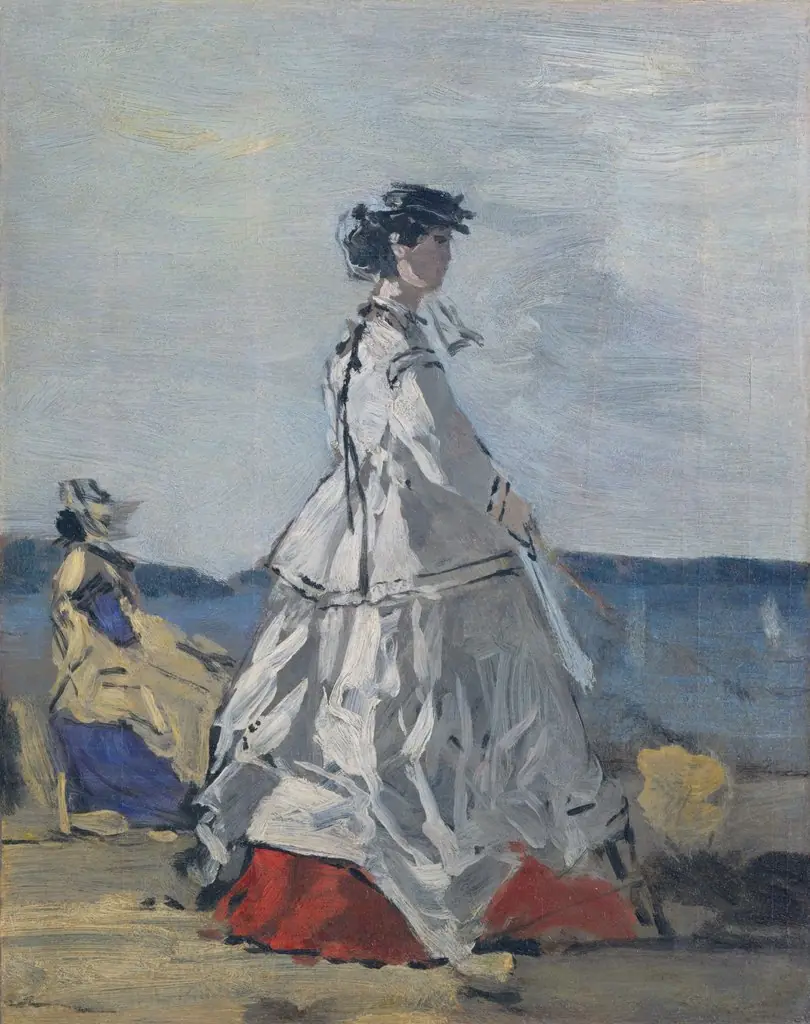
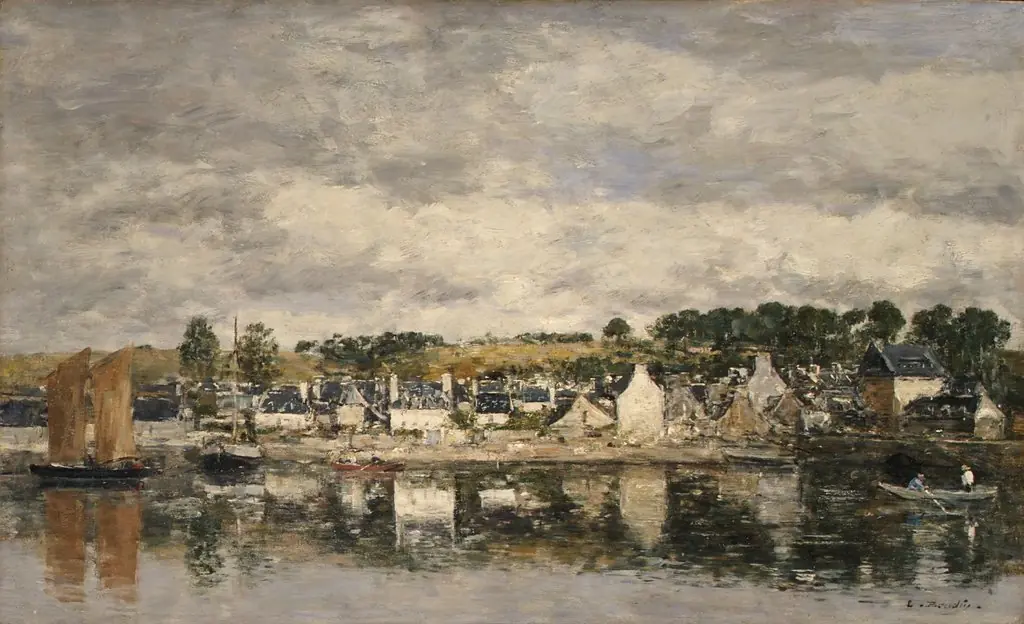
Boudin’s reputation as an early advocate of painting directly from nature placed him alongside contemporaries such as Corot, whose critical support he received. *Herdsmen and Cattle* aligns with his broader oeuvre that often depicted coastal and agrarian life, underscoring his commitment to observing everyday French landscapes.
Artist & collection
Artist
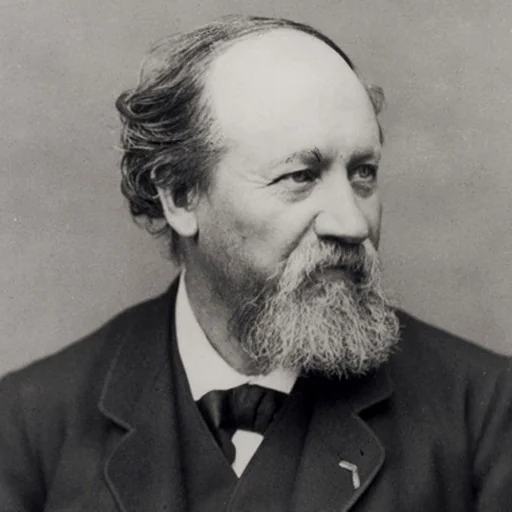
Eugène Louis Boudin (French: ; 12 July 1824 – 8 August 1898) was one of the first French landscape painters to paint outdoors.