Artwork
Mt. Colognola - Sheep Grazing on Lake Trasimeno
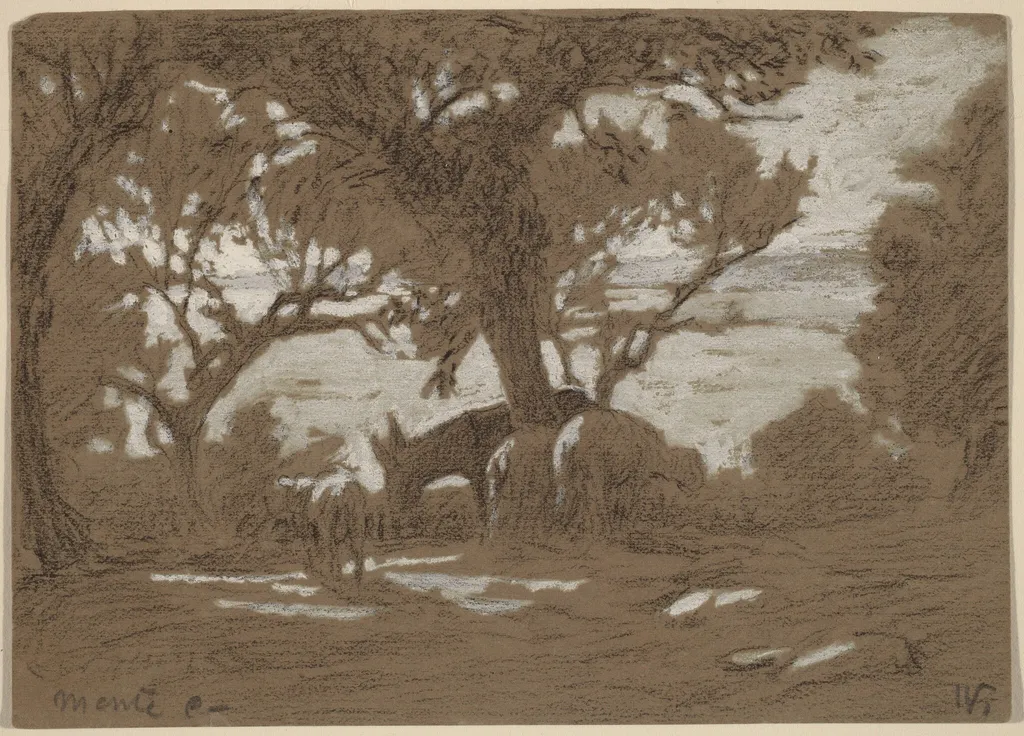
Mt. Colognola - Sheep Grazing on Lake Trasimeno is a gouache drawing by the Impressionist artist Elihu Vedder. It dates from 1878 and is held in the collection of the National Gallery of Art.
About this work
Overview
Created around 1878, this drawing by American artist Elihu Vedder captures a quiet moment in the Italian countryside near Lake Trasimeno.
Created around 1878, this drawing by American artist Elihu Vedder captures a quiet moment in the Italian countryside near Lake Trasimeno. Executed in gouache and charcoal on light brown paper, it reflects Vedder’s interest in landscape during his time in Europe. Unlike his more famous symbolic illustrations, this work embraces simplicity and atmosphere, focusing on the subtle interplay of light, texture, and stillness in a rural setting.
Subject & Meaning
The scene depicts a handful of sheep grazing near the shoreline of Lake Trasimeno, their forms softly integrated into the misty environment. Bare trees frame the composition, their branches rendered in pale charcoal against the warm paper tone. The absence of human figures and the muted palette suggest a contemplative solitude, emphasizing harmony between animal and land rather than narrative or drama. The stillness evokes a sense of time suspended in nature.
Technique & Style
Vedder employed gouache for its opaque, matte quality, layered over charcoal lines to build soft tonal transitions. The light brown paper serves as a mid-tone ground, with highlights added in white and subtle grays for shadow. Delicate, faint lines suggest water ripples or paths, contributing to the hazy, atmospheric effect. The technique avoids sharp definition, favoring a diffused, almost ethereal quality that aligns with 19th-century European sketching traditions.
History & Provenance
Vedder produced this work during a period of extended travel in Italy, following his success with illustrations for *The Rubaiyat of Omar Khayyam*. While the drawing’s early ownership is undocumented, it reflects his broader practice of recording landscapes as personal studies rather than finished commissions. Its preservation suggests it was valued as a quiet, intimate record of his observations in the Italian countryside.
Context
In the late 19th century, many Western artists turned to rural Italy for its unspoiled vistas and light, seeking refuge from industrialization. Vedder’s approach aligns with contemporaries who favored tonal harmony and subdued color over dramatic composition. This drawing exemplifies a trend among expatriate artists who valued sketching as a means of direct engagement with nature, prioritizing mood over detail.
Legacy
Though less known than his literary illustrations, this work contributes to understanding Vedder’s range as an observer of natural quietude. It stands as a modest but deliberate example of how American artists absorbed European plein air practices, using humble materials to convey emotional resonance. The drawing remains a quiet testament to the value placed on stillness and subtle observation in 19th-century artistic practice.
Artist & collection

Artist
Elihu Vedder (26 February 1836 – 29 January 1923) was an American symbolist painter, book illustrator and poet from New York City.

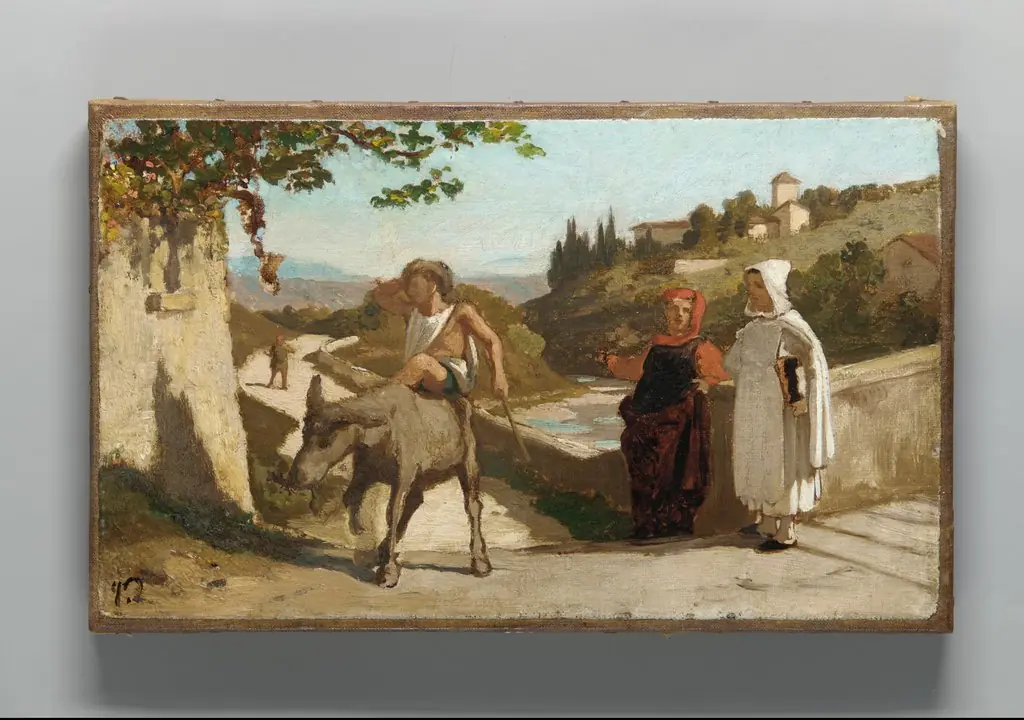 The Fable of the Miller, His Son, and the Donkey
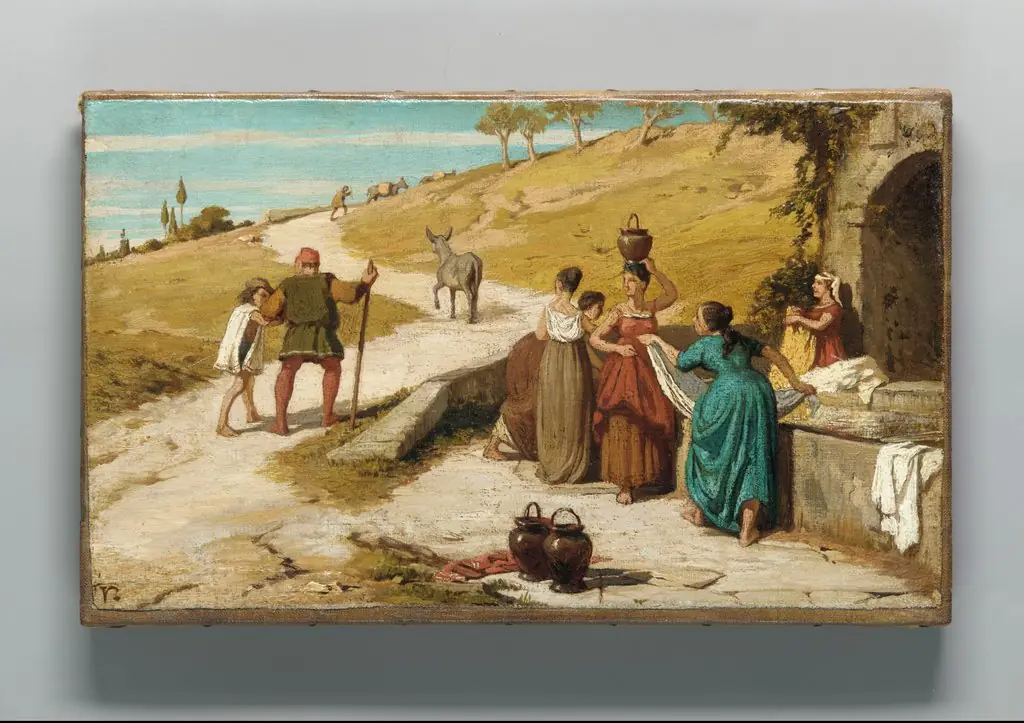 The Fable of the Miller, His Son, and the Donkey
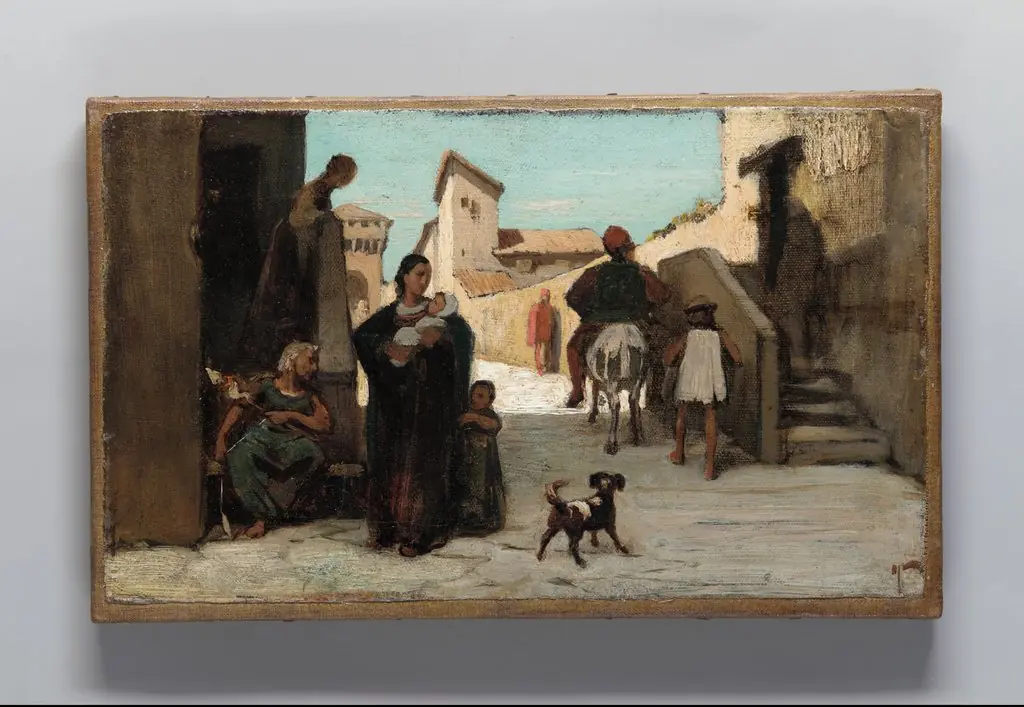 The Fable of the Miller, His Son, and the Donkey
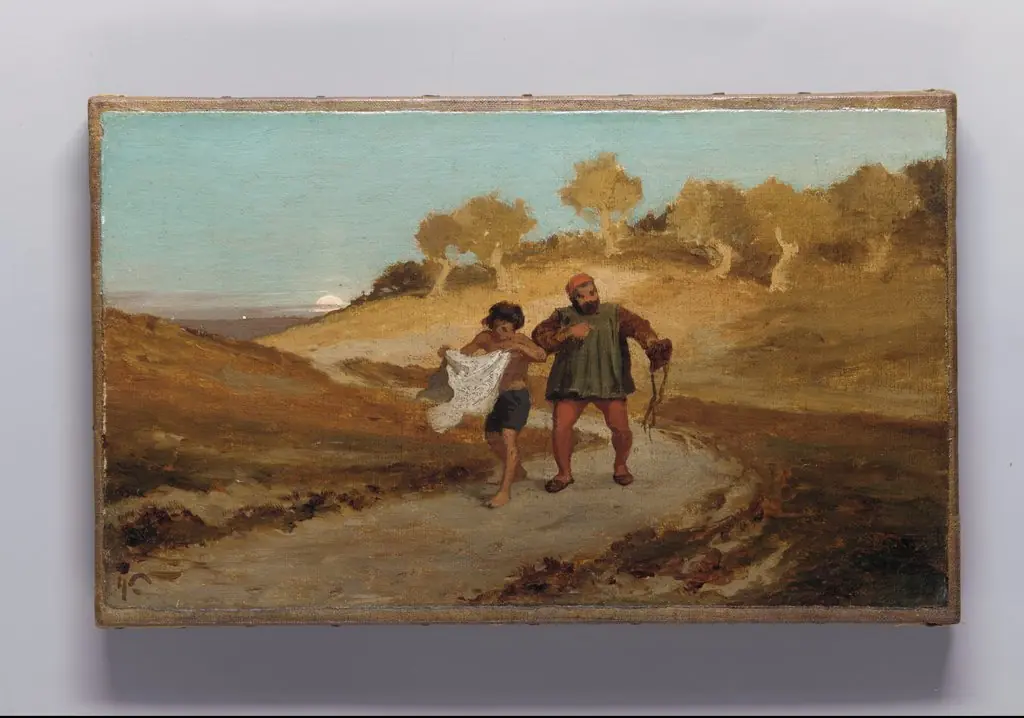 The Fable of the Miller, His Son, and the Donkey
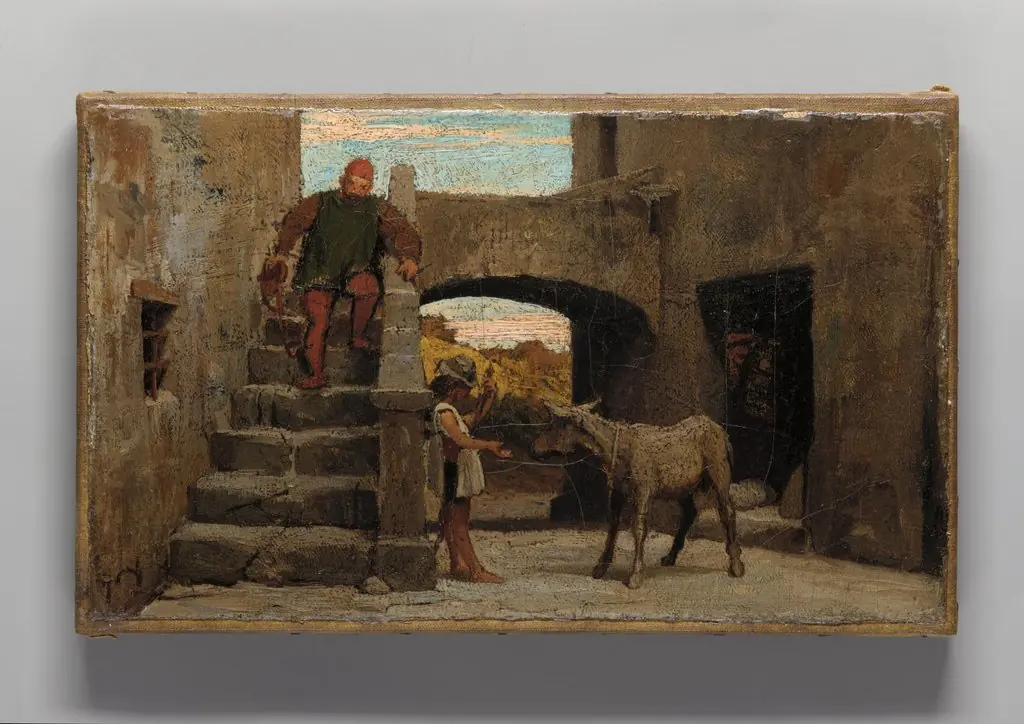 The Fable of the Miller, His Son, and the Donkey
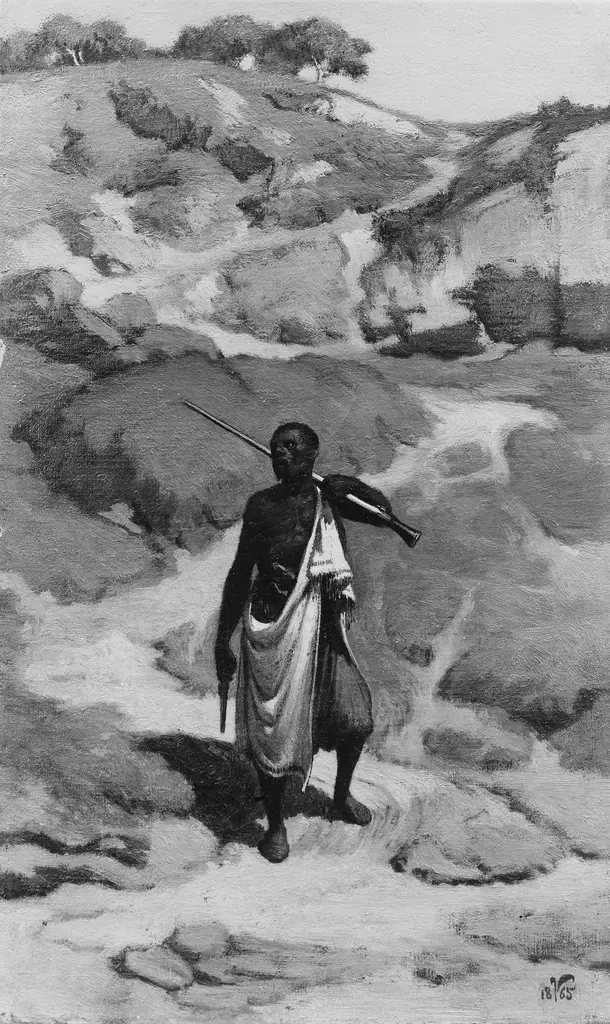 The African Sentinel
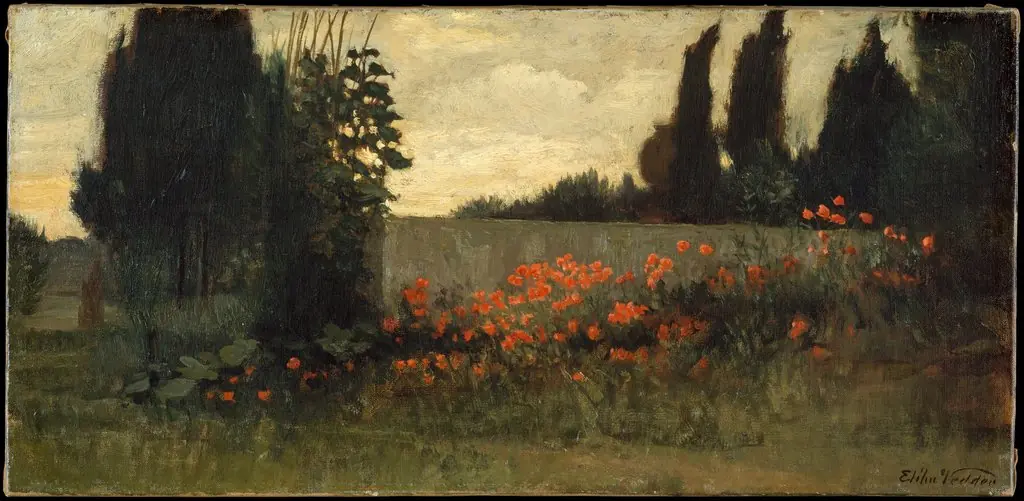 Cypress and Poppies
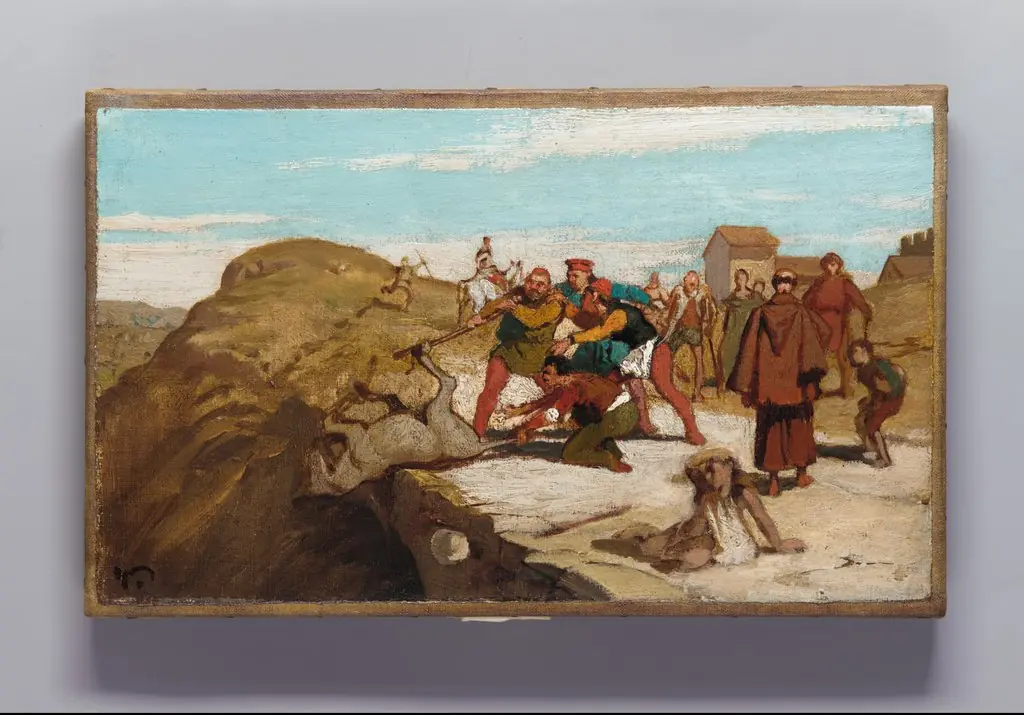 The Fable of the Miller, His Son, and the Donkey
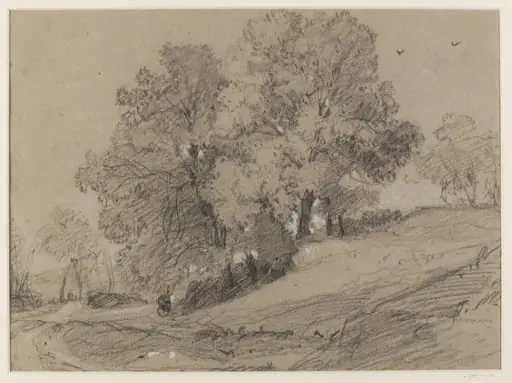 Untitled
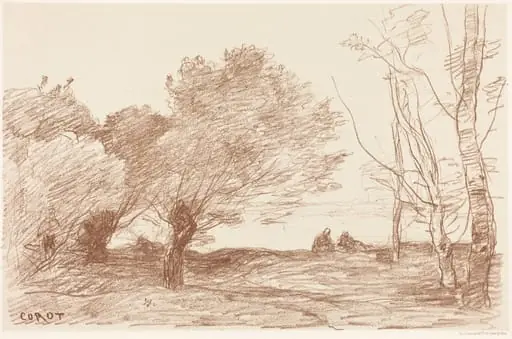 Willows and White Poplars (Saules et peupliers blancs)
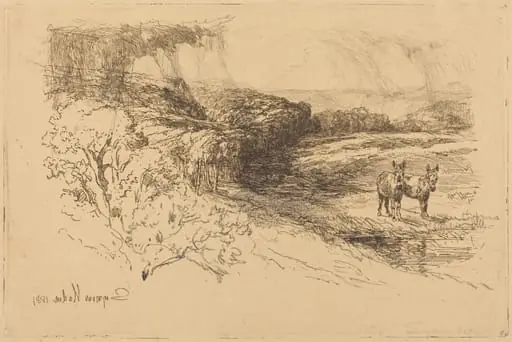 Encombe Woods (No.1)
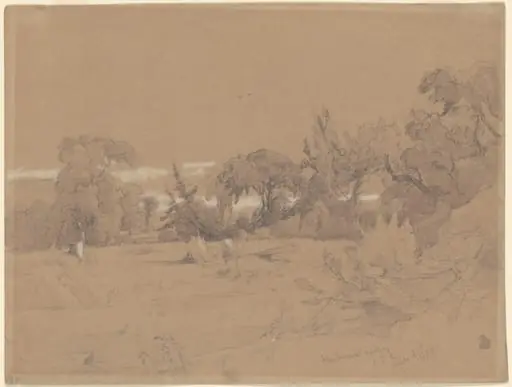 Sherberne Valley
 Salmon Fisher (Le pecheur du saumon)
 Meadow in Sunshine (Le pre ensoleille)
 Return from the Plowing (Le retour de labourage)
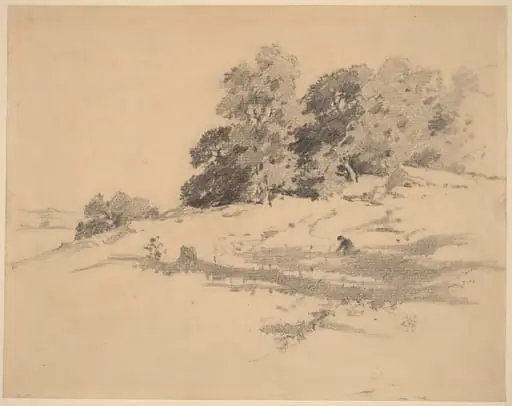 Landscape near Washington, Connecticut
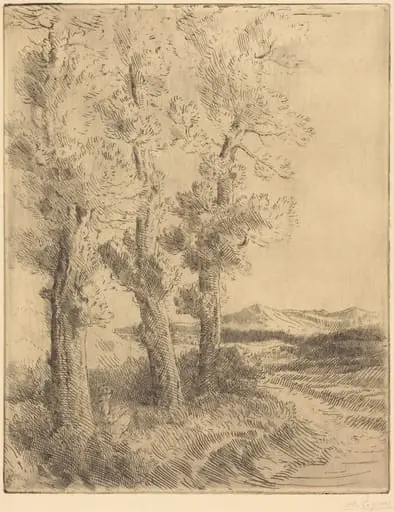 Woman Reading: Lesson under the Trees (La liseuse: La lecture sous les arbres)
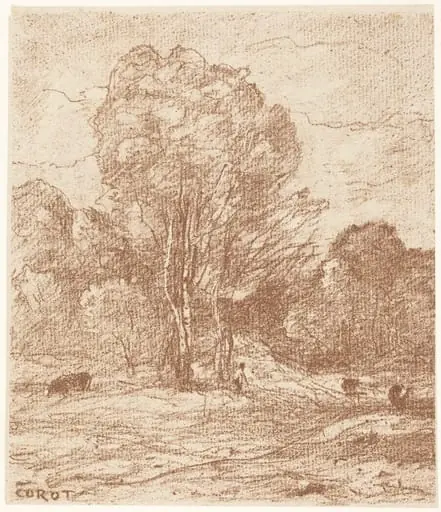 Drowsing Cattle (Le Dormoir des vaches)
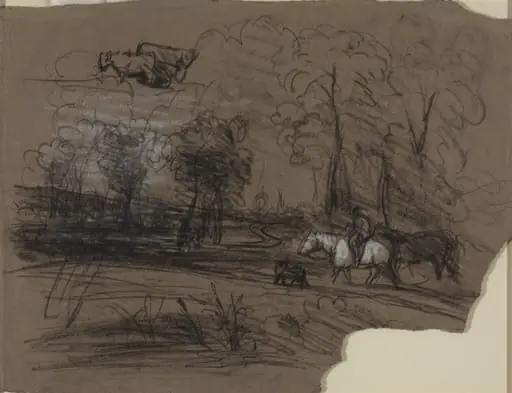 Rider in the Countryside
 In the Forest of Fontainebleau (Dans la foret de Fontainebleau)