Artwork
H Beard Print Collection
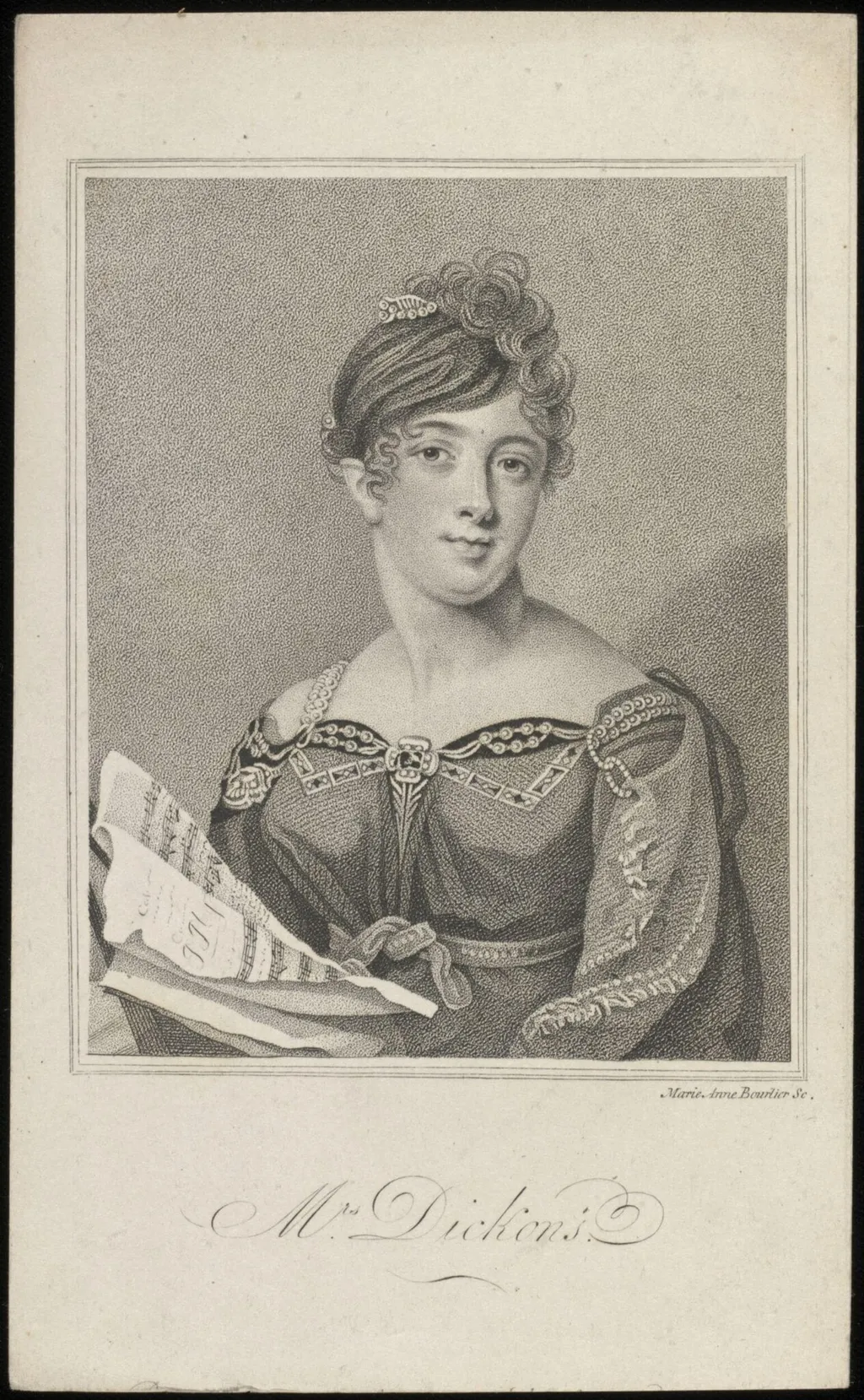
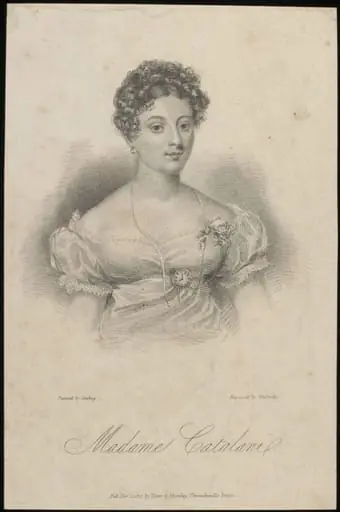
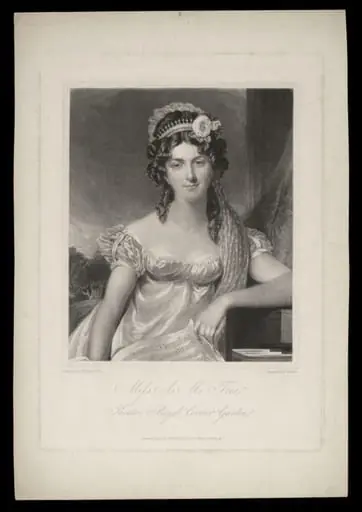
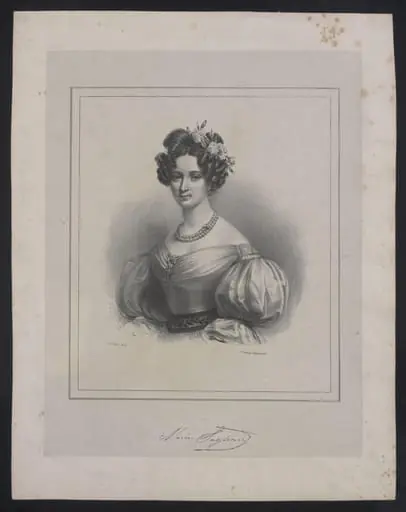
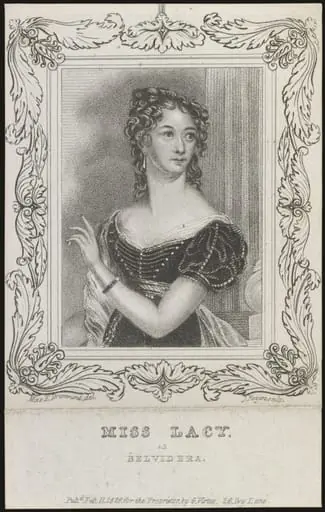
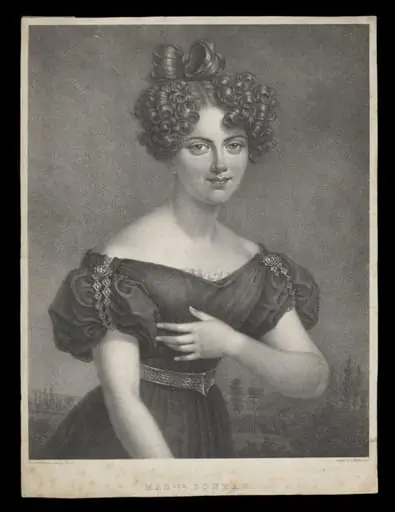
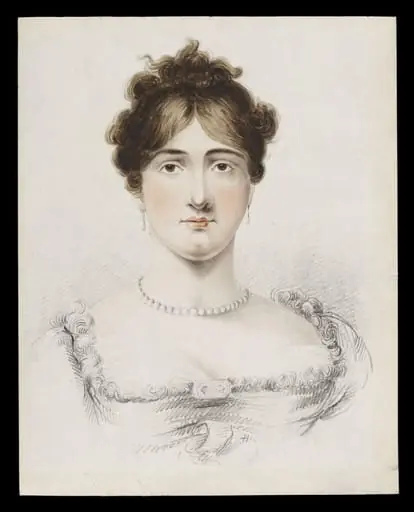
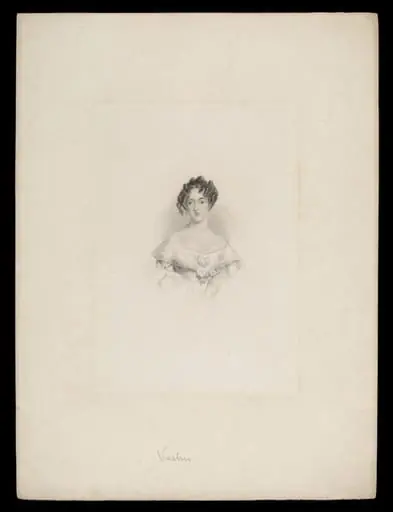
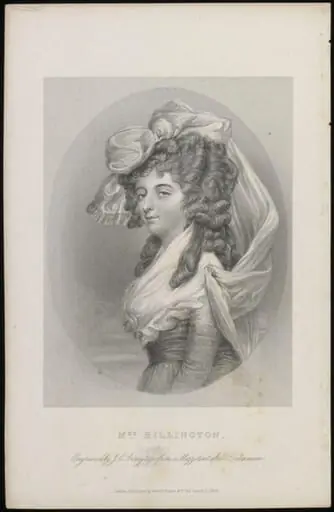
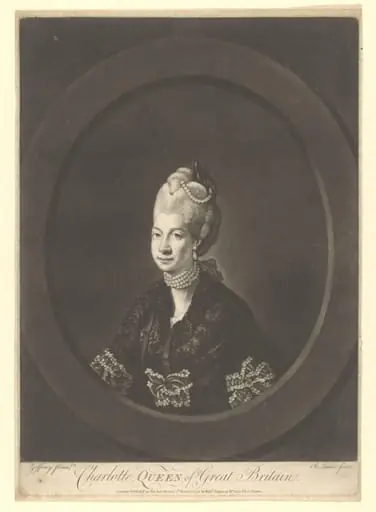
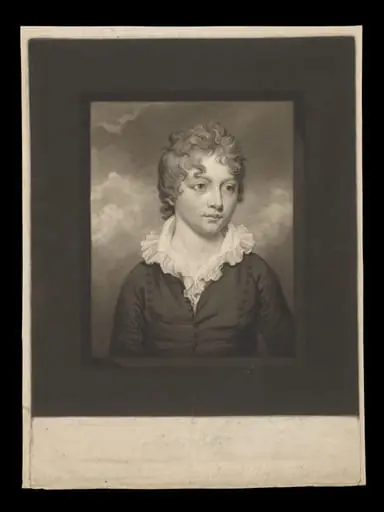
H Beard Print Collection is a print by the Romanticist artist Marie Anne Bourlier. It dates from 1812 and is held in the collection of the Victoria and Albert Museum.
About this work
Marie Anne Bourlier made this print in 1812. It’s a portrait of Mrs Dickons, published in a magazine called La Belle Assemblée. The print sits at the Victoria and Albert Museum.
Romanticism shows up in the print’s mood and style. It’s a fashion plate, so it also doubles as a snapshot of early 1800s dress and taste.
Look up Bourlier, Marie Anne next.
Overview
This 1812 print, created by Marie Anne Bourlier, depicts a portrait of Mrs. Dickons as part of the magazine La Belle Assemblée. Now housed at the Victoria and Albert Museum, it serves both as a representation of its subject and a historical fashion plate.
Subject & Meaning
The print specifically portrays Mrs. Dickons, capturing an individual of the time while also embodying broader cultural values through its depiction of high fashion.
Technique & Style
Executed in the style of Romanticism, the print conveys a distinct mood. As a fashion plate, it meticulously details early 19th-century dress and aesthetic preferences.
History & Provenance
Originally published in La Belle Assemblée in 1812, the print is now part of the Victoria and Albert Museum's collection.
Context
Reflecting the early 19th century's focus on fashion and portraiture, the work situates itself within the Romantic movement's emphasis on emotion and detailed representation.
Legacy
While specific lasting impacts of this individual print are not broadly documented, it contributes to the historical record of early 19th-century fashion and the oeuvre of Marie Anne Bourlier.
Artist & collection
Artist
Marie Anne Bourlier made prints in early 19th-century France. Her 1812 work in the H Beard Print Collection shows a carefully etched scene, likely a portrait or genre view, typical of the period’s printmaking. The image…