Artwork
The Boleras Dance
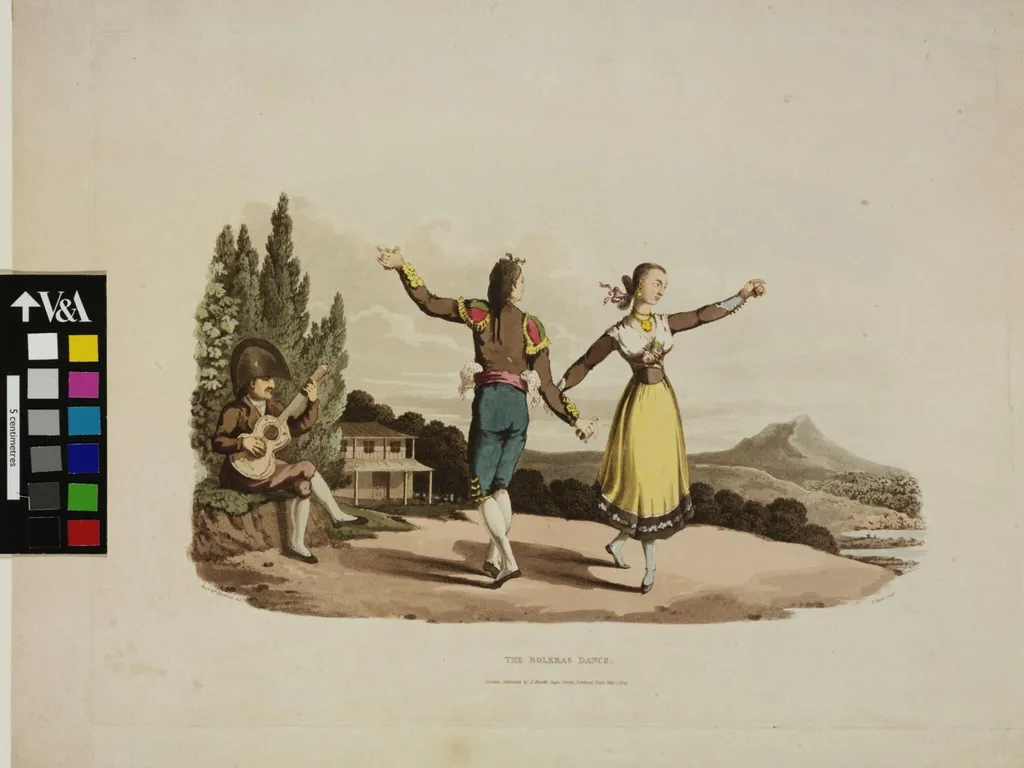
The Boleras Dance is a print by the Romanticist artist William Bradford. It dates from 9 and is held in the collection of the Victoria and Albert Museum.
About this work
The dancers aren’t dressed up for the stage—they’re in simple clothes, moving under open sky.
This is a print from 1809 showing Spanish peasants dancing in a field. It’s early proof of Brits taking notice of Spanish life after the war with Napoleon. The dancers aren’t dressed up for the stage—they’re in simple clothes, moving under open sky.
The dance is a bolero, slow and graceful, born in 1780 for the Spanish court. It later inspired composers like Maurice Ravel. This image keeps it honest: no fancy costumes, just the real rhythm.
Look up the Victoria and Albert Museum next.
Overview
Created in 1809, this print captures a moment of rural Spanish life during a period of heightened British interest in Iberian culture following the Peninsular War. Unlike later theatrical depictions, it portrays ordinary peasants engaged in a traditional dance, offering a rare, unembellished glimpse into regional customs at a time when Spain was becoming a subject of fascination beyond its borders.
Subject & Meaning
The scene depicts peasants performing the bolero, a dance originating in the Spanish court around 1780 but rooted in folk traditions. The figures move in a restrained, flowing manner under an open sky, emphasizing authenticity over spectacle. This representation contrasts with later romanticized versions, suggesting an early attempt to document Spanish life as it was lived, not as it was imagined by foreign audiences.
Technique & Style
Executed as a print, the work employs fine linework to suggest movement and texture without elaborate detail. The composition is grounded in naturalism: figures are arranged informally within a landscape, avoiding stage-like staging. Soft shading and minimal background detail focus attention on the dancers’ postures and the quiet rhythm of their motion, reinforcing the intimacy of the moment.
History & Provenance
Produced shortly after the end of the Peninsular War, the print emerged during a surge of British curiosity about Spanish society. While the exact origin of the print is undocumented, its timing aligns with a broader cultural shift in Britain, where returning soldiers and travelers brought back accounts and imagery of Iberian customs, contributing to early ethnographic interest in Spanish folk practices.
Context
The bolero, though formalized for the Spanish court in 1780, drew from rural dance traditions and remained part of everyday life in many regions. Its slow, measured rhythm distinguished it from more vigorous Spanish dances. In the early 19th century, such dances were rarely documented visually outside Spain, making this print a significant record of cultural exchange during a period of political upheaval and renewed cross-border awareness.
Legacy
Though the print itself was not widely circulated, it reflects a turning point in how Spanish culture was perceived in Britain—moving from exotic fantasy toward observation. Later, the bolero’s musical influence, notably on composers like Ravel, would overshadow its visual record. This image endures as a quiet testament to the dignity of folk expression before it was transformed by stagecraft and commercialization.
Artist & collection

Artist
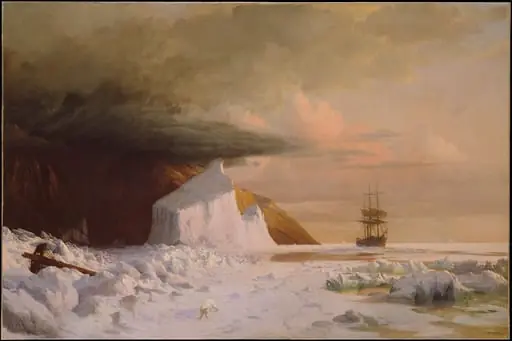
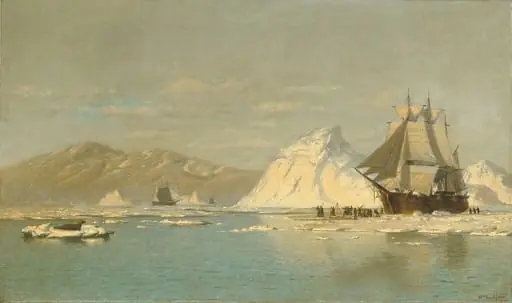
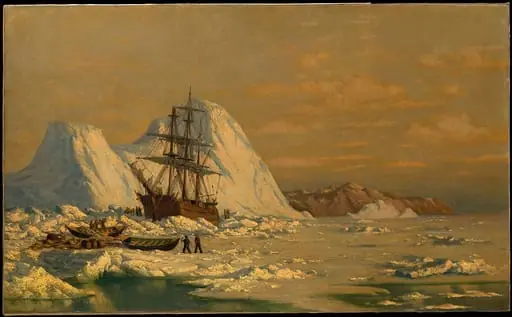
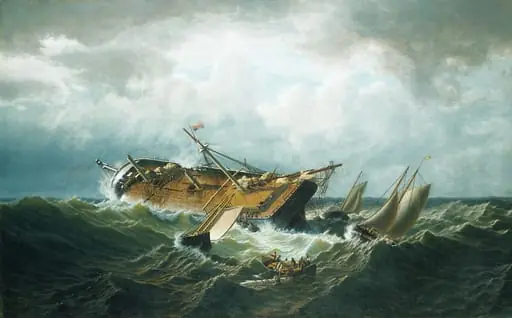
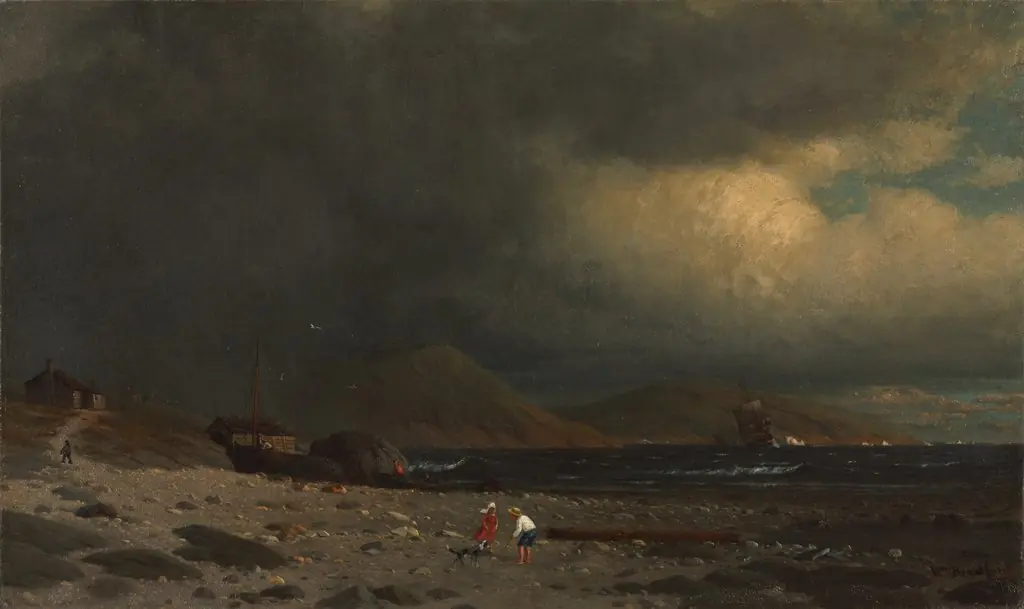
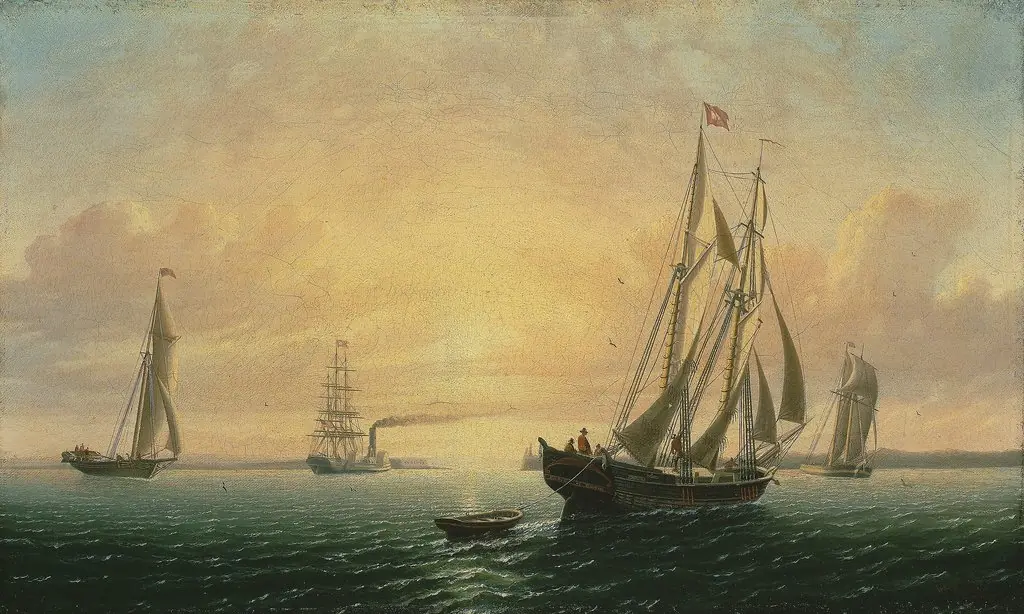
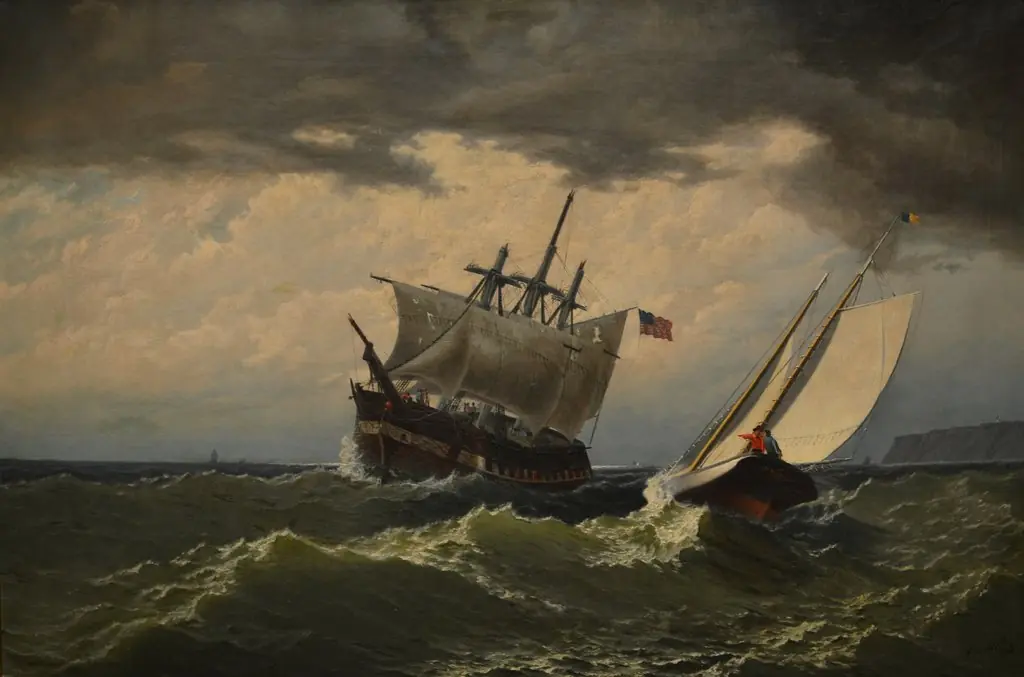
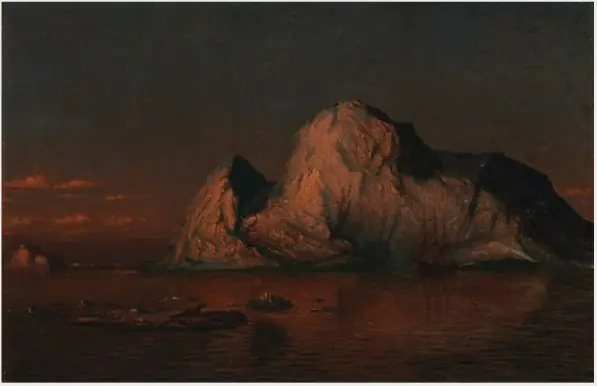
William Bradford (April 30, 1823 – April 25, 1892) was an American romanticist painter, photographer and explorer, originally from Fairhaven, Massachusetts, near New Bedford.

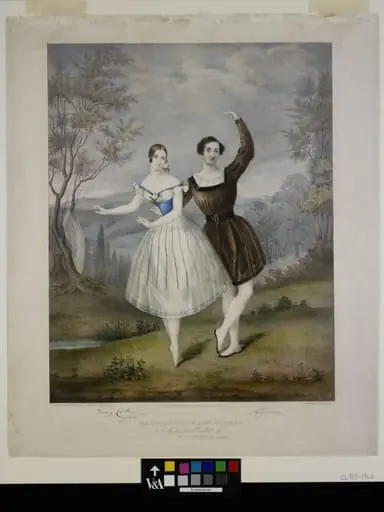 Madle Cerito & Sigr Guerra. In the favorite Ballet of, "Le lac des Fées." By Guerra. Fanny Cerito. A Guerra
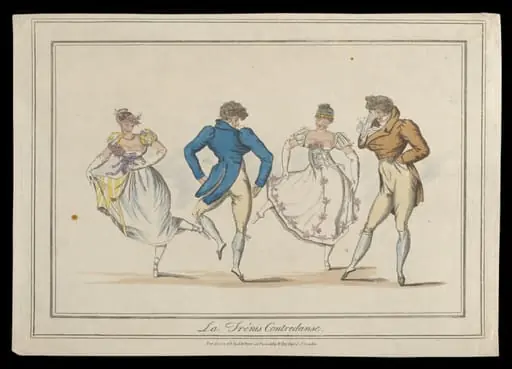 H Beard Print Collection
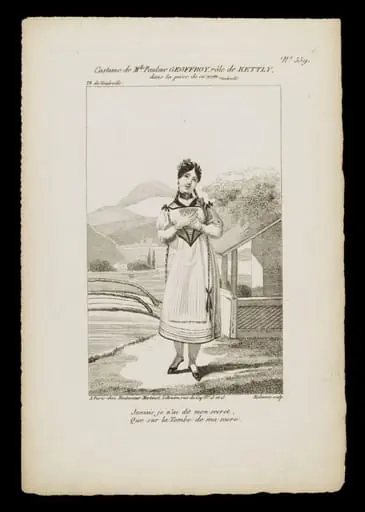 H Beard Print Collection
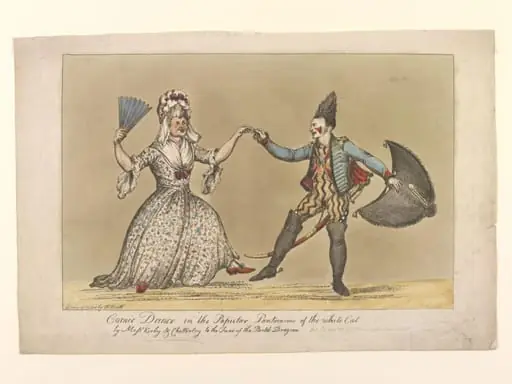 H Beard Print Collection
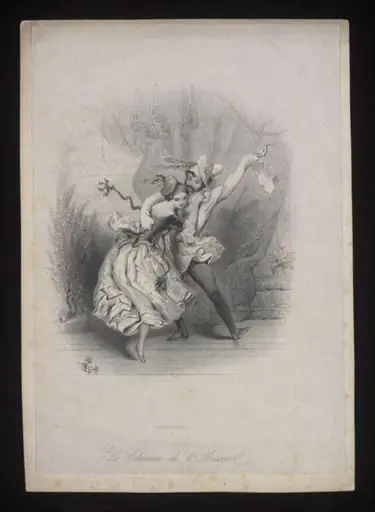 "Le Chemin de l'Amour."
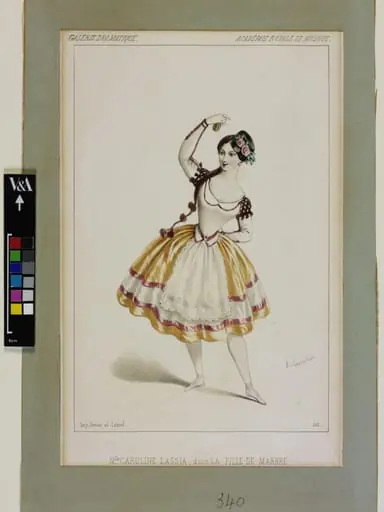 Mlle Caroline Lassia, dans La Fille de marbre. (sic)
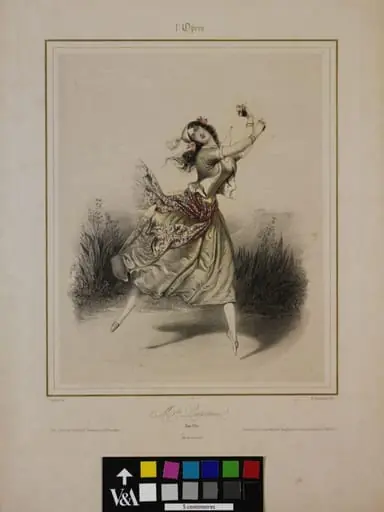 Mlle Laprairie Pas Grec
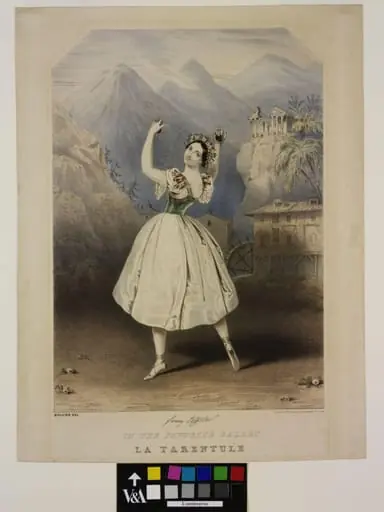 Fanny Elssler in La Tarentule