Artwork
H Beard Print Collection
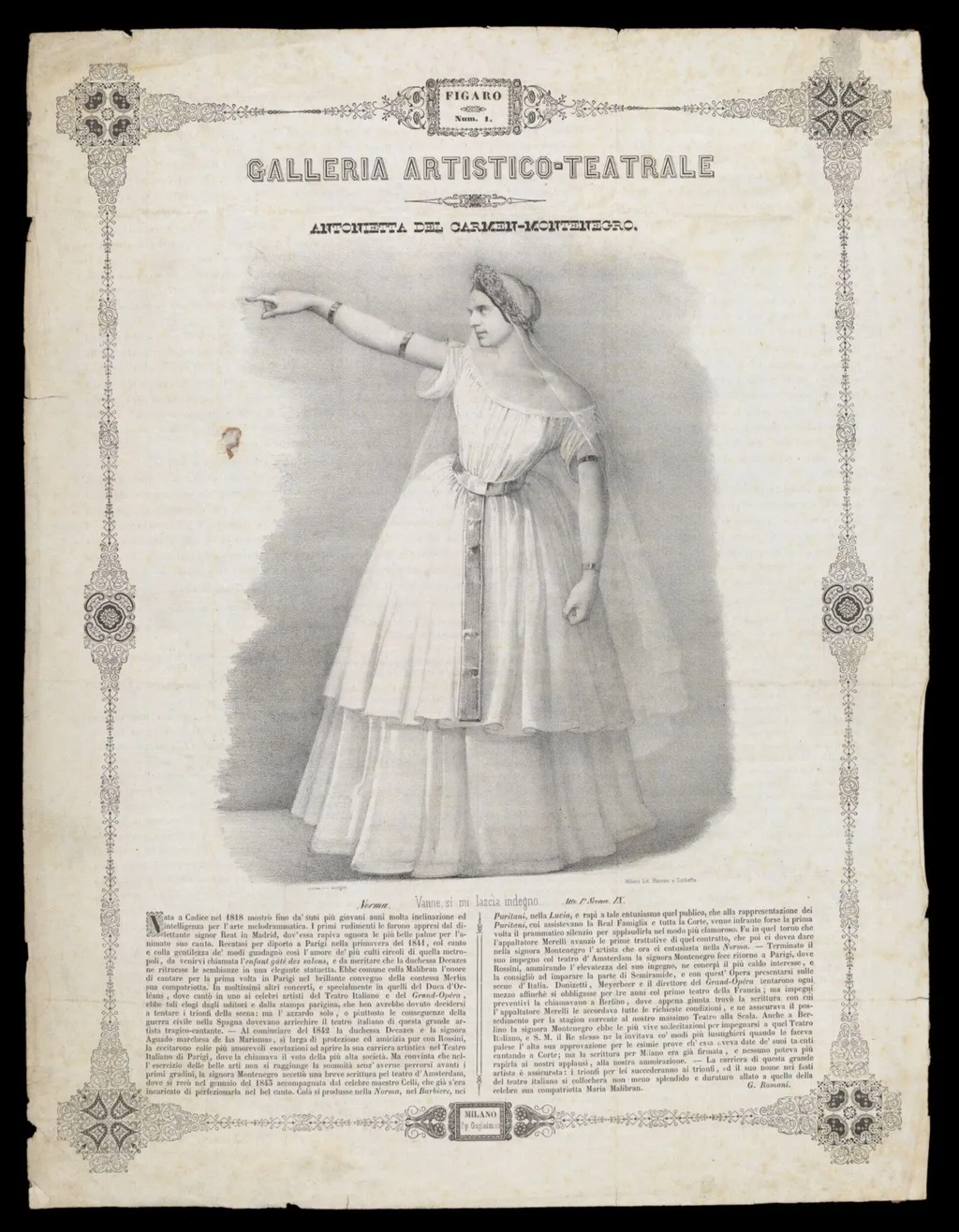
H Beard Print Collection is a print by Brison & Corbetta. It dates from 1850 and is held in the collection of the Victoria and Albert Museum.
About this work
Overview
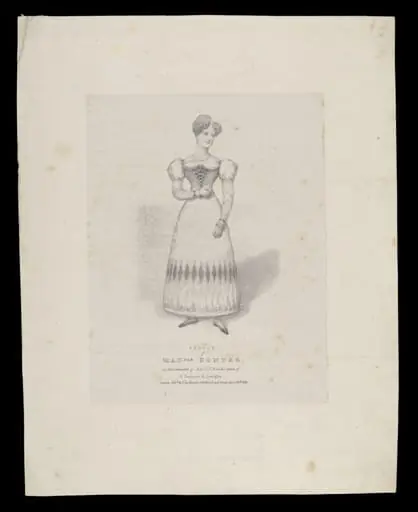
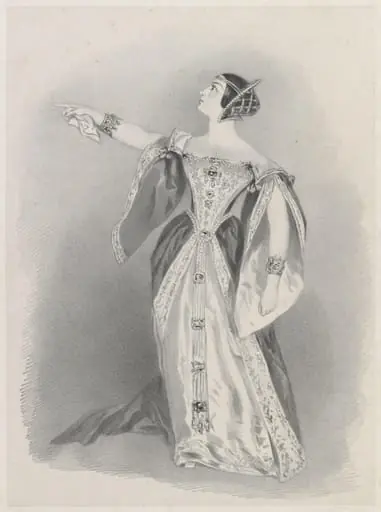
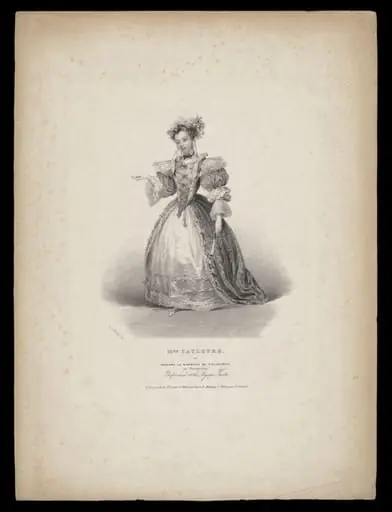
This print depicts Antonietta del Carmen-Montenegro in costume as the title character of Bellini's opera Norma, captured mid-performance in Act 1, Scene IX.
This print depicts Antonietta del Carmen-Montenegro in costume as the title character of Bellini's opera Norma, captured mid-performance in Act 1, Scene IX. It was published as the inaugural illustration in the first issue of the Milanese magazine Figaro, serving both as a visual tribute and a promotional element for the opera's recent staging. The image is accompanied by biographical text, situating the performer within the cultural moment of early 19th-century Italian opera.
Subject & Meaning
The portrait presents Montenegro as Norma, a Druid priestess torn between duty and passion, embodying the dramatic intensity central to Bellini’s work. By featuring her in full costume and theatrical pose, the print elevates her performance to symbolic status, linking her personal artistry with the mythic gravity of the character. The accompanying text reinforces her significance as a leading interpreter of the role during a period when opera stars were becoming cultural icons.
Technique & Style
Executed as a fine-line print, the image employs precise engraving to render the elaborate costume and expressive gesture of the figure. The composition is formal and frontal, emphasizing the theatricality of the pose while maintaining clarity of detail. The integration of printed biographical notes alongside the portrait reflects a common practice in periodicals of the time, blending visual art with literary context to inform and engage readers.
History & Provenance
The print originated in Milan in the early 1830s as part of the debut issue of Figaro, a cultural periodical devoted to music and the arts. Its publication coincided with a surge of public interest in Italian opera, particularly Bellini’s works. The image likely circulated among opera enthusiasts and collectors, preserving a visual record of Montenegro’s acclaimed portrayal during a peak moment in her career.
Context
In the 1830s, Italian opera houses were centers of national identity and artistic innovation. Magazines like Figaro played a key role in documenting and disseminating performances to a broader public. The choice to feature Montenegro as Norma—a role demanding vocal and dramatic mastery—reflected both her prominence and the opera’s status as a benchmark of bel canto excellence in the post-Rossini era.
Legacy
This print remains a rare visual document of Antonietta del Carmen-Montenegro’s stage presence and the early reception of Norma in Italy. As one of the first illustrated opera portraits in a widely distributed periodical, it exemplifies the growing intersection of print media and performing arts. Though Montenegro’s name is less remembered today, the print preserves her contribution to a pivotal moment in operatic history.
Artist & collection
Artist
They ran a print shop in Victorian London where artists came to argue over ink and paper.

 H Beard Print Collection
 H Beard Print Collection
 H Beard Print Collection
 H Beard Print Collection
 H Beard Print Collection
 H Beard Print Collection
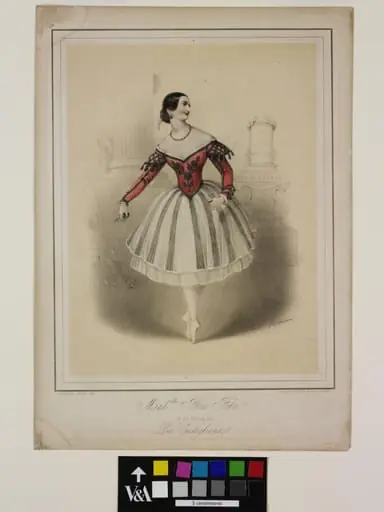 Madlle Flora Fabri,(sic)
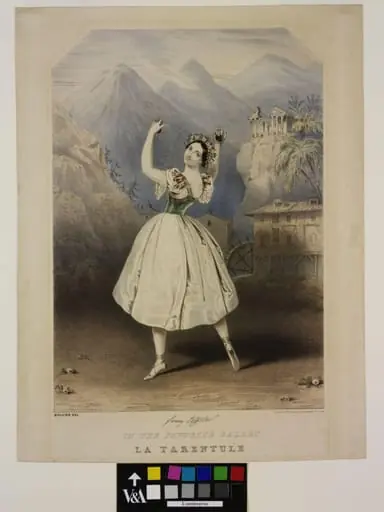 Fanny Elssler in La Tarentule
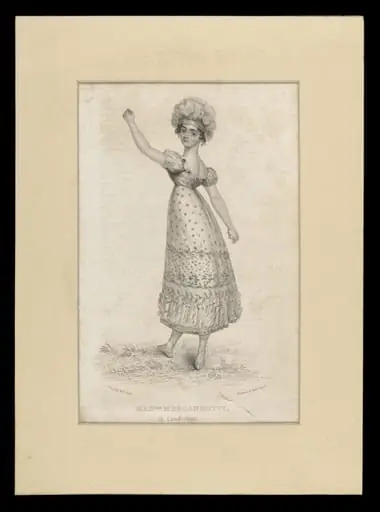 H Beard Print Collection
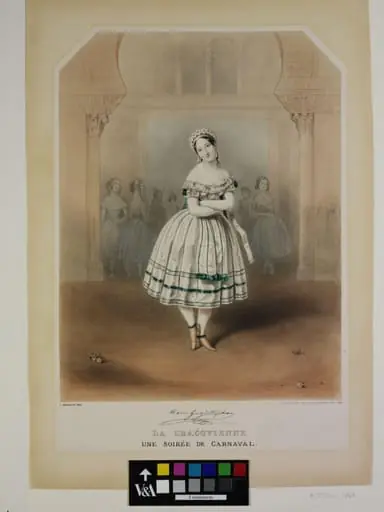 Marie Guy Stephan (facsimile signature)
 H Beard Print Collection
 H Beard Print Collection