Artwork
Portrait of a boy
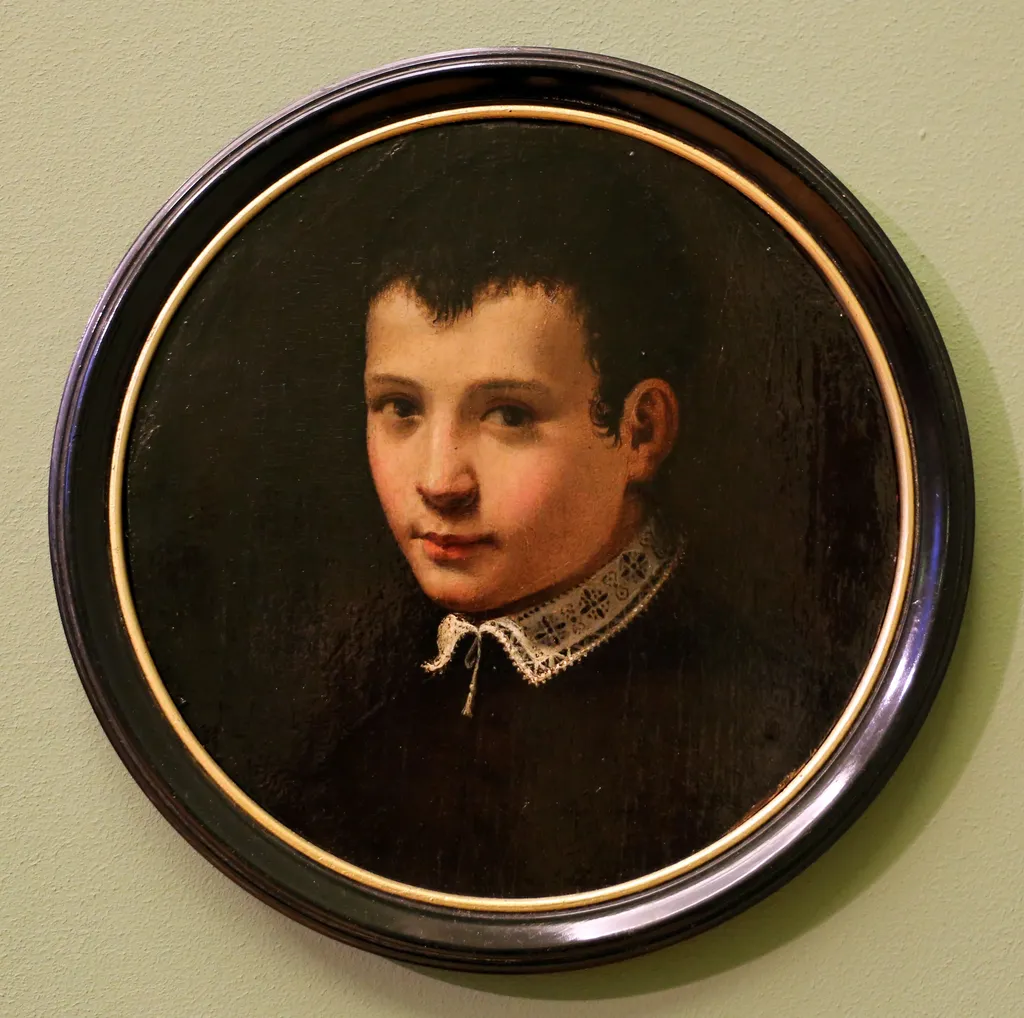
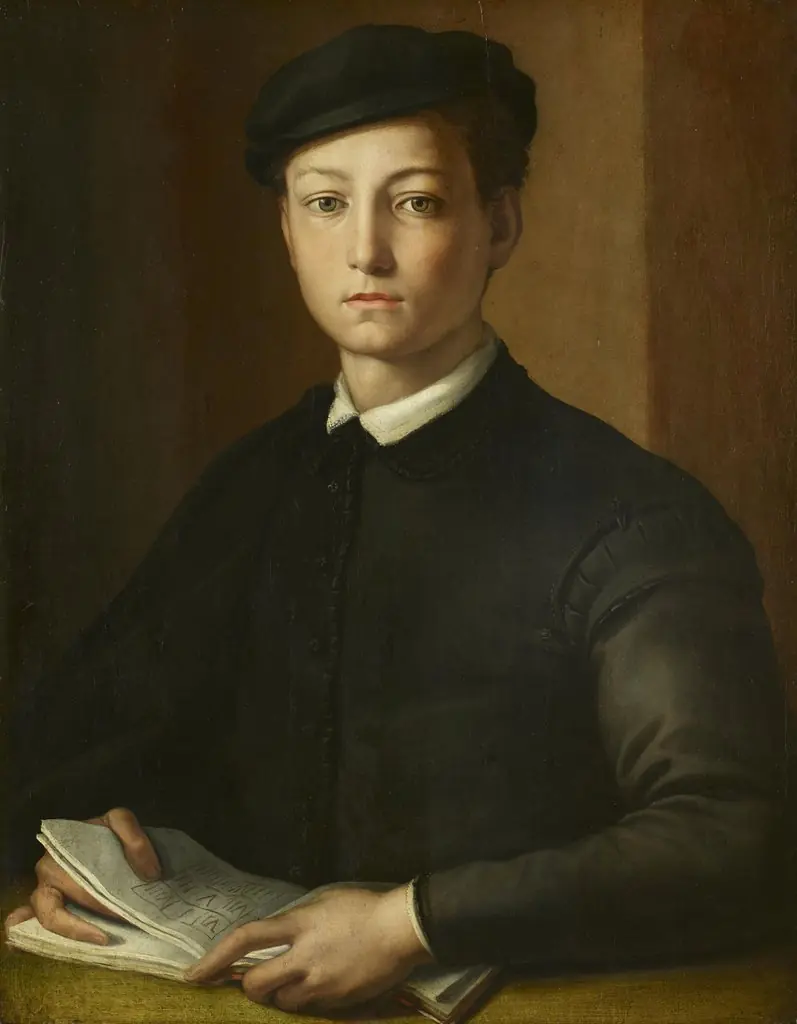
Portrait of a boy is an unspecified painting by the Mannerist artist Bronzino. It dates from 1542 and is held in the collection of the Gemäldegalerie Berlin.
About this work
Overview
Bronzino, a leading figure in the Medici court, executed the work during his tenure as official painter to Cosimo I.
Painted in 1542 by Agnolo Bronzino, this portrait depicts an unidentified young boy from a Florentine elite family. Bronzino, a leading figure in the Medici court, executed the work during his tenure as official painter to Cosimo I. The piece exemplifies the refined aesthetic of Mannerism, prioritizing poise and subtle complexity over naturalism. It is now part of the Gemäldegalerie’s collection in Berlin.
Subject & Meaning
The boy, dressed in a dark tunic with a crisp white lace collar, gazes directly at the viewer with a composed, almost solemn expression. His stillness and formal attire suggest his noble status, while the lack of overt symbolism points to a focus on personal presence rather than narrative. The portrait functions as a quiet assertion of lineage and refinement, typical of aristocratic commissions in mid-16th-century Florence.
Technique & Style
Bronzino employs chiaroscuro to model the boy’s face with precise gradations of light and shadow, lending volume without theatricality. The surface is meticulously smooth, with no visible brushwork, enhancing the sense of cool detachment. The dark background isolates the figure, drawing attention to the texture of the lace and the clarity of the gaze. These choices reflect Mannerist ideals of elegance, control, and psychological subtlety.
History & Provenance
The painting entered the Gemäldegalerie Berlin’s collection in the 19th century, though its earlier ownership remains undocumented. It likely originated in the Medici circle, given Bronzino’s role as court painter and the boy’s attire, which aligns with Florentine noble dress of the period. No records confirm the child’s identity, but his refined presentation suggests a connection to the ruling family’s inner circle.
Context
In 1540s Florence, portraiture served as a tool of social assertion among the elite. Bronzino’s style, shaped by his training under Pontormo and his proximity to courtly life, emphasized restraint and intellectual poise. Unlike earlier Renaissance portraits, these works avoided emotional expressiveness, favoring a calculated serenity that mirrored the political stability Cosimo I sought to project.
Legacy
This portrait exemplifies the enduring influence of Mannerist portraiture in defining aristocratic identity through visual restraint. Bronzino’s approach—cool, precise, and psychologically reserved—became a model for later court painters across Europe. Though the boy’s name is lost, the painting endures as a testament to the era’s preoccupation with decorum, lineage, and the cultivated self.
Artist & collection
Artist
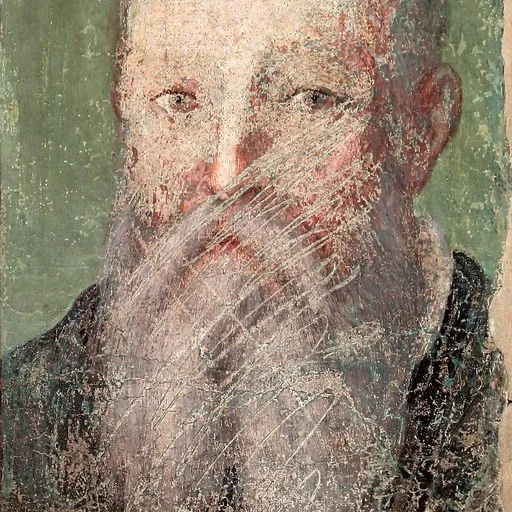
Agnolo di Cosimo (Italian: ; 17 November 1503 – 23 November 1572), usually known as Bronzino (Italian: Il Bronzino ) or Agnolo Bronzino, was an Italian Mannerist painter from Florence.

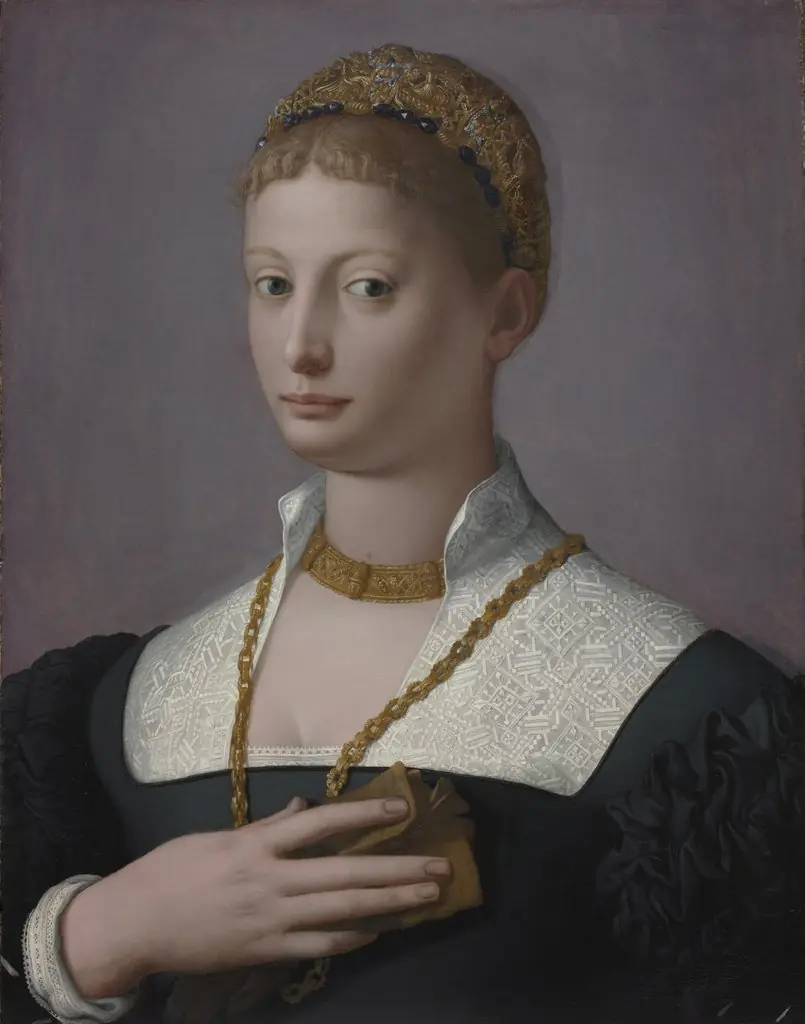
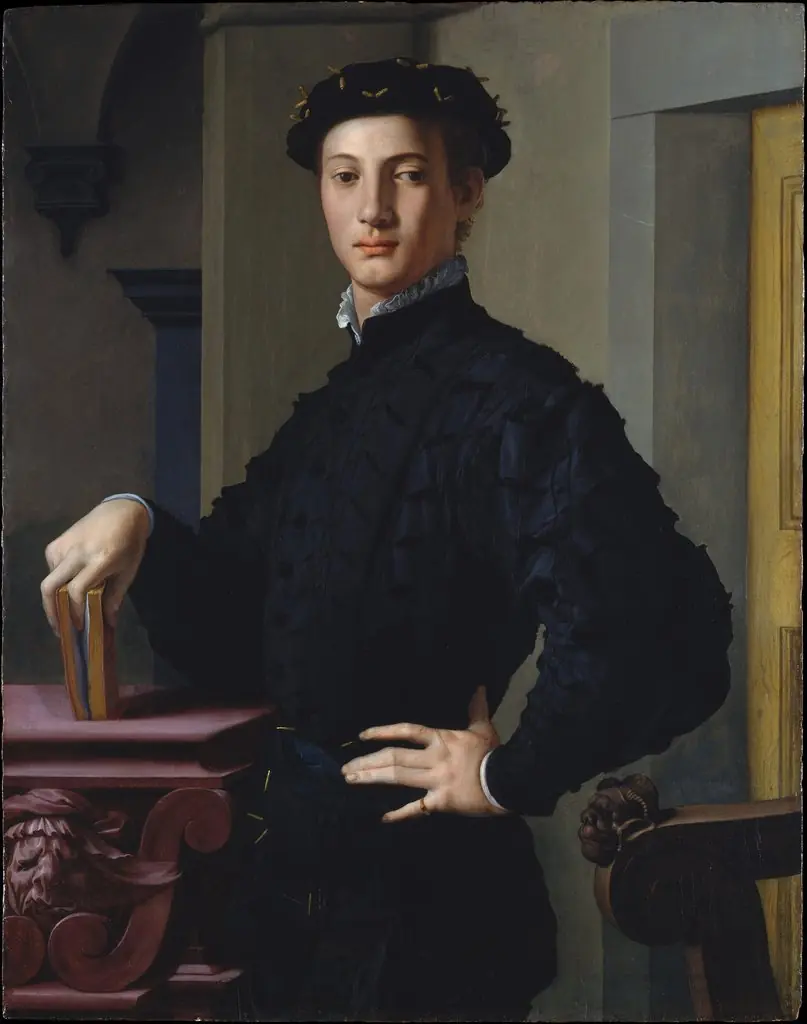
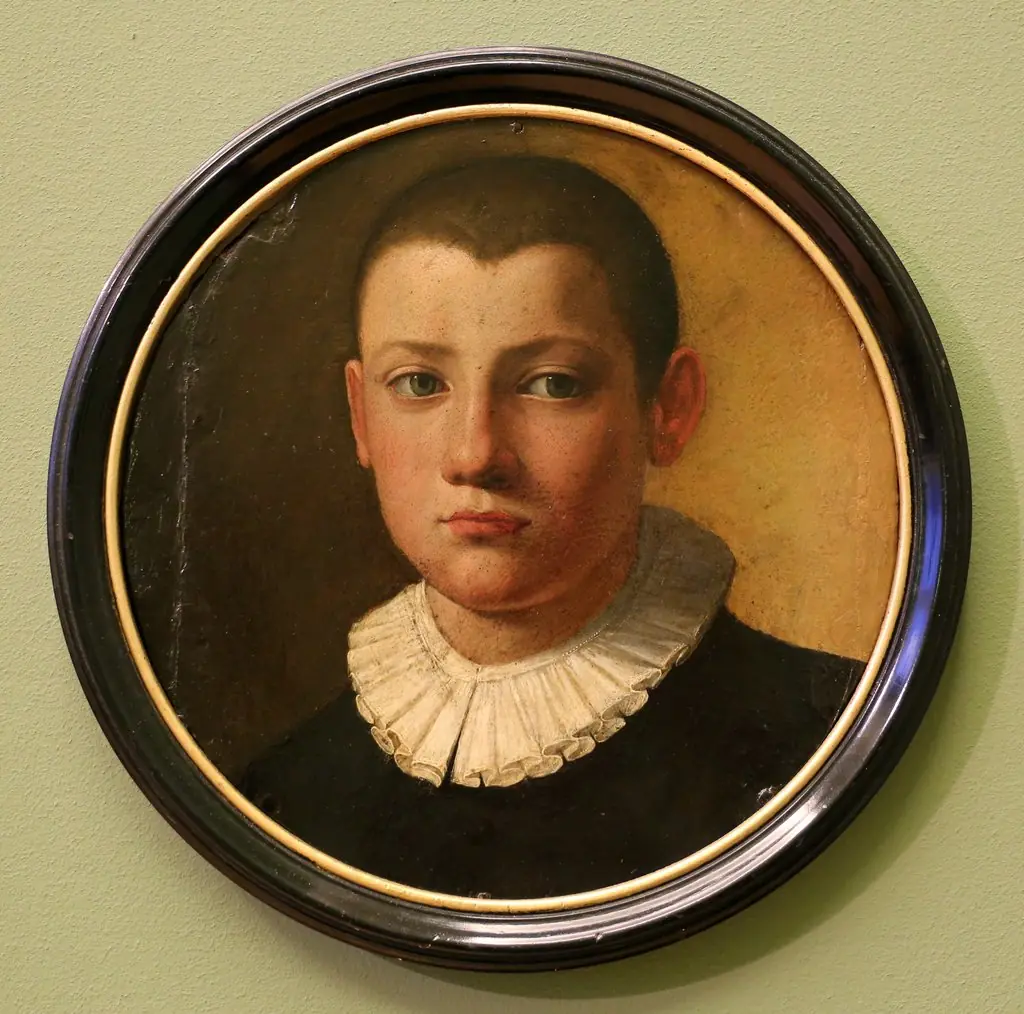 Portrait of a boy
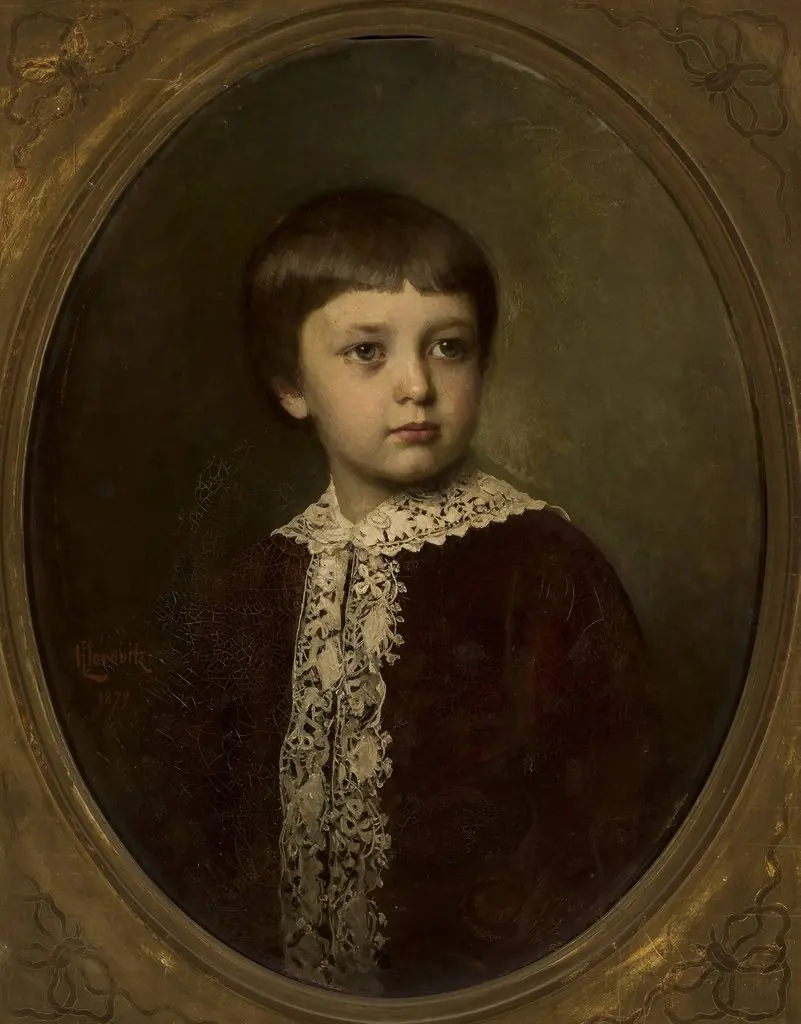 Portrait of a boy
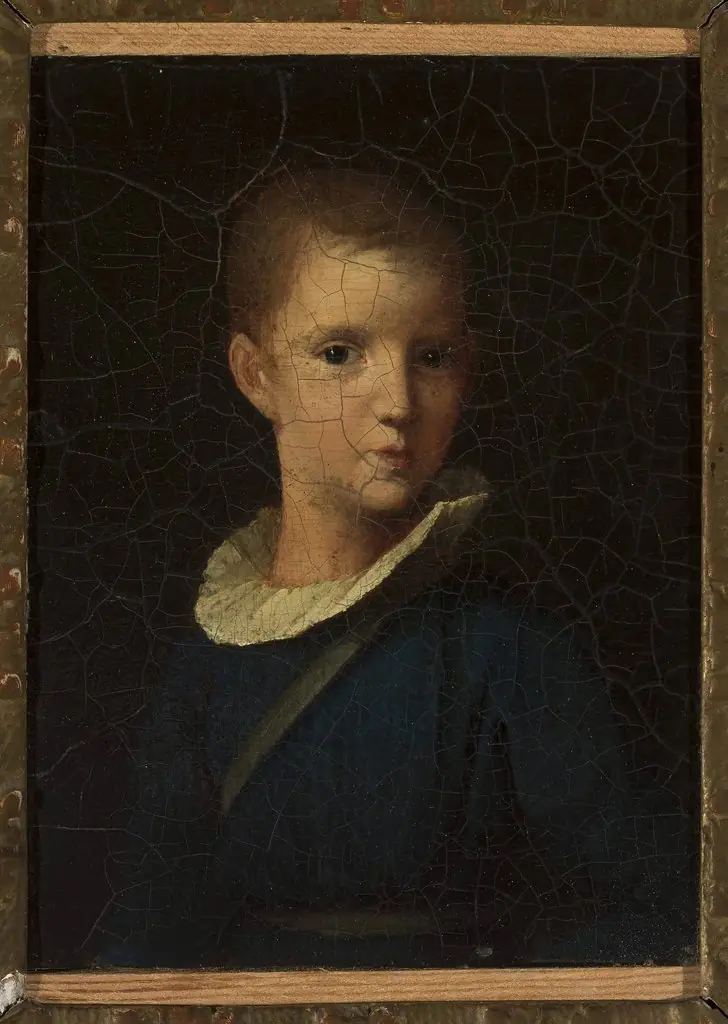 Childhood portrait of Artur Potocki
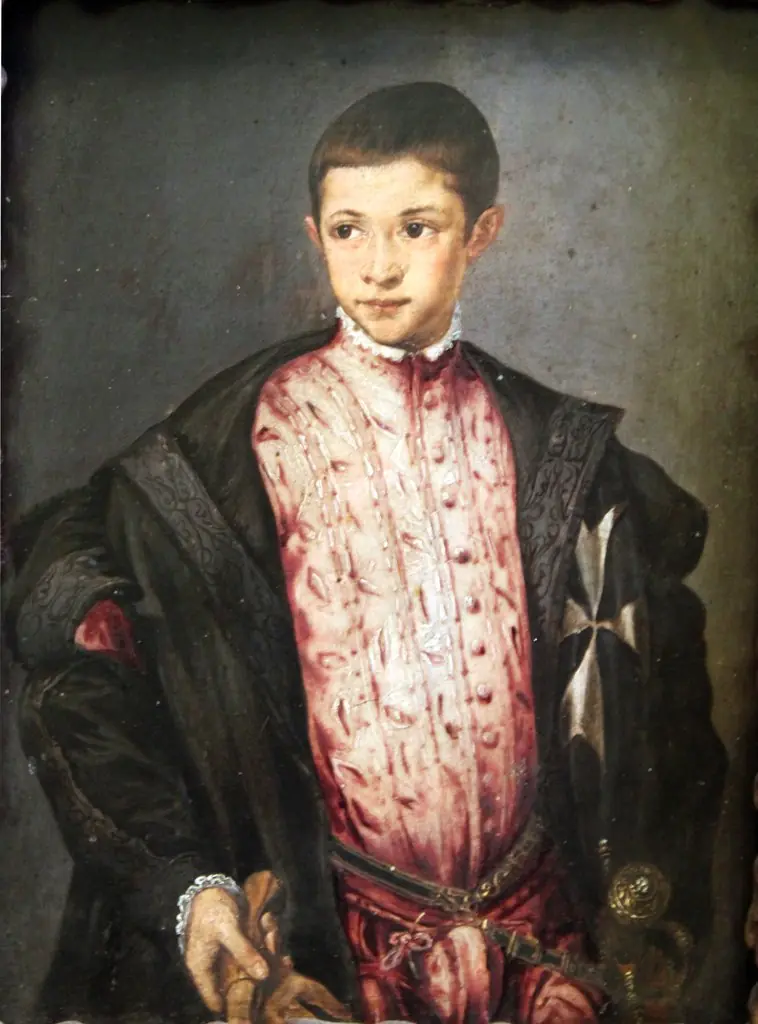 Ranuccio Farnese (1530-1565) at the age of 12
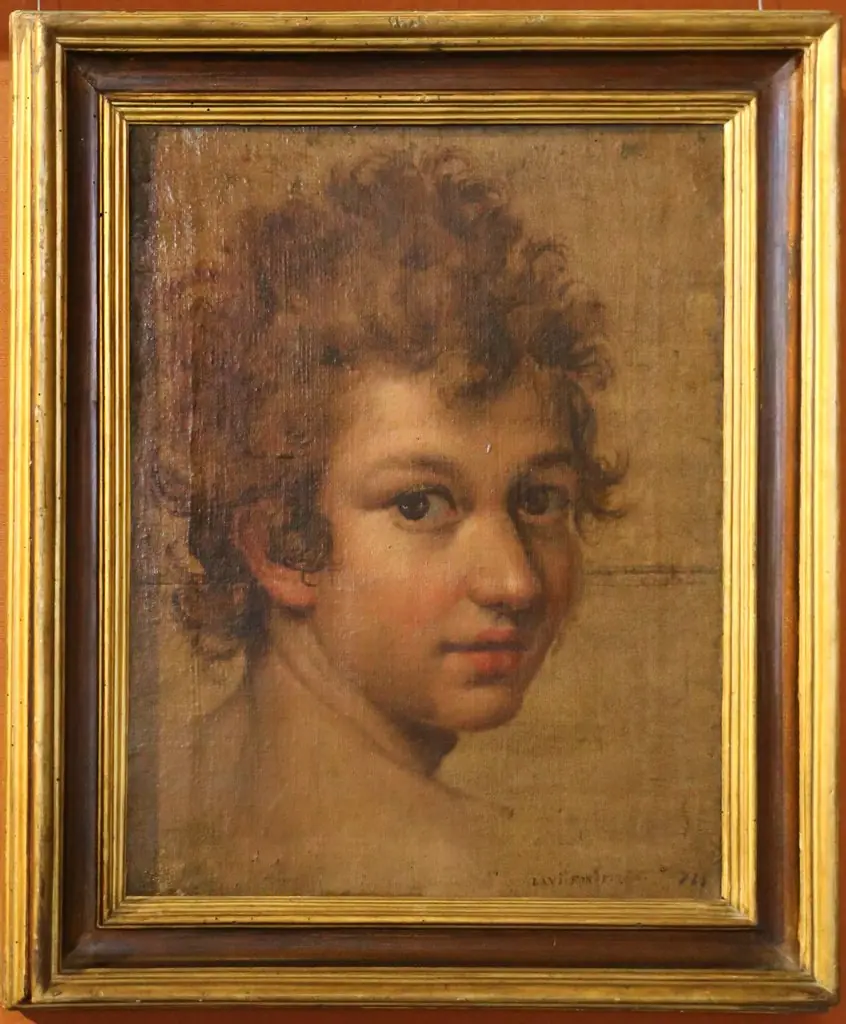 Portrait of a Youth (Lavinia Fontana, Galleria Borghese)
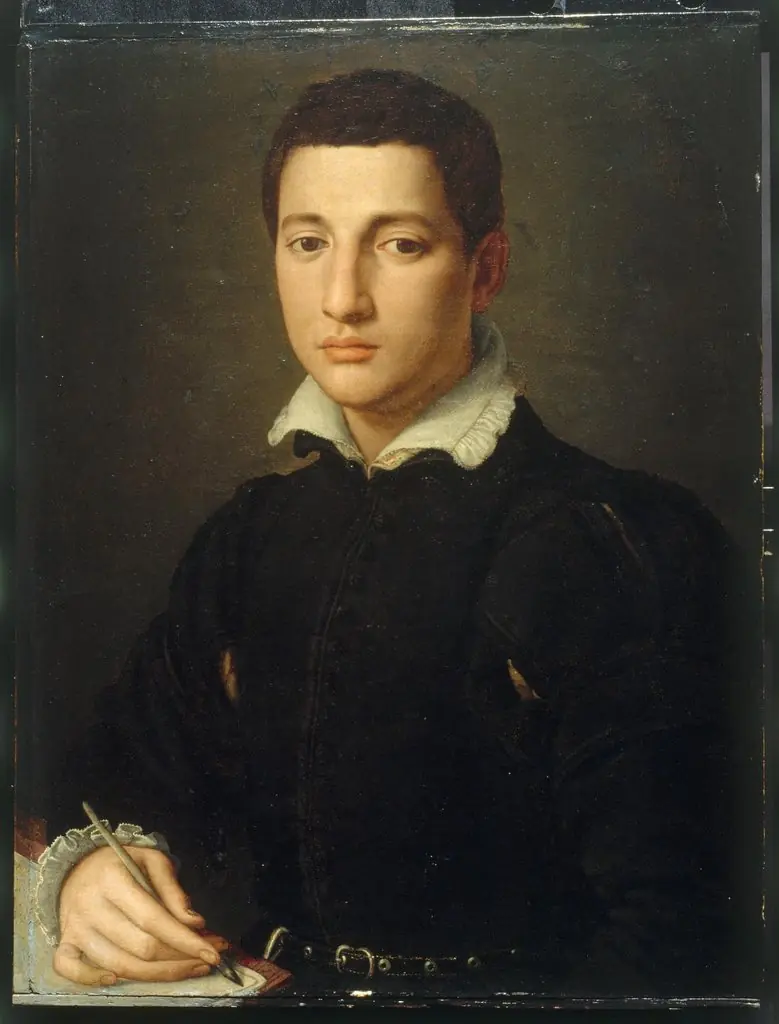 Portrait of a Young Man Writing
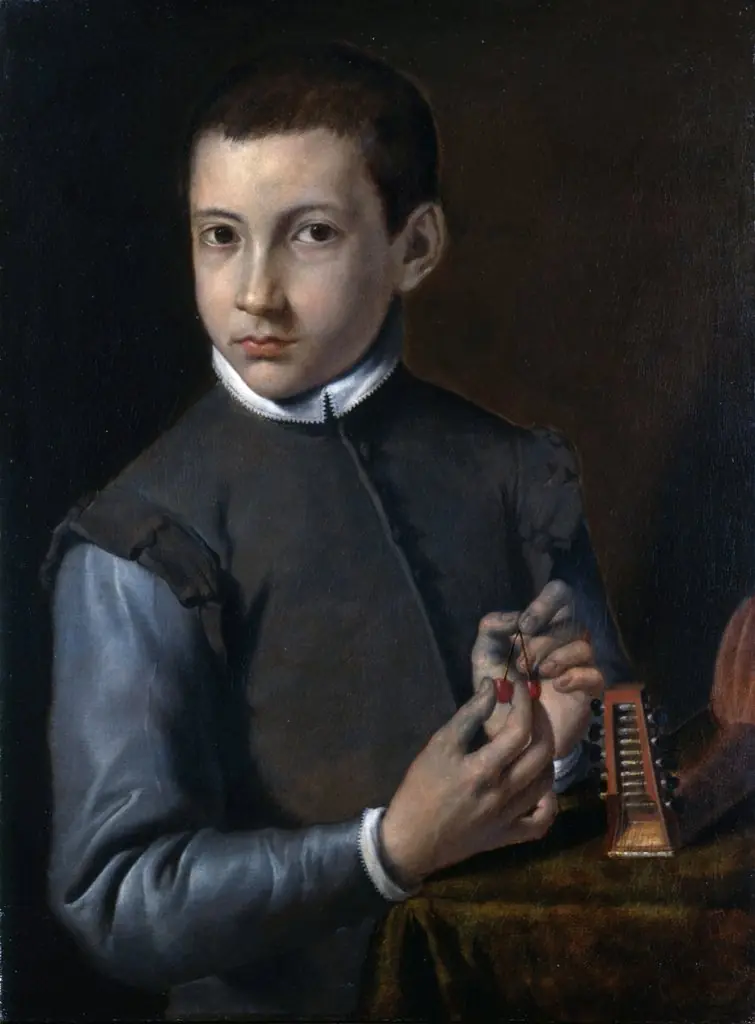 Portrait of young Antonio Carracci
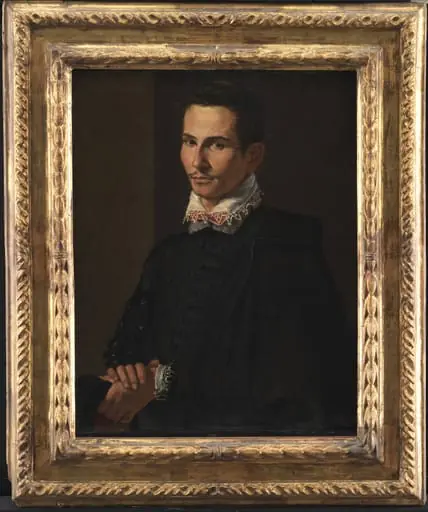 Portrait of a Man
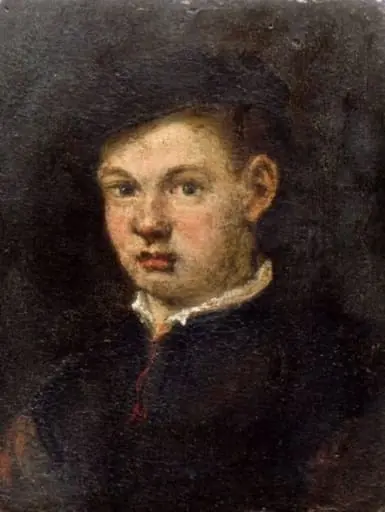 Cap de băiat cu beretă
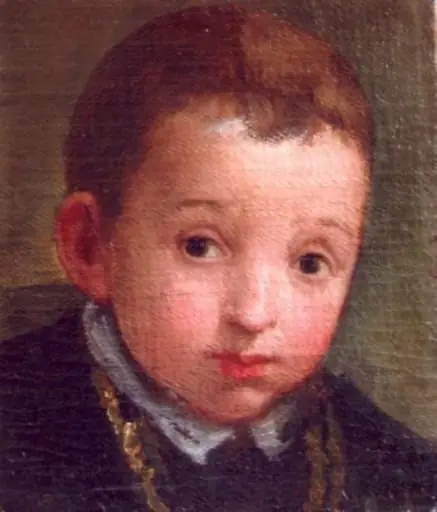 Cap de copil
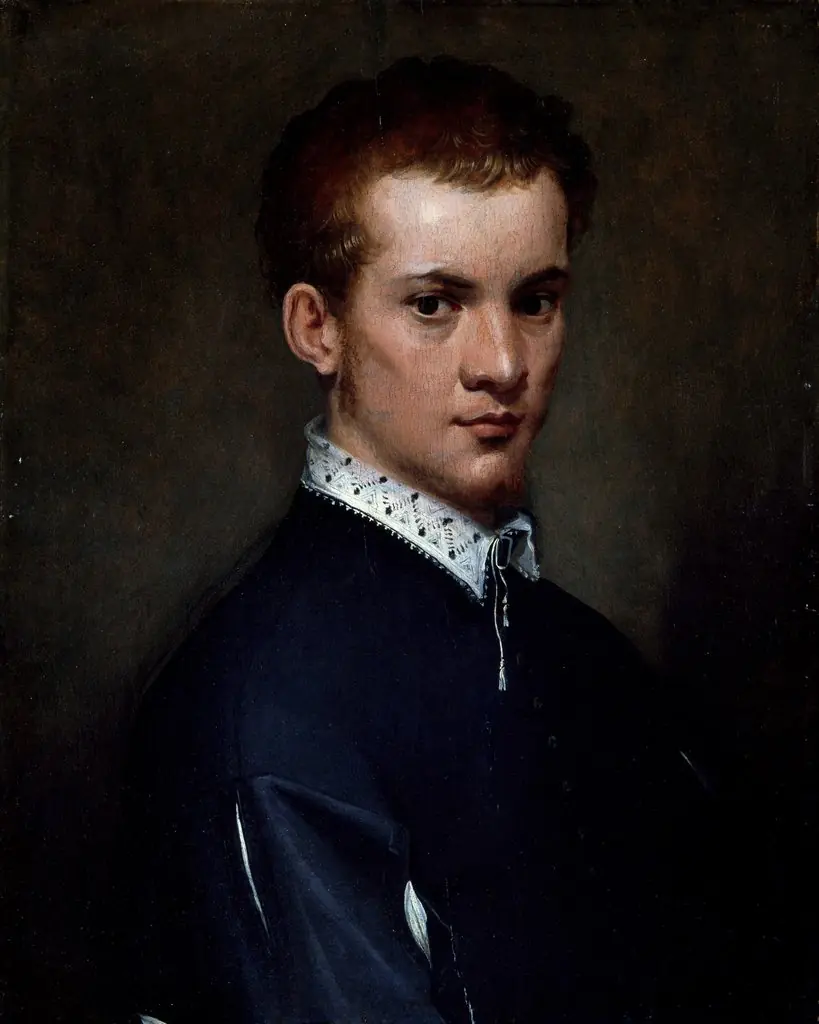 Portrait of a Young Man
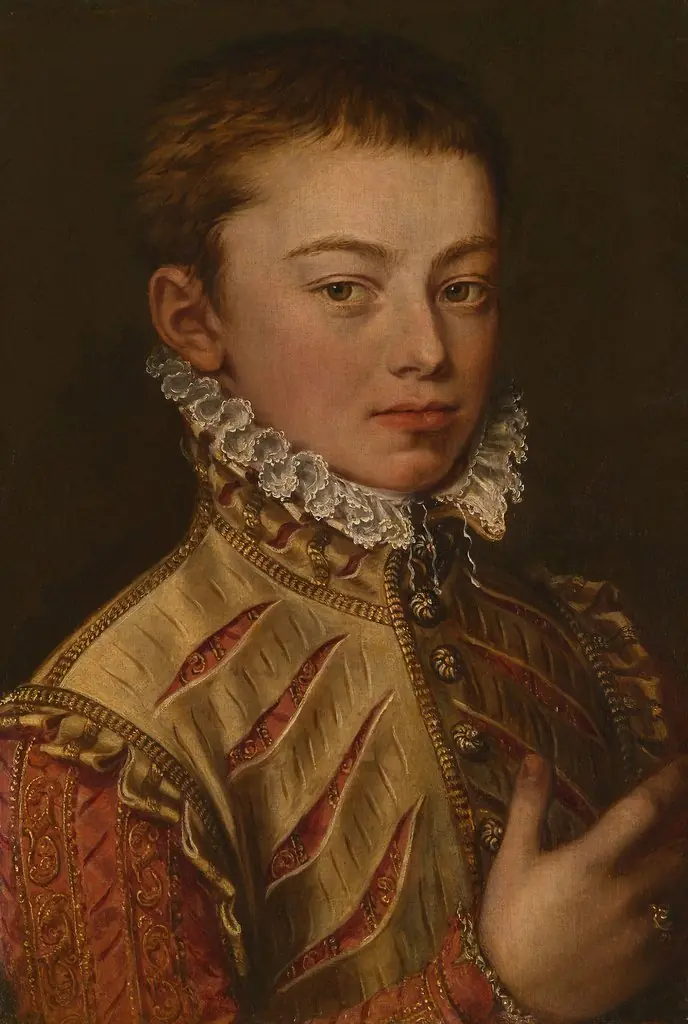 Portrait of Don Juan of Austria