Artwork
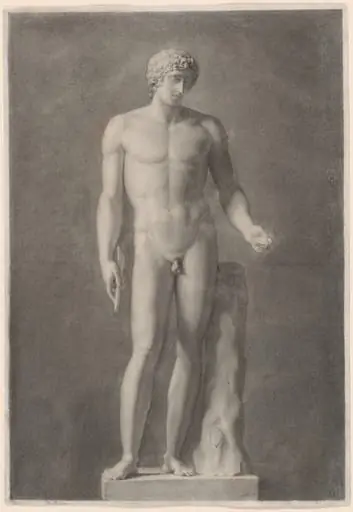
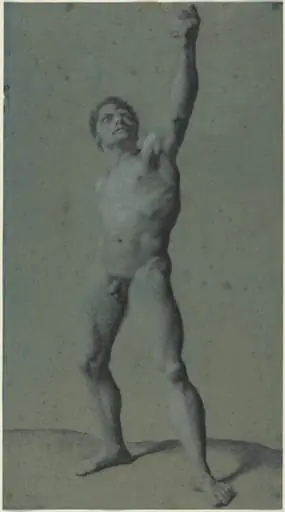
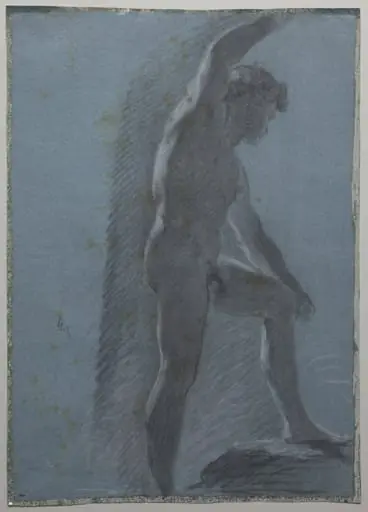
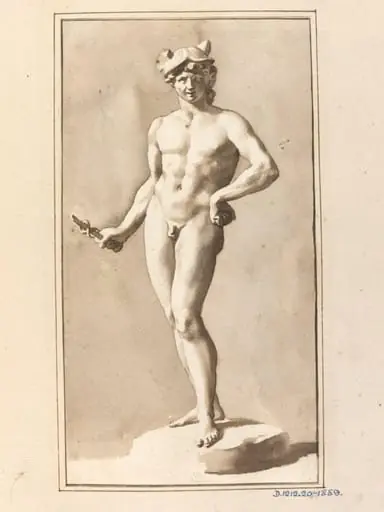
Study of a plaster cast of the Borghese Gladiator
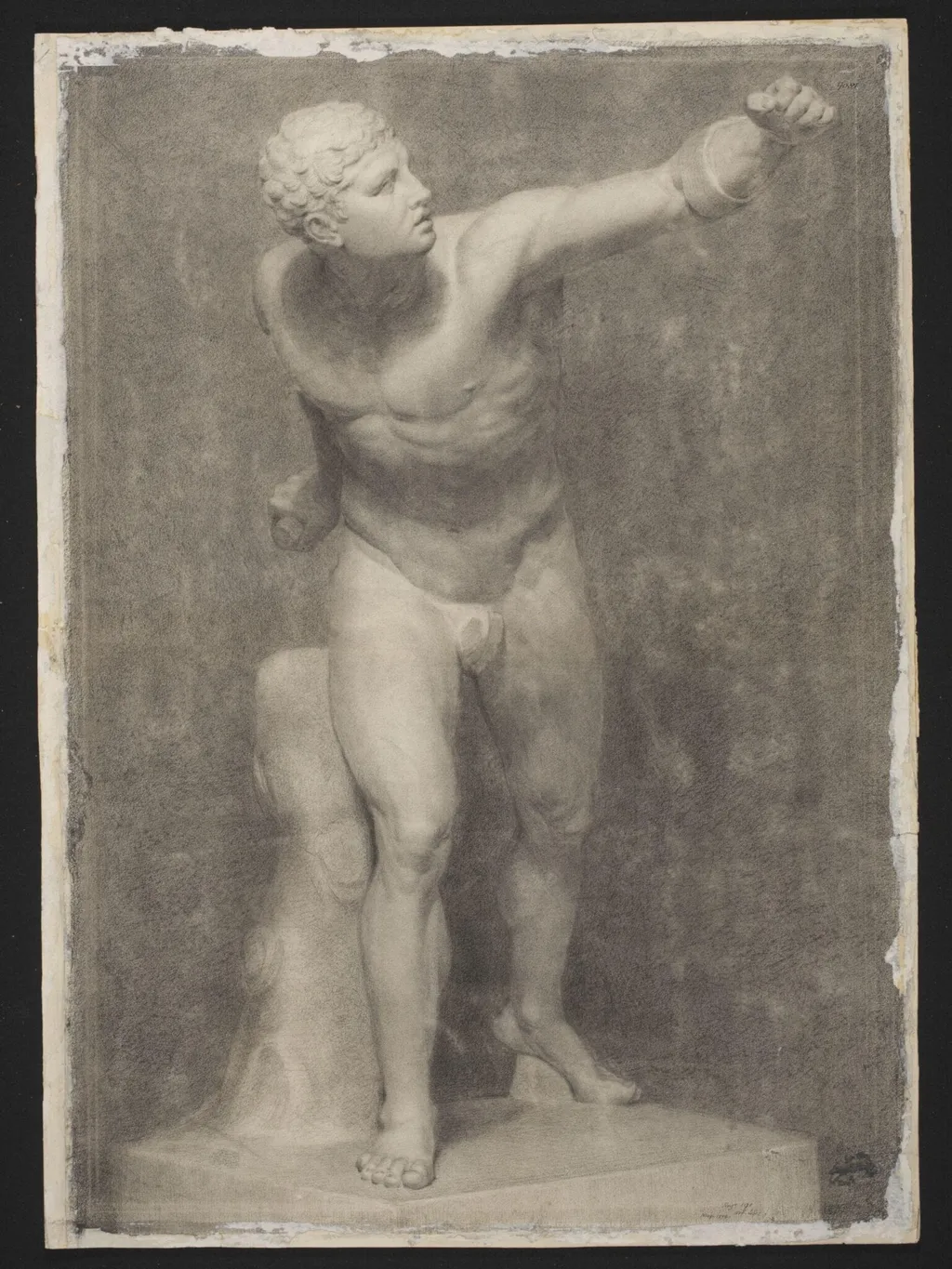
Study of a plaster cast of the Borghese Gladiator is a drawing by the Impressionist artist Maria Brooks. It dates from 1872 and is held in the collection of the Victoria and Albert Museum.
About this work
Overview
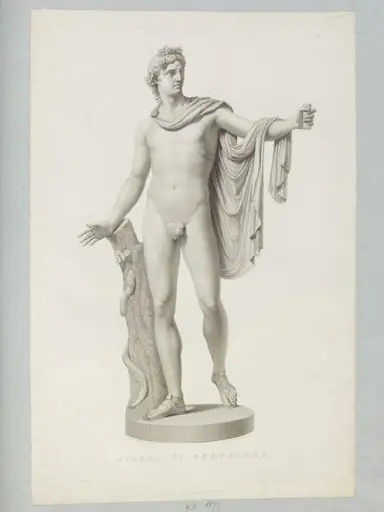
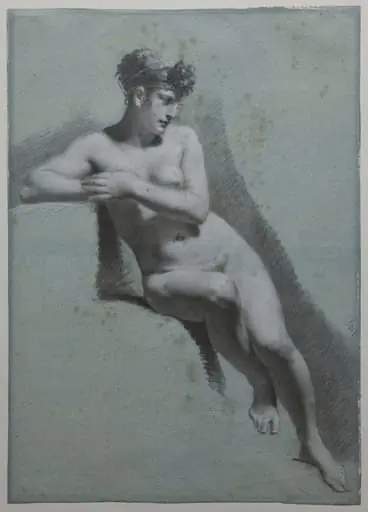
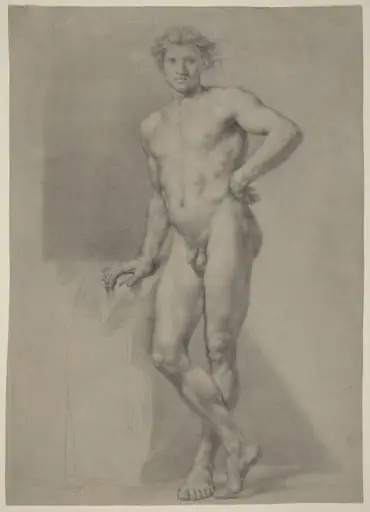
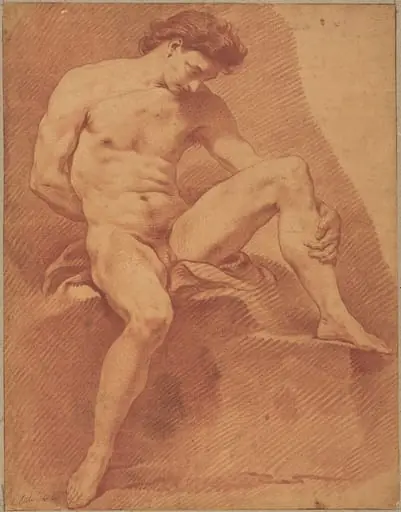
This large black chalk drawing studies a plaster cast of the ancient Borghese Gladiator sculpture, capturing a nude male figure in a dynamic pose.
Subject & Meaning
The subject is a classical sculpture of a gladiator, rendered in a naturalistic manner, emphasizing anatomical accuracy and suggestive of impending movement.
Technique & Style
The artist employed a range of black chalk techniques to achieve depth and volume, including varied line weights, textures, and a nuanced value spectrum from light to dark.
History & Provenance
No specific historical or provenance details are provided for this drawing beyond its subject matter.
Context
The work reflects the artistic practice of studying classical sculptures through plaster casts, a common technique for learning and inspiration during the artist's time.
Legacy
While the drawing demonstrates the artist's technical skill and attention to detail, its broader impact or influence is not specified in the available information.
Artist & collection
Artist
Maria Brooks kept a plaster cast of the Borghese Gladiator on her desk for years—just to study the muscles, the twist of the body, the way light slid off bronze skin.