Artwork
Landscape with a Shepherd and a Flock
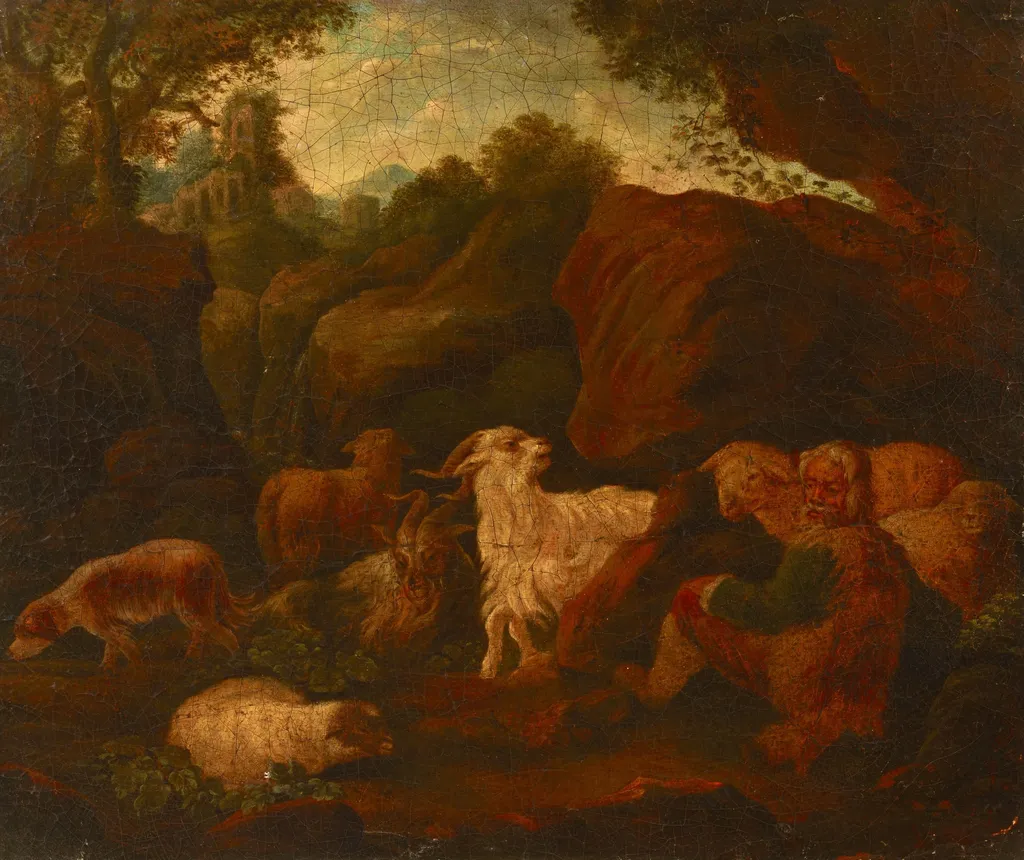
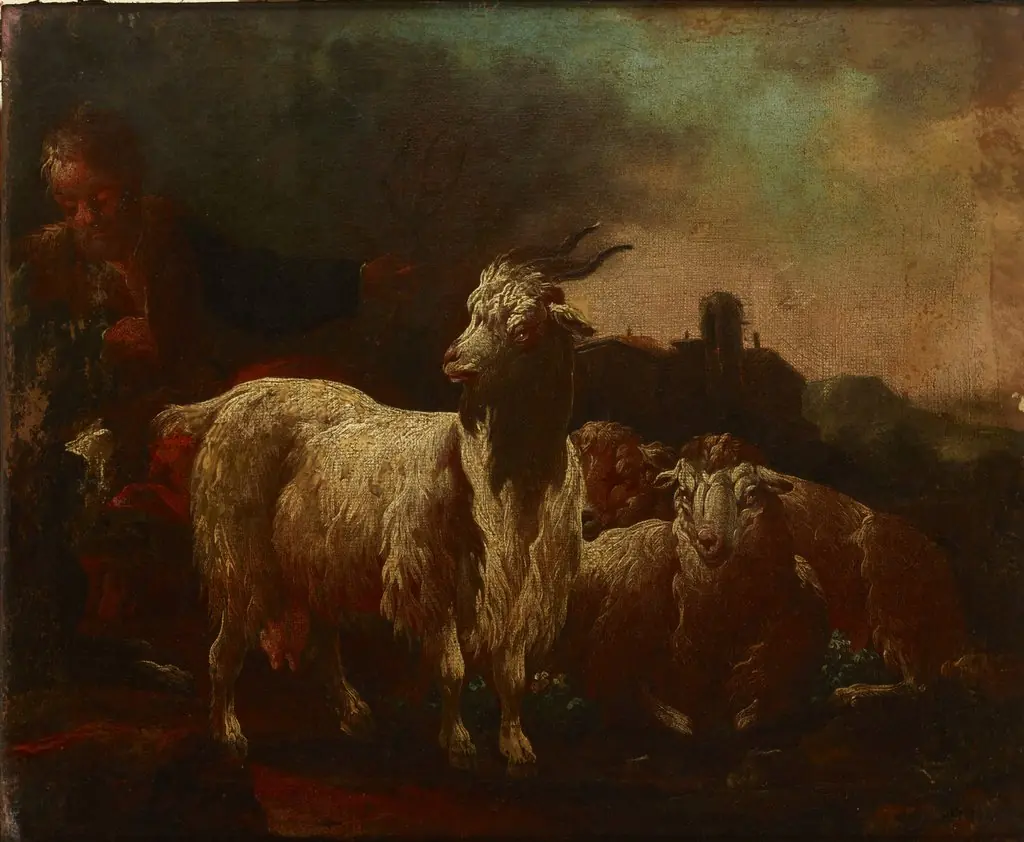
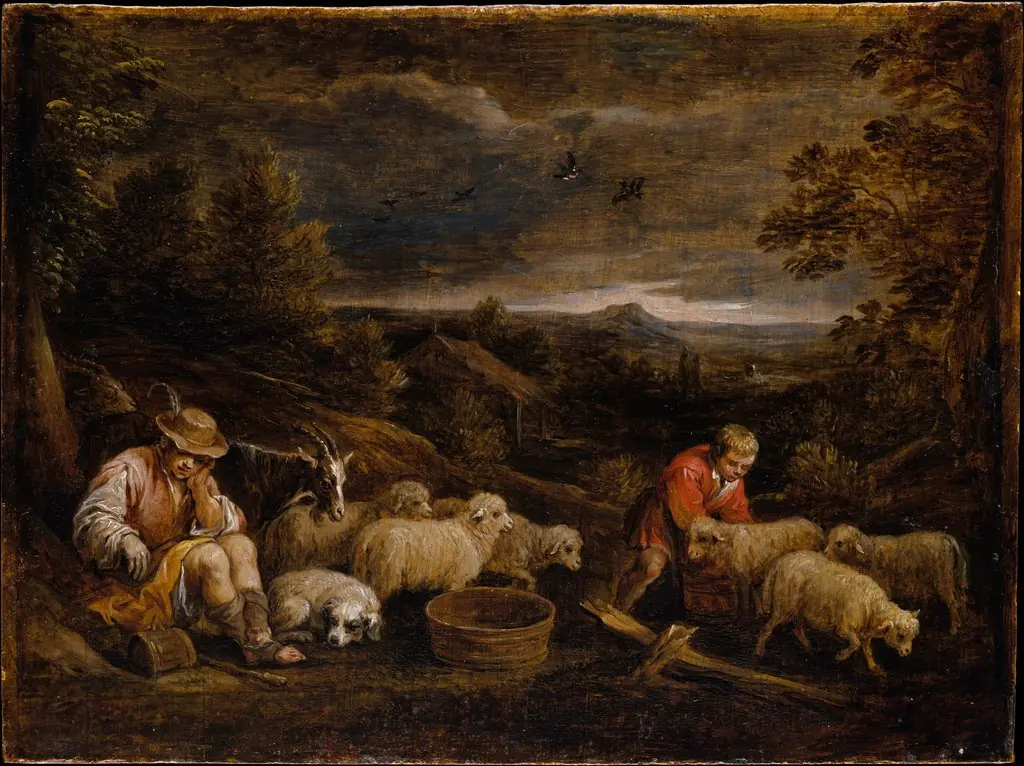
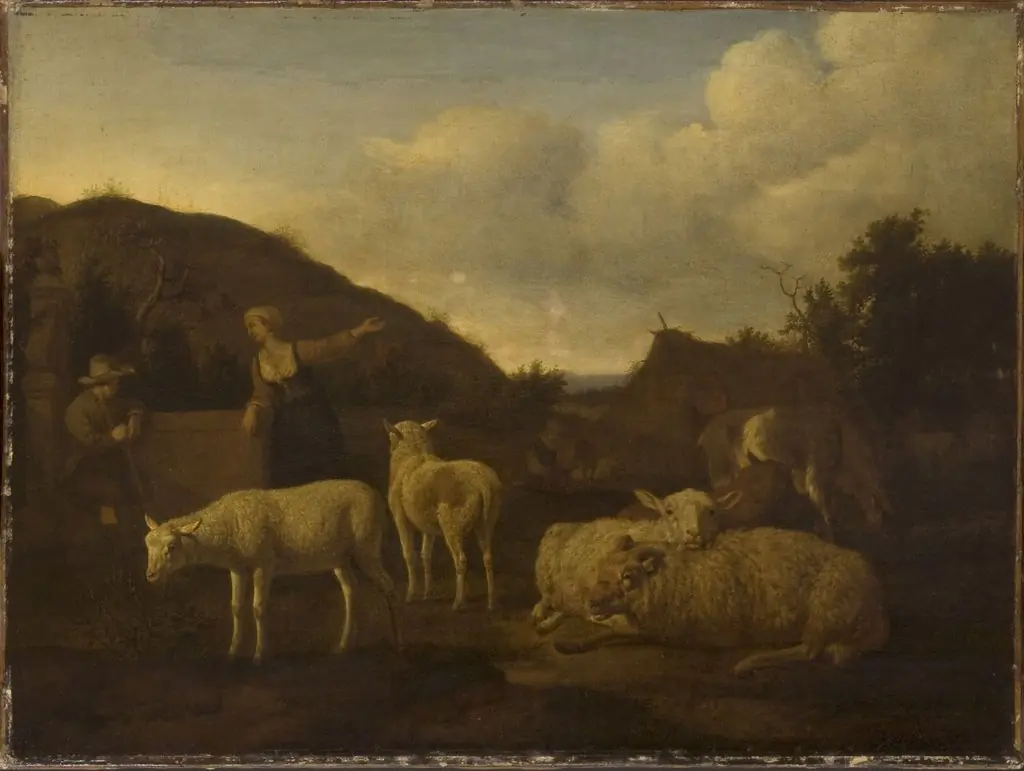
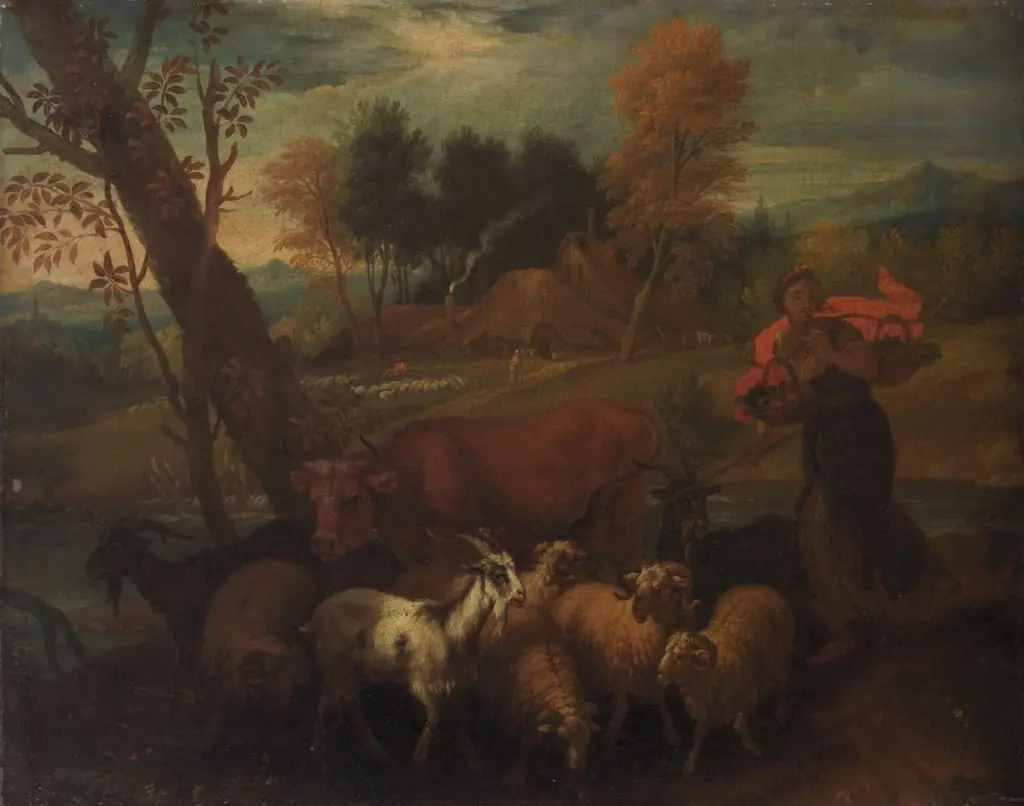
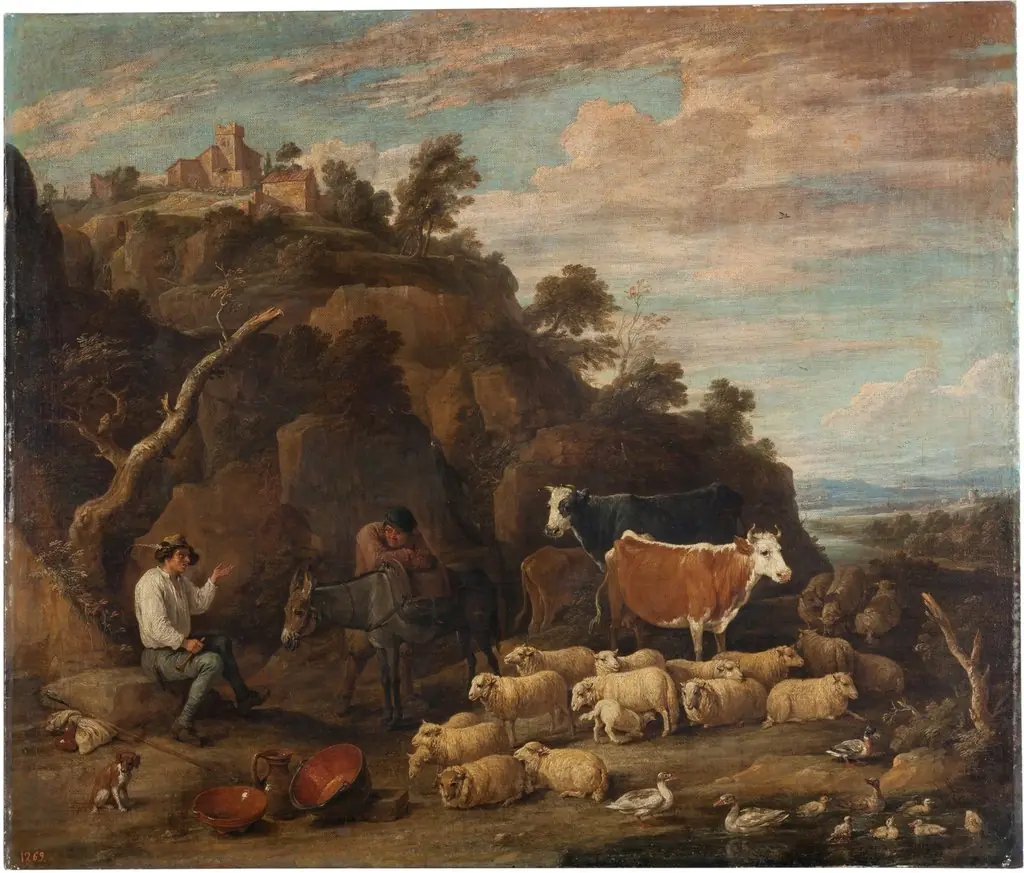
Landscape with a Shepherd and a Flock is an oil painting by Cajetan Roos. It dates from 1740 and is held in the collection of the National Museum in Kraków.
About this work
Overview
Born in Rome in 1690 to German parents, Roos spent much of his career in Vienna, where he developed a reputation for serene, atmospheric landscapes.
Painted around 1740, this oil-on-canvas work by Cajetan Roos presents a quiet rural scene typical of his mature style. Born in Rome in 1690 to German parents, Roos spent much of his career in Vienna, where he developed a reputation for serene, atmospheric landscapes. He often signed his works under the Italianized name Gaetano Rosa, reflecting his integration into Italian artistic traditions despite his origins.
Subject & Meaning
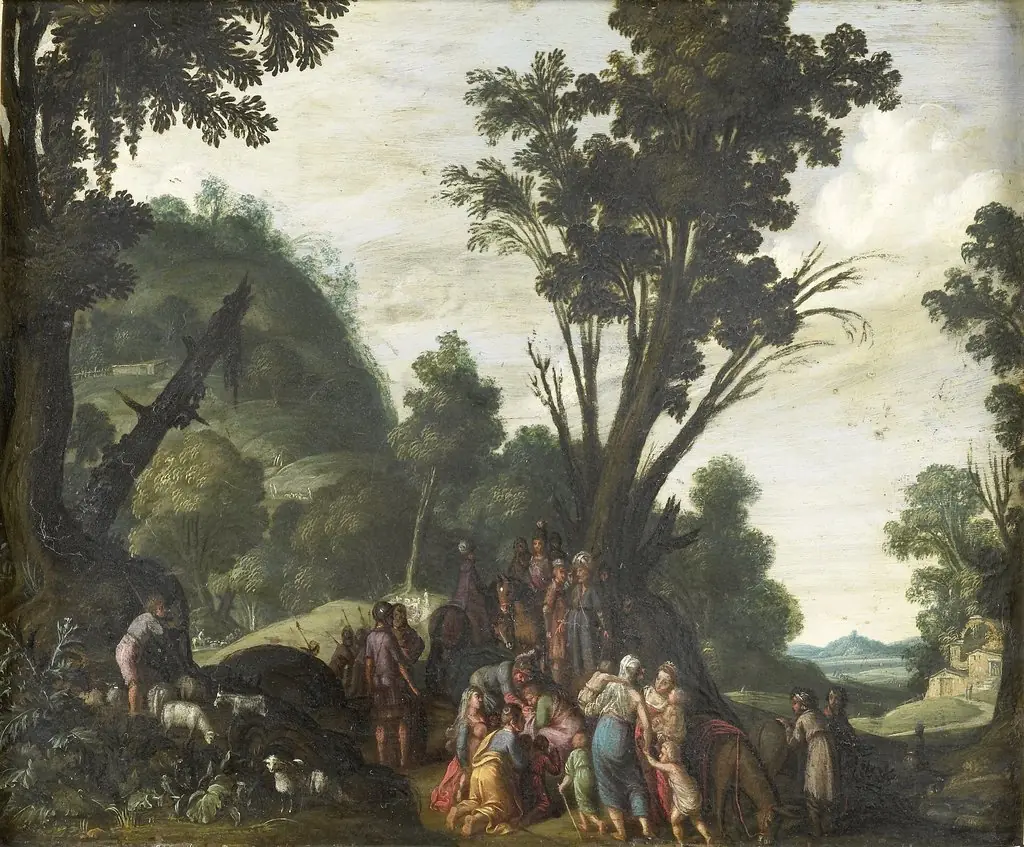
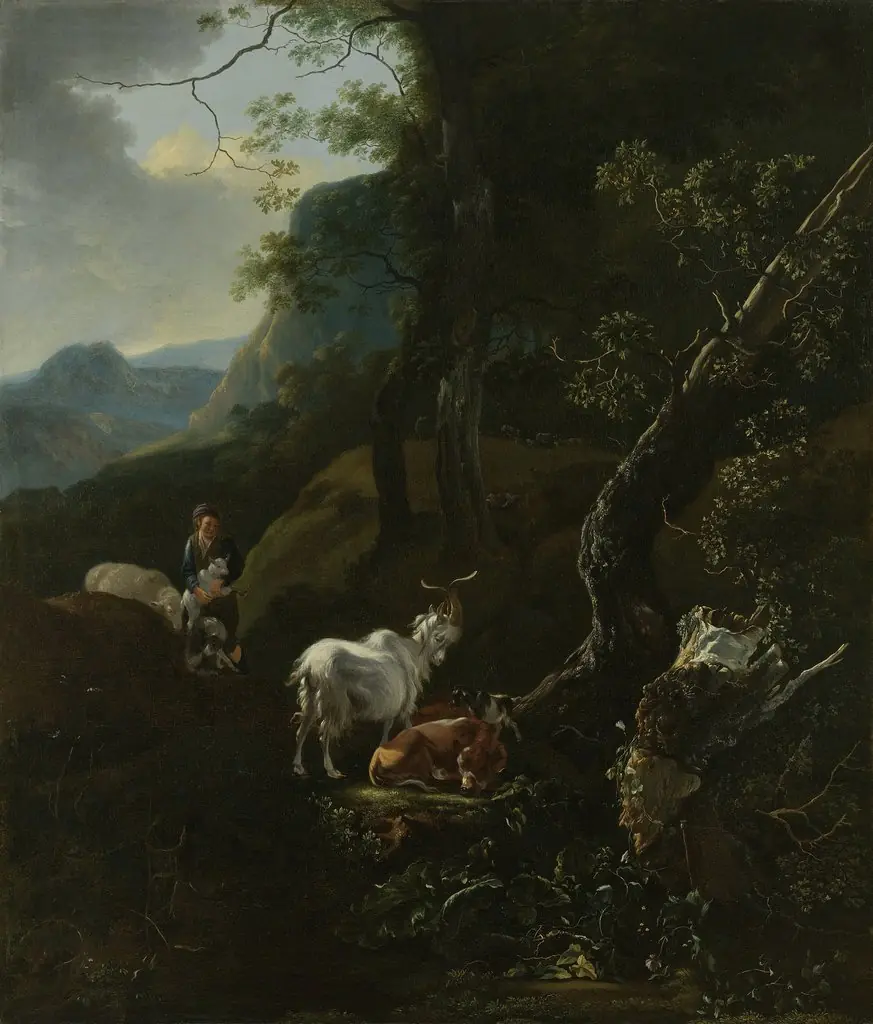
The painting centers on a shepherd seated among his flock, engaged in a moment of stillness rather than labor. The figures are arranged naturally within a softly modeled landscape, evoking a sense of harmony between human activity and the natural world. There is no narrative drama—only the quiet rhythm of pastoral life, aligning with 18th-century ideals of rural tranquility and order.
Technique & Style
Roos employs layered oil glazes to create subtle transitions between light and shadow, enhancing the depth of the scene. The shepherd’s red and green garments stand out against the darker, muted background, drawing the eye without disrupting the composition’s balance. His brushwork is deliberate yet unobtrusive, favoring atmospheric cohesion over detailed realism, a hallmark of his Italianate approach.
History & Provenance
The painting entered the collection of the National Museum in Kraków in the 20th century, though its earlier ownership remains undocumented. It likely traveled through Central European private collections after Roos’s death in 1770. Its presence in Kraków reflects broader 19th-century efforts to assemble regional holdings of Central European art, including works by artists active in Habsburg territories.
Context
Roos worked during a period when Italianate landscapes were widely admired across Europe, particularly among patrons seeking idealized visions of the countryside. His style, influenced by 17th-century Dutch and Italian precedents, catered to tastes favoring calm, luminous scenes over dramatic or topographically precise views. This painting reflects a broader trend of pastoral idealism in 18th-century decorative art.
Legacy
Though not widely known today, Roos’s work contributed to the continuity of landscape traditions in Central Europe. His consistent focus on pastoral subjects and atmospheric effects helped sustain a genre that bridged Dutch realism and Italian idealism. His paintings, including this one, remain valuable for understanding the regional reception of landscape aesthetics beyond the major artistic centers of Italy and the Netherlands.
Artist & collection
Artist
Cajetan Roos (1690 in Rome – 1770 in Vienna), was an Italian landscape painter of German descent.