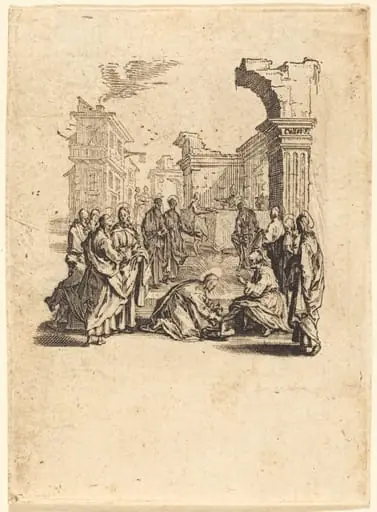
Artwork
Christ Condemned to Death by Pilate
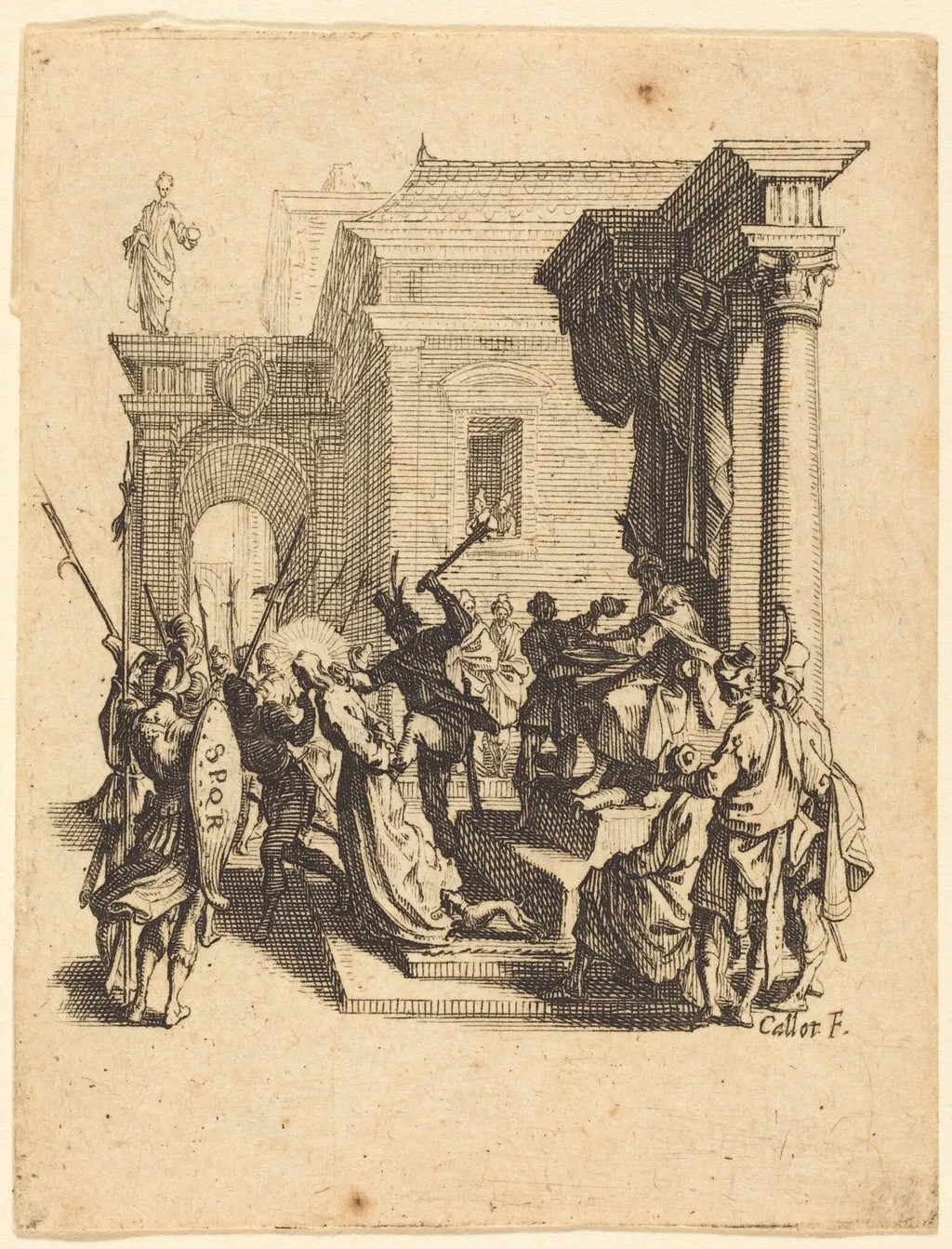
Christ Condemned to Death by Pilate is an ink print by the Baroque artist Jacques Callot. It dates from 1624 and is held in the collection of the National Gallery of Art.
About this work
Overview
Executed on laid paper, the work is part of a broader series of religious prints produced by the Lorrainer artist during his mature period.
Created around 1624 by Jacques Callot, this etching depicts the moment Pilate condemns Christ to death. Executed on laid paper, the work is part of a broader series of religious prints produced by the Lorrainer artist during his mature period. Callot’s technical precision and narrative clarity distinguish this piece among his many prints, which often blended sacred themes with keen observations of human behavior.
Subject & Meaning
The scene captures the tension of Christ’s trial before Pilate, framed by a crowd of onlookers and Roman soldiers. The presence of SPQR on a shield anchors the moment in Roman authority, emphasizing the political weight of the judgment. A draped statue above observes silently, suggesting divine detachment or fate. Gestures of accusation and resistance among the figures heighten the drama, underscoring the conflict between justice and mob sentiment.
Technique & Style
Callot employed fine-line etching to render intricate details across a dense composition. His use of cross-hatching and delicate line variation creates depth in the architecture and texture in fabric and armor. The crowded scene is carefully organized to guide the viewer’s eye toward the central figures, while the architectural backdrop lends structural gravity. The monochrome palette enhances the somber tone and focuses attention on gesture and expression.
History & Provenance
The print emerged during Callot’s time in Florence and Paris, where he was influenced by Italian Renaissance composition and Northern European print traditions. Though no specific early ownership records are documented, the work aligns with his known output for religious patrons and collectors. It was likely circulated among educated audiences familiar with biblical narratives and contemporary print culture.
Context
In early 17th-century Europe, religious imagery remained central to printmaking, even amid growing secular interests. Callot’s depiction reflects Counter-Reformation themes of suffering and authority, while his inclusion of Roman symbols like SPQR ties biblical events to classical power structures. His interest in crowd dynamics and social hierarchy also mirrors broader artistic trends in depicting historical and sacred moments with psychological realism.
Legacy
Callot’s etching contributed to the evolution of narrative printmaking in the Baroque era. His ability to convey complex scenes with clarity influenced later artists in both religious and genre subjects. The technical rigor of his line work became a model for etchers seeking to balance detail with emotional resonance. Though not widely reproduced today, the work remains a significant example of his contribution to print history.
Artist & collection
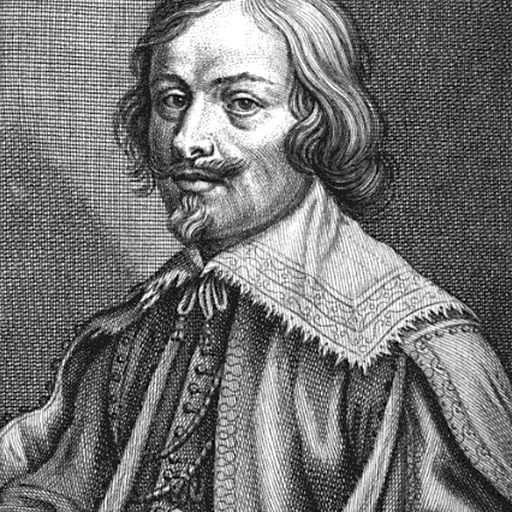
Artist
Jacques Callot was a baroque printmaker and draftsman from the Duchy of Lorraine.

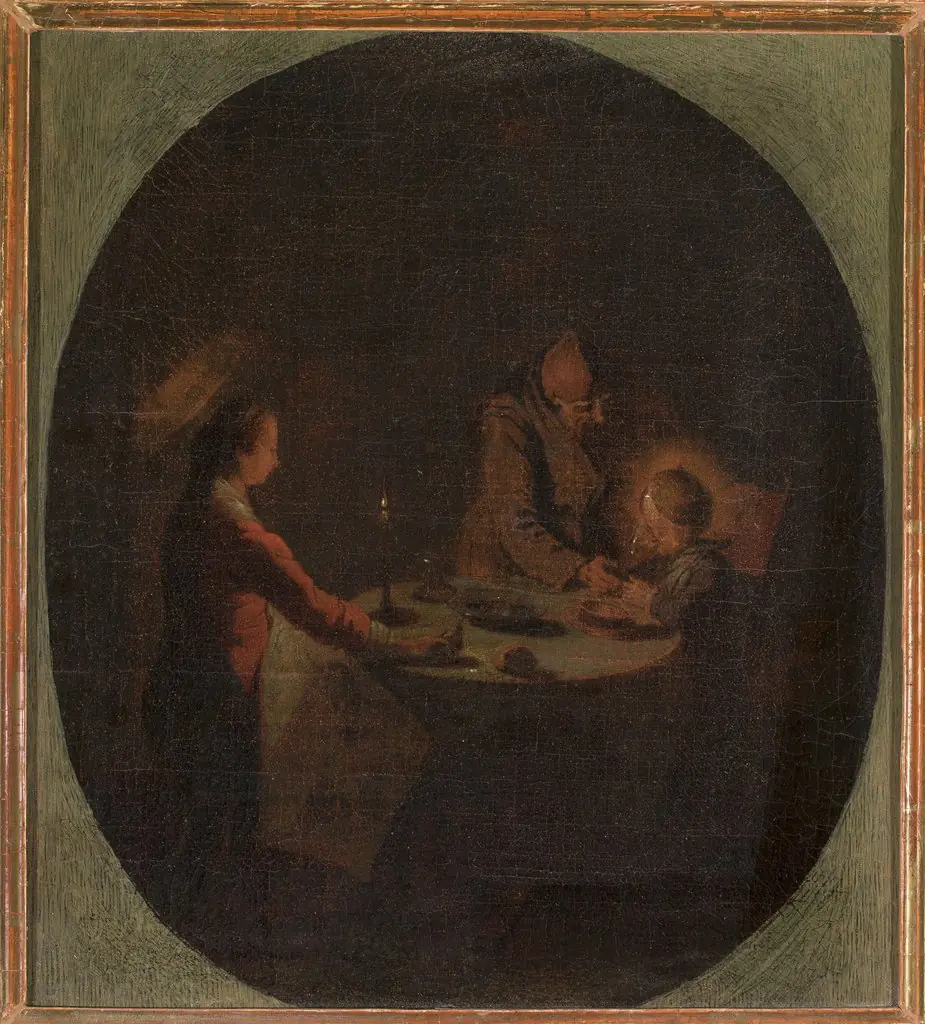 Holy Family at supper
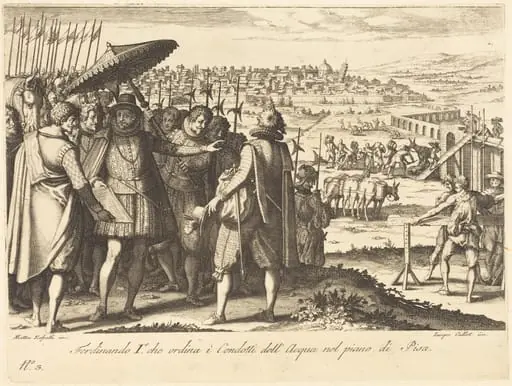 Restoration of the Aqueduct at Pisa
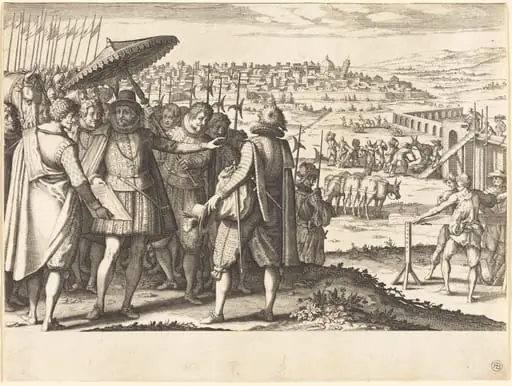 Restoration of the Aqueduct at Pisa
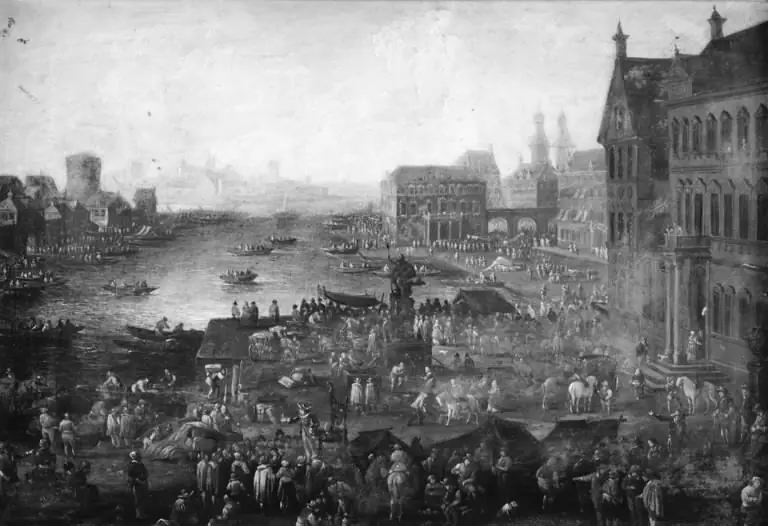 Square in Paris with Many Figures
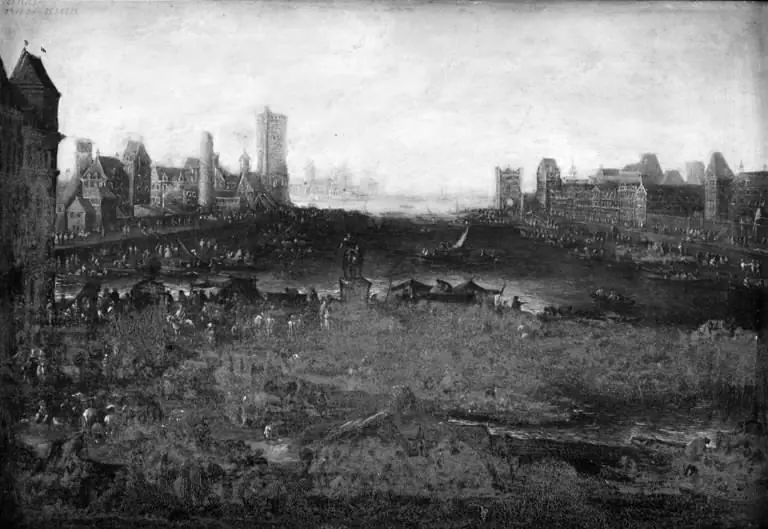 Square in Paris with Many Figures
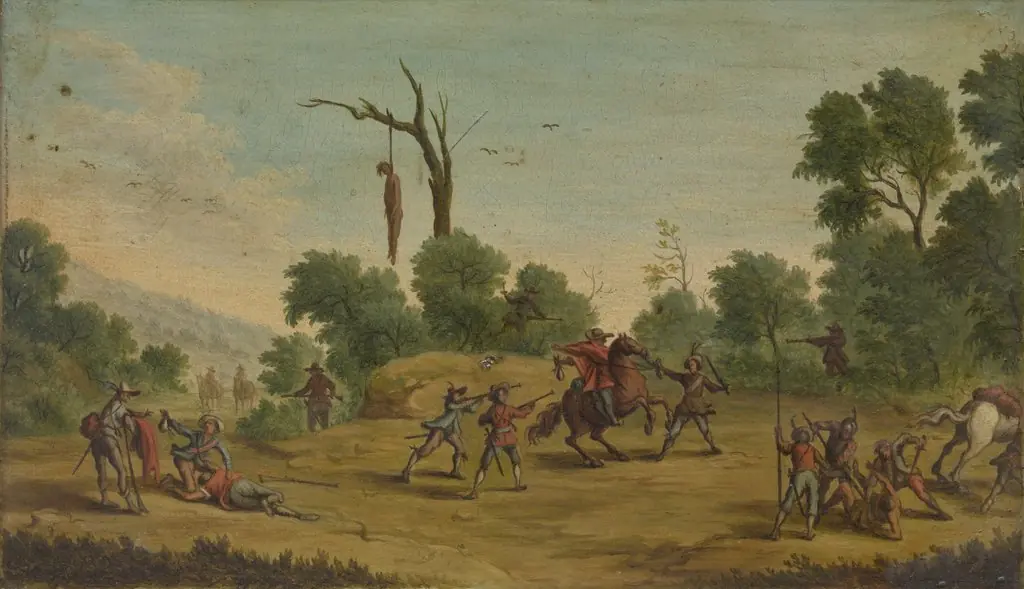 Horsemen Attacked by Robbers
 HOW WILL A COVERED PART BE CORRECTED?HOW WIKA A COVERED HEART DEED CORRECTED?
![Christ Walking on the Water [second plate], by Jacques Callot](https://artifactworldgallery.com/img/jacques-callot--christ-walking-on-the-water-second-plate--2069f3bfe4cb2126-w320.webp) Christ Walking on the Water [second plate]
Christ Walking on the Water [second plate]