Artwork
Christ Washing the Feet of the Apostles
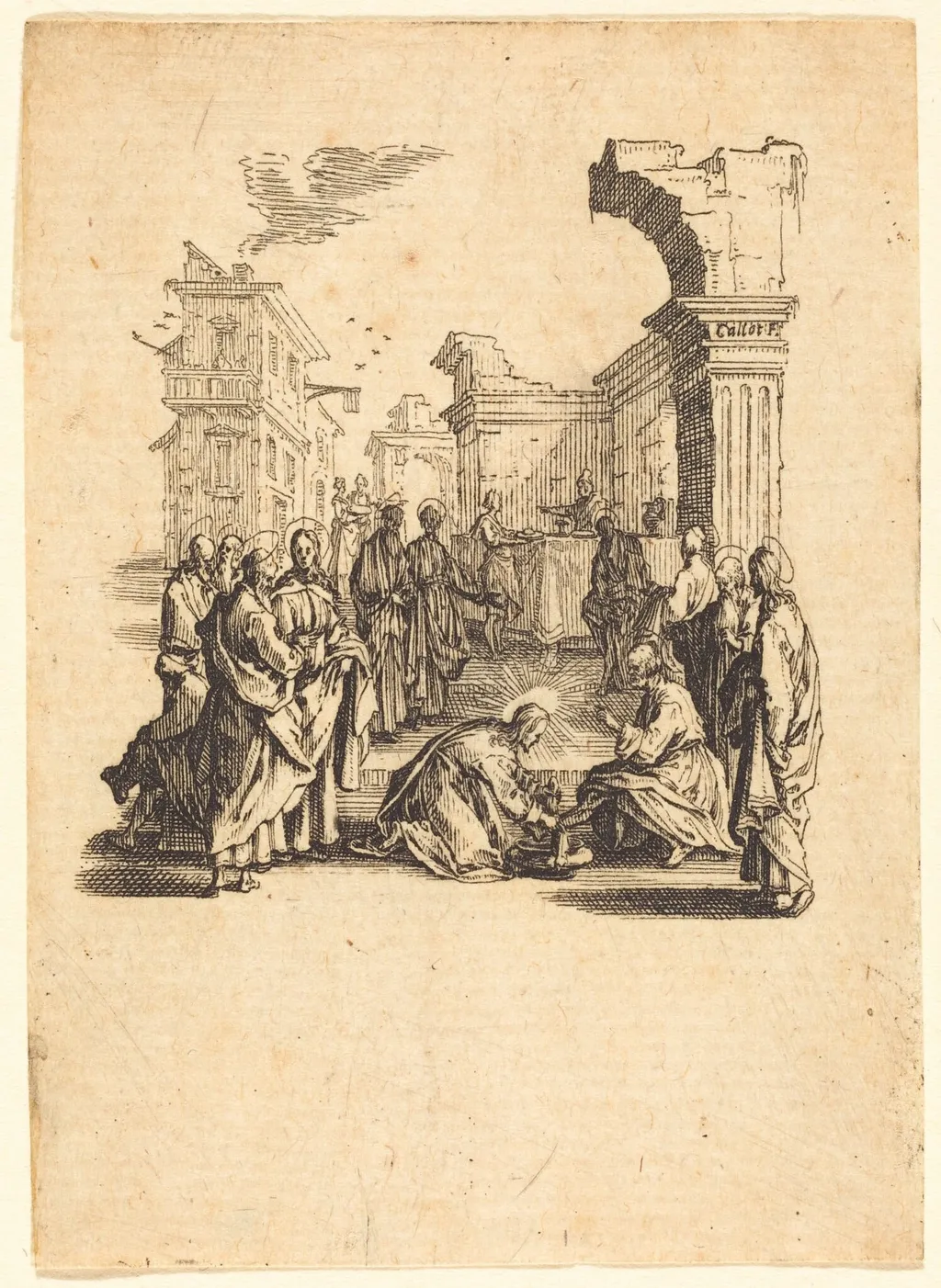
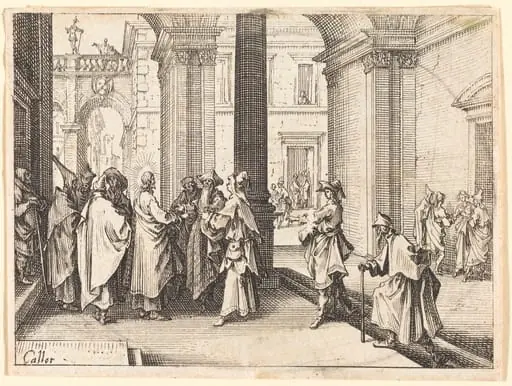
Christ Washing the Feet of the Apostles is an ink print by the Baroque artist Jacques Callot. It dates from 1624 and is held in the collection of the National Gallery of Art.
About this work
Overview
Created around 1624 by Jacques Callot, this etching on laid paper captures Christ performing the humble act of washing the feet of his apostles.
Created around 1624 by Jacques Callot, this etching on laid paper captures Christ performing the humble act of washing the feet of his apostles. A prolific printmaker from Lorraine, Callot produced over a thousand etchings, often blending religious narratives with meticulous observation of space and gesture. This work is part of his broader engagement with biblical subjects, rendered through fine linear detail and atmospheric depth rather than color.
Subject & Meaning
The scene illustrates John 13:5–8, where Christ, in a gesture of service, washes the feet of his disciples. His kneeling posture contrasts with the apostles’ varied reactions—some watch in silence, others with visible astonishment. The act underscores themes of humility and spiritual leadership, central to Christian teaching. Callot avoids overt sentimentality, instead conveying meaning through posture, gaze, and spatial arrangement.
Technique & Style
Callot employed fine, controlled etching lines to define forms, using cross-hatching and varied line weight to suggest texture: the roughness of stone, the soft drape of fabric, the airiness of distant sky. The background features architectural elements and flying birds, extending the scene beyond the immediate group. His use of chiaroscuro, though subtle, enhances volume and emotional gravity without theatricality.
History & Provenance
The print was made during Callot’s mature period in Florence, where he worked under Medici patronage. Though no specific early ownership records survive, the work circulated widely among collectors and religious institutions in 17th-century Europe. Its survival in multiple impressions reflects its popularity as both devotional imagery and technical exemplar in printmaking circles.
Context
In early 17th-century Italy and Lorraine, religious prints served as accessible tools for meditation and instruction. Callot’s approach aligned with Counter-Reformation ideals, emphasizing emotional engagement through realism. His detailed landscapes and architectural backdrops echoed contemporary Flemish and Italian traditions, distinguishing his work from more schematic religious prints of the era.
Legacy
Callot’s etching influenced later generations of printmakers through its precision and narrative clarity. While not widely exhibited today, it remains a reference point in studies of Baroque printmaking, particularly for its integration of landscape, human expression, and technical control. Its endurance lies in its quiet authority, not spectacle.
Artist & collection
Artist
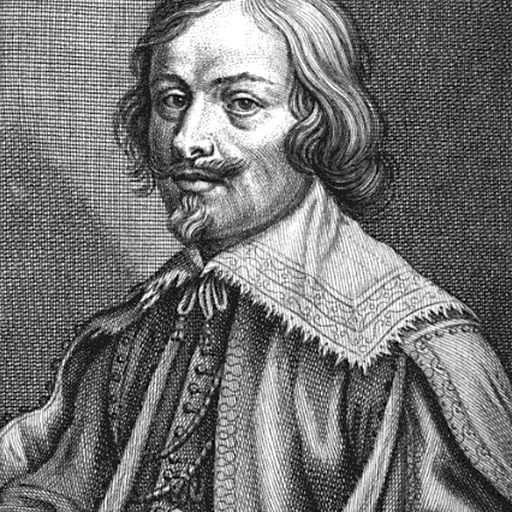
Jacques Callot was a baroque printmaker and draftsman from the Duchy of Lorraine.

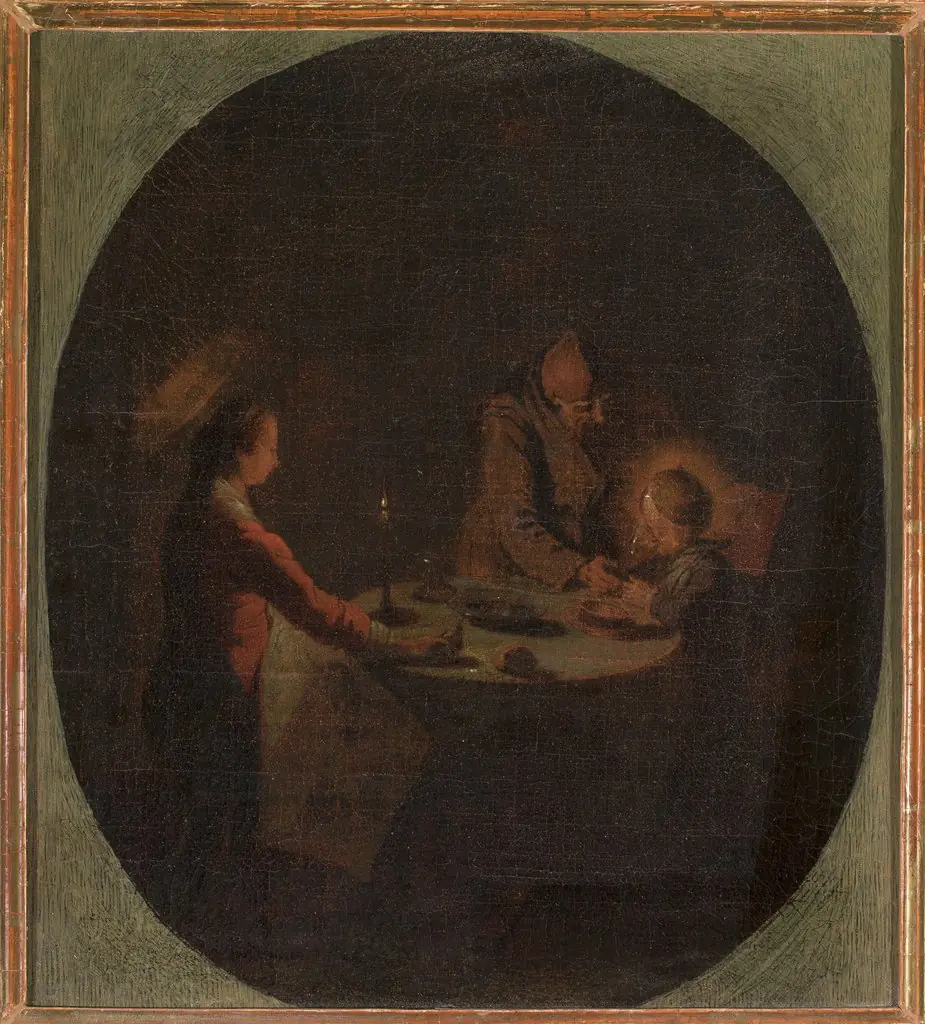 Holy Family at supper
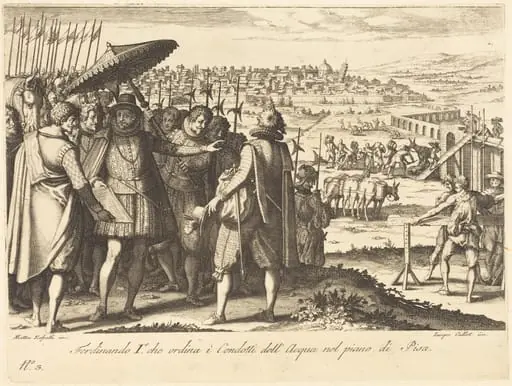 Restoration of the Aqueduct at Pisa
 Restoration of the Aqueduct at Pisa
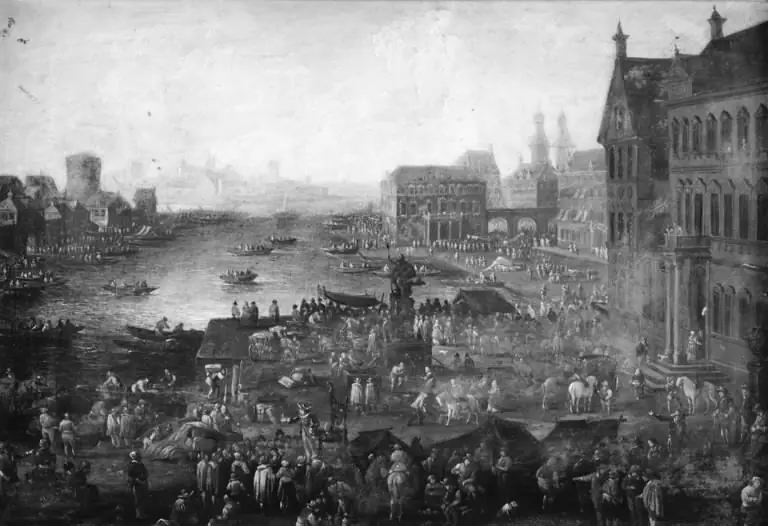 Square in Paris with Many Figures
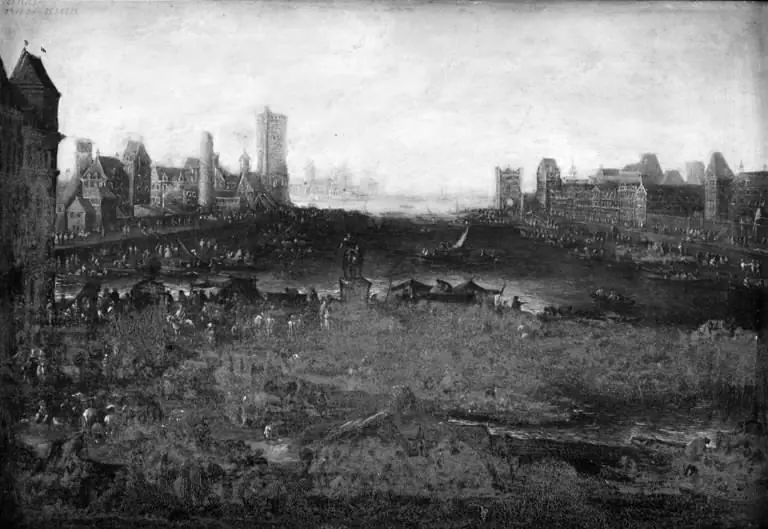 Square in Paris with Many Figures
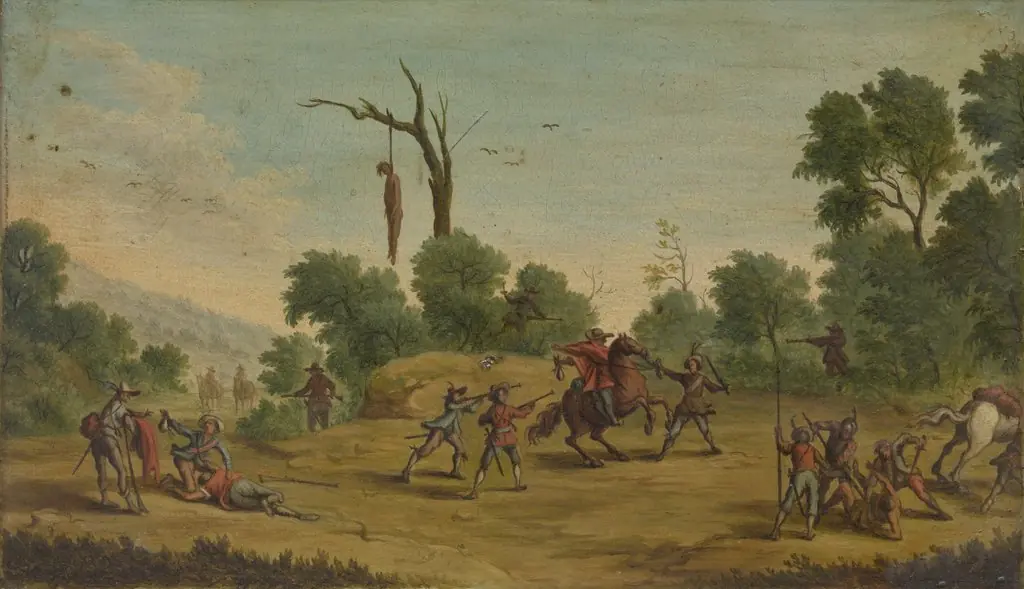 Horsemen Attacked by Robbers
 HOW WILL A COVERED PART BE CORRECTED?HOW WIKA A COVERED HEART DEED CORRECTED?
![Christ Walking on the Water [second plate], by Jacques Callot](https://artifactworldgallery.com/img/jacques-callot--christ-walking-on-the-water-second-plate--2069f3bfe4cb2126-w320.webp) Christ Walking on the Water [second plate]
Christ Walking on the Water [second plate]