Artwork
Coins [plate 3]
![Coins [plate 3], by Jacques Callot, ink, 1630](https://artifactworldgallery.com/img/jacques-callot--coins-plate-3--48953d8de7930b03-w1024.webp)
Coins [plate 3] is an ink print by the Baroque artist Jacques Callot. It dates from 1630 and is held in the collection of the National Gallery of Art.
About this work
Overview
Created circa 1630 by Jacques Callot, a French printmaker active in the Duchy of Lorraine, *Coins [plate 3]* is an etching executed on laid paper. The work consists of a tightly organized array of sixteen circular devices, each bearing a distinct heraldic emblem or symbolic motif. The composition showcases Callot’s meticulous approach to recording contemporary visual material.
Subject & Meaning
Each circle functions as a miniature representation of a coat of arms, civic seal, or personal insignia, suggesting a cataloguing of authority and identity. The variety of eagles, crowns, and cryptic lettering points to a broad spectrum of patrons—nobility, municipalities, and military units—reflecting the artist’s interest in documenting the social hierarchy of his era.
Technique & Style
The image was produced by etching, a process in which Callot incised fine lines into a metal plate with a needle before applying ink and pressing it onto paper. The resulting lines are crisp and densely rendered, allowing intricate heraldic details to emerge within the confined circular frames. Laid paper provides a subtle texture that enhances the contrast of the dark marks.
History & Provenance
Part of a larger series titled *Coins*, this plate is the third in the set and belongs to Callot’s prolific output of more than fourteen hundred prints. The series was likely assembled for a patron interested in a visual inventory of contemporary symbols, and the sheet has survived in museum collections that specialize in early modern graphic arts.
Artist & collection
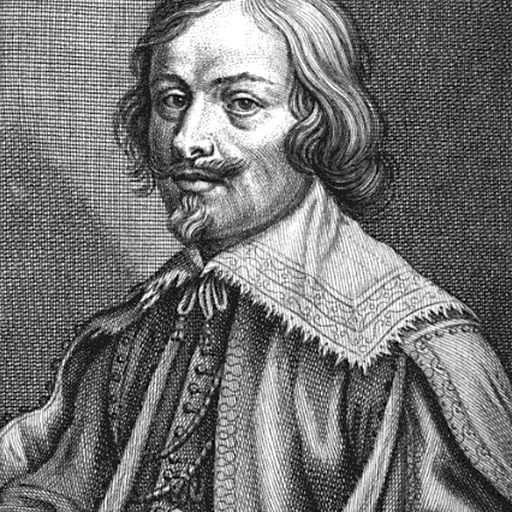
Artist
Jacques Callot was a baroque printmaker and draftsman from the Duchy of Lorraine.

 Holy Family at supper
 Restoration of the Aqueduct at Pisa
 Restoration of the Aqueduct at Pisa
 Square in Paris with Many Figures
 Square in Paris with Many Figures
 Horsemen Attacked by Robbers
 HOW WILL A COVERED PART BE CORRECTED?HOW WIKA A COVERED HEART DEED CORRECTED?
![Christ Walking on the Water [second plate], by Jacques Callot](https://artifactworldgallery.com/img/jacques-callot--christ-walking-on-the-water-second-plate--2069f3bfe4cb2126-w320.webp) Christ Walking on the Water [second plate]
Christ Walking on the Water [second plate]
![Coins [plate 7], by Jacques Callot](https://artifactworldgallery.com/img/jacques-callot--coins-plate-7--2d5636beaedc8195-w320.webp)
![Coins [plate 8], by Jacques Callot](https://artifactworldgallery.com/img/jacques-callot--coins-plate-8--065000946c0ac004-w320.webp)
![Coins [plate 4], by Jacques Callot](https://artifactworldgallery.com/img/jacques-callot--coins-plate-4--85863c28ddb9f3d6-w320.webp)
![Coins [plate 1], by Jacques Callot](https://artifactworldgallery.com/img/jacques-callot--coins-plate-1--42329d599bf008a3-w320.webp)
![Coins [plate 2], by Jacques Callot](https://artifactworldgallery.com/img/jacques-callot--coins-plate-2--b39cf66376b9d11b-w320.webp)
![Coins [plate 5], by Jacques Callot](https://artifactworldgallery.com/img/jacques-callot--coins-plate-5--e74707f00b802da6-w320.webp)
![Coins [plate 6], by Jacques Callot](https://artifactworldgallery.com/img/jacques-callot--coins-plate-6--e6dbedab3bd6bb44-w320.webp)
![Coins [plate 10], by Jacques Callot](https://artifactworldgallery.com/img/jacques-callot--coins-plate-10--fb10384300993894-w320.webp)