Artwork
Coins [plate 10]
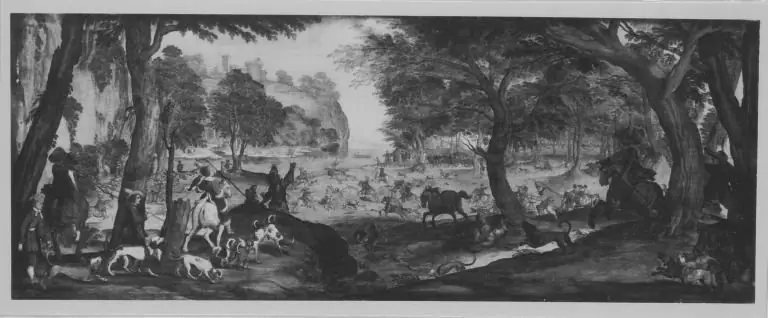
![Coins [plate 10], by Jacques Callot, ink, 1630](https://artifactworldgallery.com/img/jacques-callot--coins-plate-10--fb10384300993894-w1024.webp)
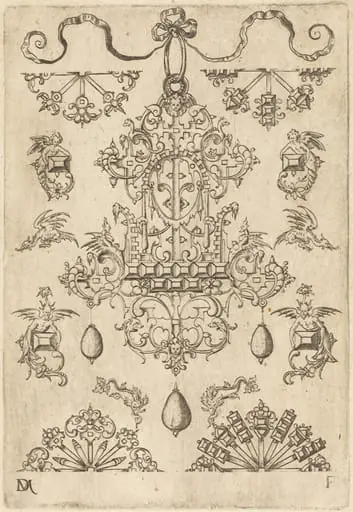
Coins [plate 10] is an ink print by the Baroque artist Jacques Callot. It dates from 1630 and is held in the collection of the National Gallery of Art.
About this work
Overview
A printmaker from the Duchy of Lorraine, he dedicated his career to capturing the textures of everyday life through meticulous line work.
Jacques Callot produced *Coins [plate 10]* around 1630 as part of a series of etchings on laid paper. A printmaker from the Duchy of Lorraine, he dedicated his career to capturing the textures of everyday life through meticulous line work. This plate, like others in his oeuvre, reflects his interest in material culture and the visual language of currency, rendered with precision and quiet observation.
Subject & Meaning
The plate presents a orderly array of historical coins, each marked with distinct facial portraits, heraldic emblems, and inscriptions. Rather than depicting a transaction or user, Callot isolates the objects themselves, inviting contemplation of their symbolic weight and material history. The focus on worn surfaces and varied iconography suggests an interest in the passage of time and the accumulation of value across regions and regimes.
Technique & Style
Callot employed etching, a process involving acid-resistant grounds and a needle to incise lines into a metal plate. The resulting print captures fine, controlled strokes that define each coin’s relief and lettering with clarity. The use of laid paper, with its subtle texture, enhances the tactile quality of the image. His approach favors detail over drama, relying on line density and spacing to convey depth and distinction.
History & Provenance
This work originates from a larger suite of prints Callot created in the 1630s, likely intended as studies or reference material. While the exact provenance of this individual sheet is undocumented, it aligns with his broader practice of compiling visual records of objects encountered in courtly and public settings. Its survival reflects the enduring value placed on his technical precision and observational rigor.
Context
In early 17th-century Europe, coinage was a visible marker of political authority and economic exchange. Callot’s interest in documenting coins coincided with growing scholarly and artistic attention to antiquities and material culture. His etchings contributed to a visual archive that bridged art, numismatics, and social history, offering a quiet counterpoint to the era’s more overtly dramatic imagery.
Legacy
Callot’s *Coins* exemplifies his role in elevating printmaking as a medium for systematic observation. Though not widely exhibited as standalone works, his series influenced later artists and collectors interested in the documentation of everyday objects. His method of rendering small, intricate forms with clarity helped establish a precedent for detailed still-life and numismatic illustration in print.
Artist & collection
Artist
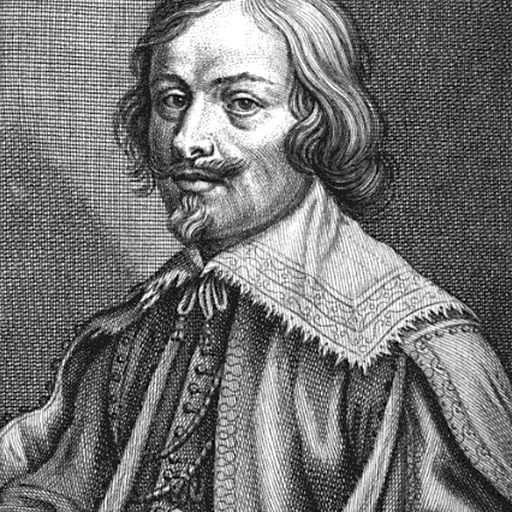
Jacques Callot was a baroque printmaker and draftsman from the Duchy of Lorraine.

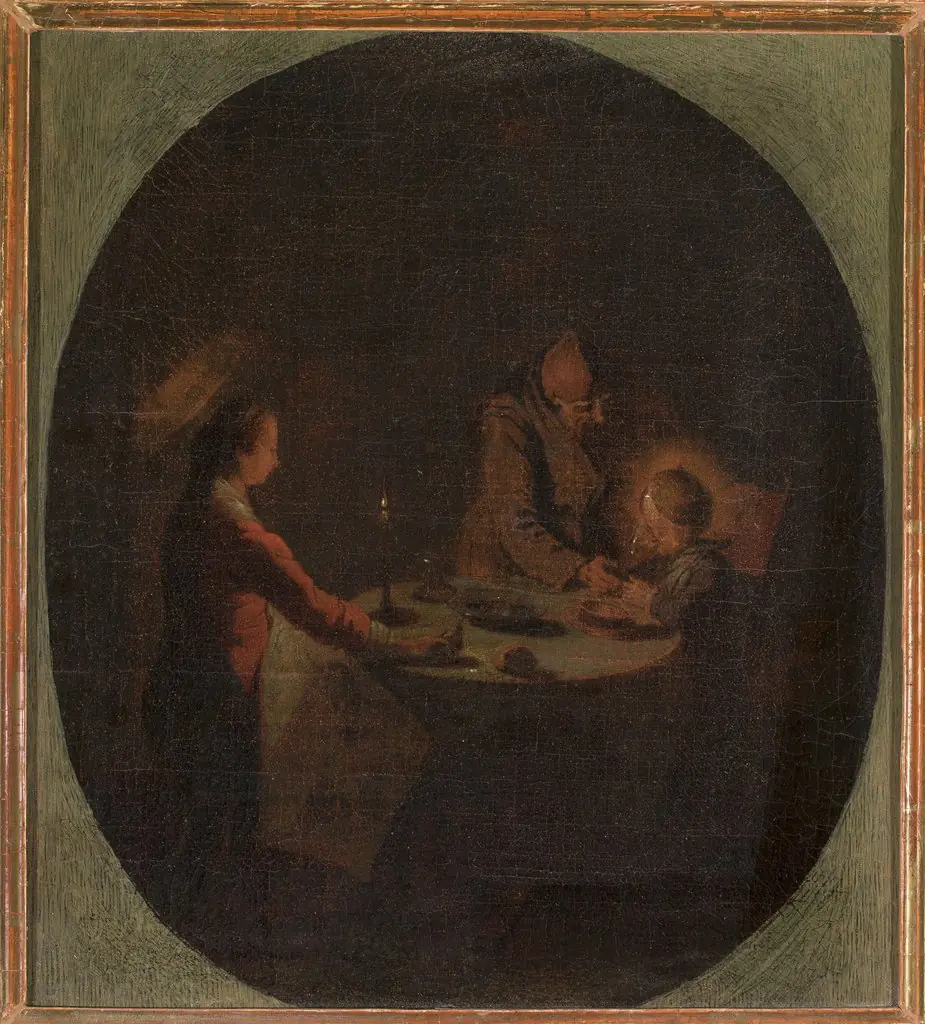 Holy Family at supper
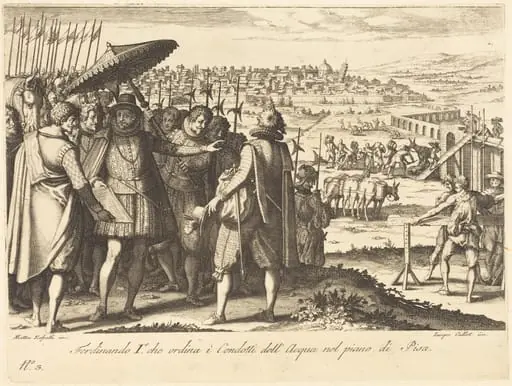 Restoration of the Aqueduct at Pisa
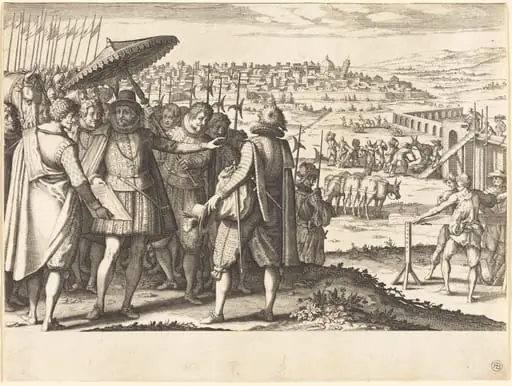 Restoration of the Aqueduct at Pisa
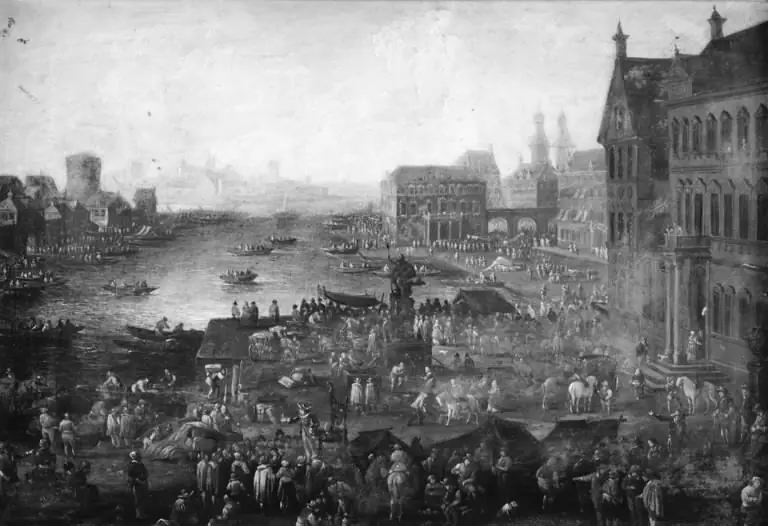 Square in Paris with Many Figures
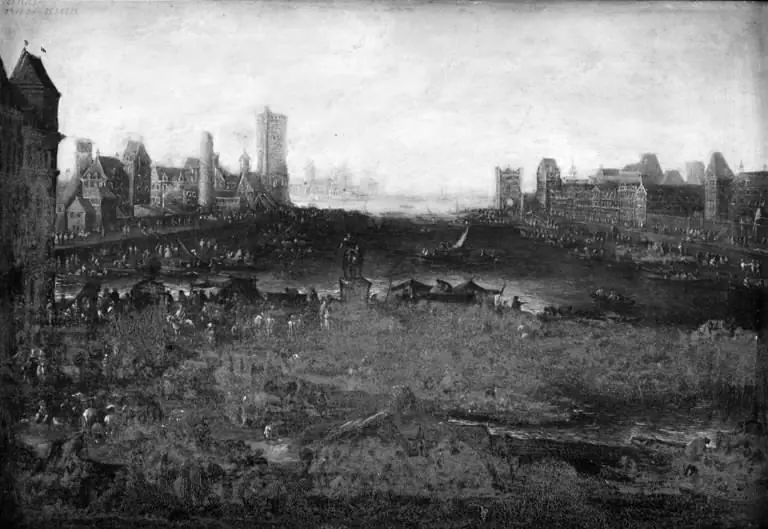 Square in Paris with Many Figures
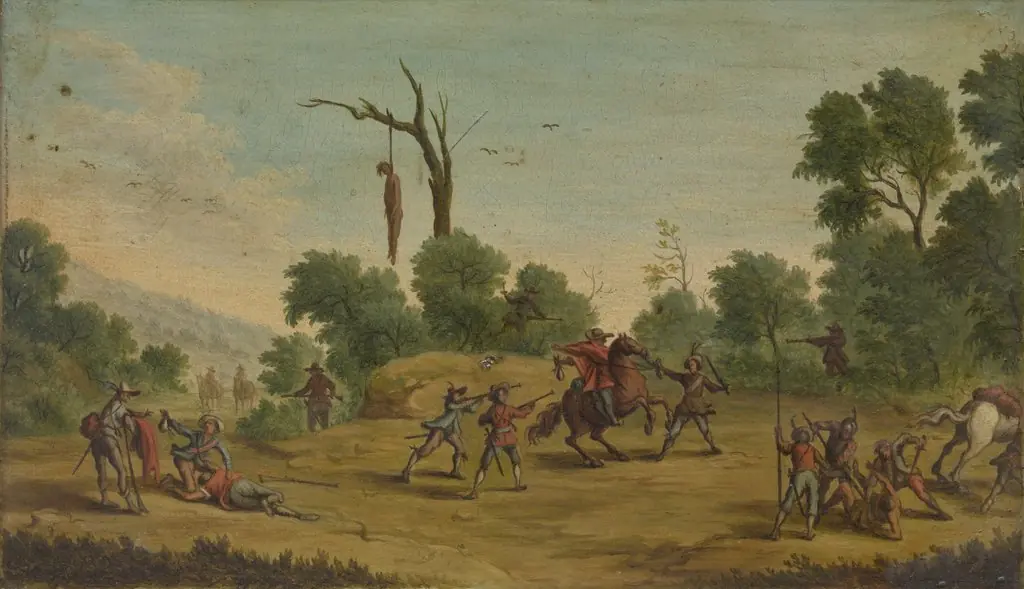 Horsemen Attacked by Robbers
 HOW WILL A COVERED PART BE CORRECTED?HOW WIKA A COVERED HEART DEED CORRECTED?
![Christ Walking on the Water [second plate], by Jacques Callot](https://artifactworldgallery.com/img/jacques-callot--christ-walking-on-the-water-second-plate--2069f3bfe4cb2126-w320.webp) Christ Walking on the Water [second plate]
Christ Walking on the Water [second plate]
![Coins [plate 9], by Jacques Callot](https://artifactworldgallery.com/img/jacques-callot--coins-plate-9--b629077b5f494bba-w320.webp)
![Coins [plate 5], by Jacques Callot](https://artifactworldgallery.com/img/jacques-callot--coins-plate-5--e74707f00b802da6-w320.webp)
![Coins [plate 1], by Jacques Callot](https://artifactworldgallery.com/img/jacques-callot--coins-plate-1--42329d599bf008a3-w320.webp)
![Coins [plate 4], by Jacques Callot](https://artifactworldgallery.com/img/jacques-callot--coins-plate-4--85863c28ddb9f3d6-w320.webp)
![Coins [plate 2], by Jacques Callot](https://artifactworldgallery.com/img/jacques-callot--coins-plate-2--b39cf66376b9d11b-w320.webp)
![Coins [plate 6], by Jacques Callot](https://artifactworldgallery.com/img/jacques-callot--coins-plate-6--e6dbedab3bd6bb44-w320.webp)
![Coins [plate 7], by Jacques Callot](https://artifactworldgallery.com/img/jacques-callot--coins-plate-7--2d5636beaedc8195-w320.webp)
![Coins [plate 3], by Jacques Callot](https://artifactworldgallery.com/img/jacques-callot--coins-plate-3--48953d8de7930b03-w320.webp)
![Coins [plate 8], by Jacques Callot](https://artifactworldgallery.com/img/jacques-callot--coins-plate-8--065000946c0ac004-w320.webp)