Artwork
Crayfish Looking at the Sun
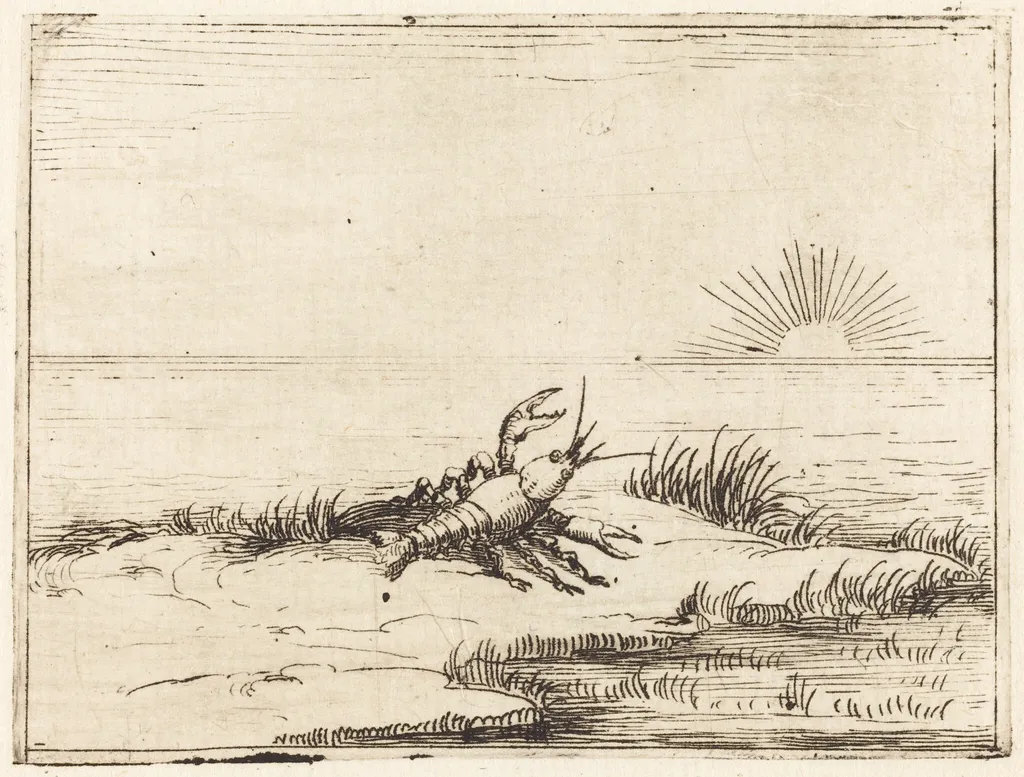
Crayfish Looking at the Sun is an ink print by the Baroque artist Jacques Callot. It dates from 1628 and is held in the collection of the National Gallery of Art.
About this work
Overview
Rendered on laid paper, it reflects Callot’s precision in line and his interest in natural forms, though its intent remains enigmatic.
Jacques Callot created this 1628 etching during his time in Florence, where he refined his technical mastery of the medium. The work belongs to a series of small, imaginative prints that blend observation with allegory. Rendered on laid paper, it reflects Callot’s precision in line and his interest in natural forms, though its intent remains enigmatic. Unlike his larger narrative scenes, this piece is intimate and stripped of context.
Subject & Meaning
A crayfish, perched on a slender stick above shallow water, gazes upward at a radiant sun. The creature’s posture suggests curiosity or futile aspiration, inviting interpretations of ambition, folly, or natural instinct. The absence of narrative detail and the stark composition encourage symbolic readings, though Callot left no explicit commentary. The image resists clear moralization, instead presenting a quiet, enigmatic moment from the natural world.
Technique & Style
Callot employed fine, controlled etching lines to render the crayfish’s exoskeleton and the water’s subtle ripples. The background is minimal, with only a few horizontal strokes suggesting surface tension. The sun is rendered as a radiant burst of unetched paper, heightening its luminosity. The texture is deliberately rough in places, emphasizing the medium’s scratchy, incised quality—characteristic of Callot’s hand and the limitations of etching on laid paper.
History & Provenance
The print was produced during Callot’s years in Italy, when he was deeply engaged with the Florentine artistic community. It was likely made for private collectors rather than public sale, as were many of his smaller works. Surviving impressions are rare, held primarily in institutional collections such as the British Museum and the Louvre. No early ownership records are known, but its survival suggests it was valued for its technical finesse.
Context
In early 17th-century printmaking, etching was gaining favor for its capacity to capture fine detail and expressive line. Callot stood apart by elevating the medium beyond mere reproduction, using it for original, often whimsical compositions. This work aligns with a broader trend among Northern European artists to explore natural subjects with poetic ambiguity, distinct from the grand religious or historical themes dominating the period.
Legacy
Though not widely reproduced or discussed in his lifetime, *Crayfish Looking at the Sun* has come to exemplify Callot’s capacity for quiet, imaginative observation. Later printmakers admired his control of line and his willingness to treat small, unconventional subjects with seriousness. The work remains a touchstone for understanding how etching could convey both precision and poetic suggestion in the Baroque era.
Own this work as a print
Artist & collection
Artist
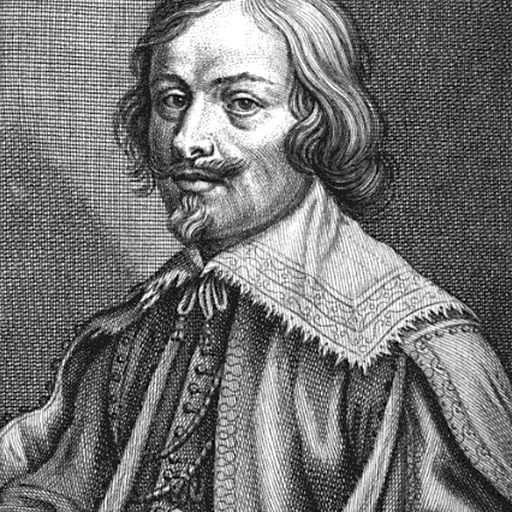
Jacques Callot was a baroque printmaker and draftsman from the Duchy of Lorraine.

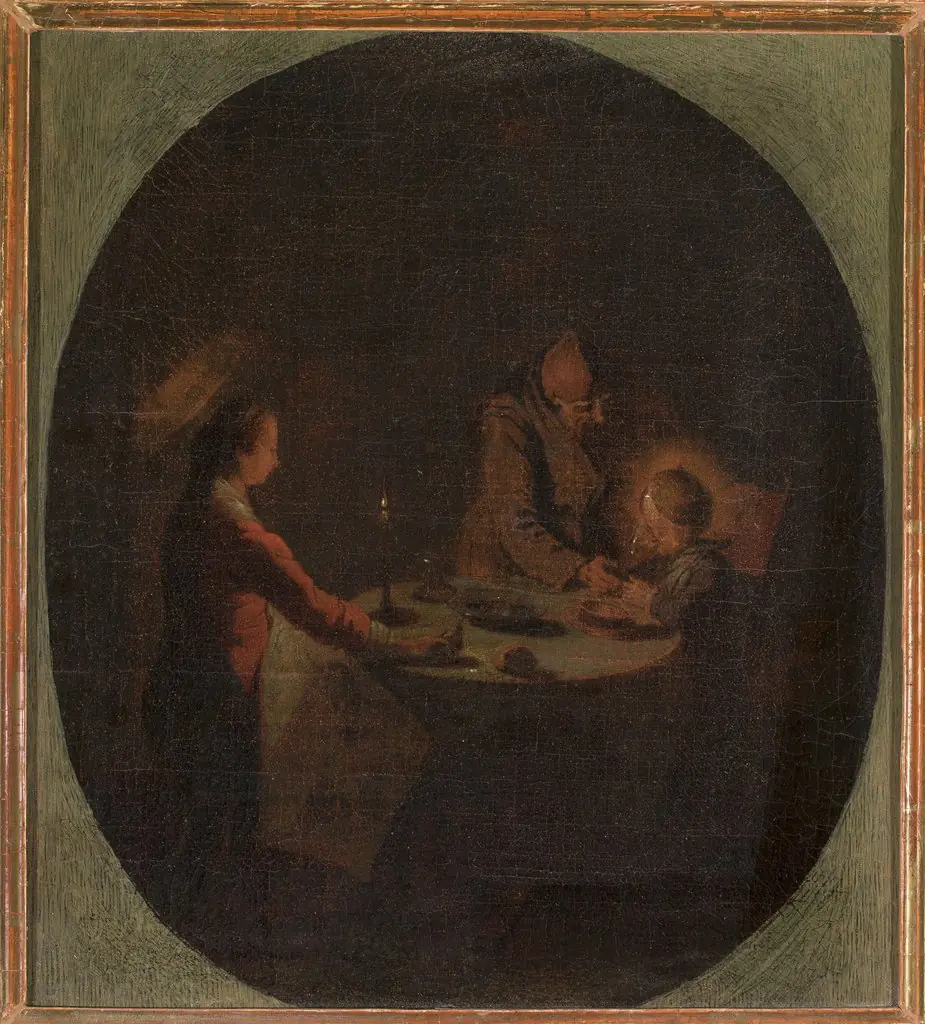 Holy Family at supper
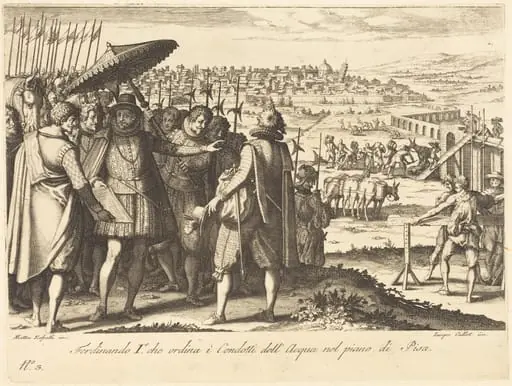 Restoration of the Aqueduct at Pisa
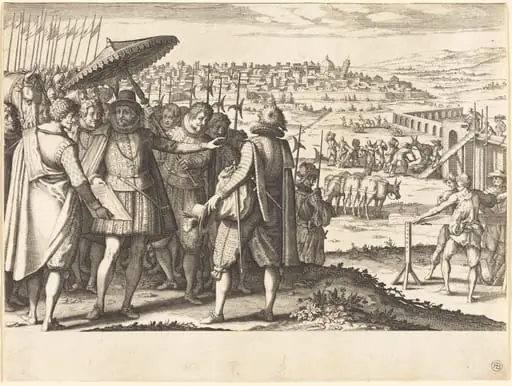 Restoration of the Aqueduct at Pisa
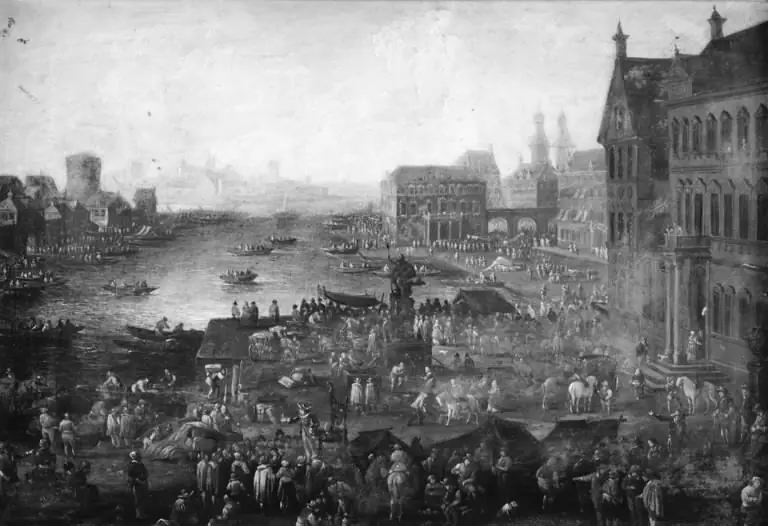 Square in Paris with Many Figures
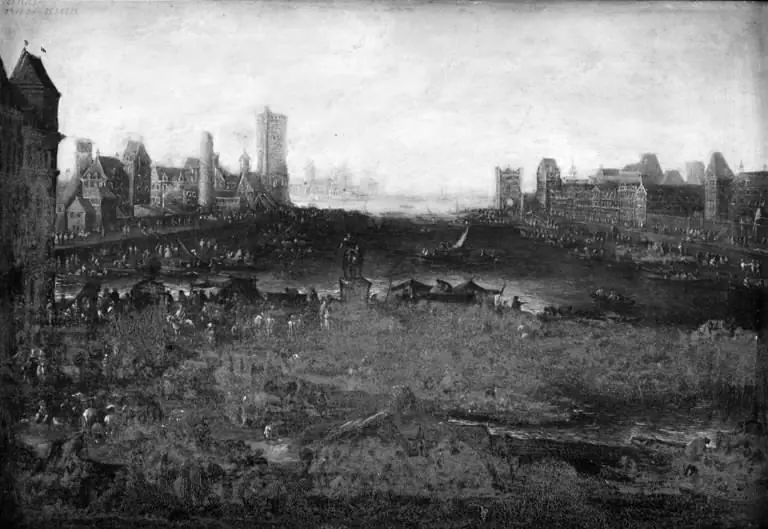 Square in Paris with Many Figures
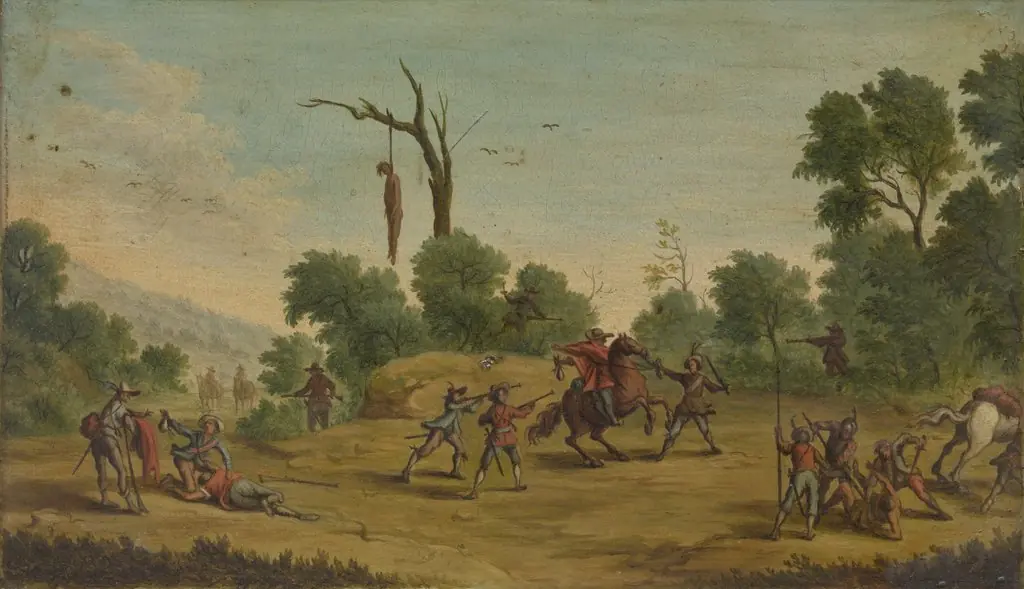 Horsemen Attacked by Robbers
 HOW WILL A COVERED PART BE CORRECTED?HOW WIKA A COVERED HEART DEED CORRECTED?
![Christ Walking on the Water [second plate], by Jacques Callot](https://artifactworldgallery.com/img/jacques-callot--christ-walking-on-the-water-second-plate--2069f3bfe4cb2126-w320.webp) Christ Walking on the Water [second plate]
Christ Walking on the Water [second plate]