Artwork
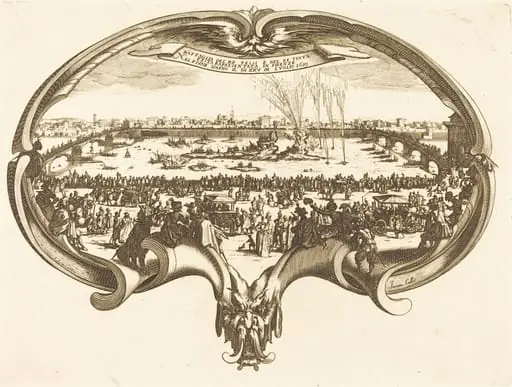
Fireworks on the Arno, Florence
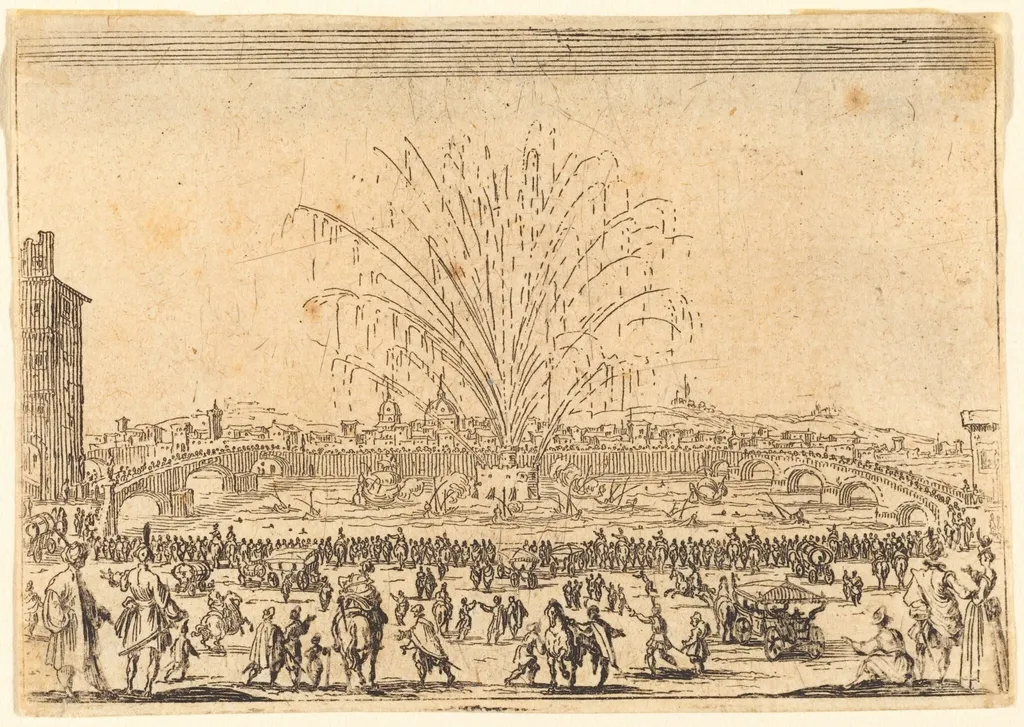
Fireworks on the Arno, Florence is an ink print by the Baroque artist Jacques Callot. It dates from 1622 and is held in the collection of the National Gallery of Art.
About this work
Overview
Executed on laid paper, the work belongs to a large series of prints in which Callot recorded everyday spectacles with precision.
Created around 1622, this etching by Jacques Callot captures a public celebration along the Arno River in Florence. Executed on laid paper, the work belongs to a large series of prints in which Callot recorded everyday spectacles with precision. As a French artist working across Italy, he documented urban festivities with an eye for social detail and atmospheric depth, using the etching technique to render complex scenes with fine lines and nuanced tonal variation.
Subject & Meaning
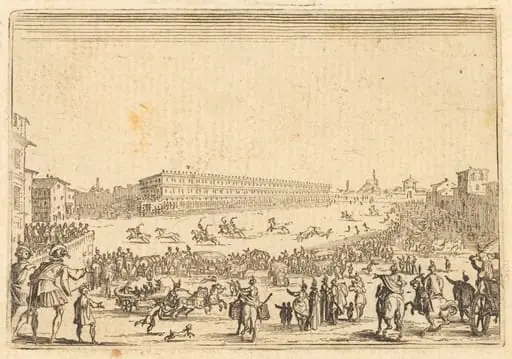
The scene portrays a festive gathering of Florentines observing fireworks above the river. Figures are arranged in varied postures—on foot, horseback, and in carriages—suggesting a cross-section of society. The composition directs attention toward the sky, where bursts of light dominate, implying communal joy and civic pride. The event likely commemorated a religious or aristocratic occasion, common in early 17th-century Florence, where public displays reinforced social order and collective identity.
Technique & Style
Callot employed etching with exceptional control, using fine, layered lines to suggest movement and texture. The fireworks are rendered with radiating strokes that mimic explosive light, while the crowd and architecture are defined with delicate, precise engraving. The use of atmospheric perspective, with lighter tones in the distance, enhances spatial depth. His technique avoided heavy ink washes, relying instead on line density to convey volume and shadow, characteristic of his refined approach to printmaking.
History & Provenance
The print was made during Callot’s time in Florence, where he resided between 1616 and 1621, likely completing this work shortly after his return to Nancy. It was part of a broader project documenting Italian festivals and urban life, circulated among collectors in Europe. Early impressions are held in major print collections, including the British Museum and the Louvre, indicating its early recognition among connoisseurs of graphic art.
Context
In early 17th-century Florence, fireworks displays were organized by the Medici court to mark significant events, blending entertainment with political symbolism. Callot, observing from a foreign perspective, recorded these events with documentary accuracy. His prints contributed to a growing European interest in Italian civic culture, offering northern audiences visual access to southern rituals through the accessible medium of print.
Legacy
Callot’s detailed etchings influenced later generations of printmakers, particularly in their treatment of crowd scenes and urban environments. While not widely exhibited as standalone works, this etching exemplifies his role in elevating printmaking as a medium for social observation. His approach to capturing transient moments laid groundwork for the development of genre scenes in 18th-century European art.
Artist & collection
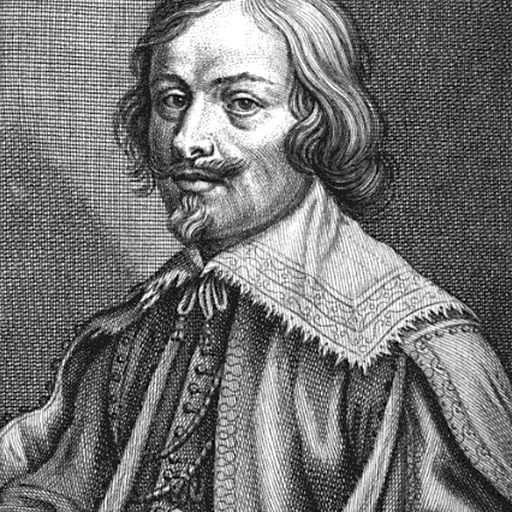
Artist
Jacques Callot was a baroque printmaker and draftsman from the Duchy of Lorraine.

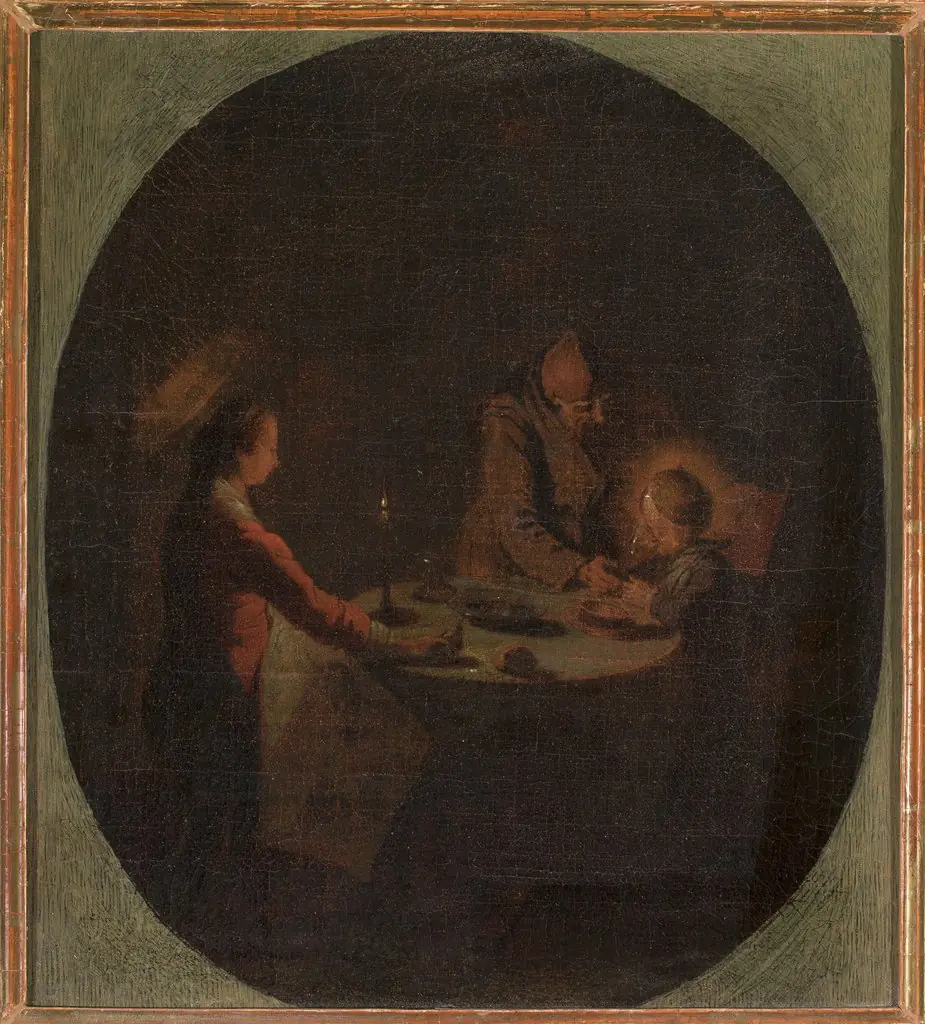 Holy Family at supper
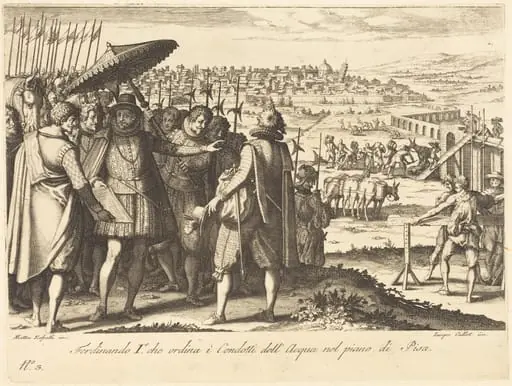 Restoration of the Aqueduct at Pisa
 Restoration of the Aqueduct at Pisa
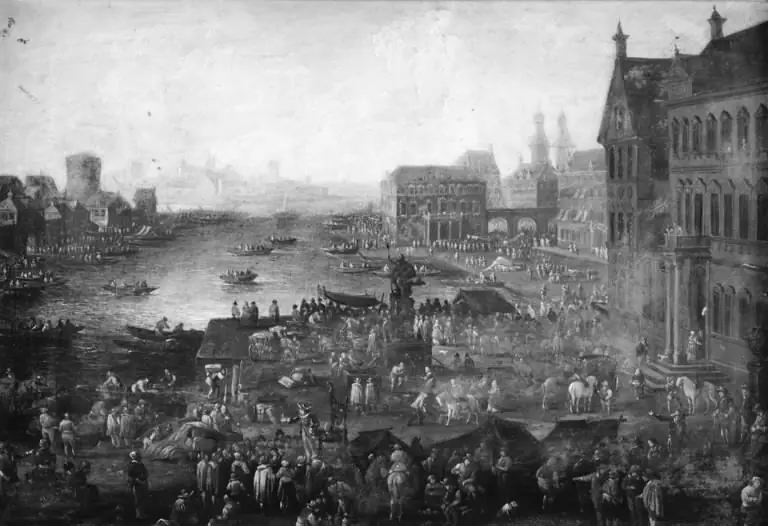 Square in Paris with Many Figures
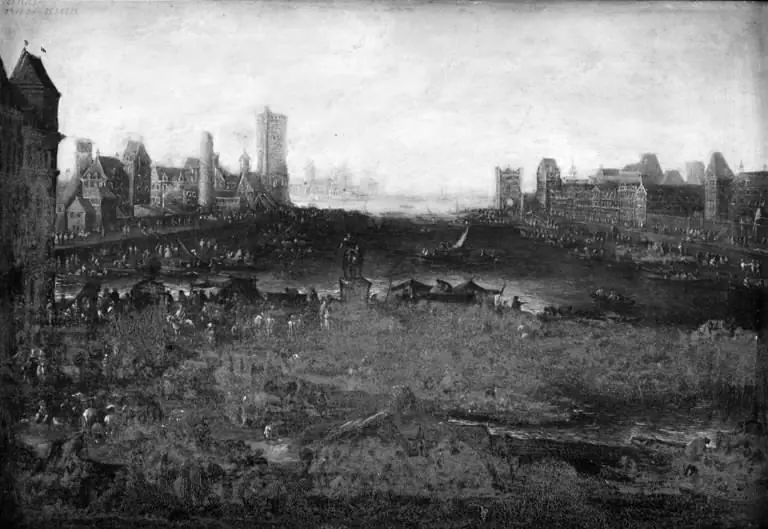 Square in Paris with Many Figures
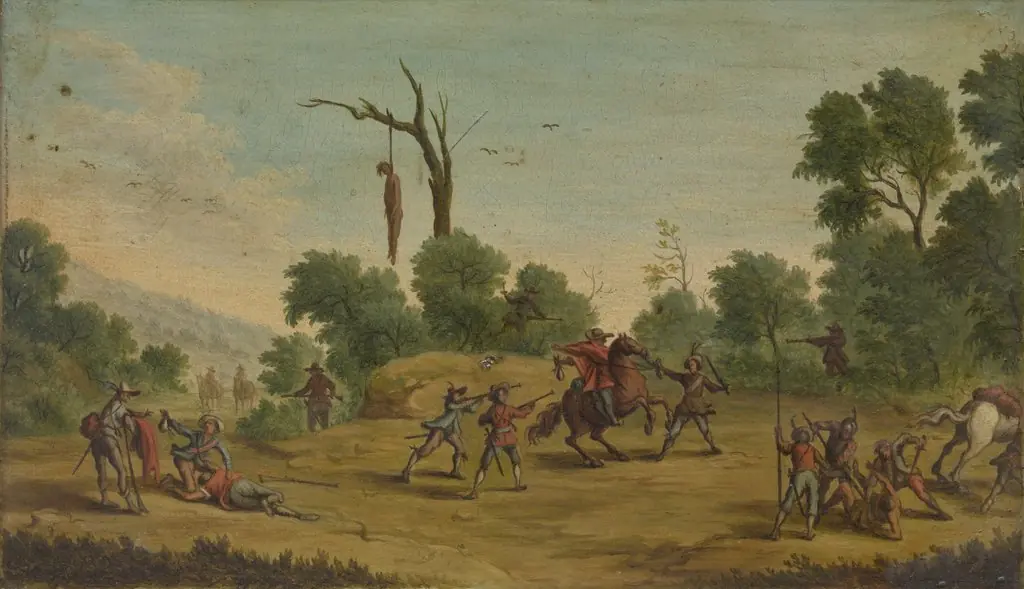 Horsemen Attacked by Robbers
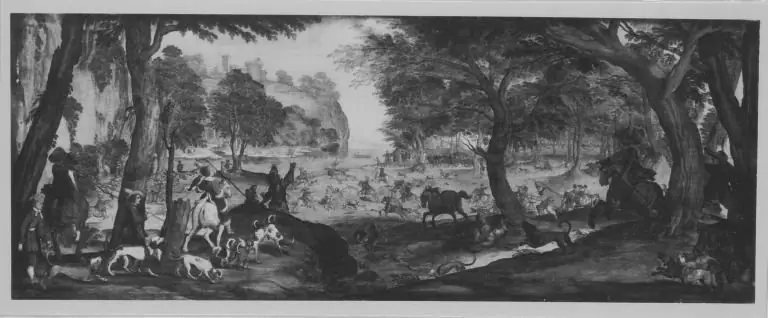 HOW WILL A COVERED PART BE CORRECTED?HOW WIKA A COVERED HEART DEED CORRECTED?
![Christ Walking on the Water [second plate], by Jacques Callot](https://artifactworldgallery.com/img/jacques-callot--christ-walking-on-the-water-second-plate--2069f3bfe4cb2126-w320.webp) Christ Walking on the Water [second plate]
Christ Walking on the Water [second plate]