Artwork
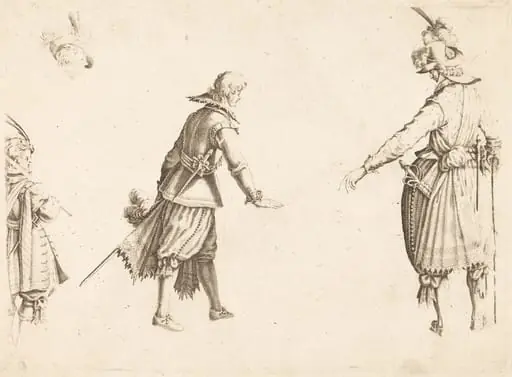
Gentleman and His Page
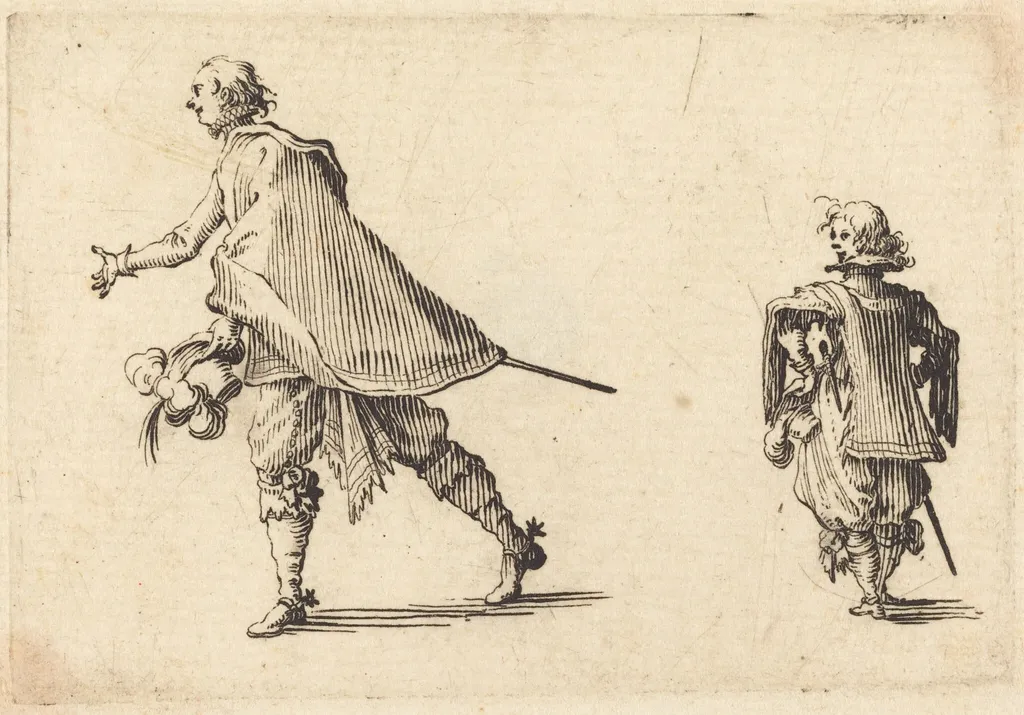
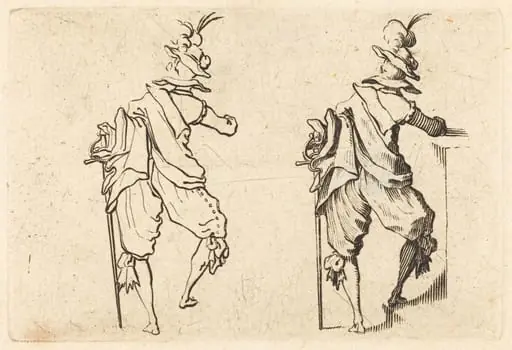
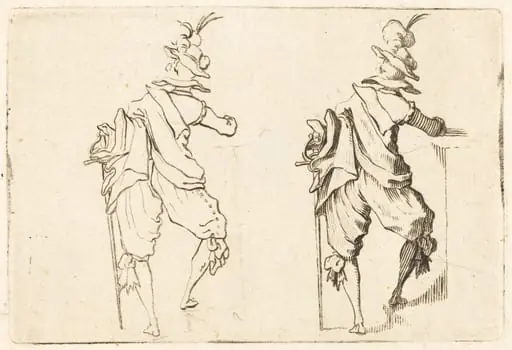
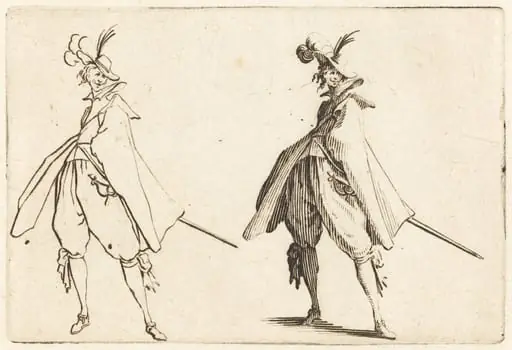
Gentleman and His Page is an ink print by the Baroque artist Jacques Callot. It dates from 1617 and is held in the collection of the National Gallery of Art.
About this work
Overview
Created around 1617, this etching by Jacques Callot depicts a nobleman and his young attendant in a moment of casual movement.
Created around 1617, this etching by Jacques Callot depicts a nobleman and his young attendant in a moment of casual movement. Executed on laid paper, the work belongs to a vast body of over 1,400 prints by the Lorraine-born artist, who specialized in capturing everyday life with precision and vitality. Unlike formal portraiture, this piece conveys spontaneity through its sketchlike quality and dynamic composition.
Subject & Meaning
The figures represent a social hierarchy rendered in quiet motion: the gentleman, adorned with a long coat, wide hat, cane, and fan, moves with measured authority, while his page, curly-haired and burdened with a sword and small bag, follows closely. Their interaction suggests routine courtly life, not a staged event. Callot’s focus on the unguarded moment reveals his interest in social roles as lived experience rather than idealized representation.
Technique & Style
Callot employed fine, incised lines to build texture and motion, avoiding smooth contours in favor of a scratchy, energetic mark-making. The heavy fabrics of the garments are suggested through dense, overlapping strokes, yet the overall impression remains light and fluid. The background is minimally defined, drawing attention to the figures’ gestures and the rhythm of their movement, characteristic of Callot’s draftsmanship.
History & Provenance
The print emerged during Callot’s early career in Florence, where he absorbed Italian artistic influences while maintaining his Northern European attention to detail. Though its early ownership is undocumented, it aligns with his broader practice of producing small-scale prints for collectors and connoisseurs. Its survival reflects the demand for his observational works in early 17th-century Europe.
Context
In early 1600s Europe, etching was gaining favor as a medium for intimate, portable imagery. Callot’s depictions of courtly figures, soldiers, and commoners offered a visual record of social structures during a time of political and religious upheaval. This print fits within a genre that valued observation over grandeur, documenting the quiet rituals of daily life among the elite.
Legacy
Callot’s approach to etching influenced generations of printmakers through his technical innovations and keen eye for human behavior. This work exemplifies his ability to convey personality and movement with minimal means, setting a precedent for later artists who sought realism in printmaking. His focus on ordinary moments helped shift printmaking from illustration toward documentary observation.
Artist & collection
Artist
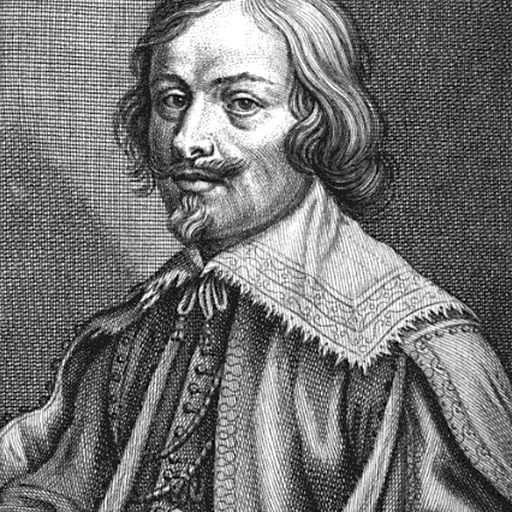
Jacques Callot was a baroque printmaker and draftsman from the Duchy of Lorraine.

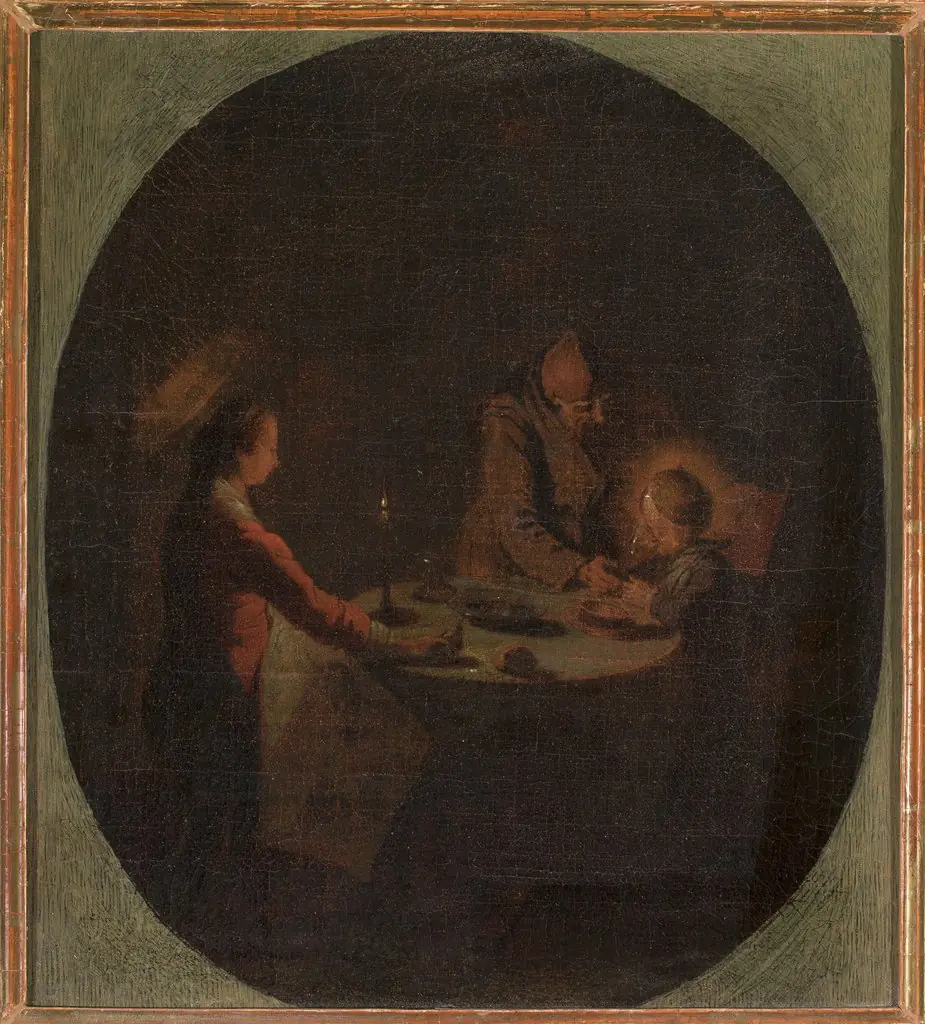 Holy Family at supper
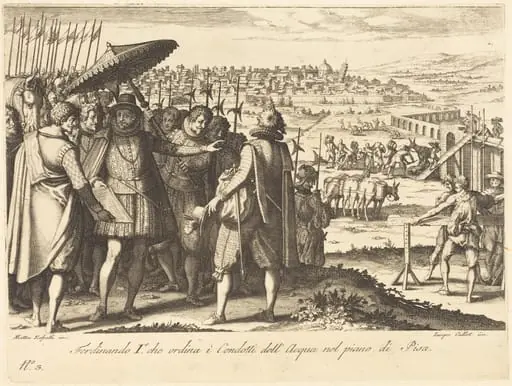 Restoration of the Aqueduct at Pisa
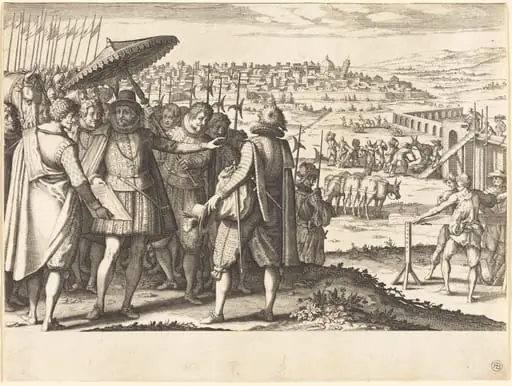 Restoration of the Aqueduct at Pisa
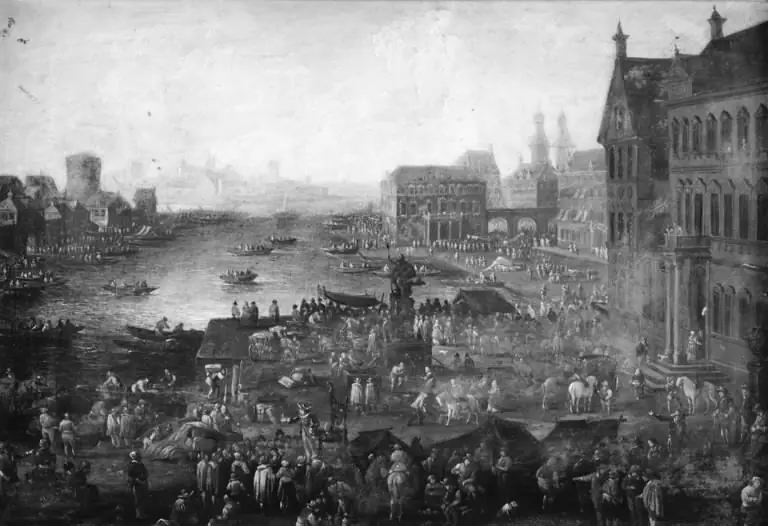 Square in Paris with Many Figures
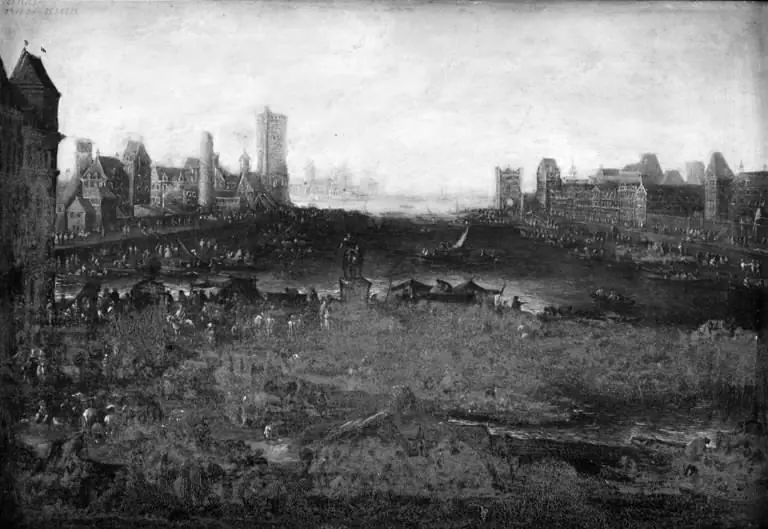 Square in Paris with Many Figures
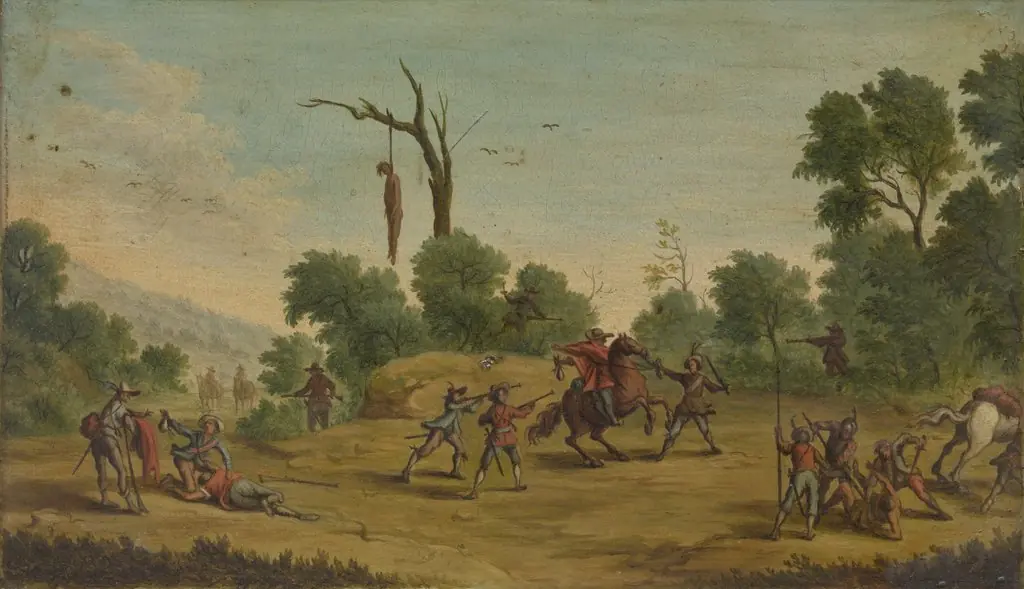 Horsemen Attacked by Robbers
 HOW WILL A COVERED PART BE CORRECTED?HOW WIKA A COVERED HEART DEED CORRECTED?
![Christ Walking on the Water [second plate], by Jacques Callot](https://artifactworldgallery.com/img/jacques-callot--christ-walking-on-the-water-second-plate--2069f3bfe4cb2126-w320.webp) Christ Walking on the Water [second plate]
Christ Walking on the Water [second plate]