Artwork
Gentleman in Large Mantle, Front View
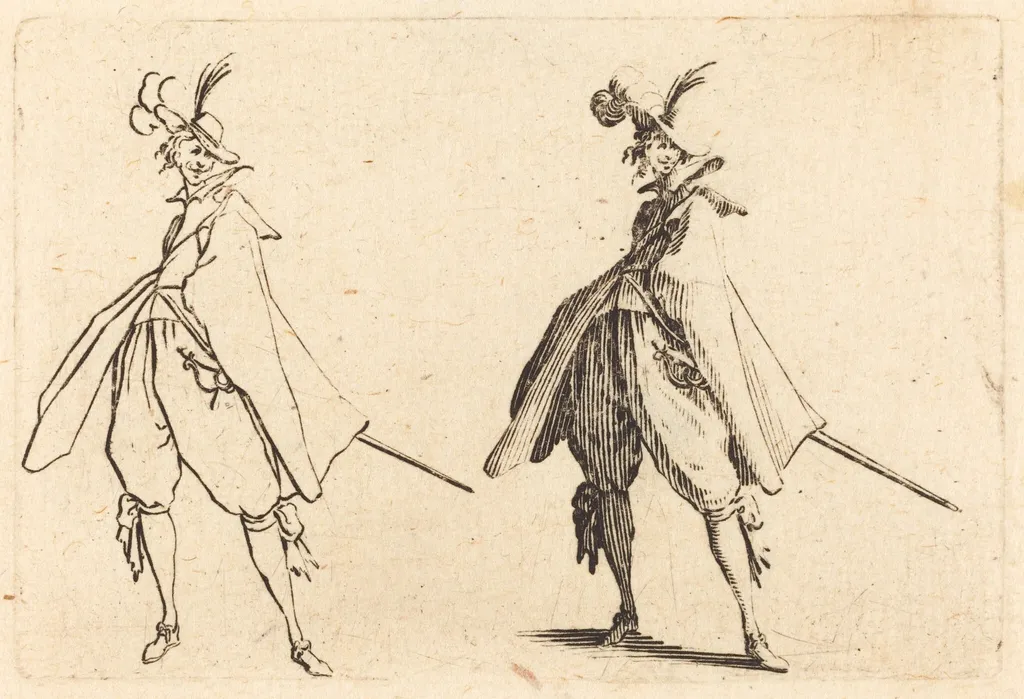
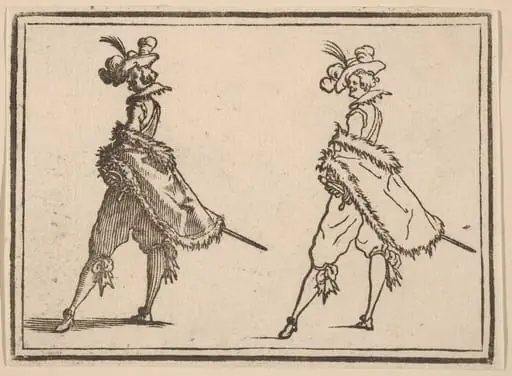
Gentleman in Large Mantle, Front View is an ink print by the Baroque artist Jacques Callot. It dates from 1622 and is held in the collection of the National Gallery of Art.
About this work
Overview
Created around 1622 by Jacques Callot, this etching on laid paper depicts two men in elaborate 17th-century attire. Callot, a prolific printmaker from the Duchy of Lorraine, produced over 1,400 etchings documenting the social fabric of his time. This work exemplifies his precision in rendering costume and posture, capturing fleeting moments of urban life with clarity and economy of line.
Subject & Meaning
The composition, with both men facing forward, evokes a sense of formal presentation, perhaps as studies of demeanor or social posturing in early modern Europe.
The two figures appear as stylized representations of fashionable gentlemen, possibly from a courtly or urban elite context. Their oversized mantles, feathered hats, and walking sticks suggest performance or display rather than everyday wear. The composition, with both men facing forward, evokes a sense of formal presentation, perhaps as studies of demeanor or social posturing in early modern Europe.
Technique & Style
Callot employed fine, controlled etching lines to define fabric folds, hat brims, and cane contours, achieving texture without heavy shading. The scratchy yet deliberate strokes reflect his mastery of the etching needle on metal plate, allowing for rapid yet detailed execution. The use of laid paper, with its subtle watermark texture, enhances the tactile quality of the print, typical of early 17th-century printmaking practices.
History & Provenance
The work originates from Callot’s extensive series of character studies, likely made during his time in Florence or Paris, where he observed diverse social types. While its exact early ownership is undocumented, it aligns with collections of his prints assembled by European connoisseurs in the 17th and 18th centuries. Its survival in good condition reflects its value as a study in draftsmanship rather than a commercial print.
Context
In the early 1600s, etching emerged as a favored medium for artists seeking to explore figural types and social observation. Callot’s work responded to a growing interest in portraiture beyond nobility, capturing merchants, soldiers, and dandies. This print fits within a broader European trend of documenting costume and gesture as cultural artifacts, preceding later developments in genre painting and caricature.
Legacy
Callot’s detailed etchings influenced generations of printmakers, particularly in their treatment of costume and movement. Though this specific image was not widely reproduced, it contributes to his reputation as a keen observer of human behavior. His technical innovations in etching, including fine-line control and compositional economy, became foundational to later print traditions in France and the Netherlands.
Artist & collection

Artist
Jacques Callot was a baroque printmaker and draftsman from the Duchy of Lorraine.

 Holy Family at supper
 Restoration of the Aqueduct at Pisa
 Restoration of the Aqueduct at Pisa
 Square in Paris with Many Figures
 Square in Paris with Many Figures
 Horsemen Attacked by Robbers
 HOW WILL A COVERED PART BE CORRECTED?HOW WIKA A COVERED HEART DEED CORRECTED?
![Christ Walking on the Water [second plate], by Jacques Callot](https://artifactworldgallery.com/img/jacques-callot--christ-walking-on-the-water-second-plate--2069f3bfe4cb2126-w320.webp) Christ Walking on the Water [second plate]
Christ Walking on the Water [second plate]
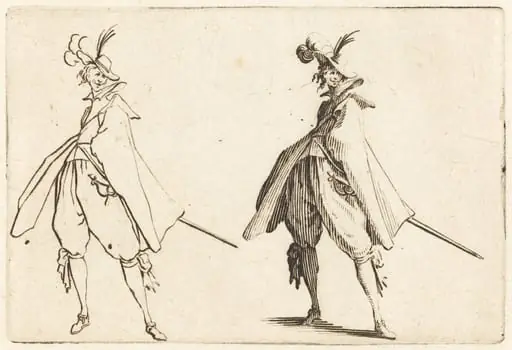 Gentleman in Large Mantle, Front View
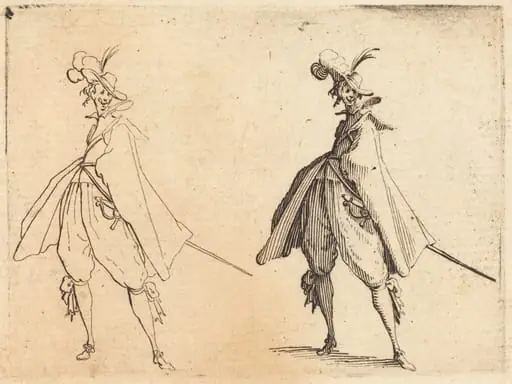 Gentleman in Large Mantle, Front View
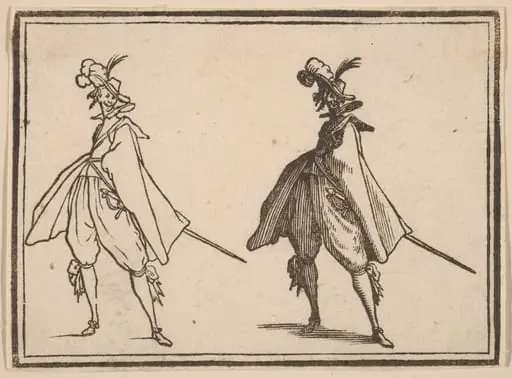 Gentleman in a Large Mantle, Front View
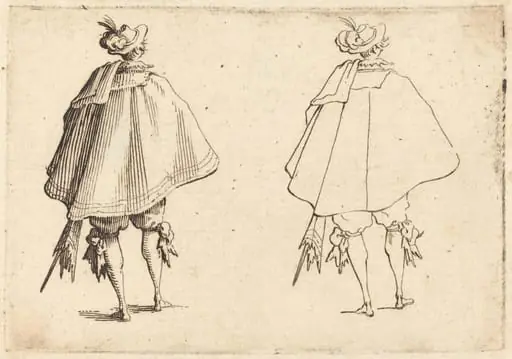 Gentleman in Large Mantle, Seen from Behind
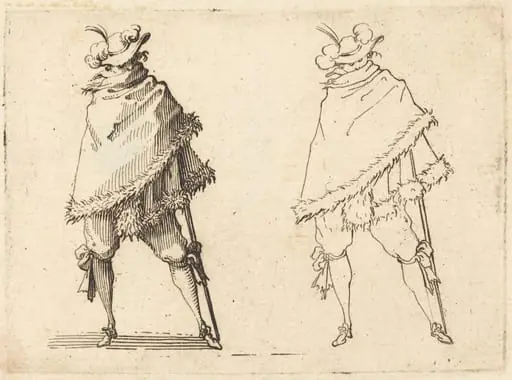 Man Wrapped in His Mantle
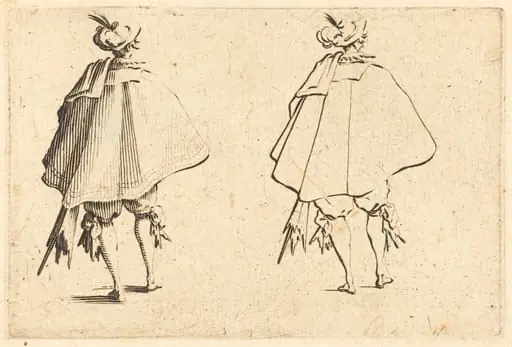 Gentleman in Large Mantle, Seen from Behind
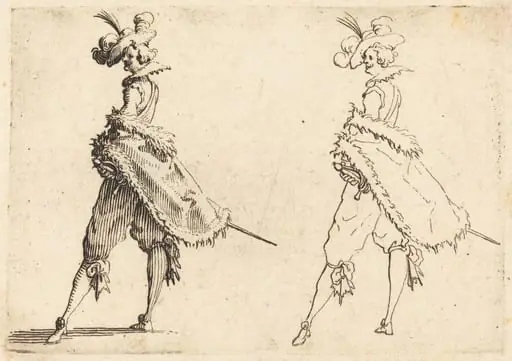 Gentleman Viewed from the Side
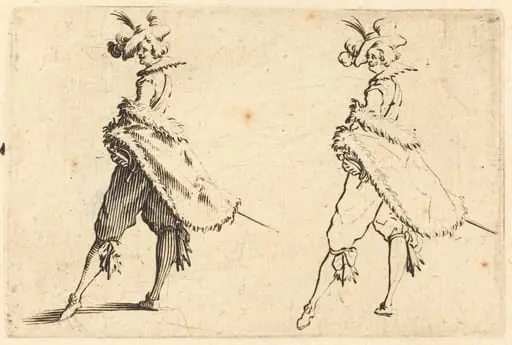 Gentleman Viewed from the Side
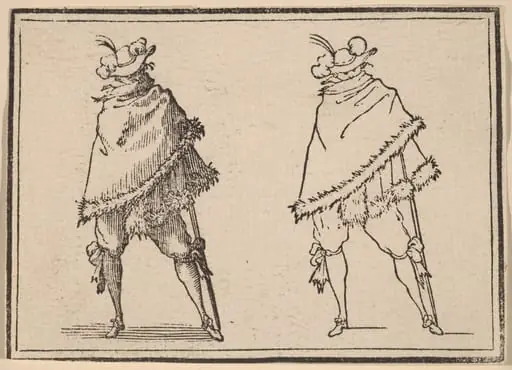 Gentleman Wrapped in his Mantle
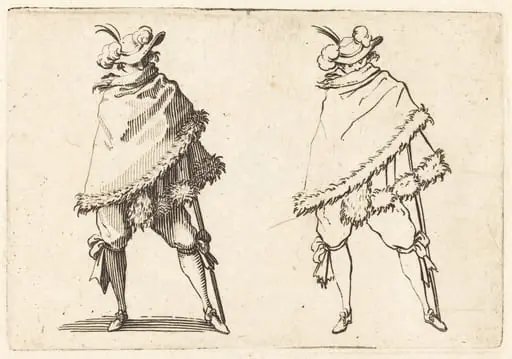 Man Wrapped in His Mantle
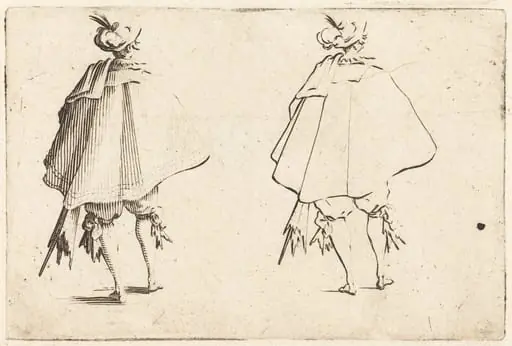 Gentleman in Large Mantle, Seen from Behind
 Gentleman Viewed from the Side