Artwork
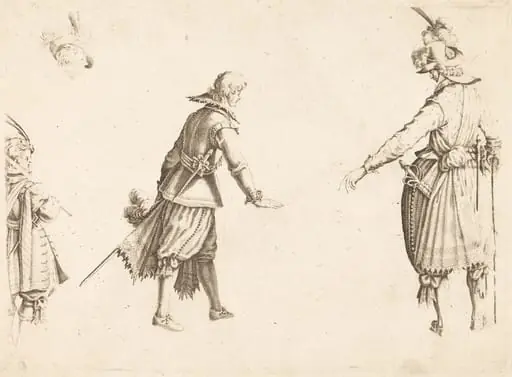
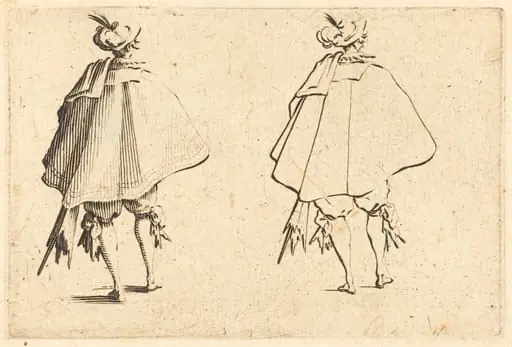
Gentleman and His Page
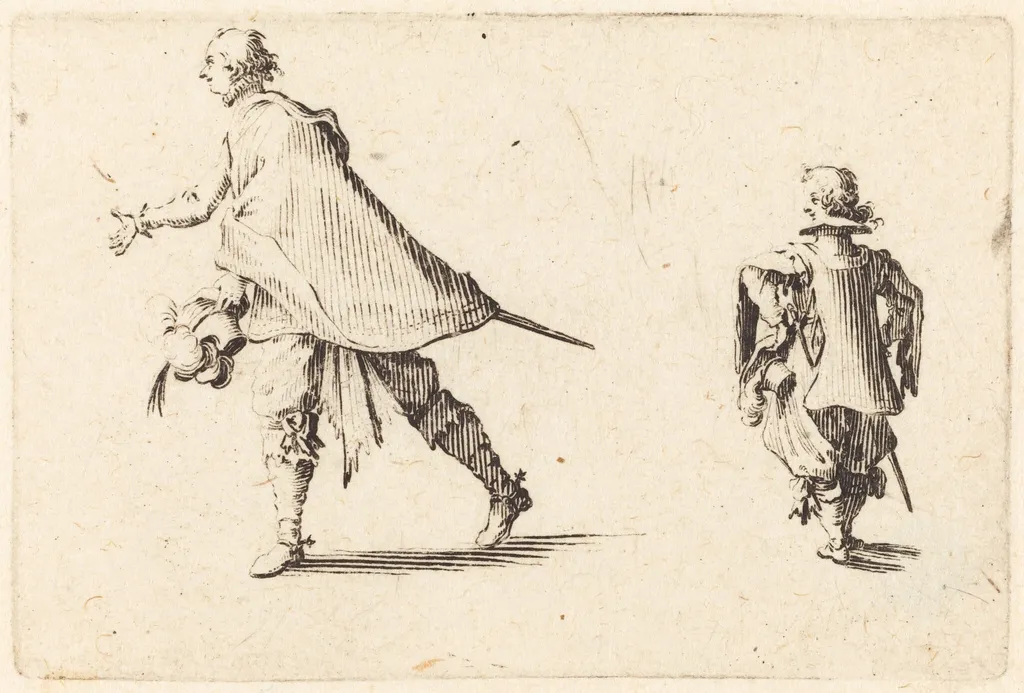
Gentleman and His Page is an ink print by the Baroque artist Jacques Callot. It dates from 1622 and is held in the collection of the National Gallery of Art.
About this work
Overview
Gentleman and His Page is an etching on laid paper created by French baroque printmaker Jacques Callot around 1622. Characteristic of Callot's prolific output of over 1,400 etchings, this work captures a moment of everyday life with meticulous detail.
Subject & Meaning
The etching depicts two figures, presumably a gentleman and his attendant, in traditional attire, conveying a sense of courtly or aristocratic life. The scene offers a glimpse into the social dynamics of Callot's time, with the gentleman in motion and the page standing attentively behind.
Technique & Style
Executed using the etching technique, the work showcases Callot's mastery of scratching into a metal plate to achieve sharp lines and layered shadows. The result is a composition with crisp, detailed renderings of the subjects' clothing and the subtle suggestion of depth.
History & Provenance
Created circa 1622, Gentleman and His Page is part of Callot's extensive corpus of prints that blended observational realism with narrative elements. The specific provenance of this etching is not detailed here, reflecting the broader documentation of Callot's oeuvre.
Context
This etching reflects Callot's interest in documenting the lifestyles and types of his era, from court life to various social classes, set against the backdrop of 17th-century Lorraine and France.
Legacy
As part of Callot's vast and detailed body of work, Gentleman and His Page contributes to the artist's legacy as a chronicler of baroque life, influencing subsequent generations with his technical skill and observational insight.
Artist & collection
Artist
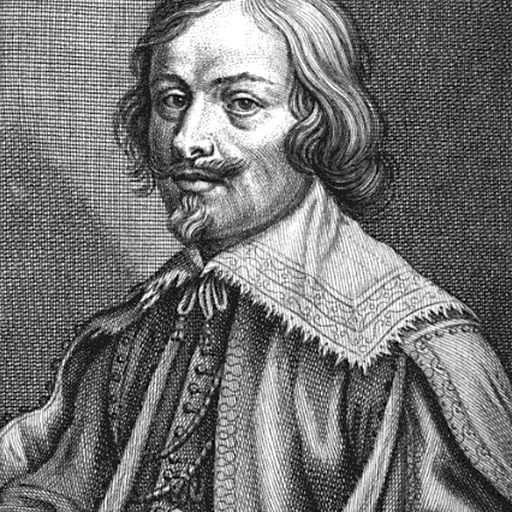
Jacques Callot was a baroque printmaker and draftsman from the Duchy of Lorraine.

 Holy Family at supper
 Restoration of the Aqueduct at Pisa
 Restoration of the Aqueduct at Pisa
 Square in Paris with Many Figures
 Square in Paris with Many Figures
 Horsemen Attacked by Robbers
 HOW WILL A COVERED PART BE CORRECTED?HOW WIKA A COVERED HEART DEED CORRECTED?
![Christ Walking on the Water [second plate], by Jacques Callot](https://artifactworldgallery.com/img/jacques-callot--christ-walking-on-the-water-second-plate--2069f3bfe4cb2126-w320.webp) Christ Walking on the Water [second plate]
Christ Walking on the Water [second plate]