Artwork
Il Solimano, Act I
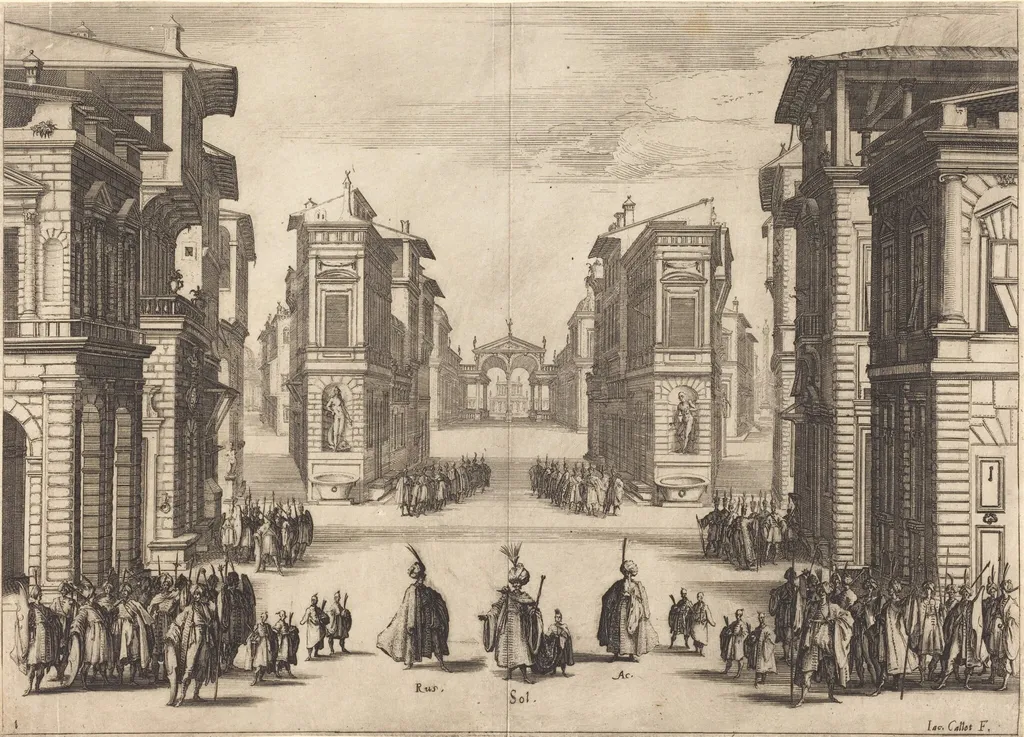
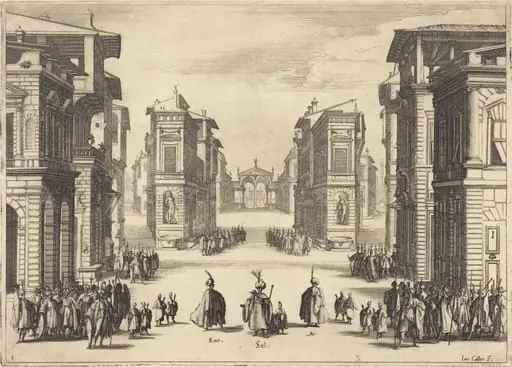
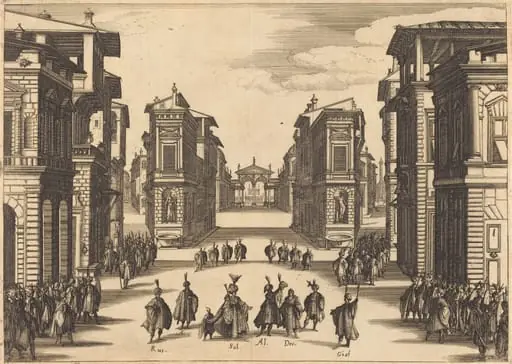
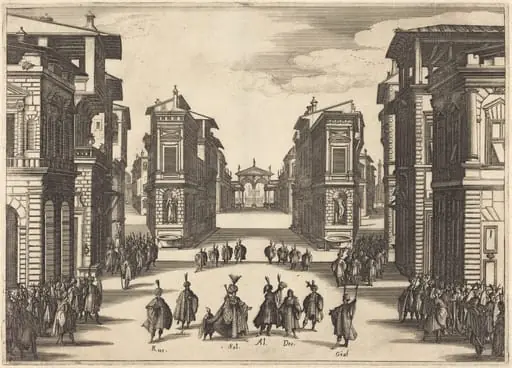
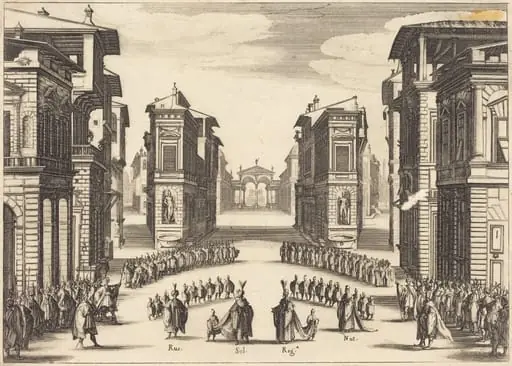
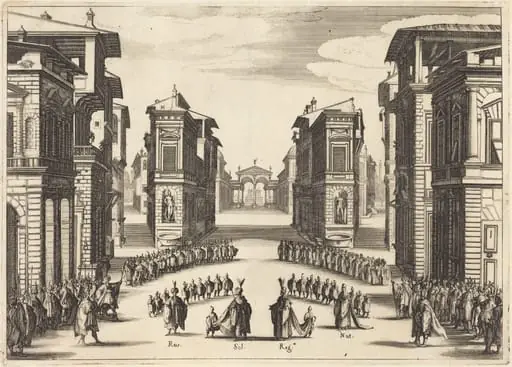
Il Solimano, Act I is an ink print by the Baroque artist Jacques Callot. It dates from 1620 and is held in the collection of the National Gallery of Art.
About this work
Overview
The work belongs to Callot’s prolific early‑century output, which exceeds a thousand prints and spans subjects from courtly pageantry to military episodes.
Created in 1620 by the Lorraine-born printmaker Jacques Callot, *Il Solimano, Act I* is an etched and engraved image on laid paper. The work belongs to Callot’s prolific early‑century output, which exceeds a thousand prints and spans subjects from courtly pageantry to military episodes. This particular piece illustrates his skill in combining narrative detail with a finely controlled print technique.
Subject & Meaning
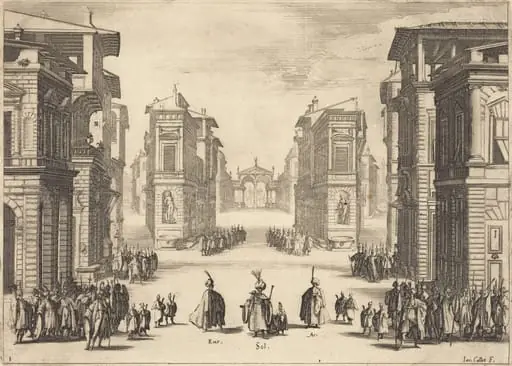
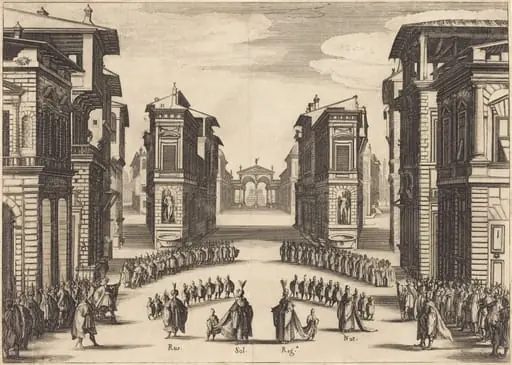
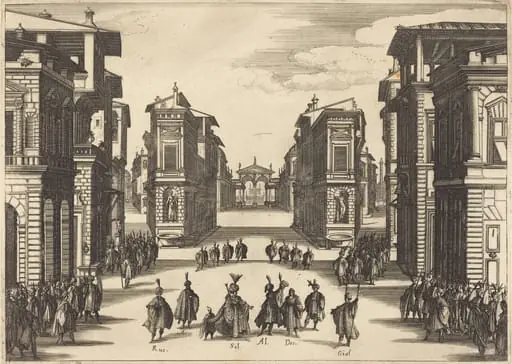
The composition depicts a theatrical setting reminiscent of a baroque stage: towering, vacant structures frame two raised platforms bearing statues in flowing robes. Below, a bustling assemblage of figures in period dress moves and converses, while three prominently dressed men—one turbaned, one in a feather‑capped robe, and one in a dark coat—draw the viewer’s focus. The arrangement suggests a dramatized historical or allegorical scene, possibly linked to the legendary Sultan Suleiman.
Technique & Style
Callot employed both etching and engraving, allowing him to render delicate line work alongside deeper, richer shadows. The use of laid paper contributes a subtle texture that enhances the illusion of depth, especially in the receding architectural elements. His meticulous cross‑hatching creates a sense of three‑dimensional space, while the precise incisions define the intricate costumes and crowd dynamics.
History & Provenance
The print emerged during Callot’s early period, when he was establishing a reputation for innovative printmaking in the French Baroque. Though specific ownership records are scarce, the work is documented in several 17th‑century collections and has been cited in scholarly catalogues of Callot’s oeuvre, confirming its authenticity and place within his series of narrative prints.
Context
*Il Solomano, Act I* exemplifies Callot’s contribution to the evolution of old‑master printmaking, bridging the gap between purely illustrative etchings and complex, story‑driven compositions. His ability to convey crowded scenes with architectural grandeur influenced later artists such as Rembrandt and Piranesi, who adopted similar techniques to populate their prints with vivid human activity.
Artist & collection
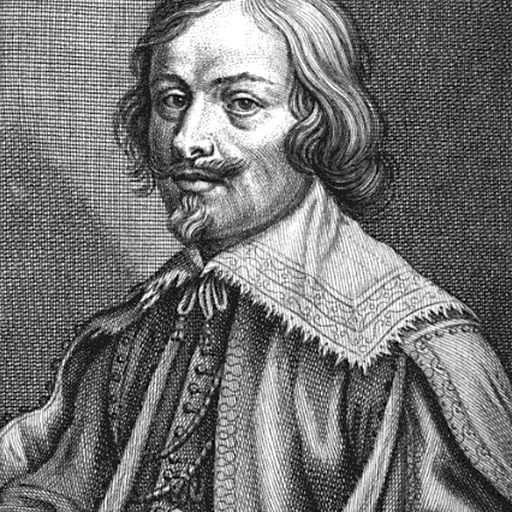
Artist
Jacques Callot was a baroque printmaker and draftsman from the Duchy of Lorraine.

 Holy Family at supper
 Restoration of the Aqueduct at Pisa
 Restoration of the Aqueduct at Pisa
 Square in Paris with Many Figures
 Square in Paris with Many Figures
 Horsemen Attacked by Robbers
 HOW WILL A COVERED PART BE CORRECTED?HOW WIKA A COVERED HEART DEED CORRECTED?
![Christ Walking on the Water [second plate], by Jacques Callot](https://artifactworldgallery.com/img/jacques-callot--christ-walking-on-the-water-second-plate--2069f3bfe4cb2126-w320.webp) Christ Walking on the Water [second plate]
Christ Walking on the Water [second plate]