Artwork
One-Eyed Woman
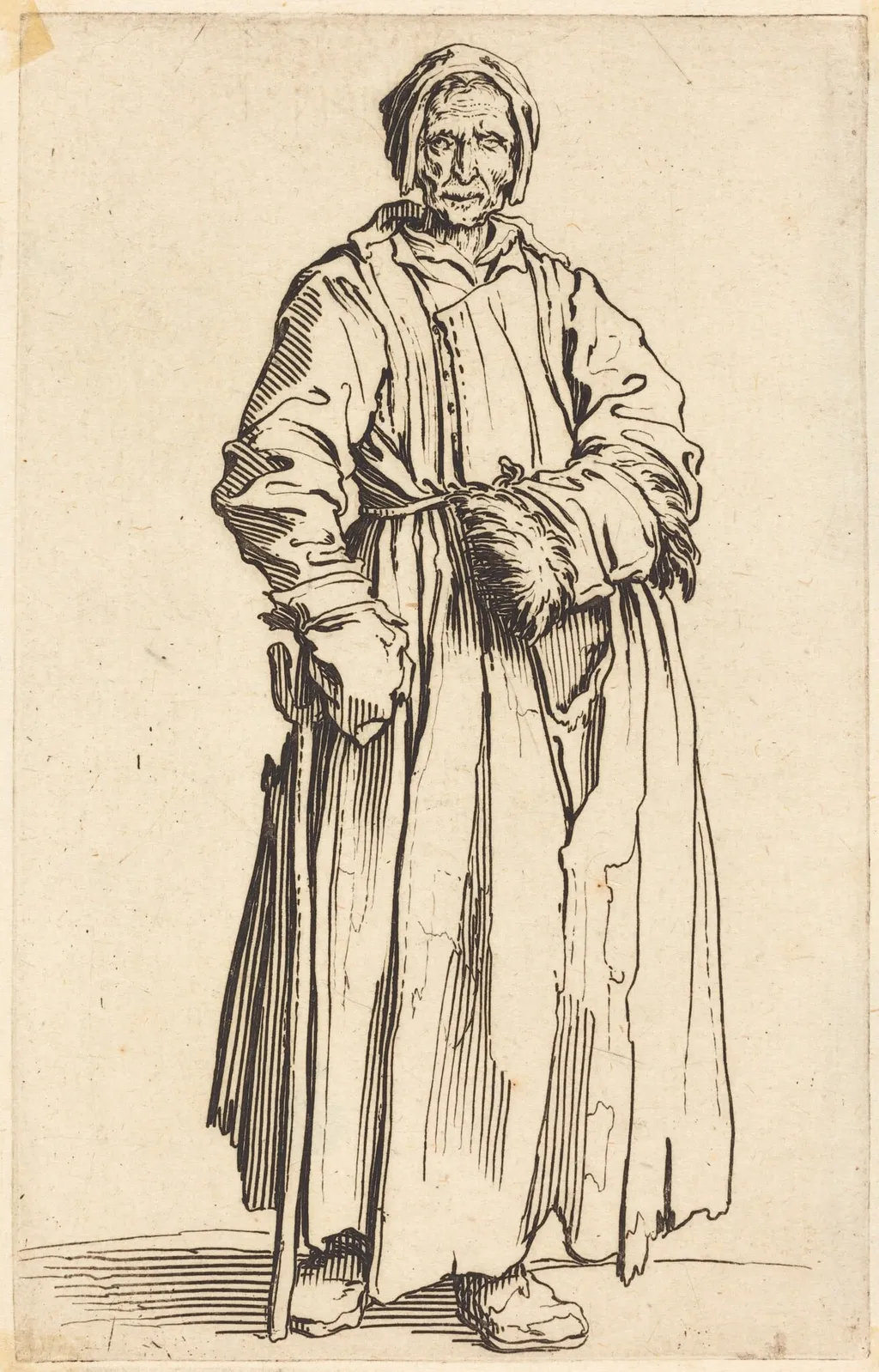
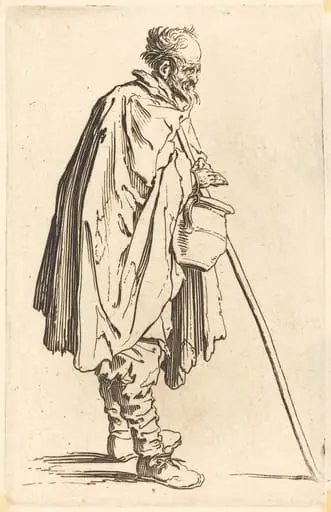
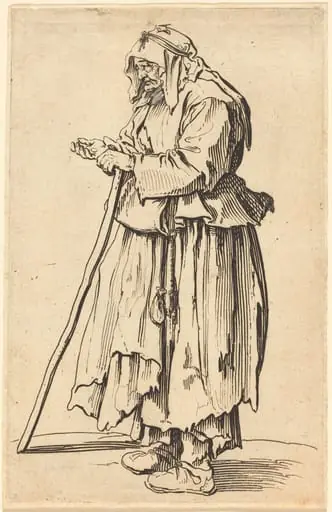
One-Eyed Woman is an ink print by the Baroque artist Jacques Callot. It dates from 1622 and is held in the collection of the National Gallery of Art.
About this work
Overview
This piece belongs to his broader series of character studies, focusing on marginalized individuals with observational precision rather than idealization.
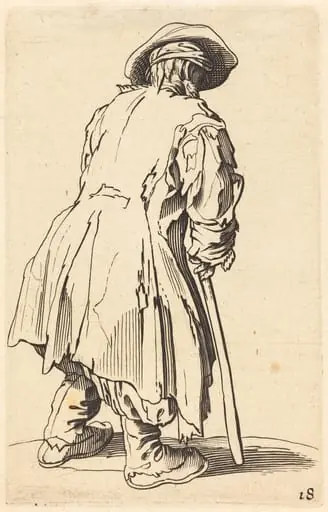
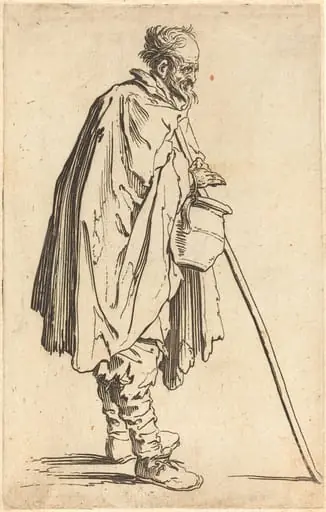
Created around 1622 by Jacques Callot, *One-Eyed Woman* is an etching on laid paper that captures a solitary elderly figure with quiet dignity. Callot, a prolific printmaker from the Duchy of Lorraine, produced over a thousand works documenting everyday life in early 17th-century Europe. This piece belongs to his broader series of character studies, focusing on marginalized individuals with observational precision rather than idealization.
Subject & Meaning
The subject is an aging woman, her face marked by deep wrinkles and the absence of one eye, suggesting hardship or injury. She wears a modest coat, her head covered, and carries a walking stick and a bundled possession—signs of poverty and resilience. The image avoids sentimentality, presenting her as a real person within the social fabric of the time, embodying the quiet endurance of those on society’s margins.
Technique & Style
Callot employed fine etching lines to render texture in the woman’s clothing, skin, and hair, achieving a tactile realism. The use of laid paper enhanced the subtle tonal gradations possible with the medium. His precise, controlled burin work recalls the chiaroscuro effects of Rembrandt, though Callot’s approach remains more documentary, emphasizing form and detail over dramatic lighting or emotional intensity.
History & Provenance
The etching emerged during Callot’s most active period in Nancy and Paris, when he was documenting urban and rural life for a growing market of collectors. While its early ownership is unrecorded, it aligns with a wave of interest in genre scenes among European patrons. The work has since entered institutional collections, preserved as part of Callot’s significant contribution to printmaking history.
Context
In early 17th-century Europe, etchings like this circulated widely as affordable images of social types. Callot’s focus on beggars, soldiers, and the elderly reflected both humanist curiosity and the impact of war and economic instability. His work stood apart from courtly portraiture, offering instead a grounded view of ordinary lives during a turbulent era marked by the Thirty Years’ War.
Legacy
Callot’s *One-Eyed Woman* exemplifies the rise of the individual portrait in print, influencing later artists who sought to depict social reality with empathy. Though not widely exhibited in his lifetime as a standalone work, it contributes to his enduring reputation as a keen observer of human condition. The etching remains a reference point in studies of early modern graphic art and social documentation.
Artist & collection
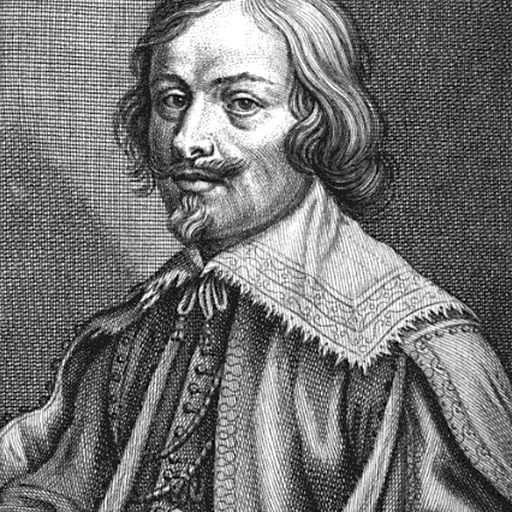
Artist
Jacques Callot was a baroque printmaker and draftsman from the Duchy of Lorraine.

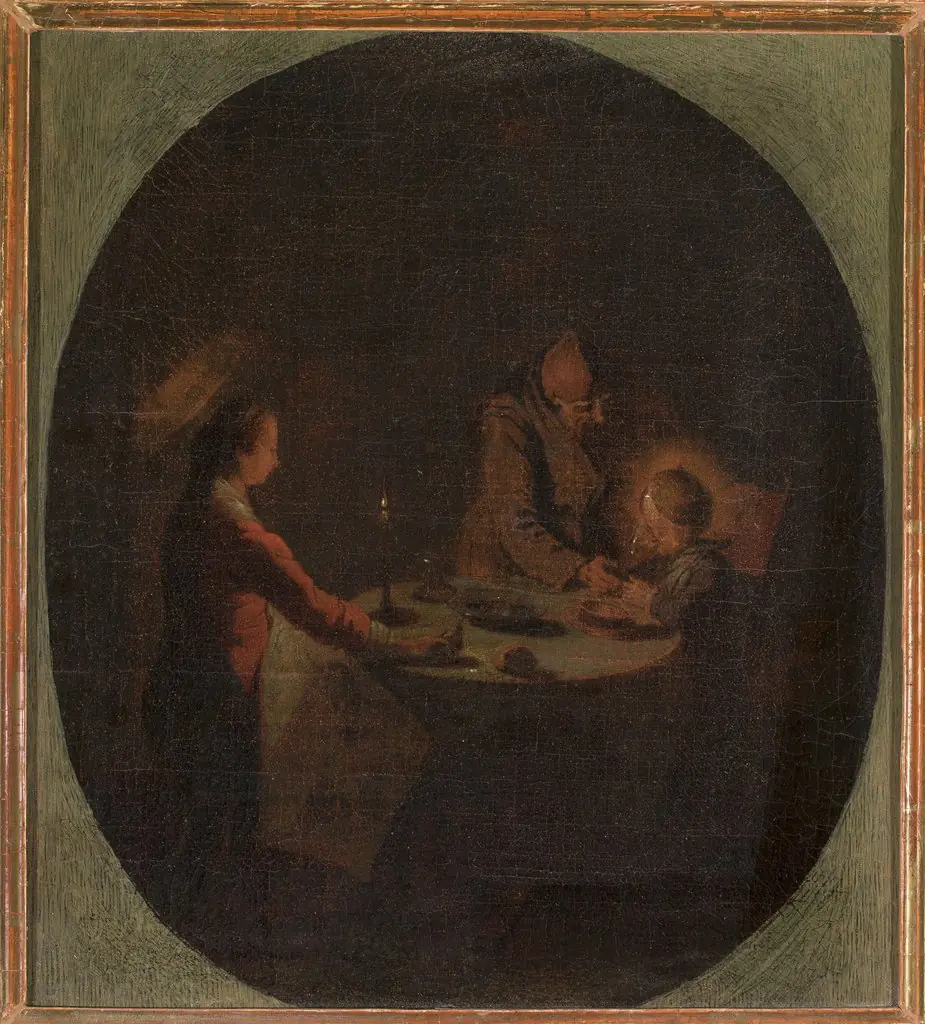 Holy Family at supper
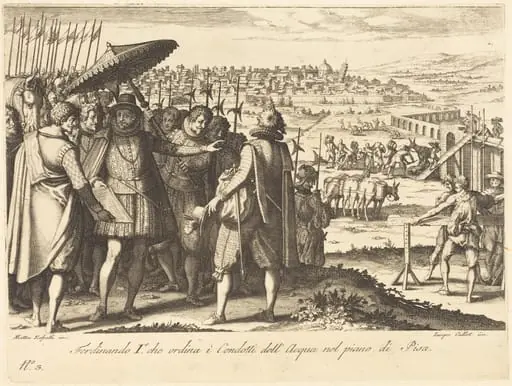 Restoration of the Aqueduct at Pisa
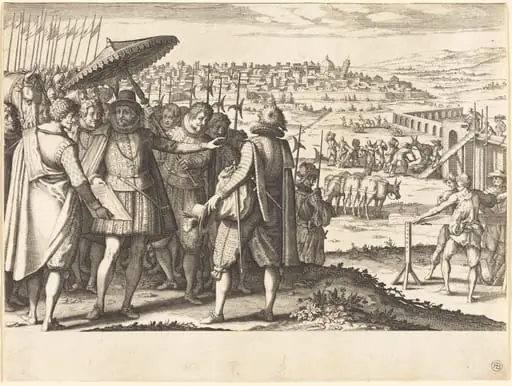 Restoration of the Aqueduct at Pisa
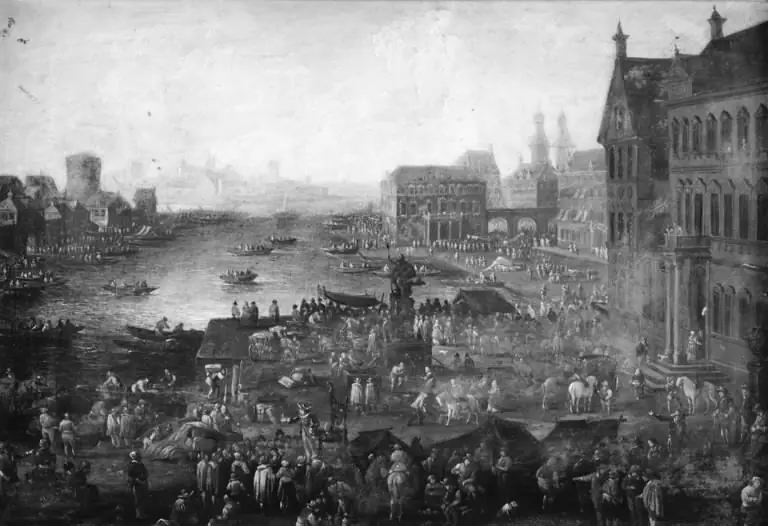 Square in Paris with Many Figures
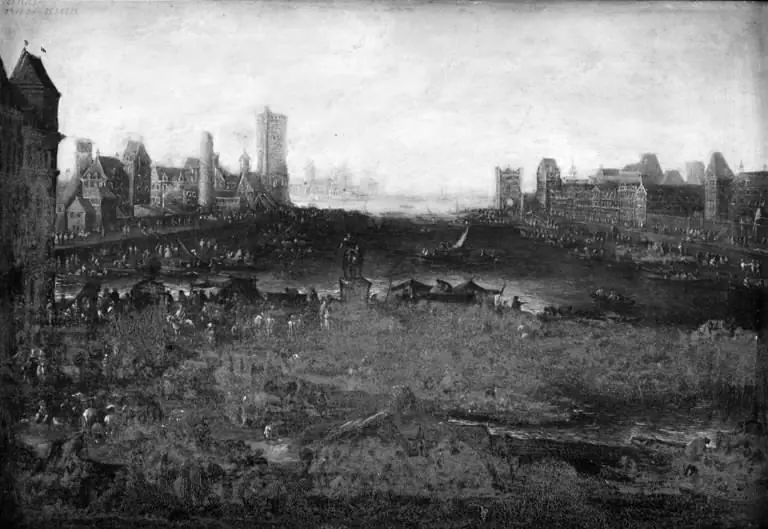 Square in Paris with Many Figures
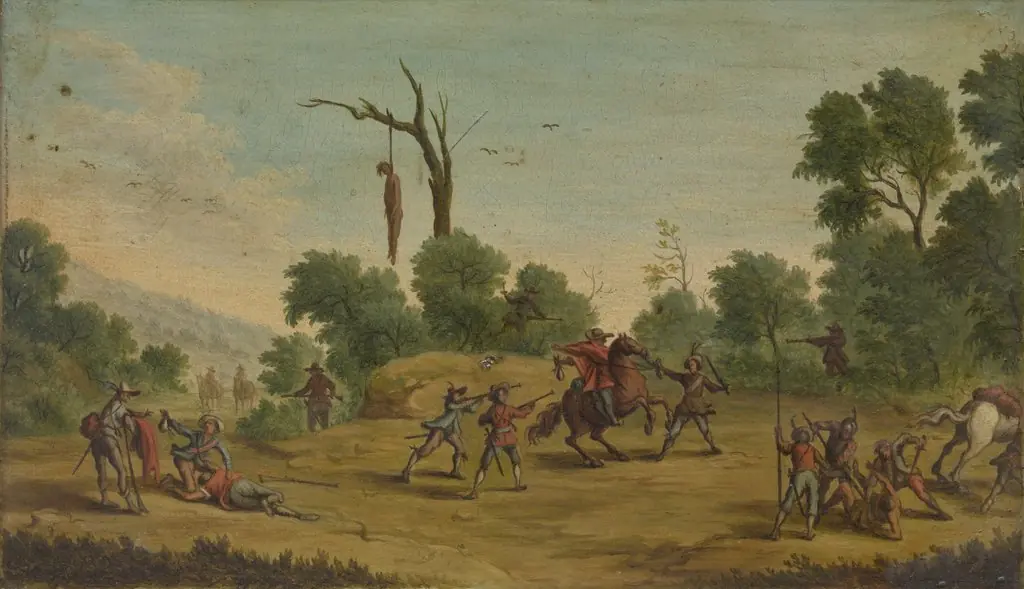 Horsemen Attacked by Robbers
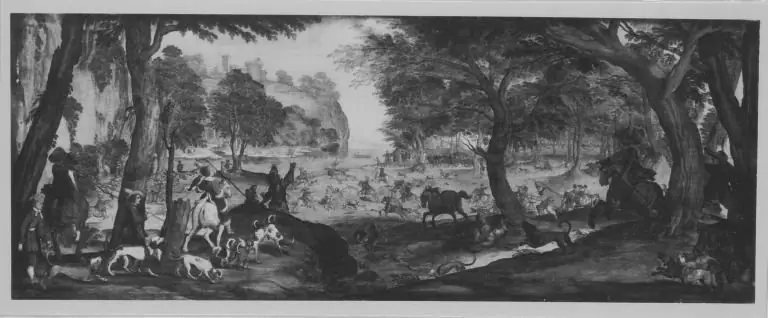 HOW WILL A COVERED PART BE CORRECTED?HOW WIKA A COVERED HEART DEED CORRECTED?
![Christ Walking on the Water [second plate], by Jacques Callot](https://artifactworldgallery.com/img/jacques-callot--christ-walking-on-the-water-second-plate--2069f3bfe4cb2126-w320.webp) Christ Walking on the Water [second plate]
Christ Walking on the Water [second plate]