Artwork
Peasant Couple with Cow
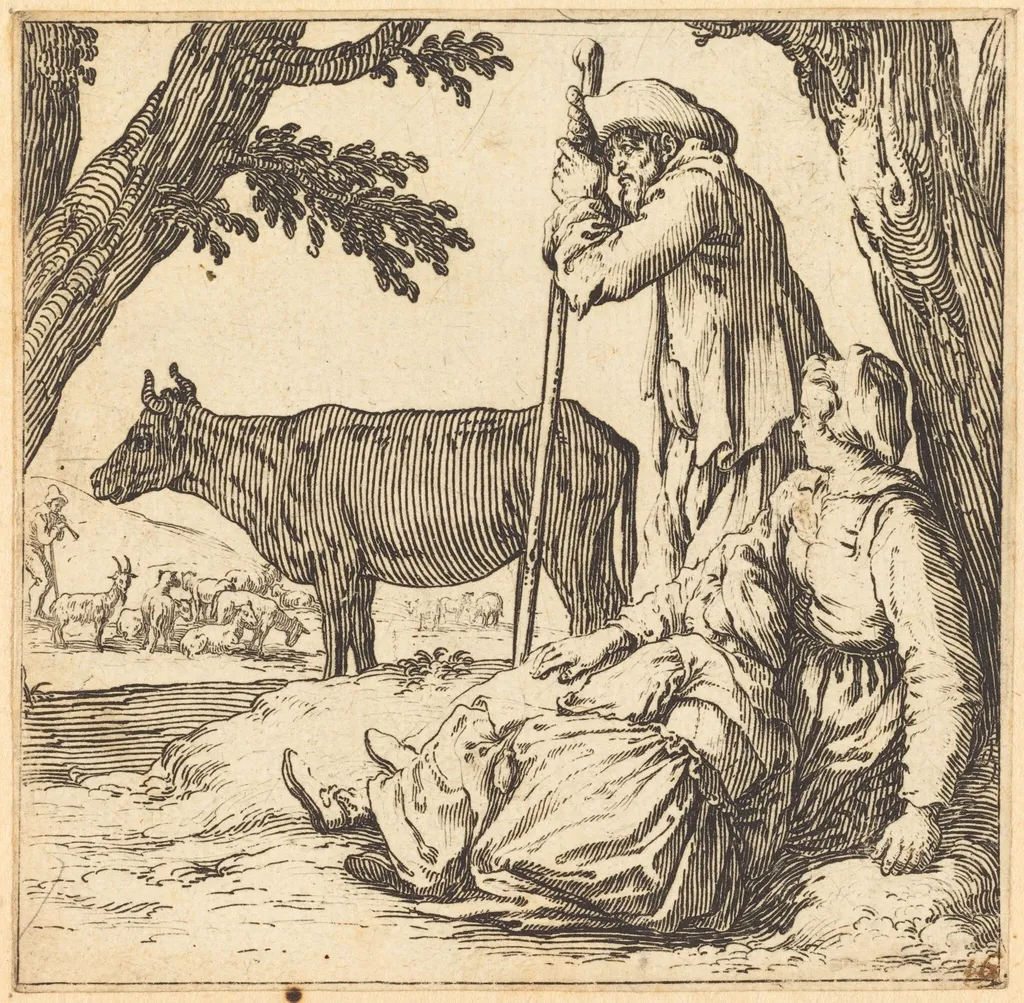
Peasant Couple with Cow is an ink print by the Baroque artist Jacques Callot. It dates from 1621 and is held in the collection of the National Gallery of Art.
About this work
Overview
This piece stands as a quiet example of his commitment to observing and recording the daily existence of peasants, far from courtly or religious themes.
Created around 1621, this etching on laid paper by Jacques Callot belongs to a series of works documenting rural life in early 17th-century France. As a prolific printmaker from the Duchy of Lorraine, Callot produced over a thousand etchings, many centered on ordinary people. This piece stands as a quiet example of his commitment to observing and recording the daily existence of peasants, far from courtly or religious themes.
Subject & Meaning
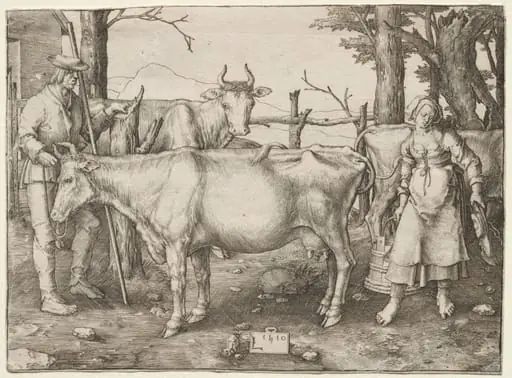
The scene depicts a weary peasant man leaning on a staff beside a large cow, while a woman kneels nearby, cradling an infant with another child clinging to her leg. Behind them, sheep graze beneath a leafless tree. The composition conveys exhaustion and quiet endurance, not idealization. The figures’ postures and the barren landscape suggest the physical toll of agricultural labor, offering a candid glimpse into rural hardship without sentimentality.
Technique & Style
Callot employed fine, controlled etching lines to render texture with precision—the coarse weave of woolen garments, the shaggy hide of the cow, the skeletal branches of the tree. His use of dense cross-hatching and sharp contours gives weight and volume to the figures, while the absence of tonal gradation emphasizes form through line alone. The composition is deliberately unadorned, focusing attention on the figures’ physical presence and their relationship to the land.
History & Provenance
The print was made during Callot’s mature period in Nancy, after his return from Italy and before his later, more elaborate series on war. It likely circulated among collectors and artisans who valued his depictions of common life. No specific early ownership records are documented, but similar works from this period were widely disseminated through print markets in France and the Low Countries, contributing to his reputation as a chronicler of the lower classes.
Context
In the early 1600s, as religious and aristocratic subjects dominated painting, Callot turned to the margins of society for inspiration. His etchings responded to growing interest in realism and social observation, influenced by Flemish genre scenes and the rise of print culture. This work reflects a broader European shift toward documenting the lives of laborers, not as symbols but as individuals shaped by their environment and labor.
Legacy
Callot’s peasant scenes influenced later generations of printmakers who sought to portray everyday life with dignity and precision. Though not widely exhibited in his lifetime as standalone works, these etchings formed a foundational corpus for the genre tradition in Northern European art. His technical mastery and unembellished gaze helped legitimize ordinary subjects as worthy of artistic attention beyond mere anecdote.
Own this work as a print
Artist & collection
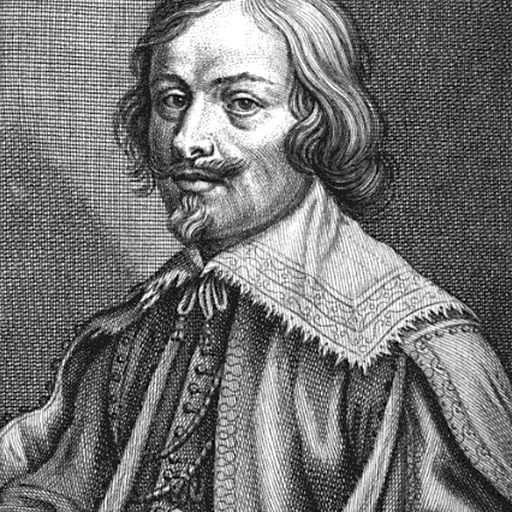
Artist
Jacques Callot was a baroque printmaker and draftsman from the Duchy of Lorraine.

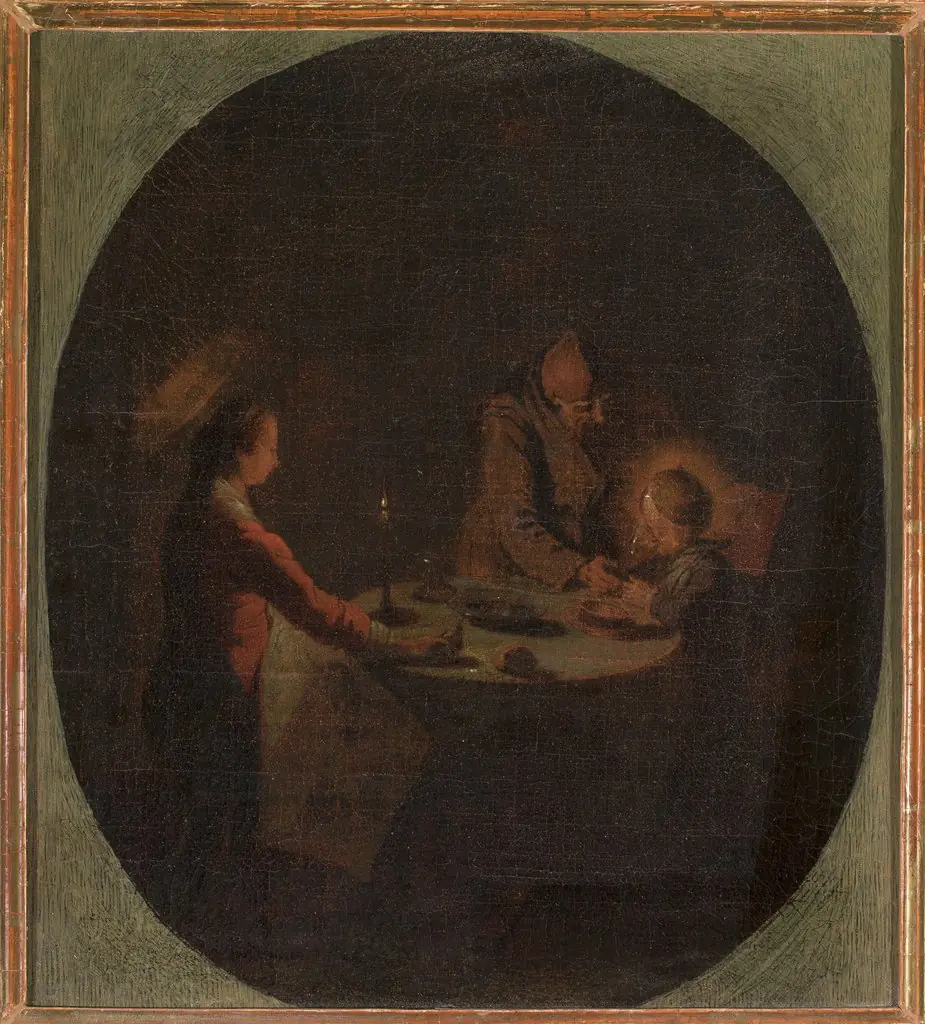 Holy Family at supper
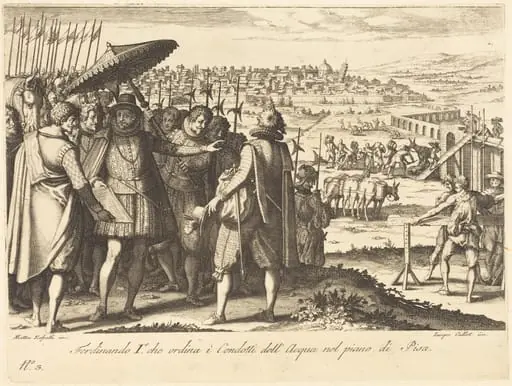 Restoration of the Aqueduct at Pisa
 Restoration of the Aqueduct at Pisa
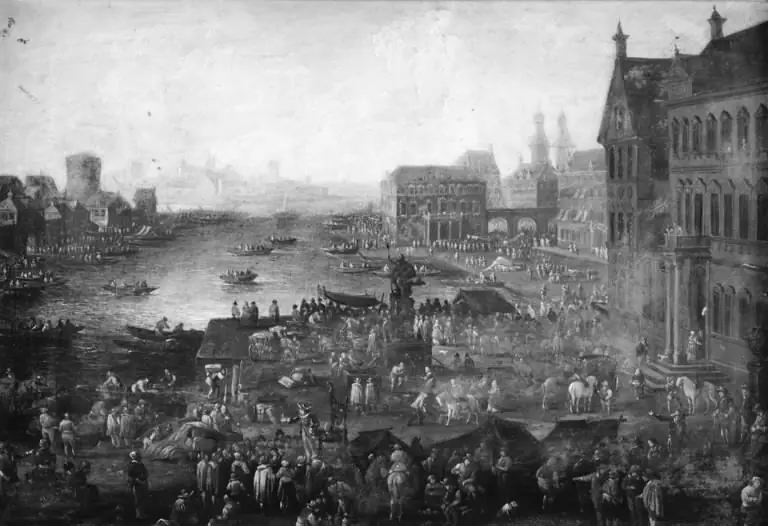 Square in Paris with Many Figures
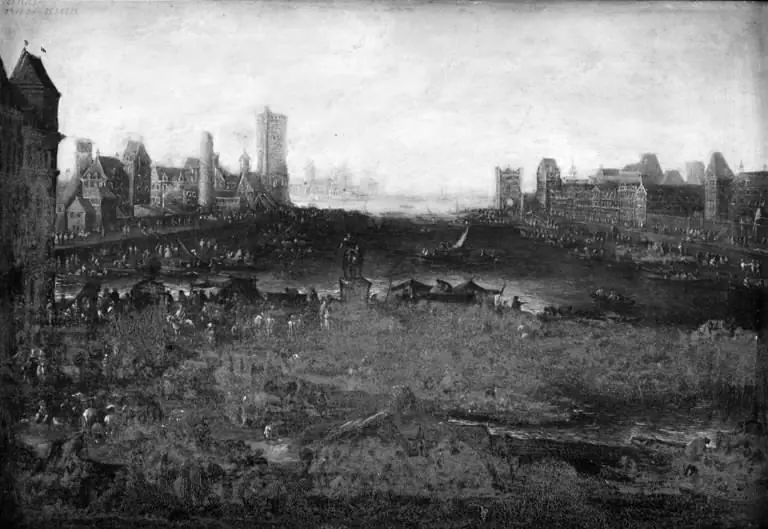 Square in Paris with Many Figures
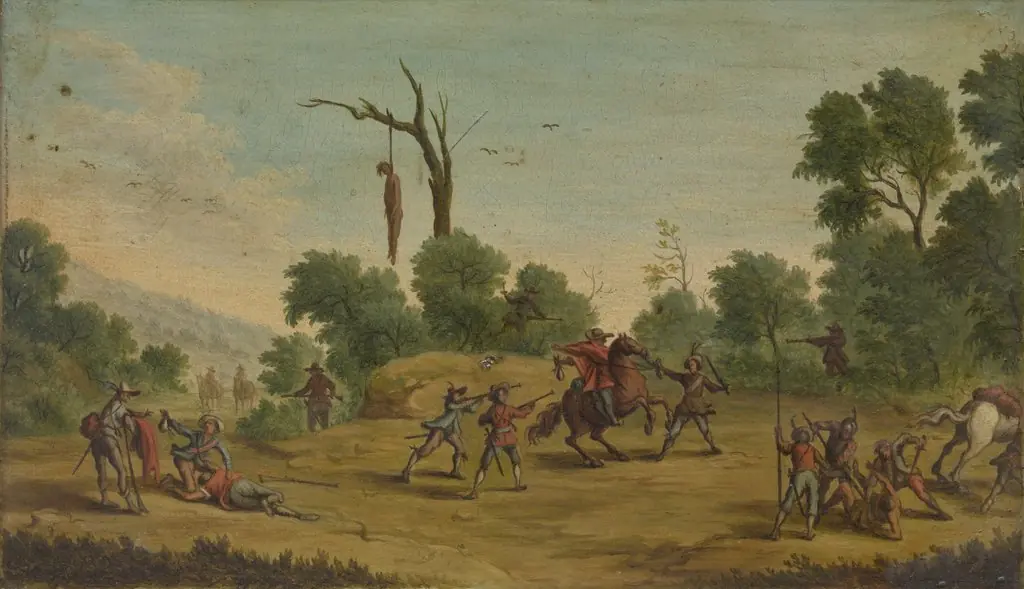 Horsemen Attacked by Robbers
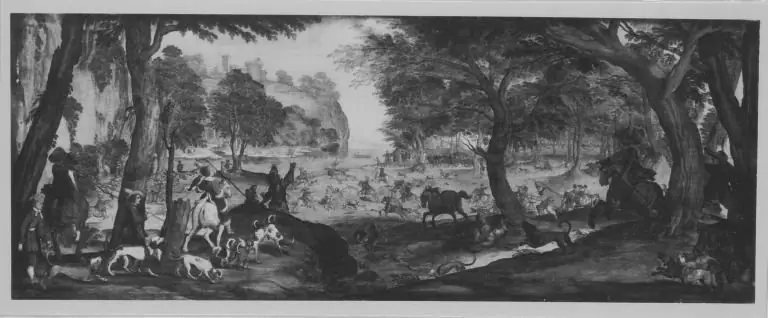 HOW WILL A COVERED PART BE CORRECTED?HOW WIKA A COVERED HEART DEED CORRECTED?
![Christ Walking on the Water [second plate], by Jacques Callot](https://artifactworldgallery.com/img/jacques-callot--christ-walking-on-the-water-second-plate--2069f3bfe4cb2126-w320.webp) Christ Walking on the Water [second plate]
Christ Walking on the Water [second plate]