Artwork
Piazza del Duomo, Florence
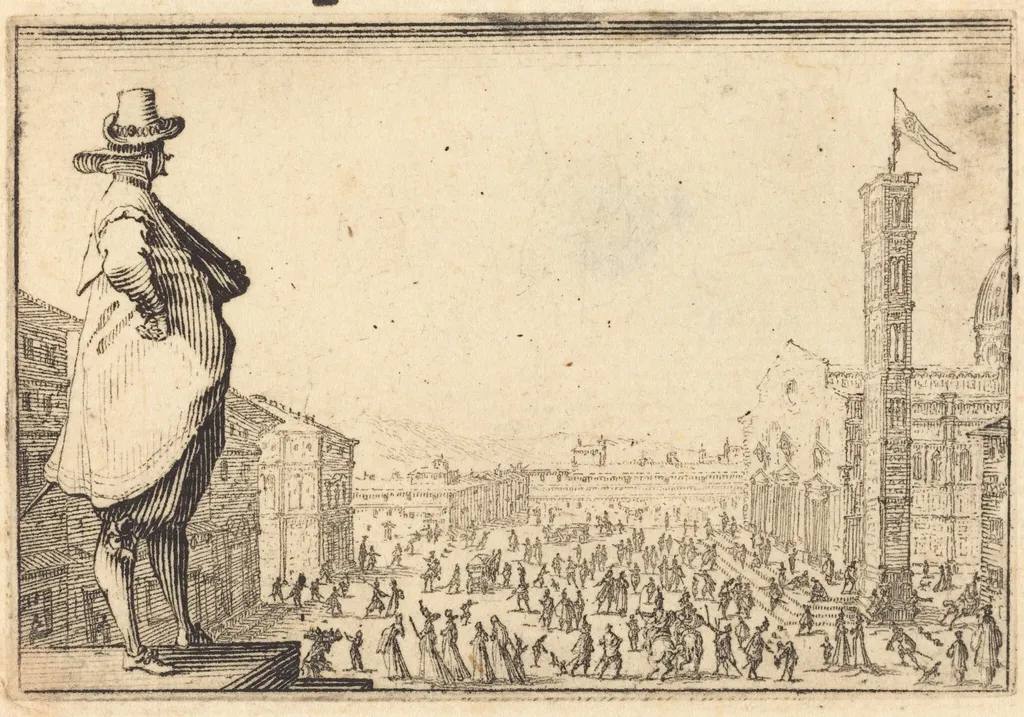
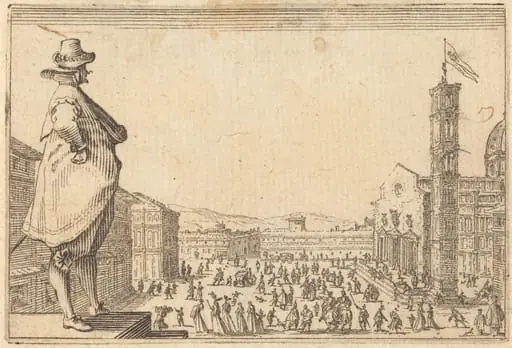
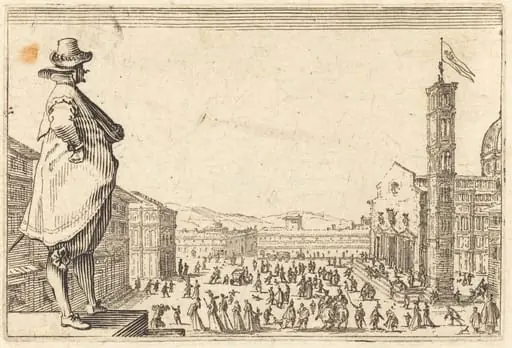
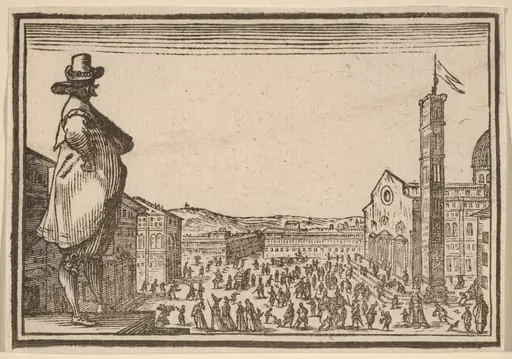
Piazza del Duomo, Florence is an ink print by the Baroque artist Jacques Callot. It dates from 1617 and is held in the collection of the National Gallery of Art.
About this work
Overview
The print offers a compact, bird‑eye view of Florence’s cathedral square, rendered in the fine, precise lines characteristic of Callot’s hand.
Jacques Callot’s *Piazza del Duomo, Florence* (c. 1617) is an etching executed on laid paper. The print offers a compact, bird‑eye view of Florence’s cathedral square, rendered in the fine, precise lines characteristic of Callot’s hand. Measuring roughly a modest size, the work captures the architectural and human activity of the space with a clarity that reflects the artist’s meticulous approach to printmaking.
Subject & Meaning
The scene presents a bustling urban plaza dominated by a slender tower on the right side of the composition. A crowd of pedestrians moves across the cobbles, while a solitary woman in a wide skirt and hat pauses in the foreground, gazing downward. The simplified façades, doors and windows suggest a functional cityscape rather than a romanticized view, emphasizing everyday life in early‑17th‑century Florence.
Technique & Style
Callot employed the etching process, incising his design into a copper plate with a needle before immersing it in acid to bite the lines. This method allowed him to achieve the delicate, tightly controlled strokes that define the print’s architectural details and crowded figures. The use of laid paper, with its faint ribbed texture, further enhances the crispness of the lines and the overall tonal subtlety.
History & Provenance
Born around 1592 in the Duchy of Lorraine, Callot was a prolific French baroque printmaker whose output exceeds 1,400 etchings. *Piazza del Duomo* reflects his habit of documenting contemporary scenes encountered during his travels. The work entered collections of European print enthusiasts in the 18th century and is now held by several major museums that specialize in early modern graphic art.
Context
During the early 1600s, Florence’s cathedral square served as a focal point for civic and religious gatherings. Callot’s depiction aligns with a broader trend among Northern European artists to record urban environments with empirical precision, offering viewers a visual record of the city’s spatial organization and social dynamics.
Legacy
Callot’s systematic approach to etching influenced subsequent generations of printmakers, notably in the development of detailed topographical and genre prints. His ability to combine technical exactness with lively human presence set a standard for later artists seeking to document city life through the medium of print.
Artist & collection
Artist
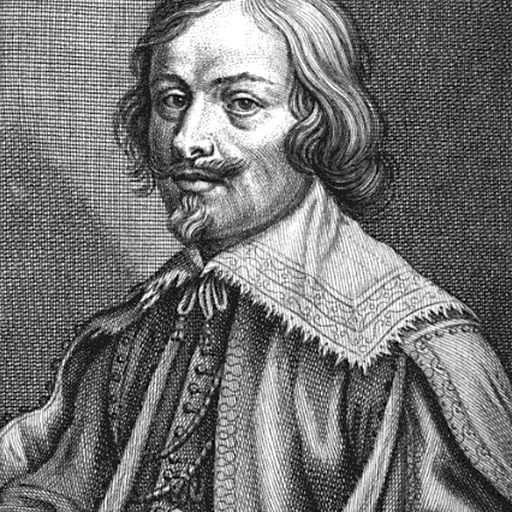
Jacques Callot was a baroque printmaker and draftsman from the Duchy of Lorraine.

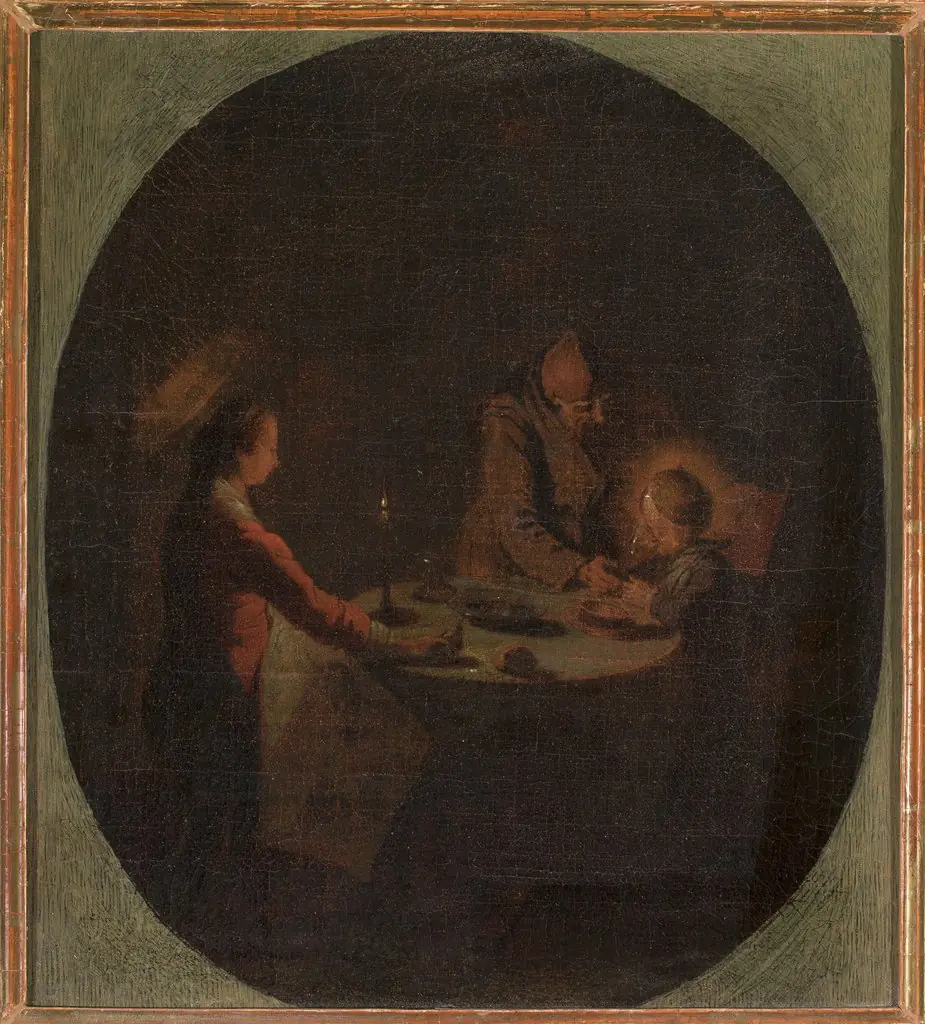 Holy Family at supper
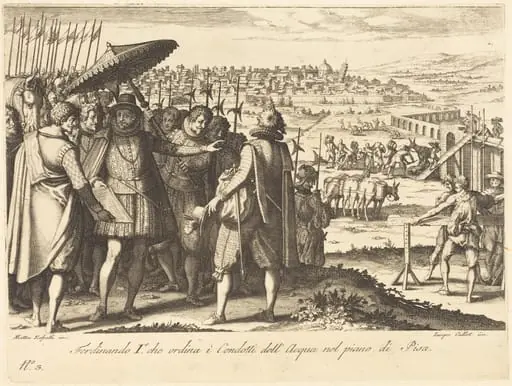 Restoration of the Aqueduct at Pisa
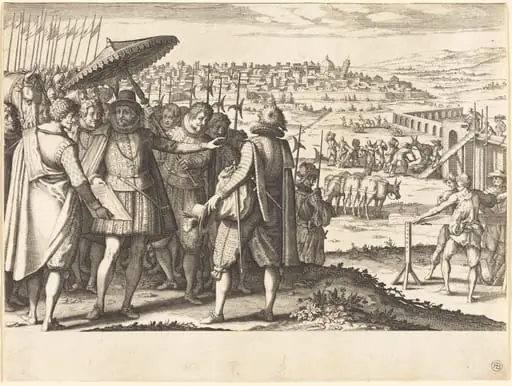 Restoration of the Aqueduct at Pisa
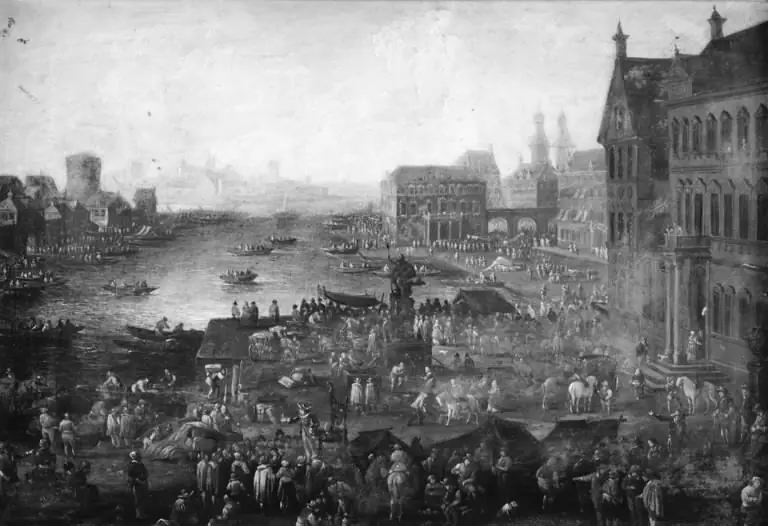 Square in Paris with Many Figures
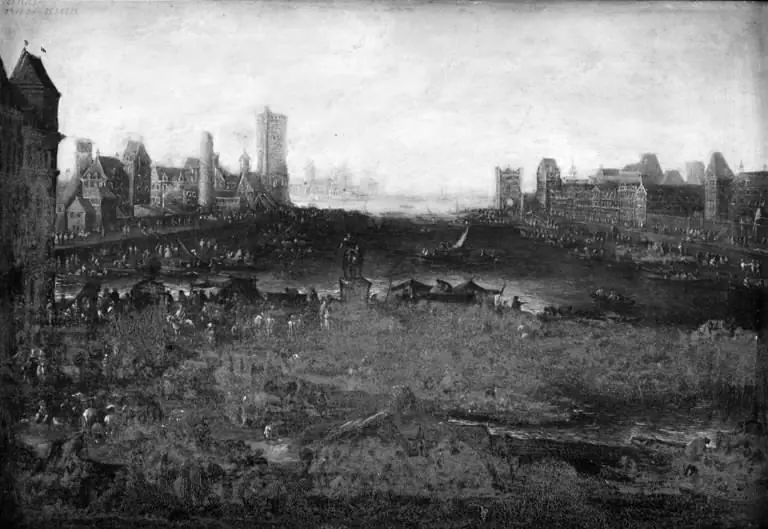 Square in Paris with Many Figures
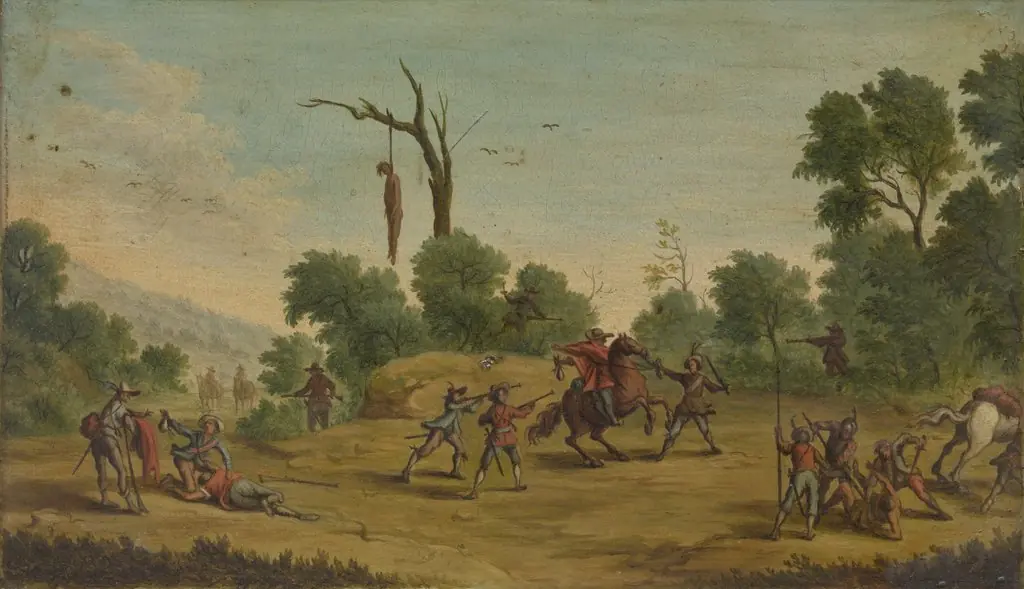 Horsemen Attacked by Robbers
 HOW WILL A COVERED PART BE CORRECTED?HOW WIKA A COVERED HEART DEED CORRECTED?
![Christ Walking on the Water [second plate], by Jacques Callot](https://artifactworldgallery.com/img/jacques-callot--christ-walking-on-the-water-second-plate--2069f3bfe4cb2126-w320.webp) Christ Walking on the Water [second plate]
Christ Walking on the Water [second plate]
 Piazza del Duomo, Florence
 Piazza del Duomo, Florence
 Piazza del Duomo, Florence
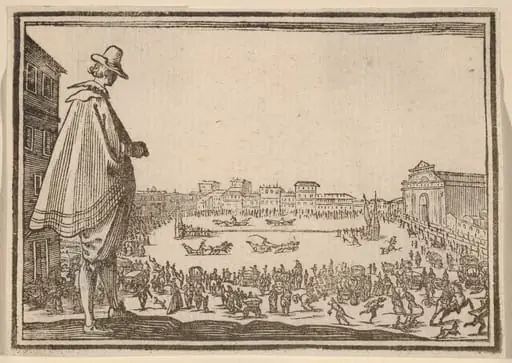 Piazza Santa Maria Novella, Florence
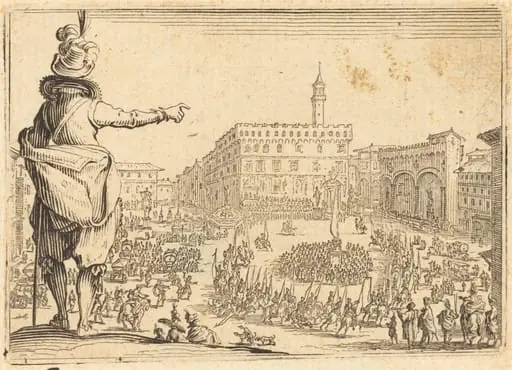 Piazza della Signoria, Florence
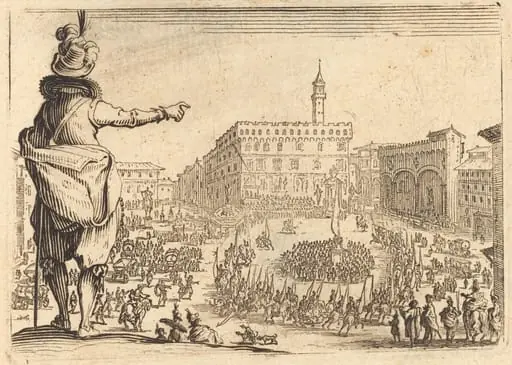 Piazza della Signoria, Florence
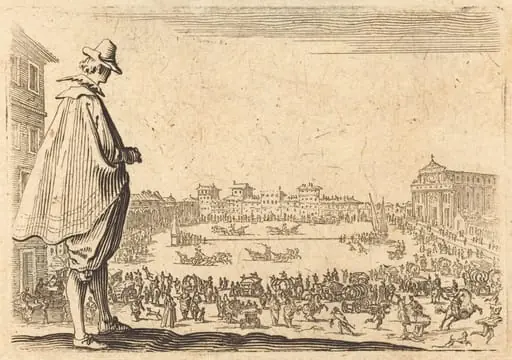 Piazza Santa Maria Novella, Florence
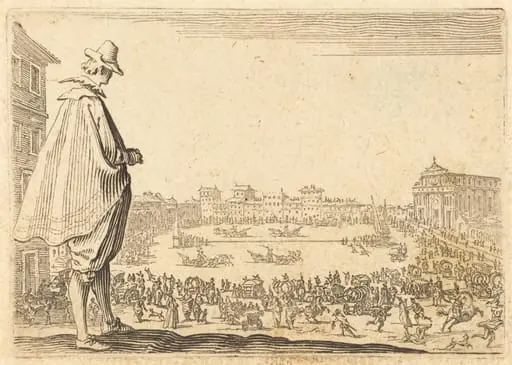 Piazza Santa Maria Novella, Florence
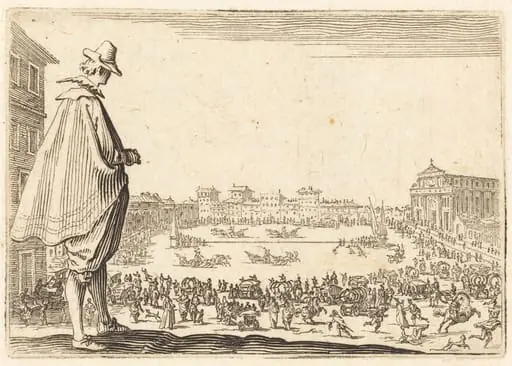 Piazza Santa Maria Novella, Florence
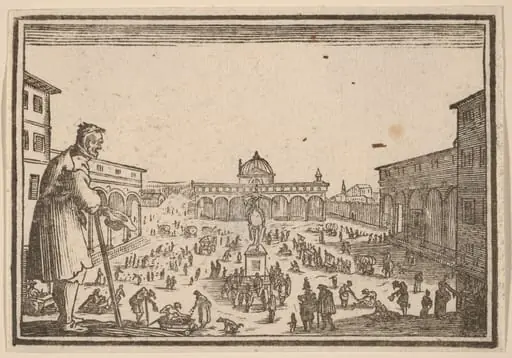 Piazza SS. Annunziata, Florence
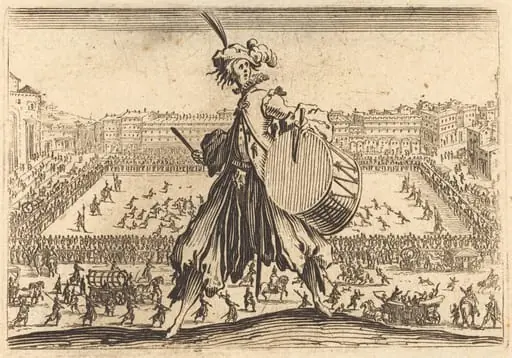 Piazza Santa Croce, Florence