Artwork
Piazza Santa Maria Novella, Florence
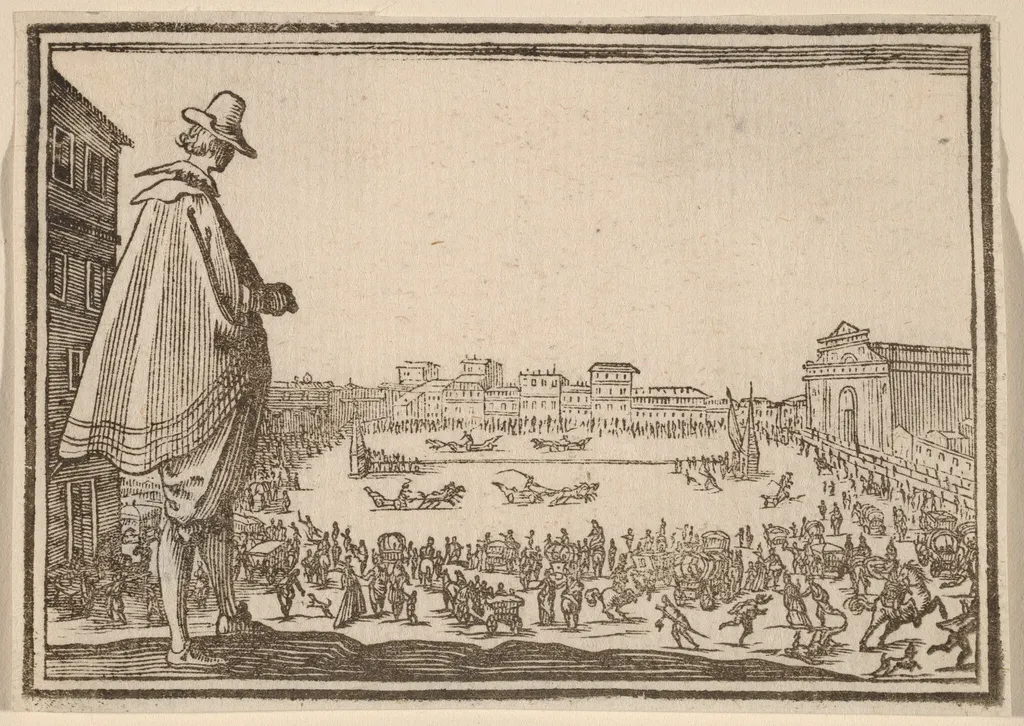
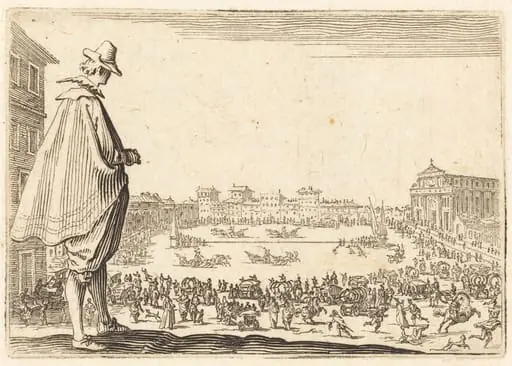
Piazza Santa Maria Novella, Florence is an ink print by the Baroque artist Edouard Eckman. It dates from 1621 and is held in the collection of the National Gallery of Art.
About this work
Overview
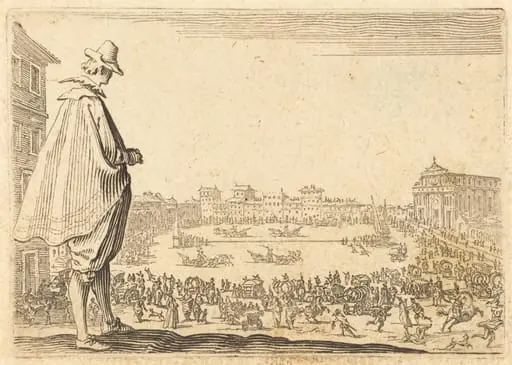
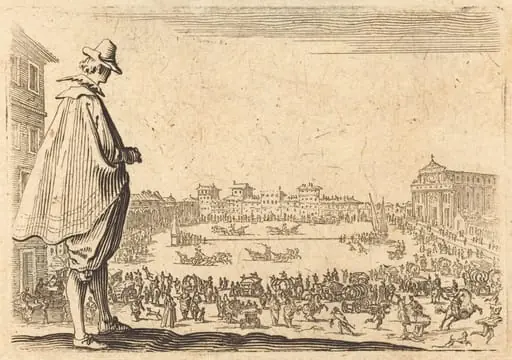
Created in 1621 by Edouard Eckman, this woodcut captures a view of Piazza Santa Maria Novella in Florence. Executed on laid paper, the print belongs to the early 17th-century tradition of topographical imagery. Its composition emphasizes the square’s architectural contours and the movement of its inhabitants, rendered through the distinctive grain and contrast of woodcut printing.
Subject & Meaning
The scene portrays daily life in one of Florence’s central public spaces, with figures on foot and horseback moving among buildings. The dominant structure with a tower is Santa Maria Novella church, anchoring the composition. The crowded, active atmosphere suggests the piazza’s role as a hub of commerce, transit, and social interaction in early modern Florence.
Technique & Style
Eckman employed the woodcut method, carving lines into a wooden block to create bold, incised forms. Shading is achieved through parallel hatching and varying line density, lending texture to surfaces and a sense of spatial depth. The rough, tactile quality of the medium enhances the immediacy of the scene, typical of Northern European printmaking traditions of the period.
History & Provenance
The print is dated 1621 and attributed to Edouard Eckman, a Dutch artist active in Italy. Few of his works survive, and this piece is among the few documented examples of his topographical output. Its preservation in institutional collections suggests early recognition of its documentary value, though its original commission or circulation remains unrecorded.
Context
Produced during the Baroque era, the woodcut reflects a growing interest in urban observation and civic identity across Europe. While Italian painting of the time favored grand narratives, prints like this served as visual records of everyday environments. Eckman’s work aligns with Northern European traditions of detailed cityscapes, bridging observation and artistic interpretation.
Legacy
As a rare surviving example of Eckman’s output, the woodcut contributes to the study of early modern urban representation. It offers insight into how foreign artists documented Italian cities, and remains a valuable reference for historians examining Florentine public space before major 19th-century transformations.
Artist & collection


 Piazza Santa Maria Novella, Florence
 Piazza Santa Maria Novella, Florence
 Piazza Santa Maria Novella, Florence
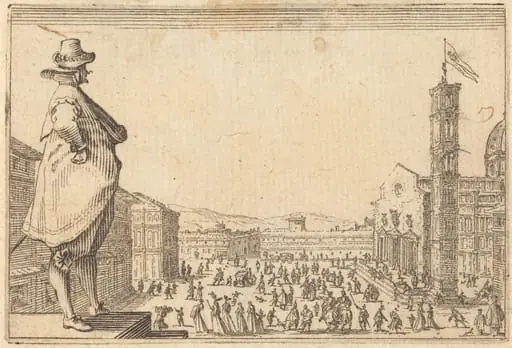 Piazza del Duomo, Florence
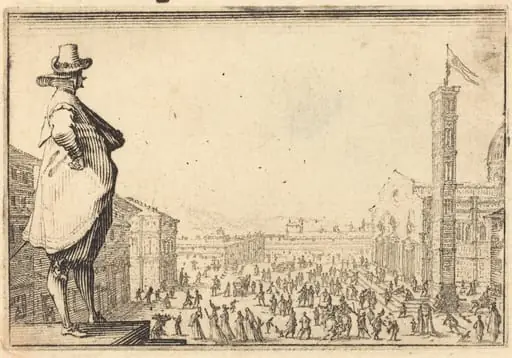 Piazza del Duomo, Florence
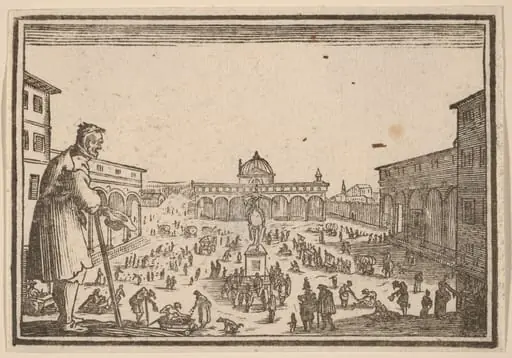 Piazza SS. Annunziata, Florence
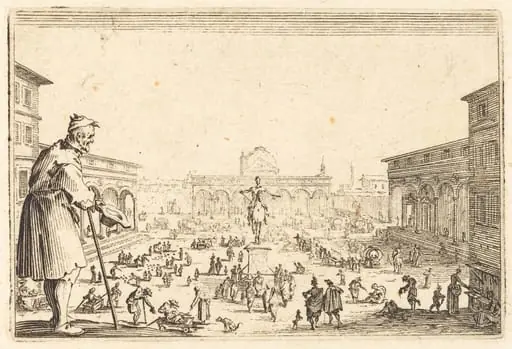 Piazza SS. Annunziata, Florence
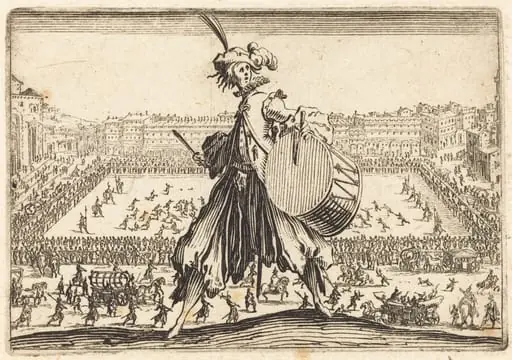 Piazza Santa Croce, Florence
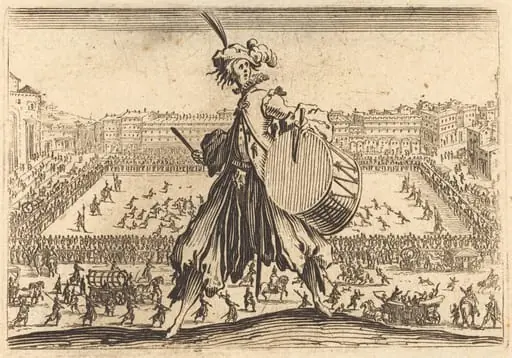 Piazza Santa Croce, Florence
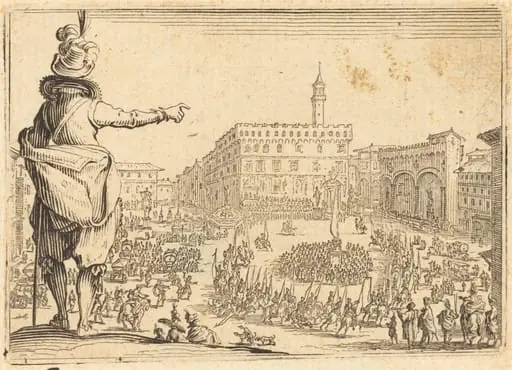 Piazza della Signoria, Florence