Artwork
Saint Basil Celebrating the Mass
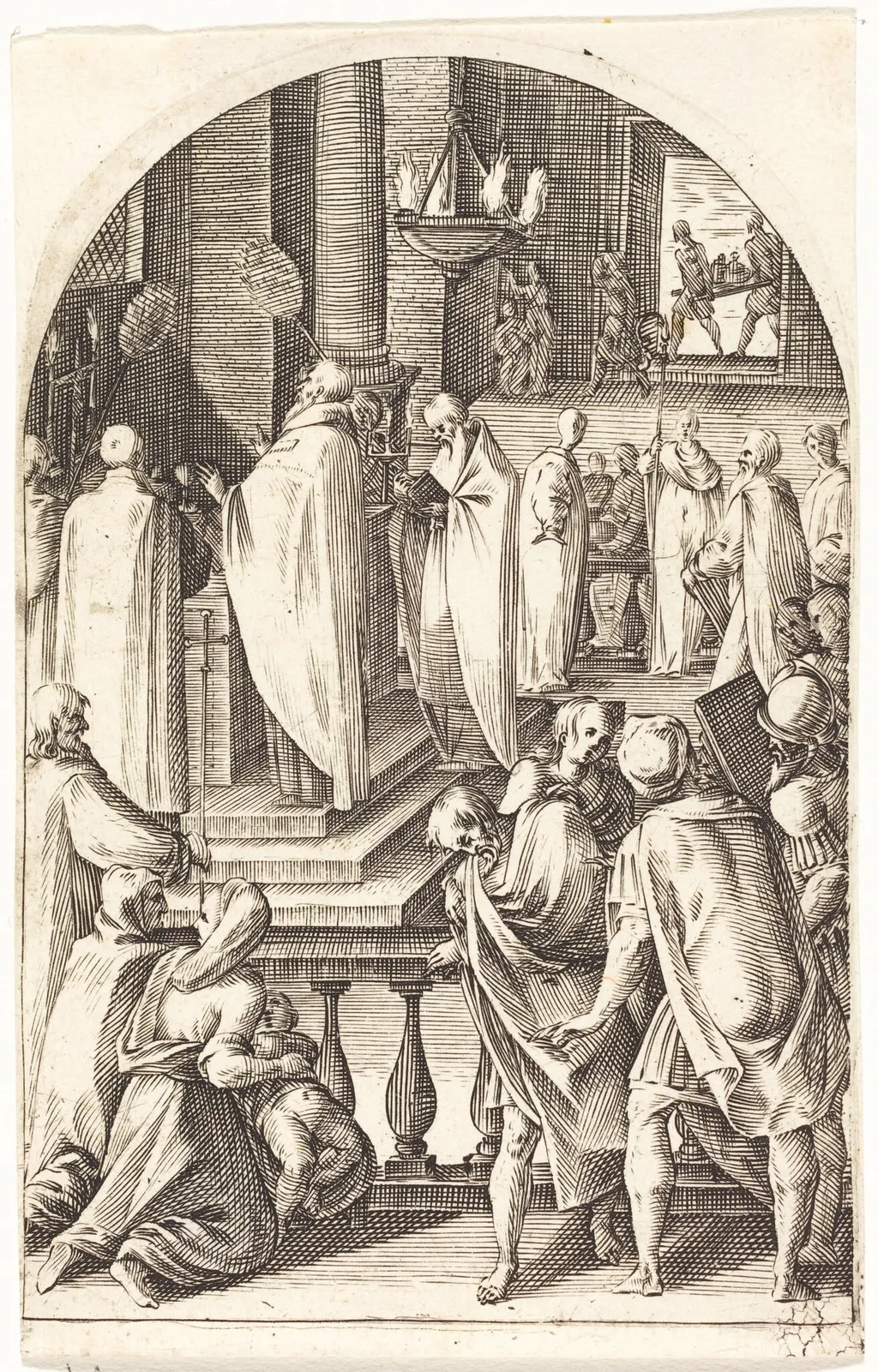
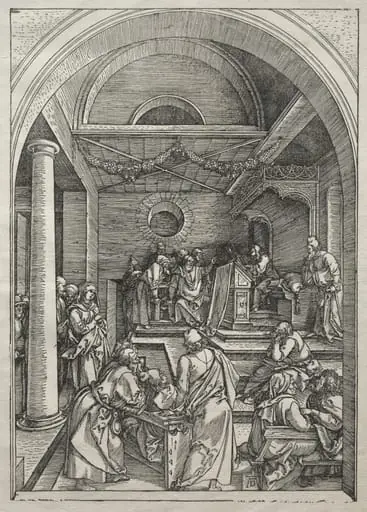
Saint Basil Celebrating the Mass is an ink print by the Baroque artist Jacques Callot. It dates from 1610 and is held in the collection of the National Gallery of Art.
About this work
Overview
Created in 1610, this engraving by Jacques Callot captures a liturgical moment with precision and quiet solemnity.
Created in 1610, this engraving by Jacques Callot captures a liturgical moment with precision and quiet solemnity. Executed on laid paper, it belongs to a period when Callot was refining his technique in the Duchy of Lorraine. As one of over 1,400 prints he produced, it reflects his dedication to documenting both sacred and secular life through fine-line engraving, emphasizing clarity and spatial depth over dramatic flourish.
Subject & Meaning
The scene portrays Saint Basil, a revered early Church father, presiding over the Eucharist. He stands at the altar, raising a chalice as congregants kneel or stand in prayer around him. The composition underscores reverence and order, with the central figure illuminated by ritual focus. The presence of observers on a balcony suggests a communal act of worship, reinforcing the spiritual authority of the liturgy and the continuity of sacred tradition.
Technique & Style
Callot employed fine, controlled engraving lines to render texture, volume, and spatial recession. The architecture—tall columns, arched balconies—is rendered with meticulous detail, guiding the eye toward the altar. Shading is achieved through closely spaced hatching, not wash or tone, creating a sense of crowded yet organized space. His technique prioritizes clarity and structural integrity, characteristic of early Baroque printmaking’s emphasis on draftsmanship.
History & Provenance
This print emerged during Callot’s early career, before his later fame for military scenes and social satire. It was likely made for a devotional or scholarly audience, given its religious subject and technical refinement. Though its specific early ownership is unrecorded, it aligns with the broader circulation of religious prints in Catholic regions of Europe, where such imagery supported private devotion and ecclesiastical education.
Context
In early 17th-century Europe, religious imagery remained central to print culture, especially in Catholic territories recovering from Reformation upheavals. Callot’s work, though often associated with secular themes, frequently engaged with liturgical subjects as part of a broader artistic response to Counter-Reformation ideals. His ability to render complex interiors and large groups reflected both technical ambition and the demand for visually rich devotional aids.
Legacy
Callot’s engravings, including this one, influenced generations of printmakers through their technical discipline and compositional clarity. While less celebrated than his satirical works, religious prints like this demonstrate his range and commitment to the medium’s potential for quiet narrative power. His approach to spatial organization and fine-line detail became a reference point for later artists working in etching and engraving across Europe.
Artist & collection
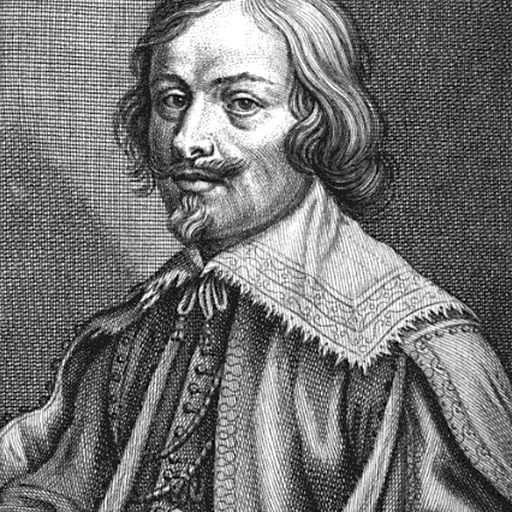
Artist
Jacques Callot was a baroque printmaker and draftsman from the Duchy of Lorraine.

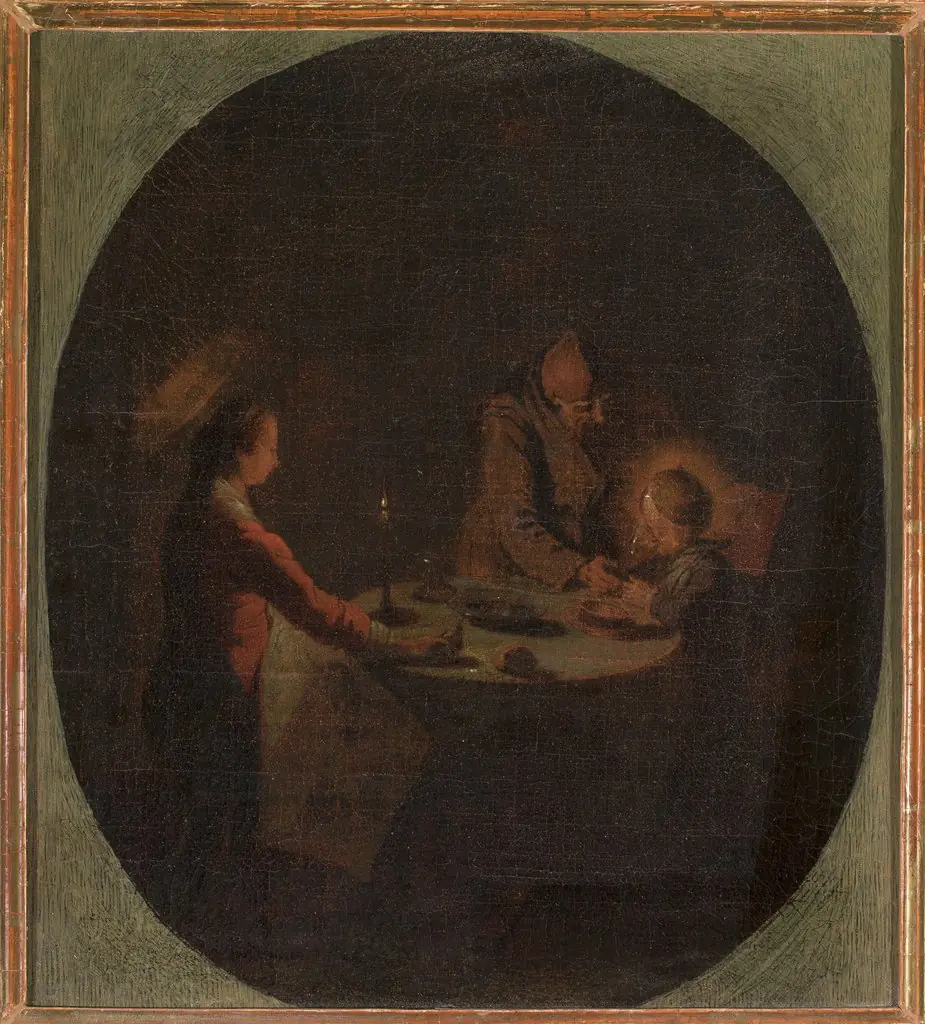 Holy Family at supper
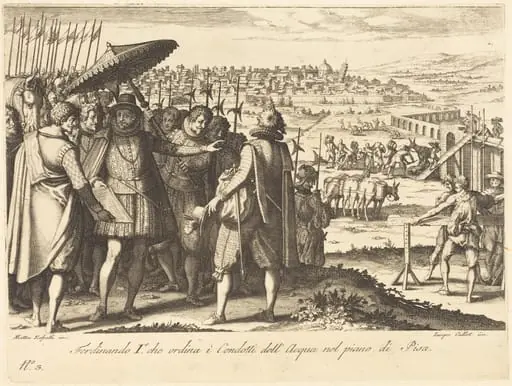 Restoration of the Aqueduct at Pisa
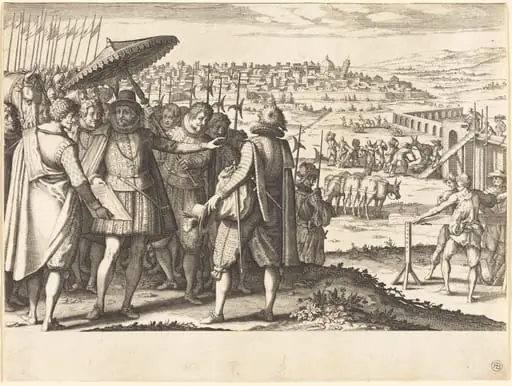 Restoration of the Aqueduct at Pisa
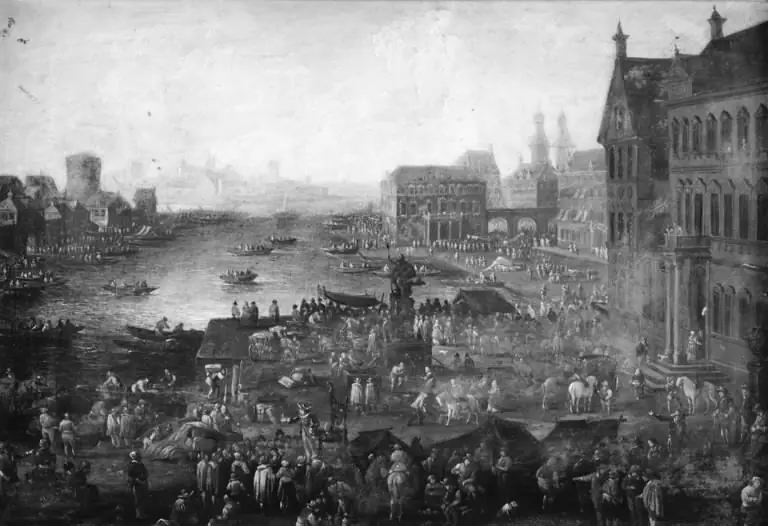 Square in Paris with Many Figures
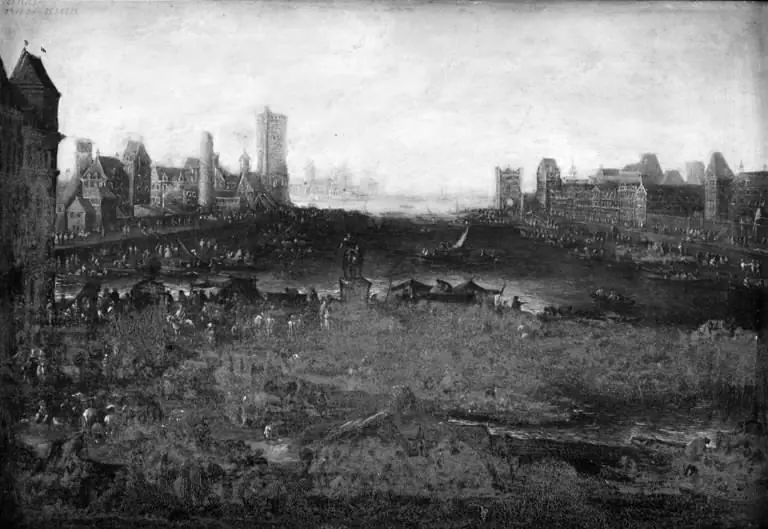 Square in Paris with Many Figures
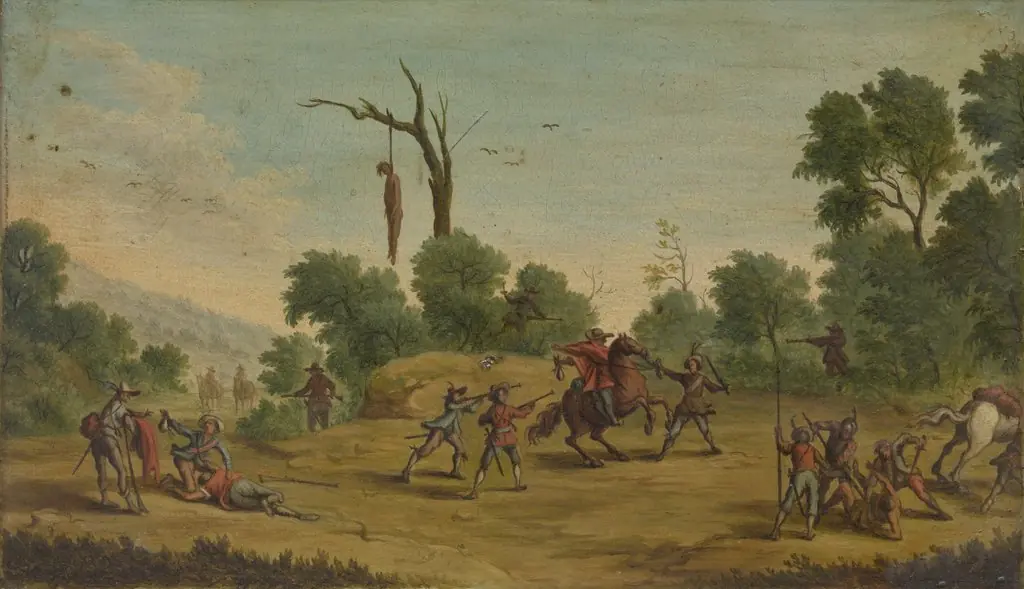 Horsemen Attacked by Robbers
 HOW WILL A COVERED PART BE CORRECTED?HOW WIKA A COVERED HEART DEED CORRECTED?
![Christ Walking on the Water [second plate], by Jacques Callot](https://artifactworldgallery.com/img/jacques-callot--christ-walking-on-the-water-second-plate--2069f3bfe4cb2126-w320.webp) Christ Walking on the Water [second plate]
Christ Walking on the Water [second plate]
 Jesus before Annas
 Caesar's Coin
 Christ among the Doctors
 Papal Audience
 Saint John the Evangelist
 The Marriage of the Virgin
 Marriage of Margaret of Austria and Philip III
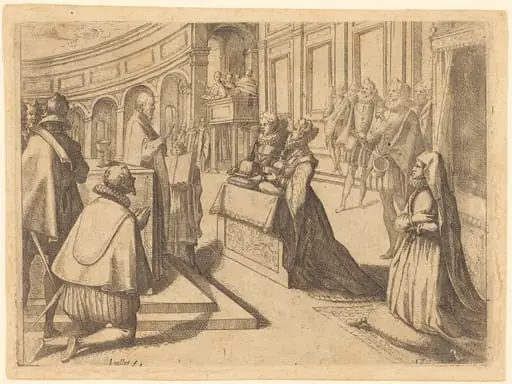 Marriage of Margaret of Austria and Philip III
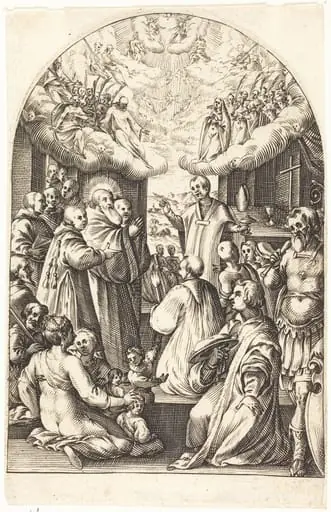 Death of Saint Benedict
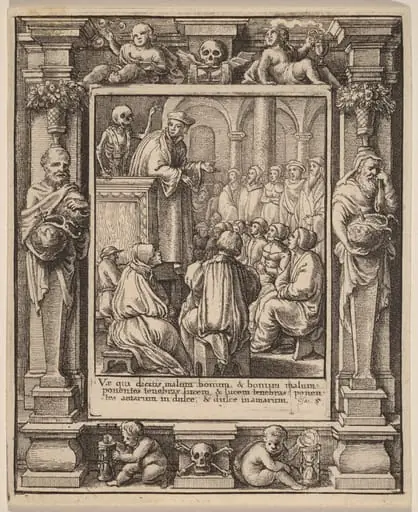 Preacher
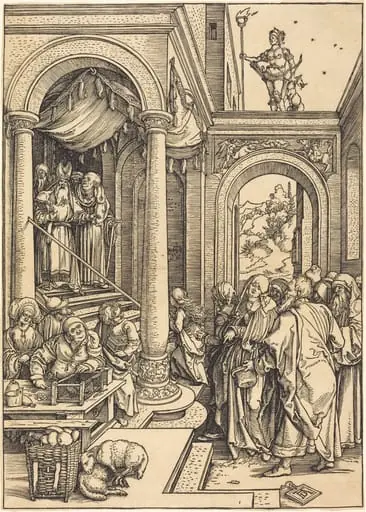 The Presentation of the Virgin in the Temple
 Life of the Virgin: Christ Among the Doctors