Artwork
Saint John the Baptist
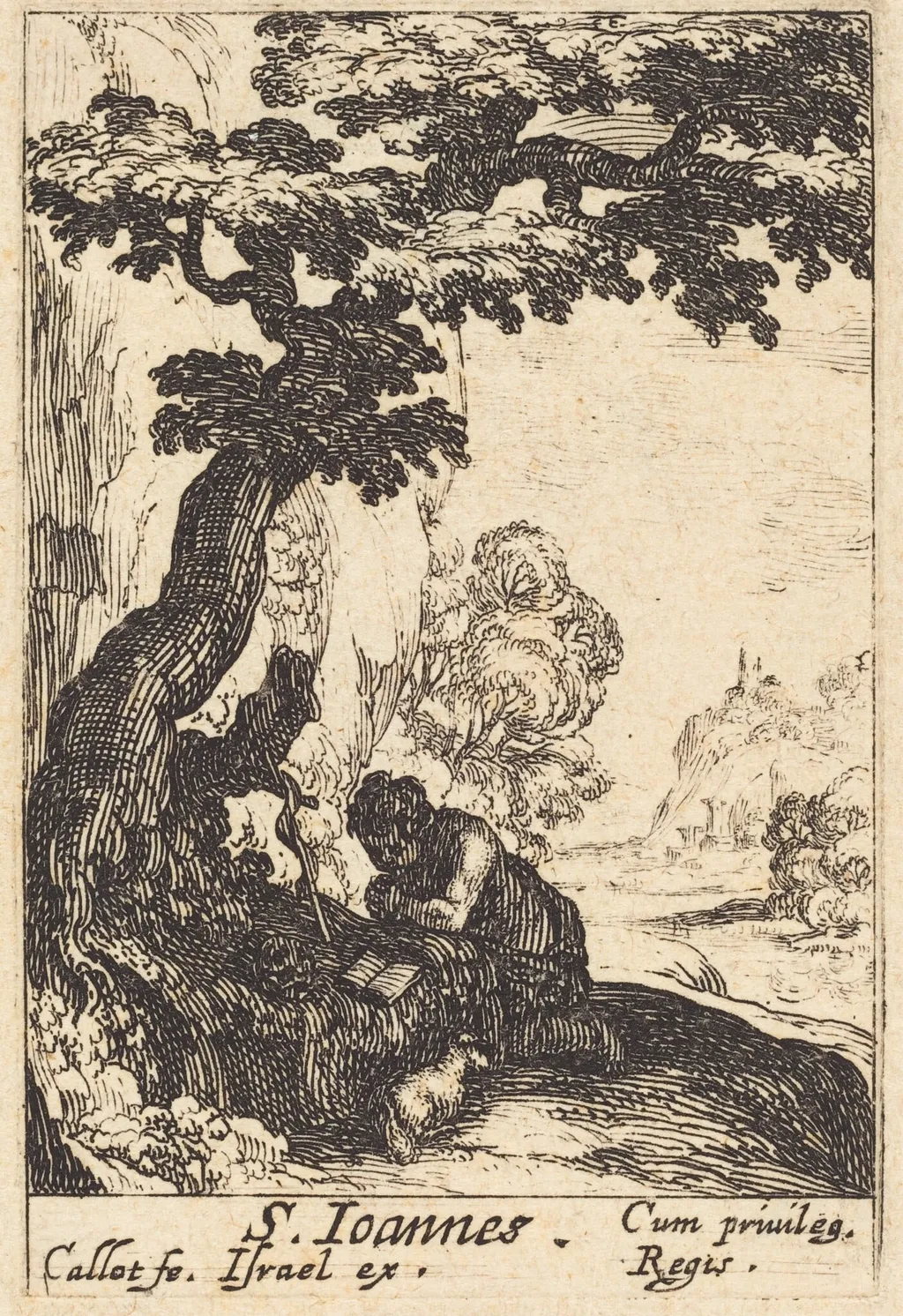
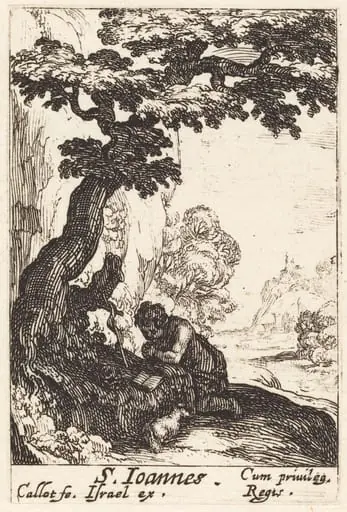
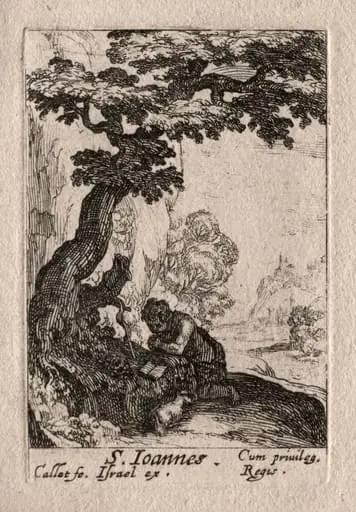
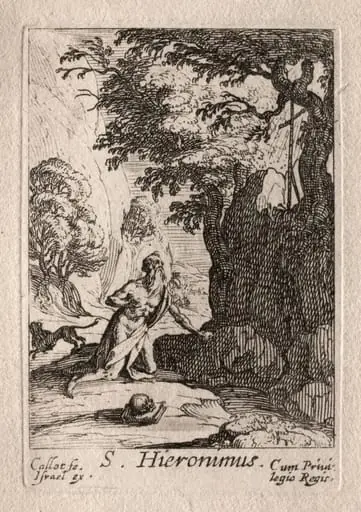
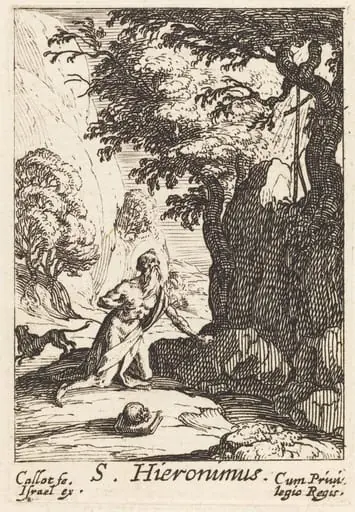
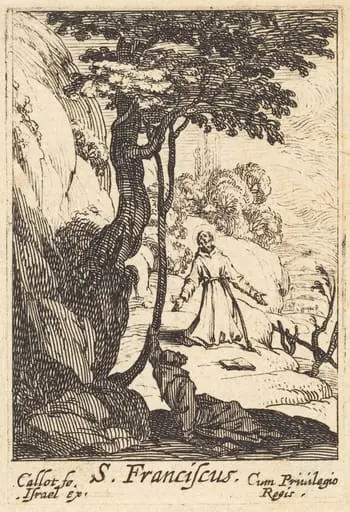
Saint John the Baptist is an ink print by the Baroque artist Jacques Callot. It dates from 1632 and is held in the collection of the National Gallery of Art.
About this work
Overview
Saint John the Baptist is an etching on laid paper created by Jacques Callot around 1632. It exemplifies the artist's technical proficiency in the medium, a hallmark of his prolific output of over 1,400 etchings.
Subject & Meaning
The print depicts Saint John the Baptist in a serene, natural setting, underscored by simple robes, a shaved head, and a long beard. Seated under a tree, surrounded by sparse bushes and a distant hill, the figure embodies austerity and contemplation.
Technique & Style
Callot employed a characteristic etching technique to achieve rich texture, evident in the overlapping lines used to render fur, fabric, and foliage. The laid paper's visible grid is a period hallmark, underscoring the work's authenticity.
History & Provenance
Created in the early 17th century, this etching is part of Callot's religious corpus. While specific provenance details are not provided, its style and date align with Callot's known output during his active period in the Duchy of Lorraine.
Context
Saint John the Baptist reflects the Baroque era's emphasis on detailed, emotionally charged religious subjects. Callot's choice of etching allowed for widespread dissemination of the image, catering to both religious devotion and the growing market for prints.
Legacy
As part of Callot's vast oeuvre, Saint John the Baptist contributes to the artist's legacy as a master etcher who advanced the medium's expressive capabilities, influencing subsequent generations of printmakers.
Artist & collection
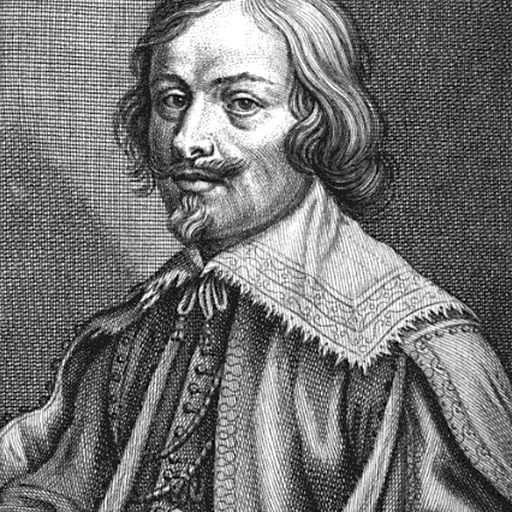
Artist
Jacques Callot was a baroque printmaker and draftsman from the Duchy of Lorraine.

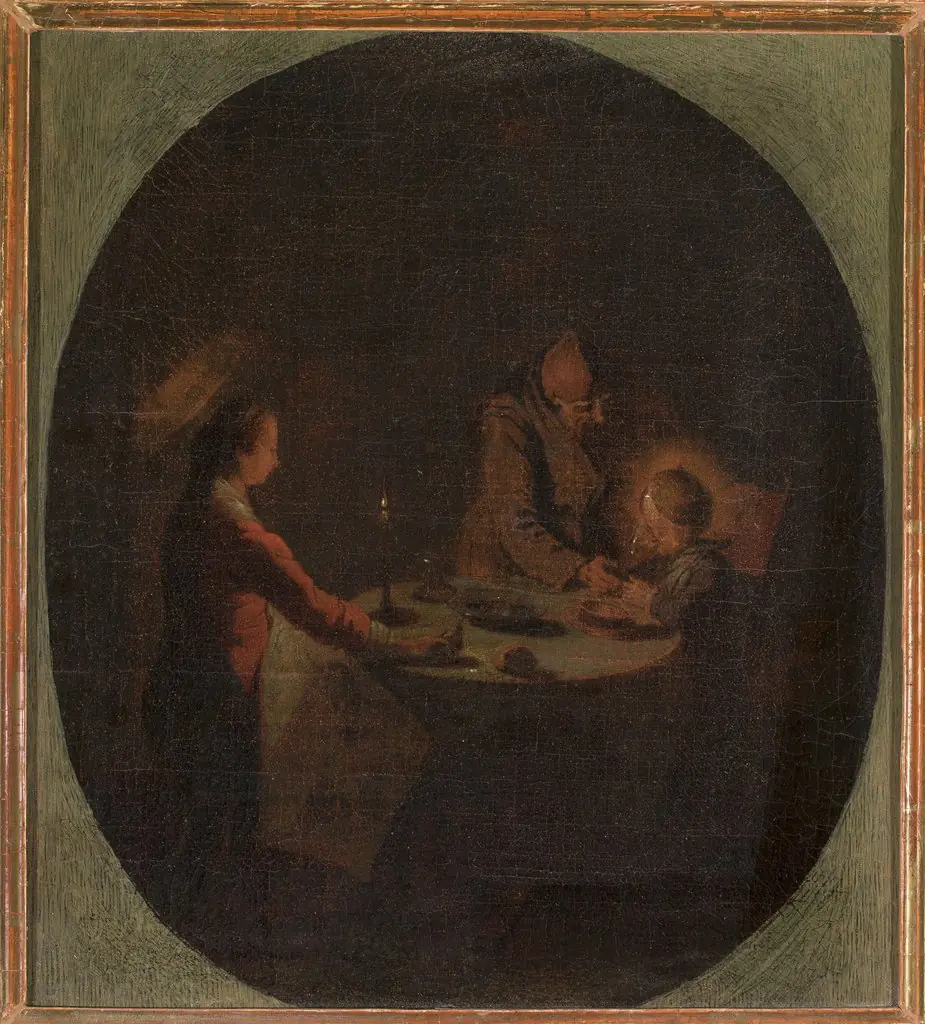 Holy Family at supper
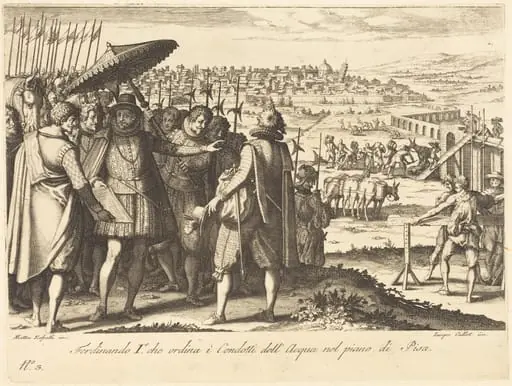 Restoration of the Aqueduct at Pisa
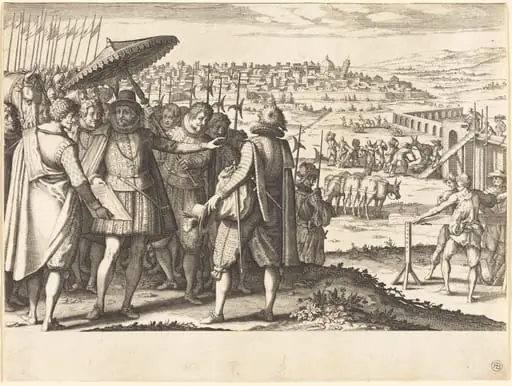 Restoration of the Aqueduct at Pisa
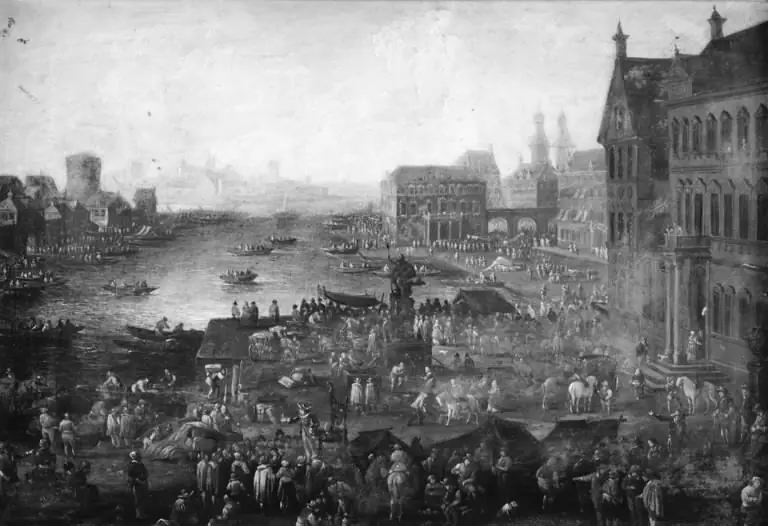 Square in Paris with Many Figures
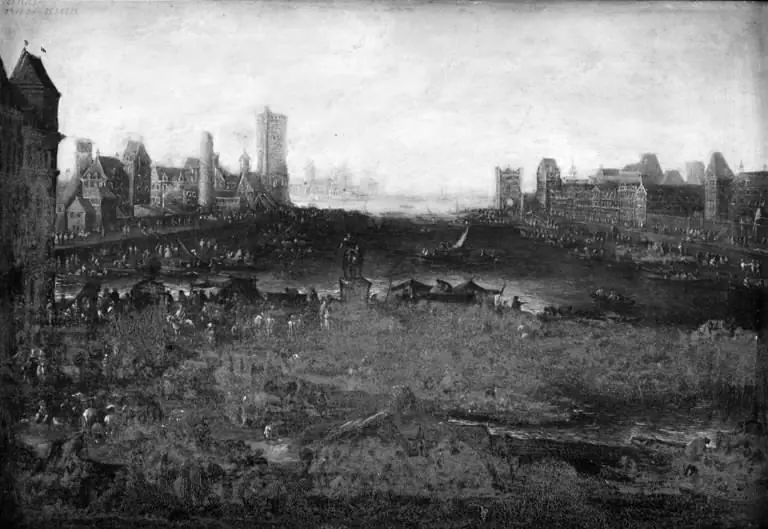 Square in Paris with Many Figures
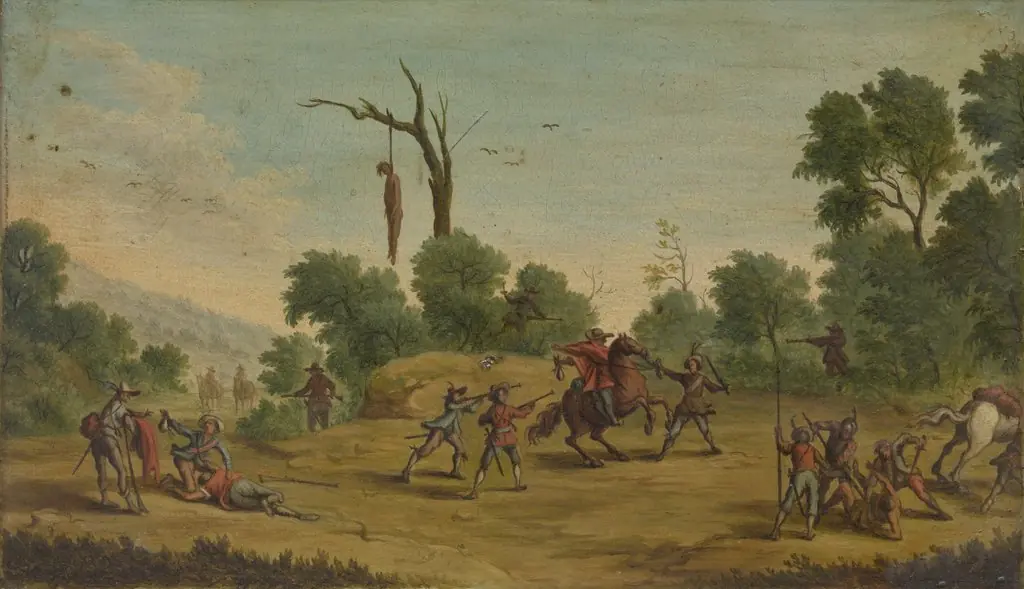 Horsemen Attacked by Robbers
 HOW WILL A COVERED PART BE CORRECTED?HOW WIKA A COVERED HEART DEED CORRECTED?
![Christ Walking on the Water [second plate], by Jacques Callot](https://artifactworldgallery.com/img/jacques-callot--christ-walking-on-the-water-second-plate--2069f3bfe4cb2126-w320.webp) Christ Walking on the Water [second plate]
Christ Walking on the Water [second plate]