Artwork
The Flaying of Marsyas
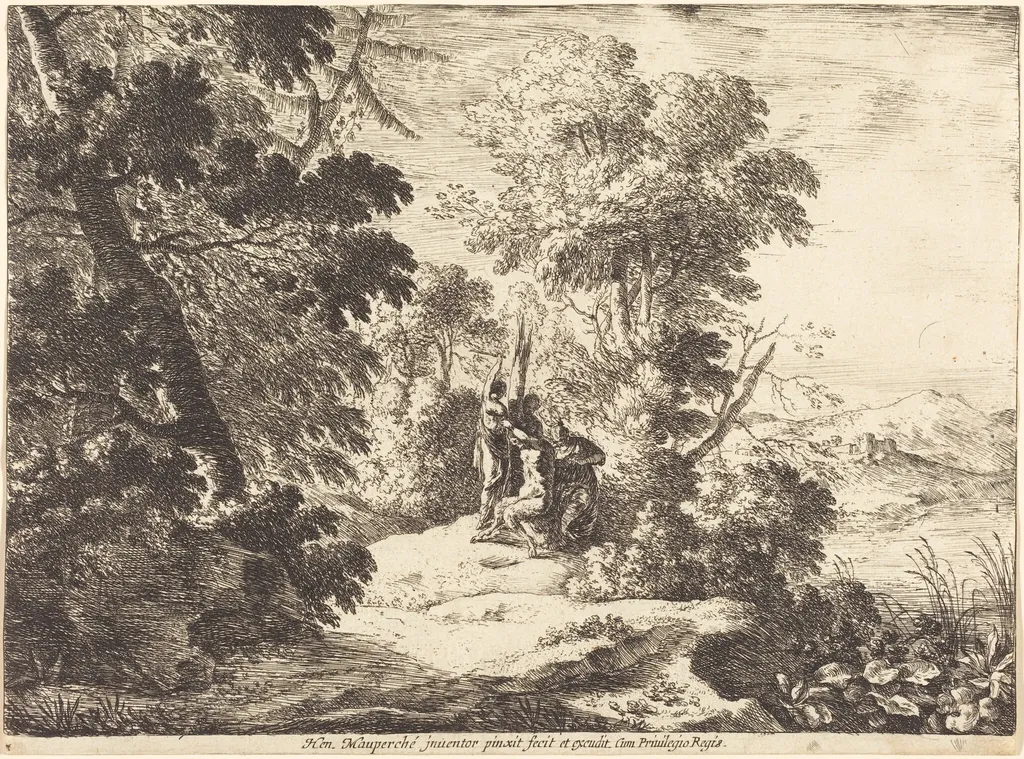
The Flaying of Marsyas is an ink print by the Baroque artist Henri Mauperché. It dates from 1644 and is held in the collection of the National Gallery of Art.
About this work
Overview
Henri Mauperché, a 17th-century French artist known for imaginative landscapes, produced this etching in 1644.
Henri Mauperché, a 17th-century French artist known for imaginative landscapes, produced this etching in 1644. The work belongs to a small body of prints he made alongside his more common scenic compositions. Unlike his typical pastoral fantasies, this piece confronts a brutal mythological episode with stark clarity, using the tonal range of etching to heighten emotional tension in a monochrome format.
Subject & Meaning
The scene illustrates the myth of Marsyas, a satyr who challenged the god Apollo to a musical contest and lost. As punishment, Marsyas was flayed alive—a symbol of divine retribution for hubris. The composition isolates the moment of agony, emphasizing physical suffering and the cold detachment of Apollo, who stands nearby with a staff, embodying authority and inevitability rather than overt cruelty.
Technique & Style
Mauperché employed etching to render fine, controlled lines that define texture and depth: the rough bark of trees, the wrinkled skin of Marsyas, and the dense undergrowth are all articulated with precise acid-incised strokes. The dark, moody sky and tightly packed foliage create a claustrophobic atmosphere, enhancing the scene’s violence. The absence of color focuses attention on form, contrast, and the psychological weight of the moment.
History & Provenance
The etching was made in 1644 during Mauperché’s active years in France, though little documentation survives regarding its early ownership. It was likely circulated among collectors of prints and mythological subjects, common in 17th-century French artistic circles. No known original plate survives, and extant impressions are rare, suggesting limited print runs and possible later reworkings or losses.
Context
In mid-17th-century France, mythological themes were popular in printmaking, often used to explore moral or philosophical ideas. While Mauperché was primarily a landscape artist, this work reflects broader trends in Northern European print culture, where dramatic narratives were rendered with technical precision. The choice of such a violent subject may have appealed to patrons interested in classical learning and the limits of human endurance.
Legacy
Mauperché’s etching remains a minor but notable example of French Baroque printmaking that diverges from his usual landscapes. It demonstrates his technical versatility and engagement with classical mythology, though it did not significantly influence later artists. Today, it is studied primarily for its rare fusion of his landscape sensibility with a harrowing narrative, offering insight into the range of his artistic interests.
Own this work as a print
Artist & collection
Artist
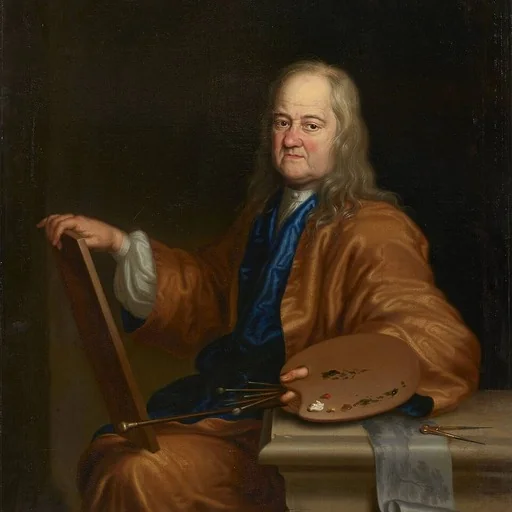
Henri Mauperché (c.1602, Paris – 26 December 1686, Paris) was a French landscape painter and engraver. His name is also given as Henri Maupercher and Henri Montpercher. Most of his landscapes are capriccios.

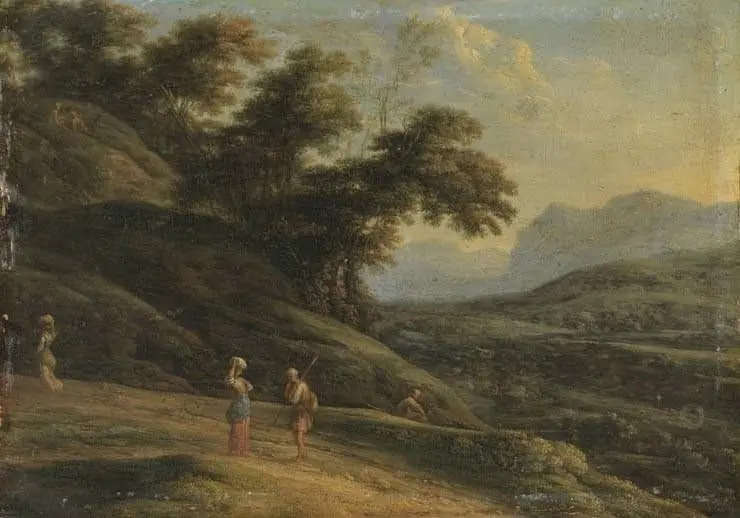
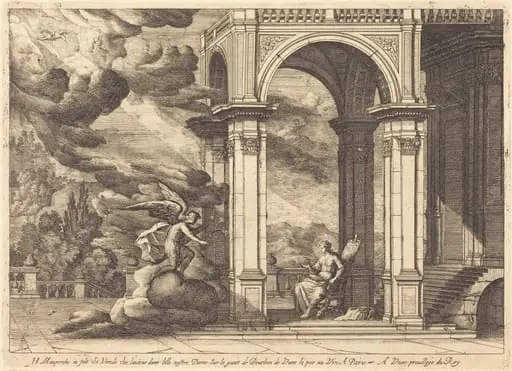
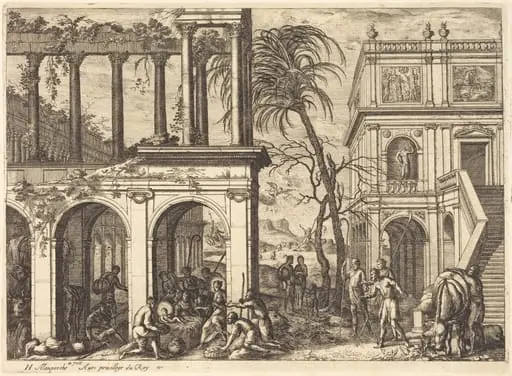
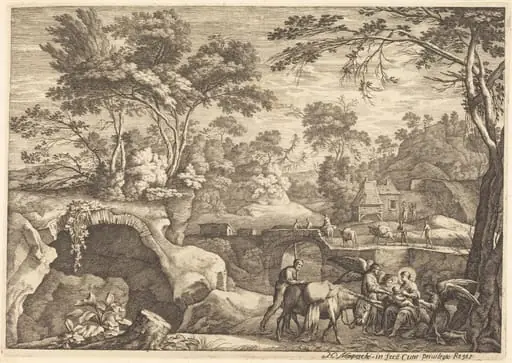
 Roman Landscape
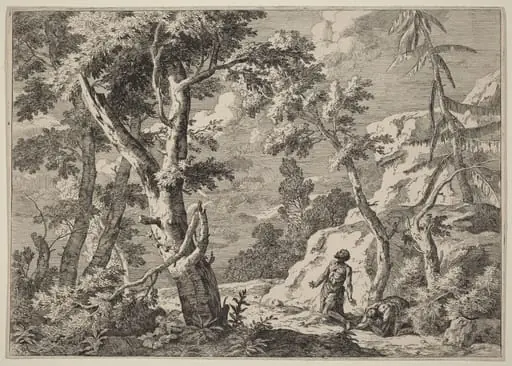 Two Men Penitent in the Wilderness
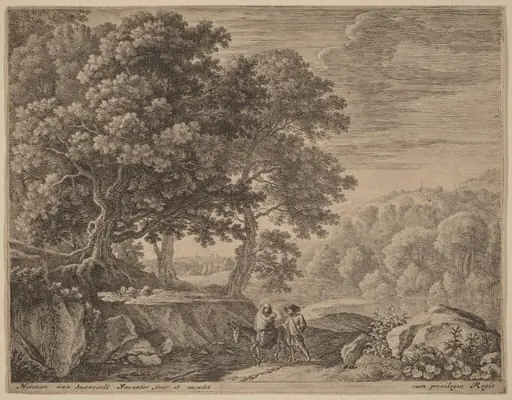 The Little Angels on the Hill
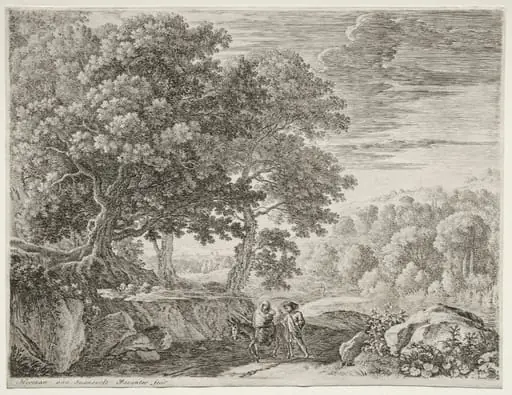 The Flight into Egypt: The Holy Family
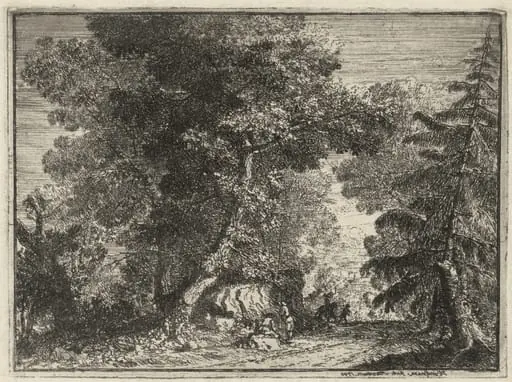 A Road through the Woods
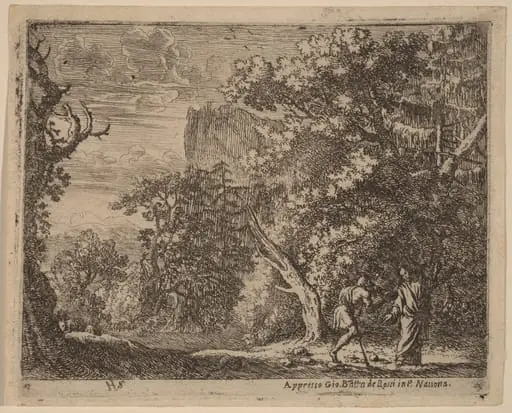 Temptation of Christ
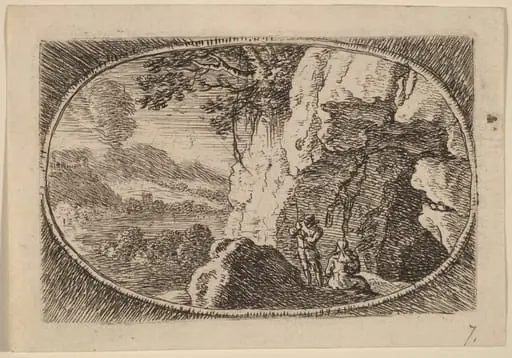 Man and Woman at the Mouth of a Cave
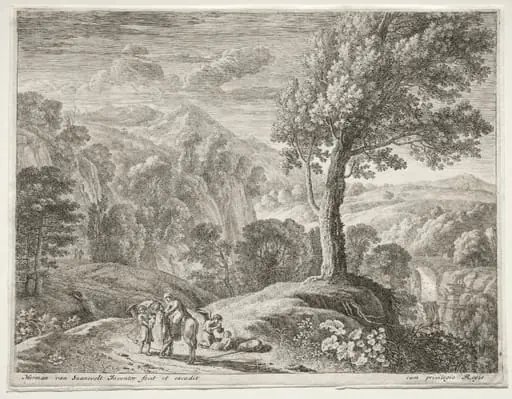 The Large Tree and the Cascade
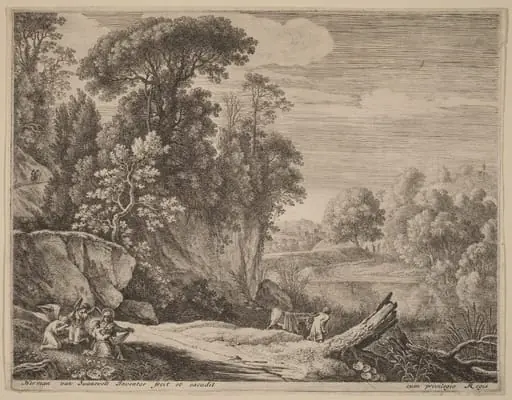 The Donkey Led to the River
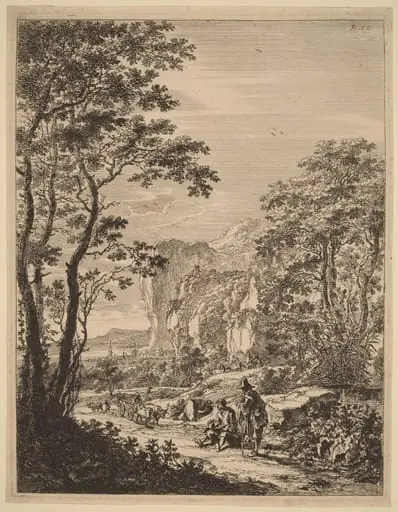 The Ox-Cart: View between Ancona and Sinigaglia
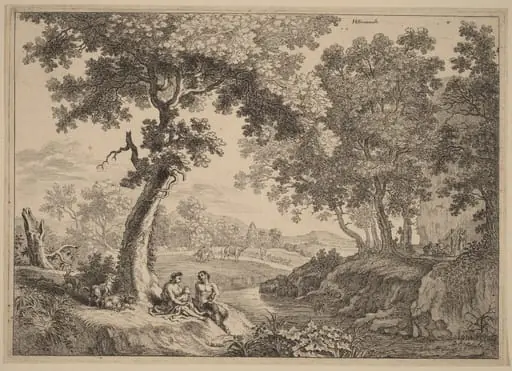 Satyr Family Seated under a Tree
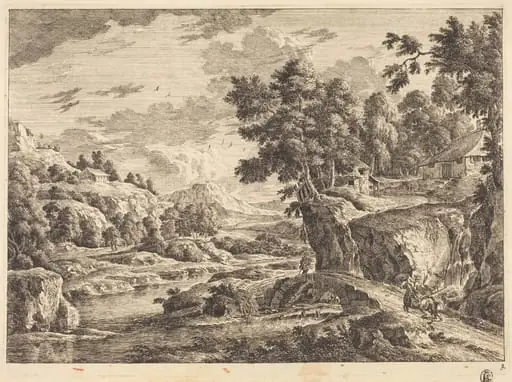 Landscape with a Bridge and Three Farm Buildings