Artwork
St. Mercury; St. Peter of Alexandria; St. Conrad; Sts. Barlaam and Josaphat
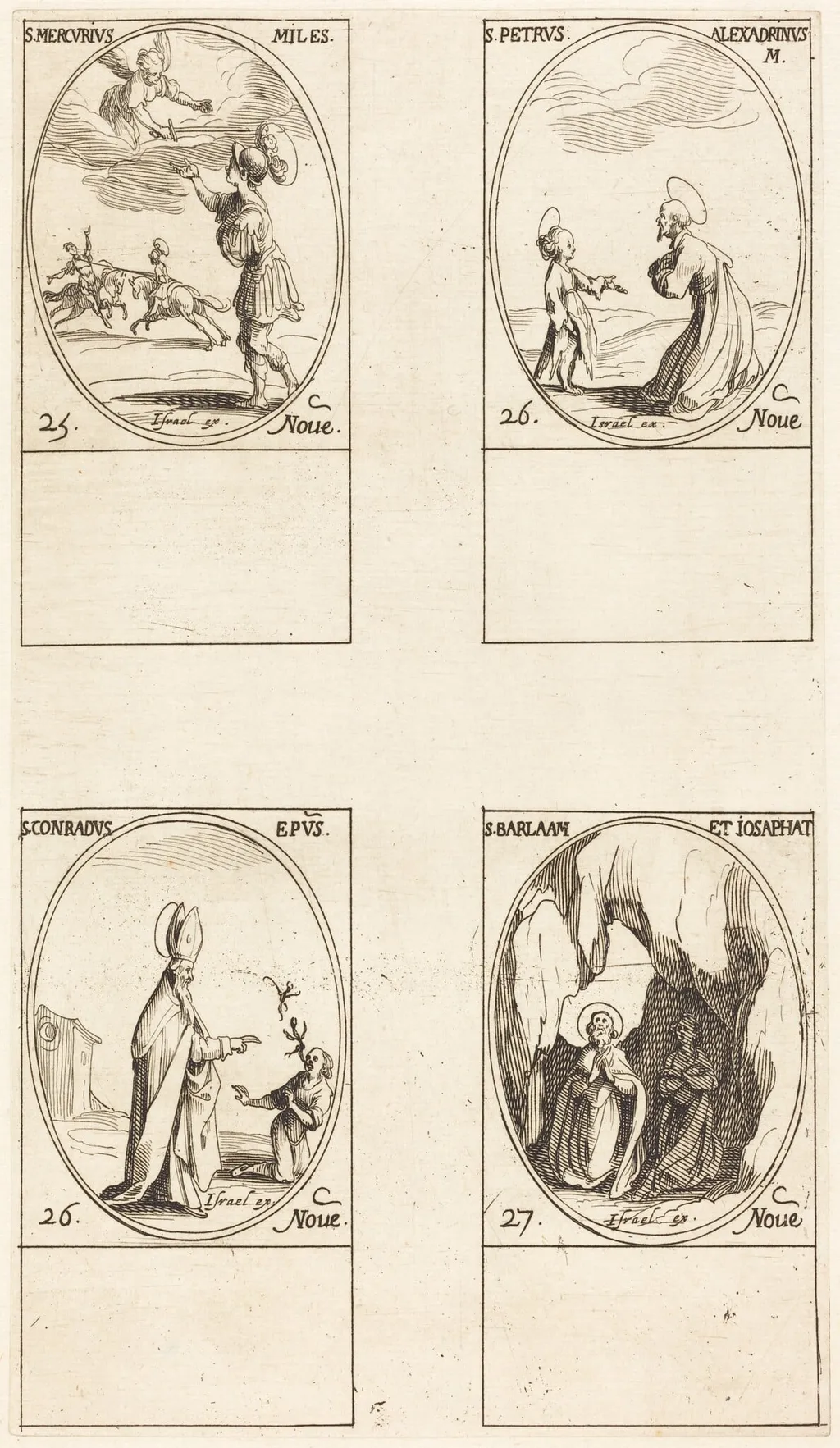
St. Mercury; St. Peter of Alexandria; St. Conrad; Sts. Barlaam and Josaphat is an ink print by the Baroque artist Jacques Callot. It dates from 1634 and is held in the collection of the National Gallery of Art.
About this work
Overview
Around 1634, French printmaker Jacques Callot produced an etching on laid paper that brings together four distinct saintly figures.
Around 1634, French printmaker Jacques Callot produced an etching on laid paper that brings together four distinct saintly figures. The work presents St. Mercury, St. Peter of Alexandria, St. Conrad, and the duo of Sts. Barlaam and Josaphat in a compact, oval format arranged in two rows. Each saint occupies his own vignette, allowing Callot to explore varied poses and narrative settings within a single sheet.
Subject & Meaning
The composition functions as a devotional grouping, linking saints from different traditions. St. Mercury appears upright, suggesting authority; St. Peter of Alexandria kneels in humble reverence. St. Conrad is accompanied by a deer, a traditional attribute symbolising his connection to nature, while the pair of Barlaam and Josaphat are placed within a cave, referencing their legendary hermitic retreat.
Technique & Style
Callot employed his characteristic fine etching line on laid paper, achieving delicate textures and subtle tonal variations. The oval frames are rendered with a light beige ground that highlights the intricate detailing of clothing, gestures, and background elements. Each vignette balances a clear focal figure with a modestly suggested environment, exemplifying Callot’s skill in integrating figure and setting.
History & Provenance
The print forms part of Callot’s extensive series of religious subjects, created during his productive period in Lorraine. While the original ownership record is unclear, the work reflects the artist’s broader output of more than 1,400 etchings that circulated among collectors and patrons in the early‑17th century.
Context
In the Baroque era, prints served both as devotional objects and as means of disseminating saintly iconography. Callot’s choice to depict multiple saints together aligns with contemporary practices of producing compendia of holy figures for private contemplation or instructional use, complementing his larger body of work that also covered military, courtly, and landscape themes.
Artist & collection
Artist
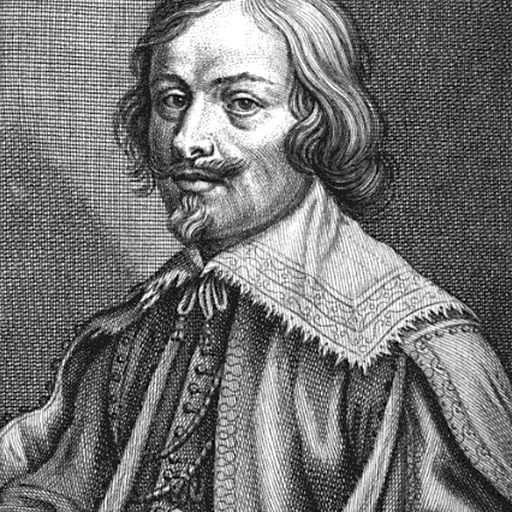
Jacques Callot was a baroque printmaker and draftsman from the Duchy of Lorraine.

 Holy Family at supper
 Restoration of the Aqueduct at Pisa
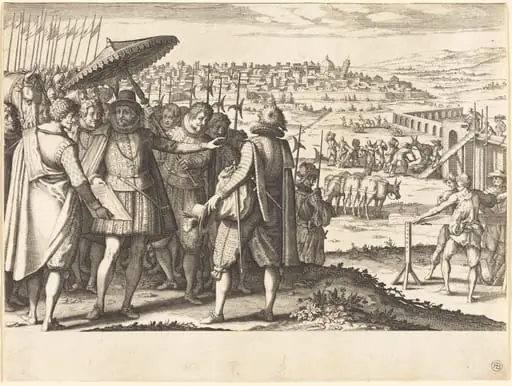 Restoration of the Aqueduct at Pisa
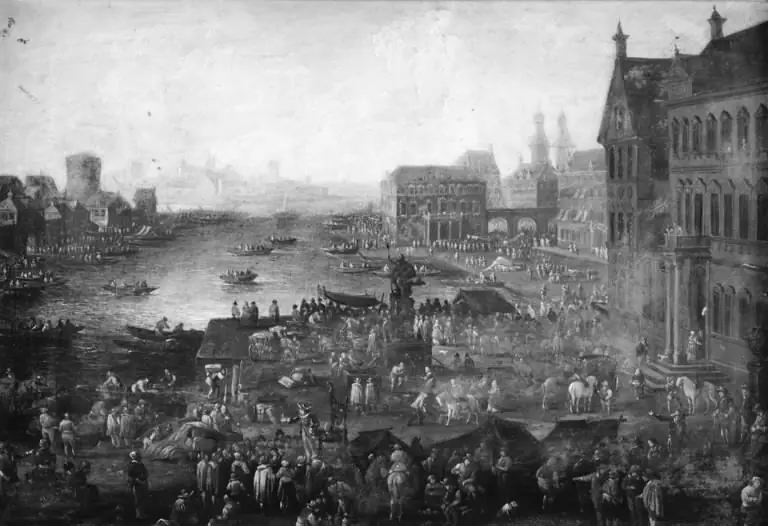 Square in Paris with Many Figures
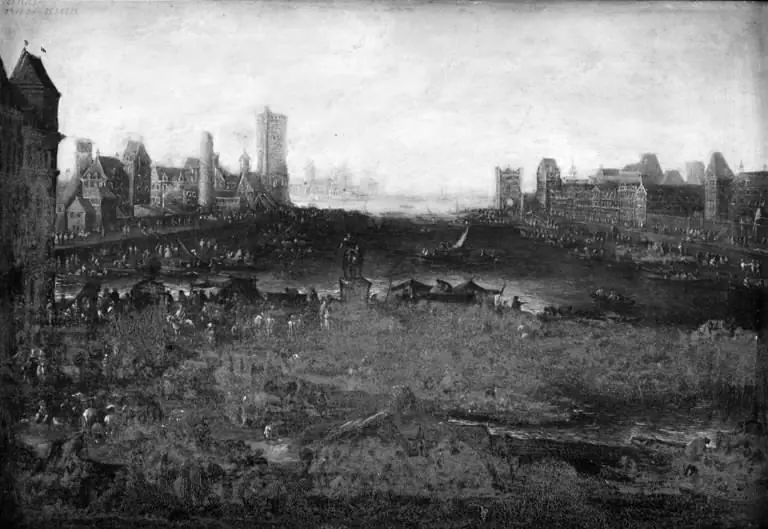 Square in Paris with Many Figures
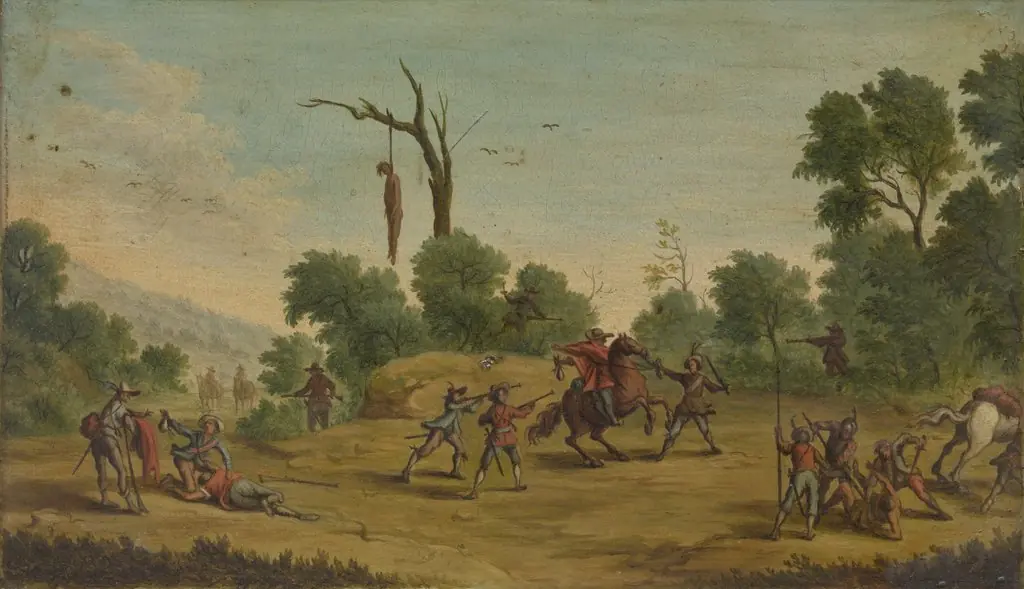 Horsemen Attacked by Robbers
 HOW WILL A COVERED PART BE CORRECTED?HOW WIKA A COVERED HEART DEED CORRECTED?
![Christ Walking on the Water [second plate], by Jacques Callot](https://artifactworldgallery.com/img/jacques-callot--christ-walking-on-the-water-second-plate--2069f3bfe4cb2126-w320.webp) Christ Walking on the Water [second plate]
Christ Walking on the Water [second plate]
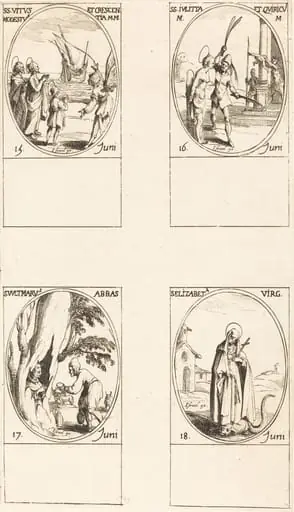 Sts. Vitus, Modestus, & Crescentia; Sts. Julitta & Quiricus; St. Avitus, Abbot; St. Elizabeth, Virgin
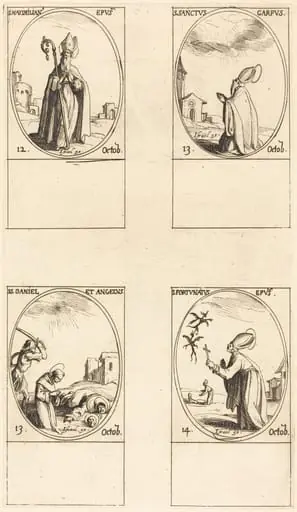 St. Maximilian; St. Carpus; St. Daniel and Angelus; St. Fortunatus
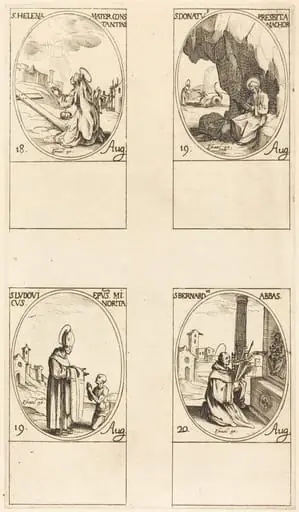 St. Helen; St. Donatus; St. Ludovicus, Bishop; St. Bernard
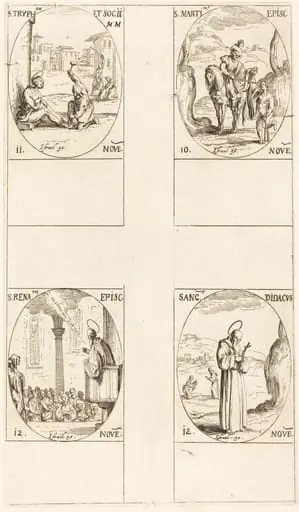 St. Martin; St. Tryphon and Companions; St. Renatus; St. Didacus
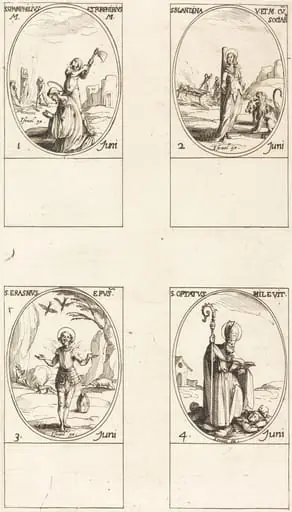 Sts. Pamphilius and Porphyrius; St. Blandina and Companions; St. Erasmus; St. Optatus
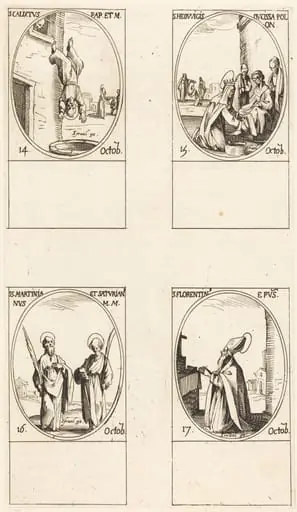 St. Calixtus; St. Hedwiges; Sts. Martinian and Saturian; St. Florentinus
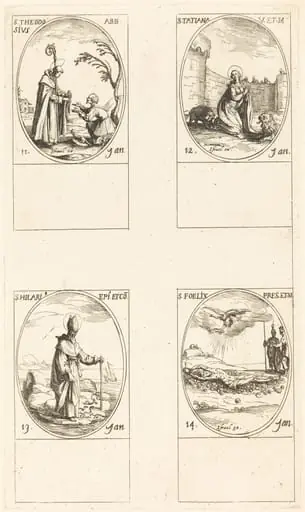 St. Theodosius; St. Tatiana; St. Hilary; St. Felix
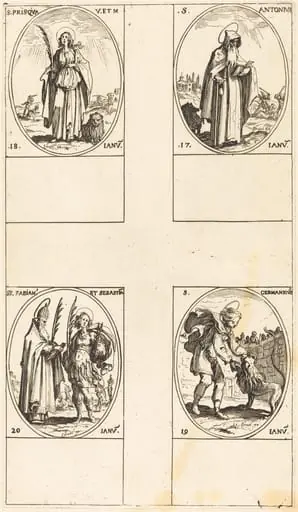 St. Anthony; St. Prisca; St. Germanicus; Sts. Fabian and Sebastian
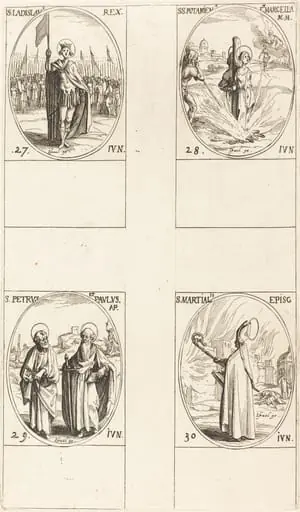 St. Ladislas; Sts. Potamiana and Marcella; Sts. Peter and Paul, Apostles; St. Martial
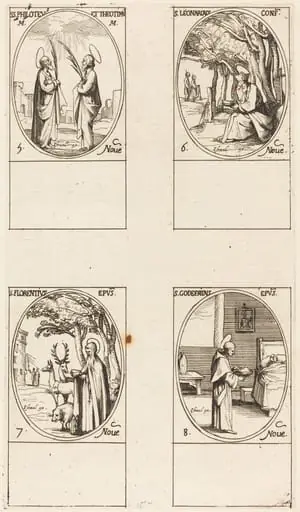 Sts. Philoteus and Theotimus; St. Leonard; St. Florentinus; St. Godfrey