Artwork
St. Nicholas; St. Dionisia and Son; St. Agatha; Conception of the Virgin
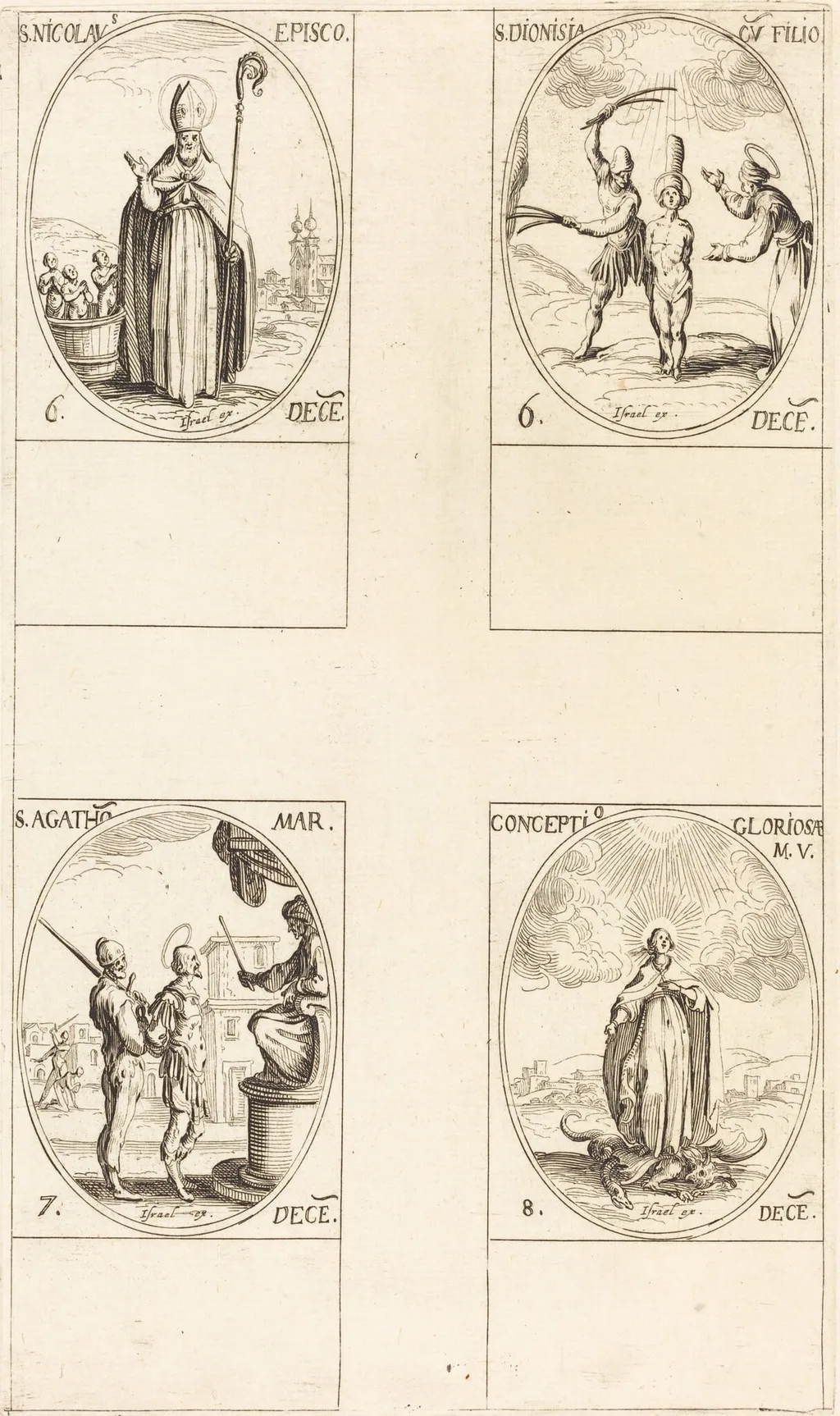
St. Nicholas; St. Dionisia and Son; St. Agatha; Conception of the Virgin is an ink print by the Baroque artist Jacques Callot. It dates from 1634 and is held in the collection of the National Gallery of Art.
About this work
Overview
Created around 1634, this etching by Jacques Callot presents four distinct religious scenes on a single sheet of laid paper.
Created around 1634, this etching by Jacques Callot presents four distinct religious scenes on a single sheet of laid paper. As a French artist from the Duchy of Lorraine, Callot was renowned for his meticulous etching technique and prolific output, producing over a thousand prints that blended sacred narratives with observations of everyday life. This work exemplifies his ability to condense complex iconography into compact, finely detailed compositions.
Subject & Meaning
The four vignettes depict episodes from hagiographic tradition: St. Nicholas rescuing children from a barrel, St. Dionisia and her son before armed guards, St. Agatha’s martyrdom with a bishop at an altar, and the Conception of the Virgin standing atop a wave as a dragon recedes. Each scene isolates a moment of divine intervention or sanctity, arranged to invite contemplative viewing. The selection reflects devotional priorities of the period, emphasizing protection, sacrifice, and miraculous birth.
Technique & Style
Callot employed etching on laid paper to achieve fine, controlled lines and nuanced tonal gradations. His use of closely spaced hatching and cross-hatching creates depth and texture without pigment, relying solely on inked lines to suggest light, fabric, and architecture. The oval framing of each scene enhances their vignette-like quality, directing attention to intimate moments within a unified compositional field.
History & Provenance
This print belongs to a series of religious etchings Callot produced during his mature period in Nancy and Paris. While no specific early ownership records are documented, such prints circulated widely among collectors and clergy in 17th-century Europe. Their affordability and portability made them accessible tools for private devotion, distinguishing them from large-scale altarpieces while maintaining theological gravity.
Context
In the decades following the Council of Trent, Catholic regions emphasized visual narratives of saints to reinforce faith and counter Protestant critiques. Callot’s prints responded to this demand, offering compact, emotionally resonant images for domestic use. His integration of secular details—armor, clothing, architecture—grounded sacred events in recognizable reality, aligning with broader Baroque tendencies toward immediacy and emotional engagement.
Legacy
Callot’s technical innovations in etching influenced generations of printmakers across Europe. This work, though not widely exhibited today, represents a key strand in the development of narrative printmaking—where multiple scenes coexisted on one sheet to guide spiritual reflection. His precision and economy of line set a standard for the expressive potential of the medium beyond mere reproduction.
Artist & collection
Artist
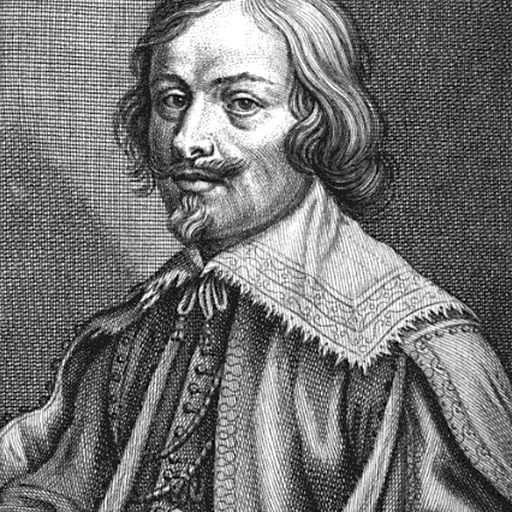
Jacques Callot was a baroque printmaker and draftsman from the Duchy of Lorraine.

 Holy Family at supper
 Restoration of the Aqueduct at Pisa
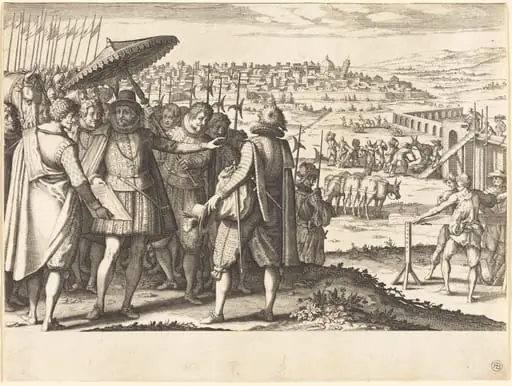 Restoration of the Aqueduct at Pisa
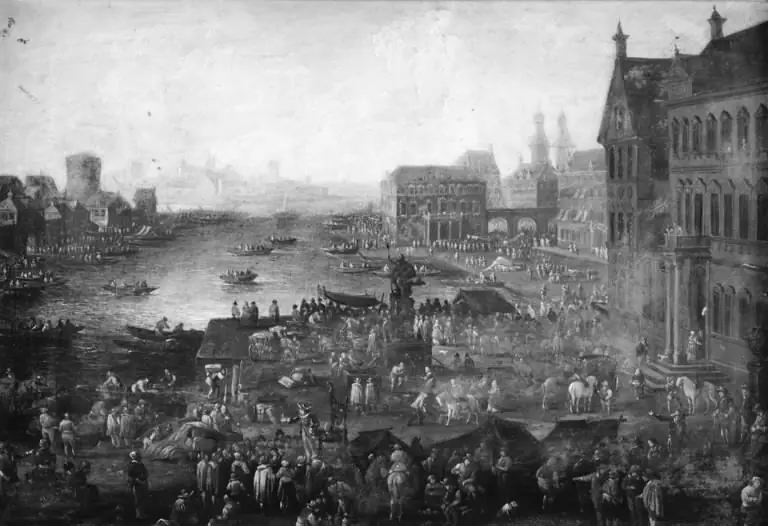 Square in Paris with Many Figures
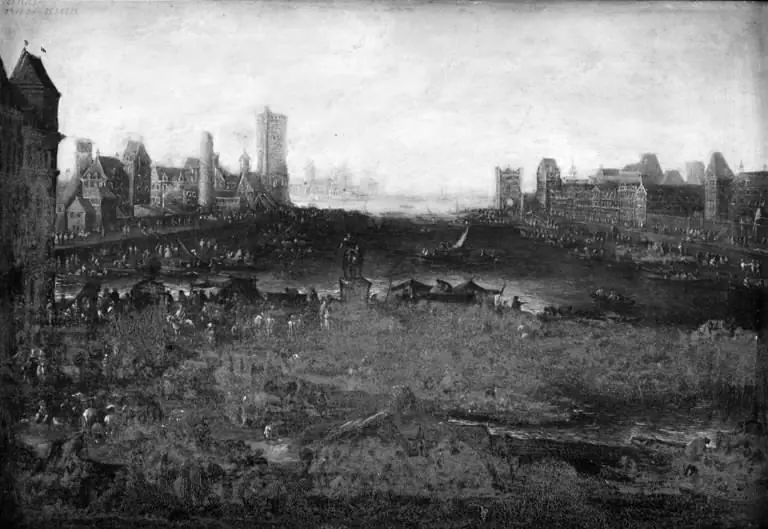 Square in Paris with Many Figures
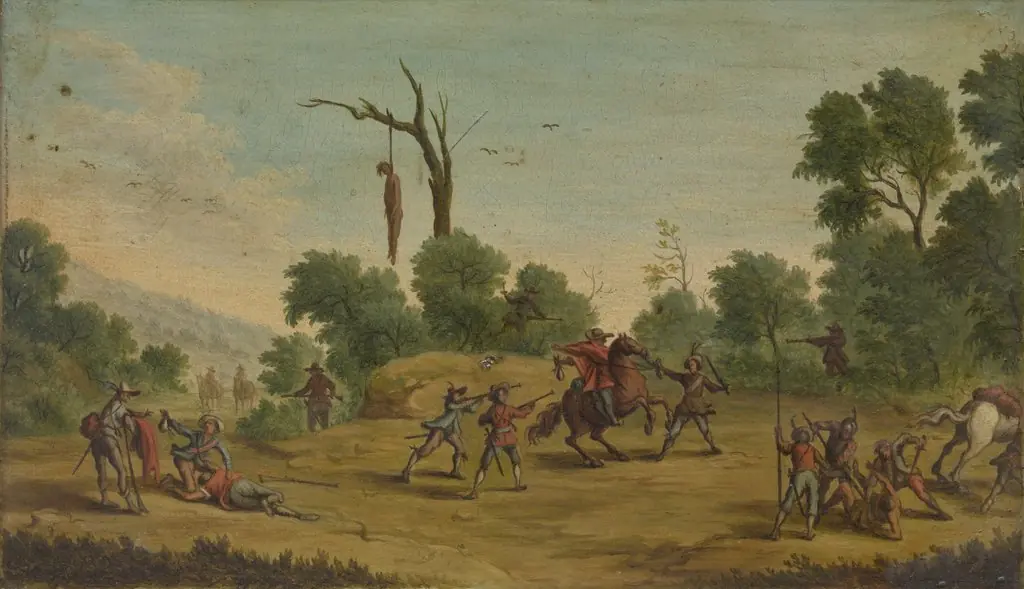 Horsemen Attacked by Robbers
 HOW WILL A COVERED PART BE CORRECTED?HOW WIKA A COVERED HEART DEED CORRECTED?
![Christ Walking on the Water [second plate], by Jacques Callot](https://artifactworldgallery.com/img/jacques-callot--christ-walking-on-the-water-second-plate--2069f3bfe4cb2126-w320.webp) Christ Walking on the Water [second plate]
Christ Walking on the Water [second plate]
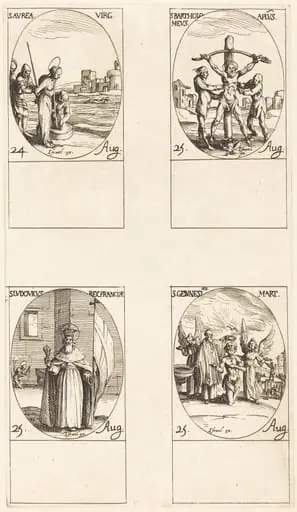 St. Aurea; St. Bartholomew; St. Louis; St. Genesius
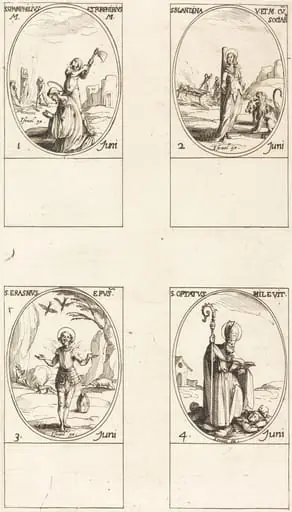 Sts. Pamphilius and Porphyrius; St. Blandina and Companions; St. Erasmus; St. Optatus
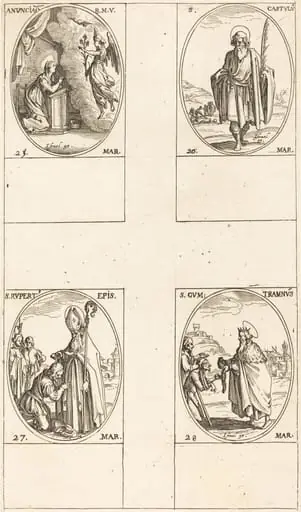 The Annunciation; St. Castulus; St. Rupert; St. Gontran
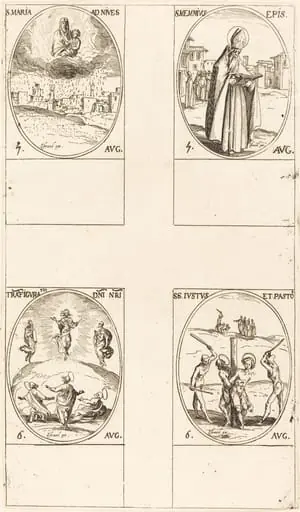 St. Mary of Snow; St. Memmius, Bishop; The Transfiguration; Sts. Justus and Pastor
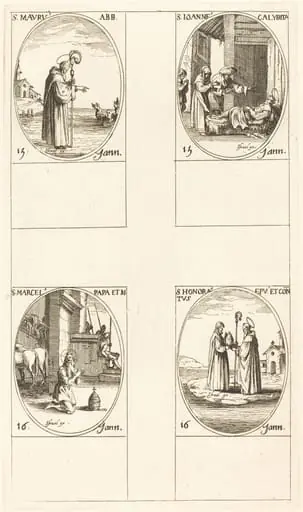 St. Maurus; St. John Calybite; St. Marcellus; St. Honoratus
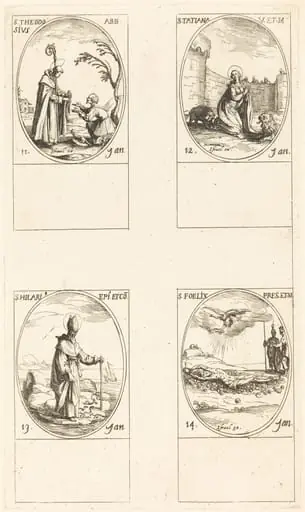 St. Theodosius; St. Tatiana; St. Hilary; St. Felix
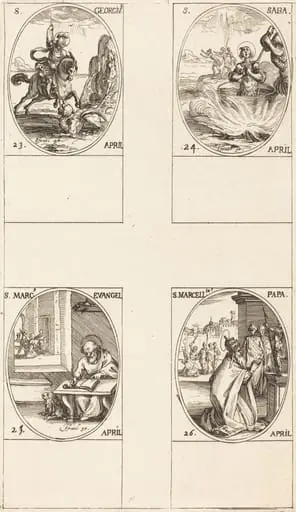 St. George; St. Sabas; St. Mark, Evangelist; St. Marcellin
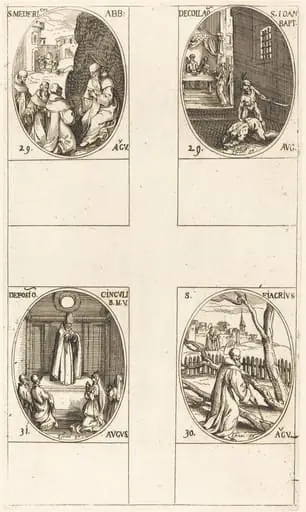 St. Mederic, Abbot; Beheading of John the Baptist; St. Fiacre; Festival of the Belt of the Virgin
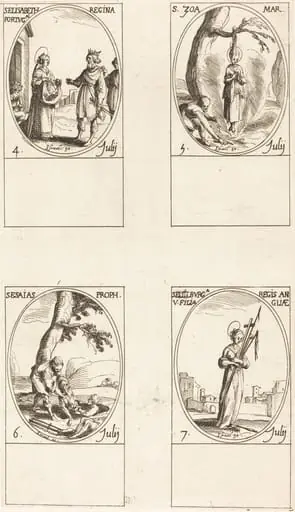 St. Elizabeth of Portugal; St. Zoe; St. Isaiah, Prophet; St. Edelburge
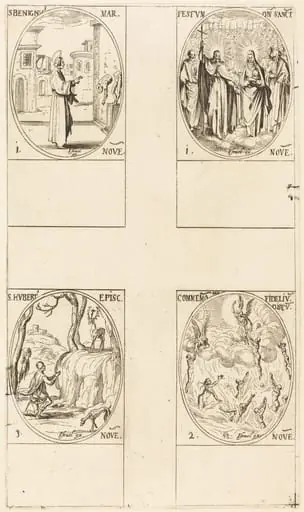 St. Benignus; Festival of All Saints; Commemoration of the Dead; St. Hubert